
Reviewed · KYOTO SAMURAI & NINJA EXPERIENCES
Kyoto 2 Hours Genuine Kendo / Samurai Experience In Japan
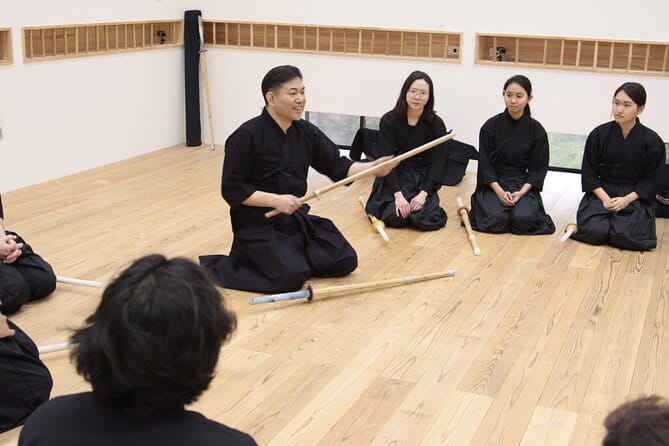
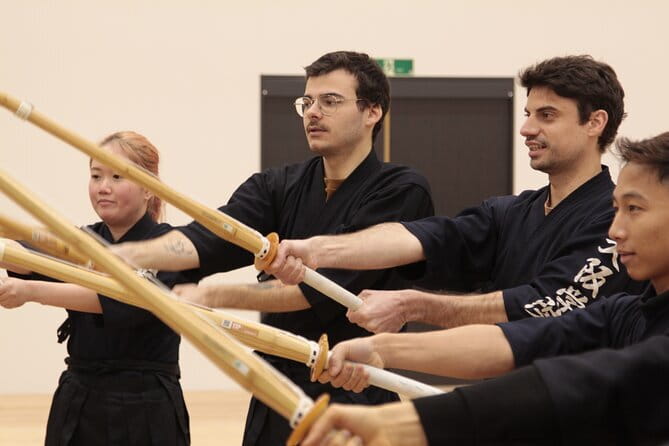
Kendo lessons in Kyoto feel instantly practical. In this 2-hour class, you learn the basics of kendo rules and how to use the armor, with equipment rental built in and an instructor who can explain in English.
I like that the training is step-by-step, from footwork to sparring, so you know exactly what to do. I also appreciate the cultural side, including bowing and etiquette as part of the lesson.
One thing to plan for is heat. Even with a towel after, the armor can run hot, so you may want an extra towel and take it slow if you get winded.
Key points before you go
- Hanazono Station start: you meet at the station, then head to the dojo nearby (about a 5-minute walk in practice).
- Gear included: all kendo equipment, plus a free towel and bottled water.
- Real kendo progression: warm-up, footwork, practice with a dummy, then controlled matches.
- Instructor support in English: a big help for first-timers who struggle with Japanese-only explanations.
- Culture and manners: bowing, terminology, and mindset lessons like Unify your spirits, Manners, and Lifelong Kendo.
- Group size kept reasonable: capped at 30 travelers, which often makes the class feel more personal.
Starting at Hanazono Station, then walking to the dojo
This kendo experience begins at Hanazono Station in Kyoto. It is close to public transportation, and you start at 10:00 am. There is no hotel pickup or drop-off, so you’ll want to show up with an easy rail route and a little buffer time to find the meeting spot.
The good news is that the move from station to dojo is straightforward. One of the nicest details is how quick it is, since the dojo walk is reported as under 5 minutes. That means you spend less time hunting and more time getting kitted up.
Another practical plus is the mobile ticket. You do not have to chase paperwork right before training, and you can focus on being ready to move. The class runs about 2 hours, then ends back at the meeting point, so it stays simple if you are building a busy Kyoto day.
More Kyoto temple visits, food tours, tea experiences, and day trips to compare
Putting on kendo armor and learning rules the right way
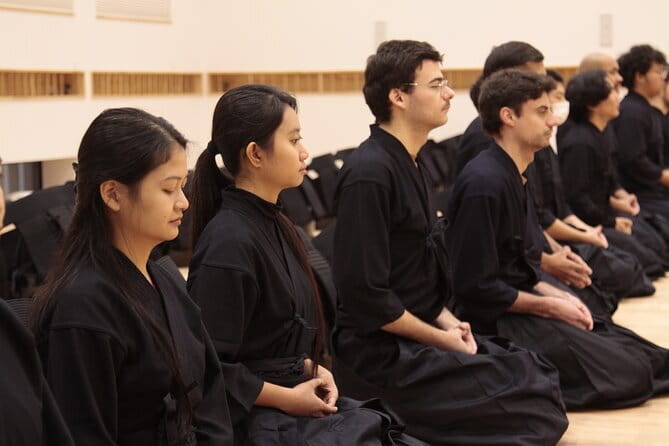
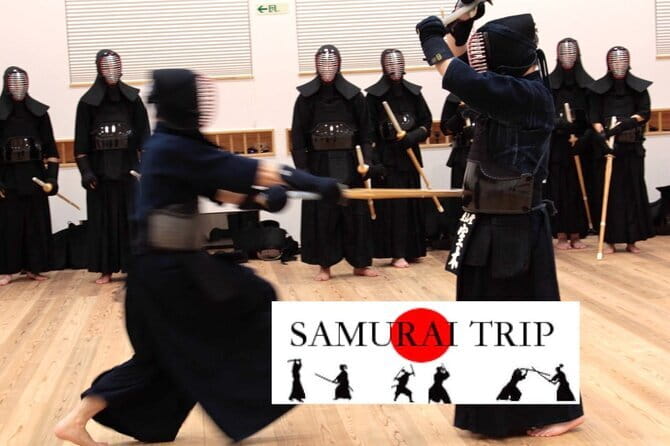
The heart of the session is learning how to wear and use the armor, along with the basic rules of kendo. The equipment rental is included, so you do not need to worry about finding gear in advance. You’ll also get a towel and bottled water as part of the experience, which helps with the normal post-practice sweat and reset.
What makes this class work for beginners is the way the instruction is designed. Kendo is widely practiced in Japan, but many instructors do not teach in English. Here, the instructor has experience teaching in English and can break down ideas clearly. That matters because kendo is not just athletic movement. It is also timing, distance, commands, and etiquette all at once.
Safety and structure are part of the deal, too. The training is described as safe and fun, and it is guided by an instructor with a 7th Dan rank. You also hear about the instructor’s long practice, with more than 40 years in kendo. That kind of background tends to show in how quickly you learn what matters and how to avoid common beginner mistakes.
Footwork, bamboo swords, and dummy practice you can actually follow
You do not jump straight into full-on sparring. Instead, you get a progression that builds skills in order. Based on how the lesson is described and how the training is typically run, expect a warm-up first, then work on footwork. That footwork piece is crucial in kendo, because balance and movement set up everything else.
After the basics, you move to practicing with weapons on a dummy. This step is a smart way to learn form without the stress of trying to react to another person instantly. It also helps you understand what your body is supposed to do, especially if you are new to the gear.
Then comes the part most people remember, controlled matches against each other. You’ll use bamboo swords, and you get chances to practice in the real rhythm of kendo. Some sessions even include opportunities to fight against the instructor, which can be an intense but memorable moment. Either way, the lesson is structured so you stay engaged, not overwhelmed.
The class is also set up with first-timers in mind. You are taught not only how to hit, but also how to understand what you are doing. You learn the basic terminology and how practice works, so your time in the dojo feels like training, not just watching.
Manners, bowing, and the samurai mindset beyond the hits
If you only want a workout, kendo can deliver that. But the reason people book this in Kyoto is the culture and mindset. This experience explicitly centers on three benefits of practice: Unify your spirits, Manners, and Lifelong Kendo.
Unify your spirits is about focus. Kendo is repetitive by design, and your mind has to stay calm while your body works hard. You’ll feel that during footwork drills and timing work when you realize it is not about random swings, it is about coordinated intent.
Manners shows up as etiquette. Even if you are unfamiliar with Japanese customs, you get guidance on the practice side, including bowing and respectful behavior in the dojo. You also learn terminology used in kendo practice. That turns the whole session into a cultural exchange, not just a physical class.
And Lifelong Kendo is the bigger message. The lesson frames kendo as something you can return to and keep improving over time. That is a comforting idea if you worry you will not master it quickly. The goal is to learn the basics well enough to keep practicing thoughtfully later.
One more detail that adds authenticity is the instructor’s teaching style. The class is described as patient, friendly, and energetic, which helps when you are dealing with unfamiliar commands and equipment. Names that come up include Takahiro Hayashi, and his approach is repeatedly praised for making the session welcoming.
What two hours feels like, from warm-up to towel and water
The duration is about 2 hours, which is a sweet spot in Kyoto. You get enough time to learn, practice, and feel like you did something real, without dragging the rest of your day.
Because the armor is part of the experience, plan for sweat. You get a towel included, and bottled water is included, so you have basic recovery covered. Still, the outfit can get hot. A practical tip from the experience is to consider bringing your own towel too, especially if you run warm. A small extra item can make the difference between feeling refreshed and feeling miserable.
Fitness level matters, but it is not about being an athlete. You should have a moderate physical fitness level. Expect to move your legs for footwork, and expect your arms to work as you practice strikes and swings. If you can handle a brisk walk plus light exercise, you are likely within range.
Also remember that the class ends back at the meeting point. That is helpful if you want to pair this with a later Kyoto plan, since you are not stuck waiting for transport or coordinating a pickup after you’re tired.
Price and value: is $118.89 worth it?
The price is $118.89 per person for about 2 hours, and it often gets booked around 44 days in advance on average. That early booking tells you this is a popular way to get a hands-on, guided activity without needing deep prep.
Here is the value logic I use. You are not just paying for a lesson, you are paying for gear access and a guided progression. Kendo equipment rental is included, plus a free towel and bottled water. In many activities, these “small” items add up or create friction, especially when you arrive and have to solve the gear problem first.
You also get English instruction experience built into the class. For many martial arts experiences in Japan, language can be the hidden cost, because it slows learning and makes practice harder. When the instructor can explain clearly, your time in the dojo becomes more efficient and more satisfying.
The other value factor is instruction quality. A 7th Dan master and a teaching approach described as friendly and patient suggests you’ll get structured feedback rather than just generic pointers. That is what turns a one-time try into something you can actually learn from.
One cost consideration is that food is not included. So if you do this earlier in your day, plan a lunch or snack after. Your body will be warm, and your appetite may surprise you in the best way.
Who should book this Kyoto kendo class
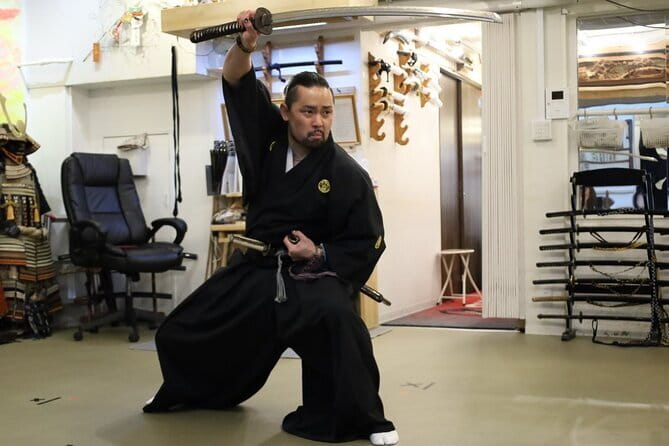
This is a great fit if you want an authentic Japanese martial arts experience that is beginner-friendly and still feels real. Kendo works well for people who like rules and structure, because you learn what to do and when to do it.
It is also a good option for families and groups, based on how the experience is described as working well for people who want something fun that teaches culture. The class is capped at 30 travelers, which helps keep the energy manageable.
If you are nervous about physical training, think of this as controlled practice with guidance. You do need a moderate fitness level, but you can usually pace yourself during drills. If you are comfortable walking and moving your body for a couple hours, you should be fine.
If you want a super long, deep training block, this may feel short. It is built as an entry-point class. You will leave with basics, not mastery. That is not a flaw, it is the point. It is designed to help you start.
Should you book it? My practical take
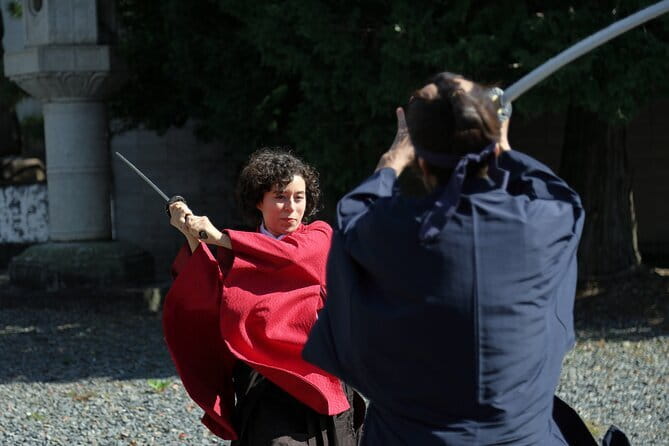
Book this Kyoto kendo lesson if you want more than a souvenir activity. I like that it hits the essentials: armor basics, rules, etiquette, and a real practice progression that ends with matches. With English guidance from an instructor like Takahiro Hayashi, it is also a smart choice if you do not speak Japanese well enough to learn martial arts commands on your own.
Skip or rethink it if you cannot handle heat or you do not want to move much. The outfit can get hot, and the class is active by nature. Also, since there’s no hotel pickup, make sure your Kyoto logistics can get you to Hanazono Station easily.
If your goal is to understand kendo as a living part of Japanese culture, this kind of structured beginner lesson is hard to beat in time and value. It is brief, guided, and hands-on, with the kind of etiquette and mindset that makes the whole thing feel like more than just a workout.
FAQ
Where is the meeting point for the kendo experience?
You meet at Hanazono Station (Hanazonoteranouchicho, Ukyo Ward, Kyoto, 616-8043, Japan).
What time does the class start?
The start time is 10:00 am.
How long does the kendo lesson last?
It lasts about 2 hours.
Is hotel pickup or drop-off included?
No. Hotel pickup and drop-off are not included. The activity ends back at the meeting point.
Is kendo equipment rental included?
Yes. All kendo equipment is included, so you do not need to bring or rent your own gear.
Do I get water and a towel?
Yes. A free kendo towel and bottled water are included.
What is not included in the experience?
Food is not included.
Do I need prior kendo experience?
No. The experience is described as an entry-point into kendo, including learning the basic rules and how to use the armor.
How big is the group?
The maximum group size is 30 travelers.
Is it okay if I have moderate physical fitness?
Yes. The experience is for travelers with a moderate physical fitness level.
Can I cancel for free?
Yes. Free cancellation is available up to 24 hours in advance for a full refund.
More 2-Hour Experiences in Kyoto

More Tour Reviews in Kyoto

Not for you? Here's more nearby things to do in Kyoto we have reviewed



Kyoto Samurai & Ninja Experiences, compared.
 ★ 5.0Kyoto Samurai ExperienceFrom $1191,294 reviews
 ★ 4.9Kendo and Samurai Experience with Uniform and GearFrom $103815 reviews
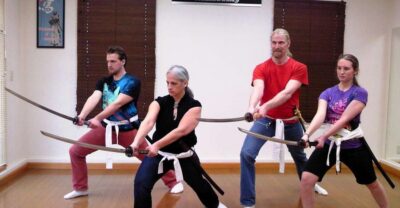 ★ 4.9Samurai Sword Class by Experts in Traditional ArtsFrom $64657 reviews
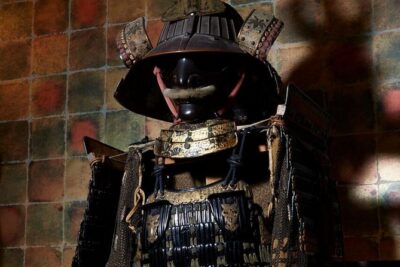 ★ 4.5Skip the lines Basic Ticket at SAMURAI NINJA MUSEUM KYOTOFrom $28632 reviews
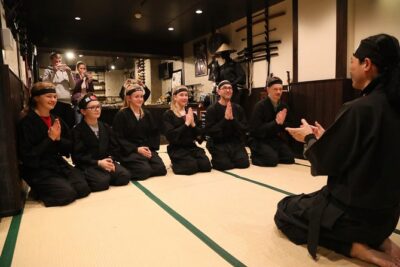 ★ 5.0Ninja 1-hour Hands-on Lesson by Japanese master in Kyoto -EntryFrom $80489 reviews
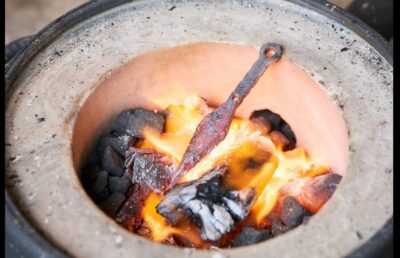 ★ 4.8Ninja Weapon Forging ExperienceFrom $148478 reviews
 ★ 4.5Samurai Kenbu Traditional Sword Dancing ShowFrom $32426 reviews
 ★ 5.0Samurai Training with Modern day Musashi in KyotoFrom $132256 reviews
Browse the lists this tour appears in