
Reviewed · FUSHIMI INARI SHRINE TOURS
Kyoto Early Bird English Tour: Fushimi Inari & Gion(Private opt)
Early Kyoto feels like cheating. You hit Fushimi Inari early, get clear guidance at Kiyomizu-dera, and end in Gion with helpful photo stops. The one thing to watch is that Kiyomizu-dera costs extra and the total time can feel closer to about 2.5 hours for some groups.
This is a private English-speaking walking tour, typically with a guide like Ikki, who’s praised for patient, easy-to-follow explanations and lots of picture-taking. You also get professional photos from the experience, plus extra local tips that help you understand what you’re looking at instead of just passing through.
Key Points You’ll Care About on This Kyoto Morning
- Early start strategy focused on seeing Fushimi Inari before the heaviest crush
- Photo support during the tour, plus professional photos after
- English guidance that connects the dots between shrines, temples, and daily Kyoto life
- A compact hit list of Kyoto highlights with short, manageable walking blocks
- Ending in Gion so you can continue the evening on your own or grab a meal nearby
- Extra costs to budget for transit and Kiyomizu-dera admission
Why This Early-Bird Kyoto Walk Works
Kyoto’s top sights are famous for a reason, but the timing can make or break your experience. This tour is built around the idea that morning light and fewer people help you actually see details, not just stand in a crowd.
I like that the pace is structured but not rushed. You get meaningful time at the big draw like Fushimi Inari, then you keep moving to complementary stops nearby, including the historic streets leading toward Gion.
The best part for you is the combination of big landmarks plus the smaller spots that usually get skipped. That makes the morning feel like Kyoto, not just a checklist. One caution: because it’s a walking tour with stairs and uneven paths at shrine and temple sites, plan for a moderate fitness level.
You can also read our reviews of more private tours in Kyoto

Price and Logistics: What You Pay and What You Plan For
The tour price is $99.10 per person, which is refreshingly straightforward for a private English guide plus photo support. Still, budget for what’s not included, because Kyoto adds up fast.
You’ll pay public transportation (listed at ¥390 per person) and Kiyomizu-dera admission (listed at ¥500 per person). Food and drinks are on you too, so decide in advance if you want a snack break or a longer sit-down meal after the tour.
The tour duration is listed as 4 to 5 hours, but some groups report it felt closer to about 2.5 hours. That usually means the sightseeing blocks and transfers move efficiently, but you should still treat it as a morning plan with flexibility.
You meet at Kyoto Station (Higashishiokoji Kamadonocho area) and finish at Yasaka Shrine in the Gion area. That ending point is useful, because you can roll right into your next stop without backtracking.
Getting Ready at Kyoto Station (and Why the Start Matters)
Meeting near Kyoto Station is a smart move. It’s one of the easiest places to reach, and it keeps you from wasting your morning hunting for a meeting point in side streets.
Bring comfortable walking shoes. Even if each stop is timed, you’re still moving through temple grounds and traditional lanes where the surfaces are not always flat. Also, set your mindset for early morning: part of the value is seeing Kyoto with that calmer atmosphere.
This is a true private tour, meaning only your group participates. That tends to make the pace feel more personal, especially when you ask questions or want a few extra minutes for photos.
Fushimi Inari-taisha: Torii Gates, Morning Light, and Calm Vibes
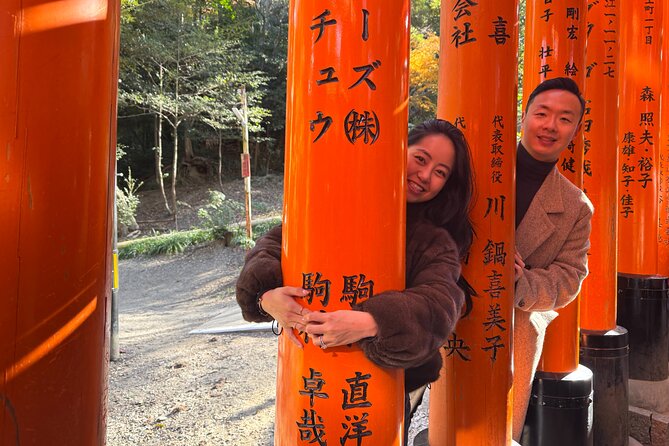
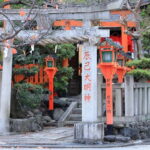
Fushimi Inari is the Kyoto stop most people dream about, and it’s worth doing with a plan. You’ll spend about an hour here, and the big win is arriving before the crowds stack up around the gates.
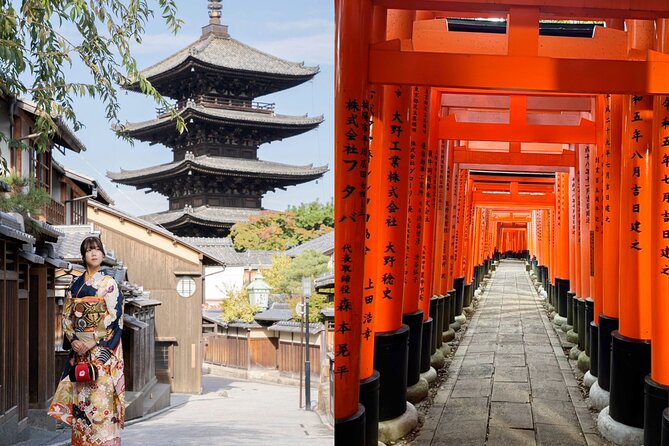
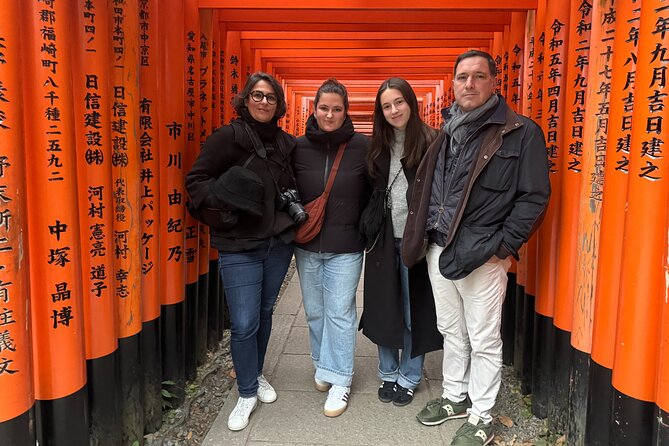
The shrine is dedicated to Inari, associated with rice and prosperity. What you’re really here for is the tunnel-like forest of thousands of red torii gates climbing up the slopes of Mount Inari. Early timing helps you experience that path as a walk, not a shuffle.
Here’s what I’d watch for if you want the most from your visit. Look for how the gates repeat in layers as the path rises. Small changes in angle and spacing make photos look dramatic even without special equipment.
Also, take your time at the start of the route. Once more people arrive, it’s harder to slow down and notice the details. If your guide is Ikki, he’s known for taking lots of pictures and helping you get angles you’d miss on your own.
Kiyomizu-dera: The View People Come For, Plus the Stuff You Might Miss
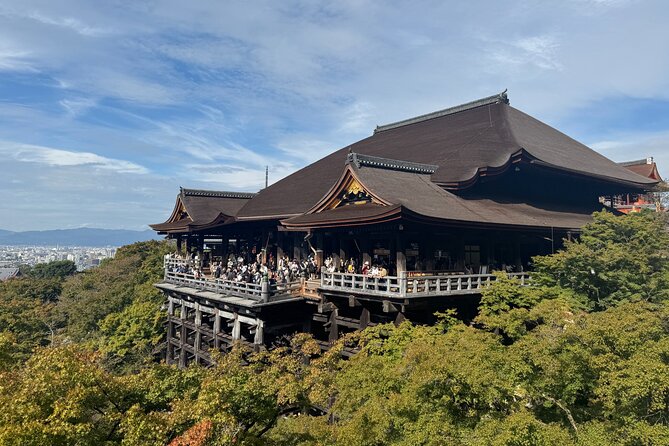
Kiyomizu-dera is the loudest name in Kyoto for a reason: it has views and a dramatic temple presence. You’ll get about an hour here, and you’ll pay the admission fee on site (listed as ¥500 per person).
The temple sits on higher ground, giving wide views over Kyoto City. But the experience isn’t only about looking out. Kiyomizu-dera is also about noticing structure and the way the site feels designed around visitors moving through it slowly.
The timing matters here too. Even with a guide, Kiyomizu-dera can mean long stair moments and waiting around the most photogenic areas. Going earlier helps, but you should still expect some crowding depending on the day.
One more practical tip: plan your photo strategy. You’ll want at least one wide shot for the full temple and one close-up where you can see craftsmanship. A guide who actively helps with photos can save you time, because they know where your best angles usually land.
Sannenzaka and Ninenzaka: Photo Streets With Easy, Real Kyoto Flavor
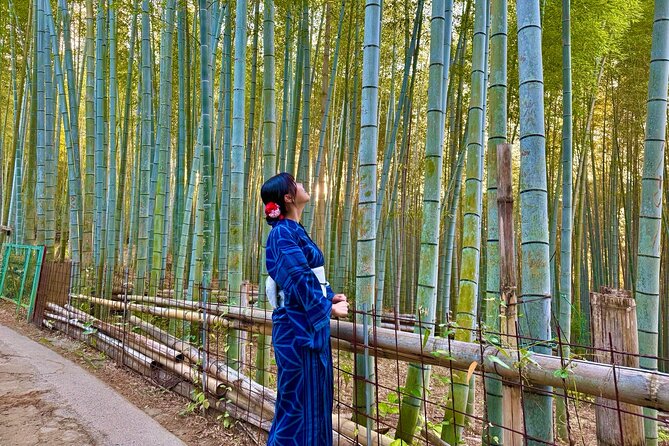
After the big temple energy, you shift into a calmer kind of Kyoto. You’ll walk through Sannenzaka and Ninenzaka for about 15 minutes, and these stone-paved streets are lined with traditional wooden buildings and souvenir shops.
These lanes are famous because they feel like time travel. The stone steps and the close, layered street walls create a sense of walking through old Kyoto rather than crossing an outdoor mall.
Is it perfect for everyone? If you hate crowds in small lanes, you might feel the pinch as the day warms up. But 15 minutes is a manageable chunk, and it works well as a bridge between major sites and the geisha district.
For practical spending, decide whether you want snacks, small gifts, or just window-shopping. With a fixed tour block, you don’t want to get stuck trying to bargain for souvenirs when you could be enjoying the view from the next stop.
Yasaka Pagoda (Hokanji): The Uncannily Large Wooden Structure
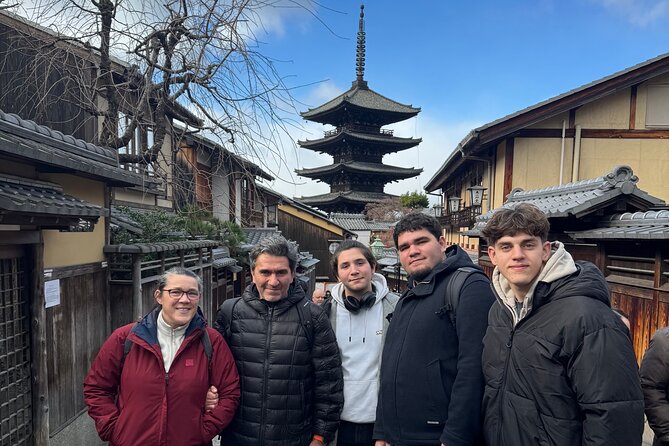
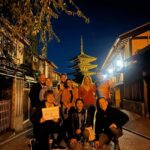
You’ll get about 15 minutes at Yasaka Pagoda, part of Hokanji. This is one of those Kyoto spots that feels slightly mysterious because you see the scale first, then you start understanding why it’s so memorable.
The claim here is striking: the wooden structure is said to have been built without using nails. Even if you don’t focus on construction trivia, the bigger lesson is how many Kyoto sites are built for longevity and repeated ceremonial use.
Because the stop is short, treat it as a refresh after the main temple. Spend a minute soaking in the structure, then use your guide’s explanations to connect it to the broader religious landscape around Yasaka.
If you’re a photo person, this is a good moment for it. The contrast between the wooden presence and the street context can create photos that feel more distinct than the standard temple postcard.
Yasaka Koshin-Do and the Color Play That Stops You
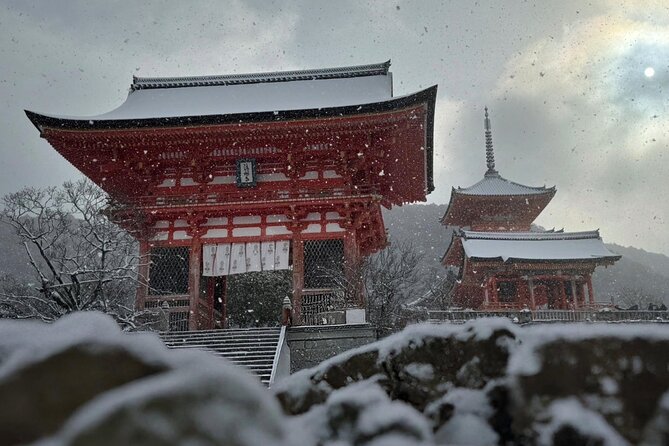
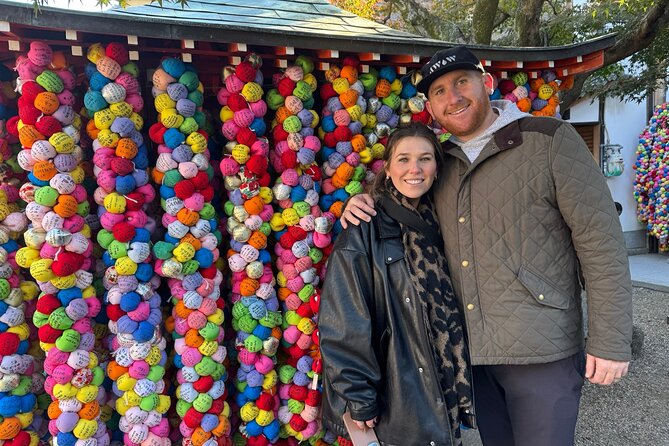
Next is Yasaka Koshin-Do for about 15 minutes. What people notice fast is the color. Compared with some temples that feel muted, this one leans into bright decoration, making it visually different in your morning photo set.
The tour framing helps here. When you understand what you’re seeing, a colorful interior or ornamented space stops being just decoration and becomes part of how people practice and remember.
In a short visit like this, don’t try to do too much. Look, take a couple photos, and let your guide’s context explain why the colors matter. This is also a good time to ask questions you’ve been holding back, because you’re not stuck in line the way you might be at the big headline attractions.
Gion at Walking Speed: Traditional Streets and Geisha District Feel
You’ll spend about 15 minutes in Gion, Kyoto’s best-known geisha district. Even if you don’t see geisha or maiko up close, you’ll feel the district’s character in the preserved street layout and the traditional machiya houses and teahouses.
This stop works as a mood shift. The earlier sights can feel like sightseeing mode, while Gion often feels like Kyoto living space. Walking slowly for a short block gives you a better read than driving past.
If you’re hoping to shop or snack, plan it for after the tour. The tour time here is short, and you’ll likely want a second pass when you’re not watching the clock.
Also, keep your expectations respectful. Gion is a real neighborhood. If you treat it like a place where locals move through their day, your photos come out better and the whole experience feels more authentic.
Ending at Yasaka Shrine: Your Clean Exit Into the Best Part of the Evening
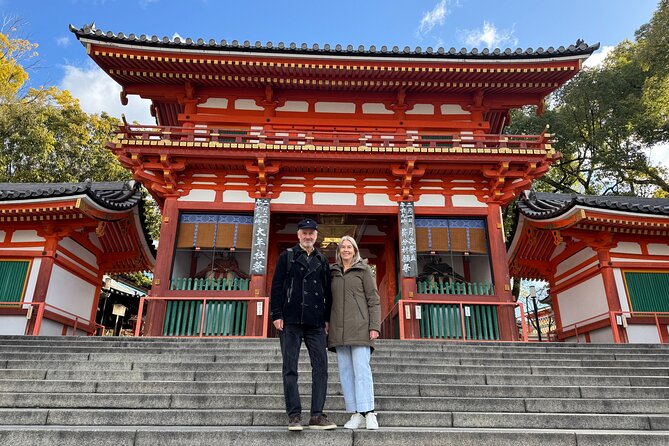
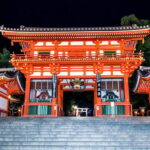
The tour finishes at Yasaka Shrine, with about 30 minutes at the site. Yasaka Shrine is described as the headquarters of related shrines across Japan, tied to gods associated with prosperity and protection.
Ending here is smart because it drops you right in the historic Gion area. From Yasaka Shrine you can continue sightseeing, find dinner nearby, or take transport back to your hotel without reversing your route.
This is also where the morning’s learning pays off. You’ve already seen Fushimi Inari’s gate symbolism, and you’ve understood Kiyomizu-dera as more than a view. At Yasaka Shrine, the explanations can click into place, so you’re not just looking at another shrine facade.
Photo Perks and Local Tips That Actually Make a Difference
The tour includes professional photos taken during your visit. In real terms, that means you can spend less time fighting with your phone camera and more time enjoying the site.
In the guide experiences shared here, Ikki is praised for taking lots of photos and acting like a personal photographer. That matters because Kyoto is visual. If you’re holding a camera all morning, you miss the smaller details your guide is pointing out.
You’ll also get strong English explanations. More importantly, you can ask questions and get context fast, instead of guessing what different features mean. One review mentioned support material like a booklet with pictures, including language and how to participate in prayers. Even if that isn’t in every booking, it signals the guiding style: practical, respectful, and focused on helping you understand what you’re doing.
Who This Tour Suits Best (and Who Might Want a Different Option)
This tour is ideal if you want Kyoto highlights in one calm morning, with minimal planning and strong English guidance. I’d especially recommend it for first-time visitors who want the big icons without the stress of building your own route.
It also works well for couples and families because it moves in timed blocks and keeps the pace manageable. If your group likes photos, the photo help and professional photo package add real value.
If you hate walking, this may not be your best match. It’s explicitly a walking experience with public transportation transfers and time on foot at each stop. Stairs and uneven paths at shrine and temple areas are part of the experience.
Should You Book the Kyoto Early Bird English Tour?
I think you should book if you want an efficient, respectful introduction to Kyoto’s most important sights, and you care about understanding what you’re seeing. The biggest wins are the early timing for Fushimi Inari, the guide’s ability to explain and keep things fun, and the photo support that helps you leave with better images without turning the whole morning into a photo shoot.
You might skip it if you’re on a strict budget or you’re not interested in guided context, because Kiyomizu-dera admission and transit fees are extra. Also, treat the tour length as flexible, since some groups report it can feel shorter than the listed 4 to 5 hours.
FAQ
How long is the Kyoto Early Bird English Tour?
It’s listed as about 4 to 5 hours, and it’s designed as a walking experience with public transportation and time on foot at each stop. Some groups report it can feel closer to 2.5 hours.
What’s included in the tour price?
The tour includes a passionate local English-speaking guide and professional photos taken during the tour. The price also supports a private tour experience for your group.
What extra costs should I budget for?
Public transportation is listed at ¥390 per person, and Kiyomizu-dera Temple admission is listed at ¥500 per person. Food and drinks are not included.
Where do I meet the guide, and where does the tour end?
You start at Kyoto Station in the Higashishiokoji Kamadonocho area (Shimogyo Ward). The tour ends at Yasaka Shrine in the Gion area (Higashiyama Ward).
Is this tour private and English-speaking?
Yes. It’s described as a private tour, and the guide is an English-speaking local guide.
Can I cancel for a full refund?
Yes. Free cancellation is available if you cancel up to 24 hours in advance of the experience start time for a full refund.
More Private Tours in Kyoto
More Tours in Kyoto

More Tour Reviews in Kyoto
Not for you? Here's more nearby things to do in Kyoto we have reviewed

Fushimi Inari Shrine Tours, compared.
 ★ 4.8Fushimi Inari, Kinkakuji, Bamboo Grove 1 Day Bus TourFrom $1224,316 reviews
 ★ 5.0Fushimi Inari Hidden Hiking Tour (Private Option Available)From $631,750 reviews
 ★ 4.7Kyoto/Osaka: Nara, Fushimi Inari Taisha, Arashiyama Bus TourFrom $521,275 reviews
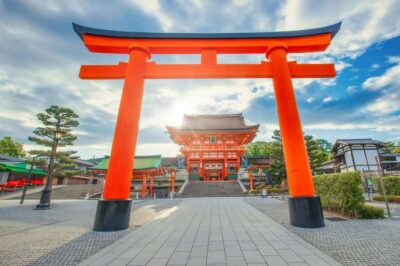 ★ 4.4Osaka/Kyoto: Arashiyama, Nara & Fushimi Inari Shrine w/LunchFrom $61754 reviews
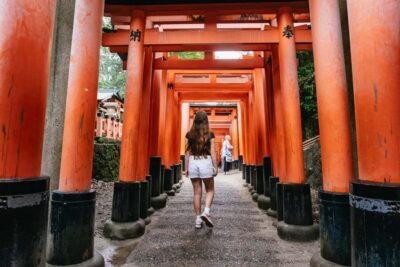 ★ 4.7Nijo Castle, Kiyomizu & Fushimi Inari Guided TourFrom $54700 reviews
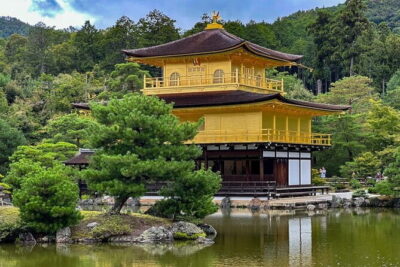 ★ 5.0Nijo, Kinkaku-ji, Arashiyama, Kiyomizu & Fushimi InariFrom $51699 reviews
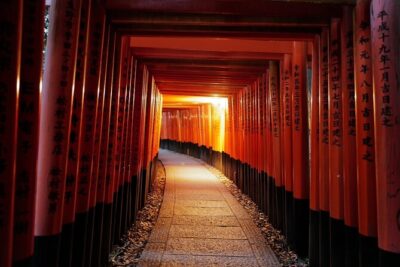 ★ 5.0Kyoto Fushimi-Inari Night Walking TourFrom $43320 reviews
 ★ 4.93-Hour Fushimi Inari Shrine Hidden Hiking TourFrom $72270 reviews
Browse the lists this tour appears in