
Reviewed · KYOTO FOOD TOURS
Kyoto Food Tour of 10 Tastings with Wagyu, Mochi & More Surprises
Nishiki bites and Gion views in one walk. This Kyoto food tour strings together the places you normally bounce between by bus, but keeps it human-sized, capped at 10 travelers and paced for tasting. You start at Karasuma and finish in Gion, with the guide leading the way while you sample classic Kyoto flavors along the route.
What I really like is the focus on Kyoto-specific foods, not just generic Japanese snacks. You get a yuba tofu presentation plus a wagyu sushi stop, and the day includes sweet Kyoto touches like daifuku mochi with seasonal fruit filling. I also like that the itinerary is built around sightlines, not only food, so you see parts of Pontocho and the Kamo river area while you’re walking.
One possible drawback to consider: the experience can skew toward fried and street-food style items, and the guide style is not the loud, lecture-heavy kind. If you expect a lot of deep culinary storytelling in super detailed English, you may find it a bit more basic than you’d hoped.
Key things to know before you go
- Orange-umbrella meet point near Karasuma Oike, easy to spot and get moving fast
- Yuba tofu + wagyu sushi are real Kyoto highlights, not afterthoughts
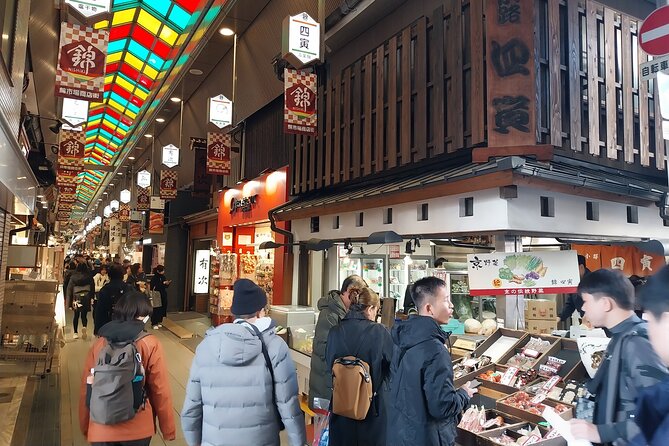
- Nishiki Market time is long enough to actually wander, taste, and learn basic how-to’s
- Gion stroll with Pontocho and Kamo river views builds context for the food
- Sake, draft beer, and tea tastings give you variety beyond just dishes
- Max 10 people keeps the walk relaxed and the group from turning into a stampede
Karasuma to Gion: the simple plan that actually works
This is a classic Kyoto “walk and snack” setup: you meet in central Kyoto, eat your way through a handful of food stops, then finish in the Gion side of town. The total time is about 3 hours 30 minutes, and you should plan on walking most of it. That matters because a food tour can either feel like quick stops in a taxi line, or feel like you’re doing Kyoto on foot. This one leans toward the second option, so comfy shoes are not optional.
The route is also smart for first-timers. You begin near Karasuma Oike and end in Minami Gion, with the closest subway being Gion Shijo Station on the Keihan Line. From there you’re just a few steps from Yasaka Shrine. In other words, you’re not dropped somewhere random. You can keep exploring after your last tasting.
You can also read our reviews of more food & drink experiences in Kyoto
Finding the guide fast at Starbucks across from Karasuma Oike
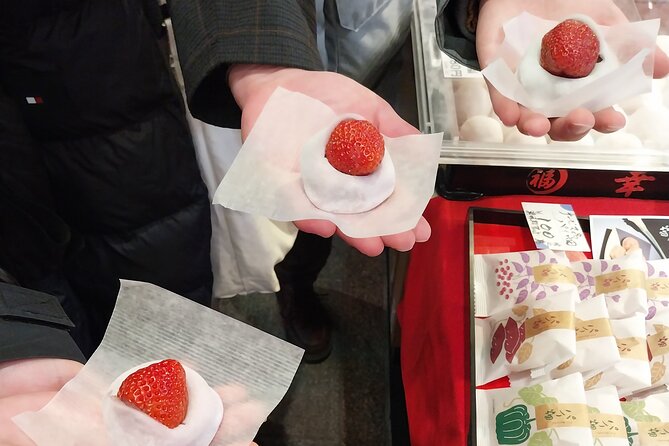
Let’s talk logistics, because in Kyoto that can make or break your day. You meet in front of Starbucks at Sanjo Higashi-Shimbo, across the street from exit 5 of Subway Karasuma Oike Station. Your guide wears an orange umbrella, which is a small detail, but it saves time and stress when you’re trying to avoid the “Is that them?” guessing game.
The guide also does a quick intro at the start. That’s useful because the tour covers multiple styles of food, including sake and tea tastings, and you’ll move through busy areas like Nishiki Market. Getting your bearings early means you can focus on what you’re tasting instead of where you’re going.
Yuba tofu and katsudon with a sweet Kyoto twist
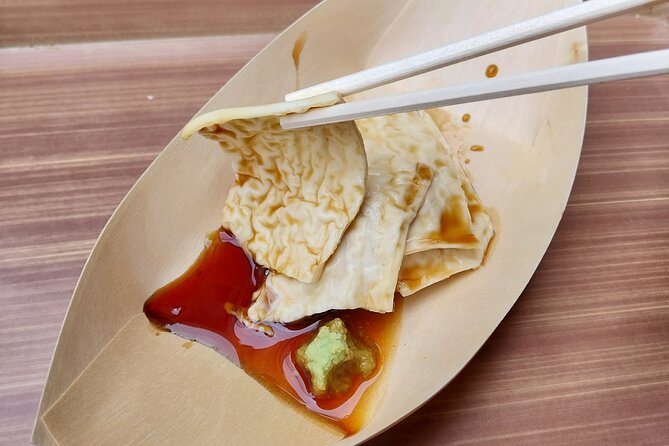
If you want Kyoto flavor, yuba tofu is the right place to start. Yuba is made from soy milk skin, and it shows up in Kyoto in ways that feel distinct from Tokyo-style eating. On this tour, you do not just see yuba on a menu. You get a yuba tofu presentation, which is the difference between ordering and understanding what makes it Kyoto-worthy.
Next you head into the pork cutlet world with katsudon at Kyoto Tonkatsu Katsuda Shijo Kawaramachi. The tour frames this as a regional twist on a comfort dish, specifically with a sweet local twist. This is a nice early move because it gives you a grounding “Japanese comfort food” taste before you switch into market wandering and small bites.
A practical note on expectations
This tour includes a lot of food types, including fried items and street-food style portions. That’s not a flaw if you like Japanese snack culture. But if you’re chasing lots of fresh, light, non-fried bites, you might feel the spread is not what you wanted.
Nishiki Market: when you learn how to taste your way through Kyoto
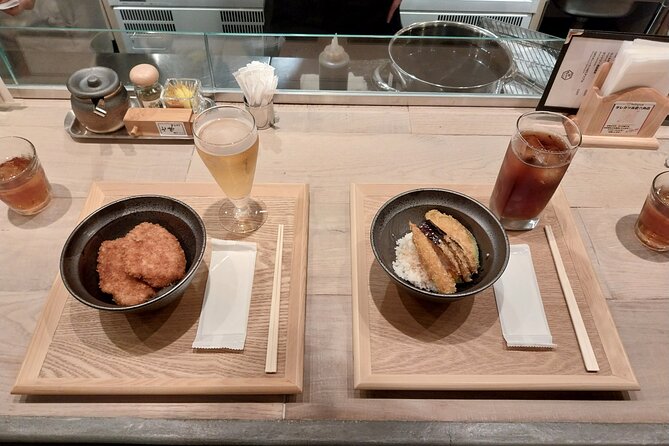
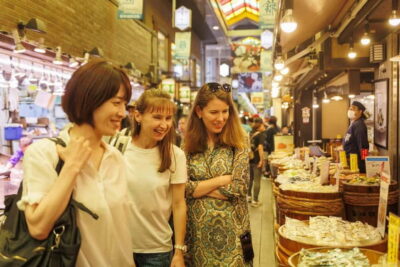
The biggest single block of time is at Nishiki Market, where you spend about 1 hour 30 minutes along the roughly 400-meter stretch of shops and stalls. This is where Kyoto’s food identity gets most obvious, because you’re surrounded by ingredients, handmade items, and vendors who clearly know their craft.
Here’s what you can expect during this market stretch:
- Kyoto yuba tofu tasting again in the market context
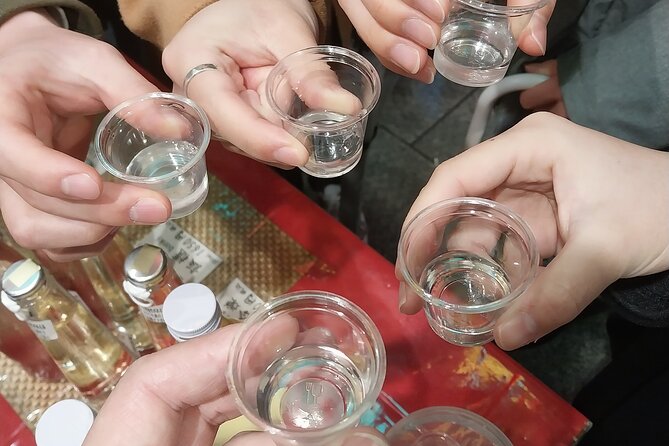
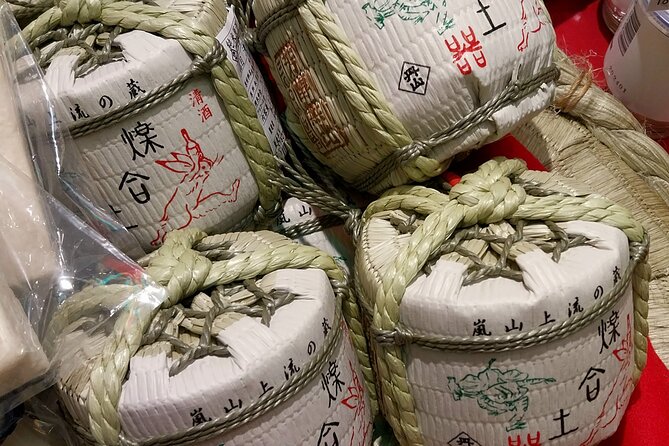
- Local sake tasting
- Fresh fish cakes with different flavors
That combination is the key. A lot of food tours stop at one “sample and go” counter. This one gives you enough time to bounce between stalls and actually understand what variety means in Kyoto food. Fish cakes, especially, can be more interesting than they sound because the flavors vary with preparation and season.
More Kyoto temple visits, food tours, tea experiences, and day trips to compare

Walking through Gion and Pontocho for the full setting
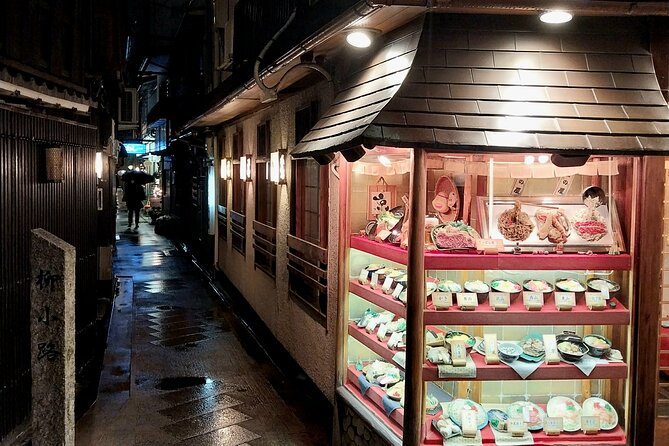
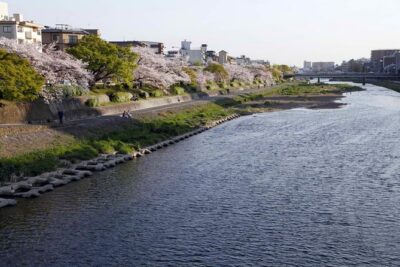
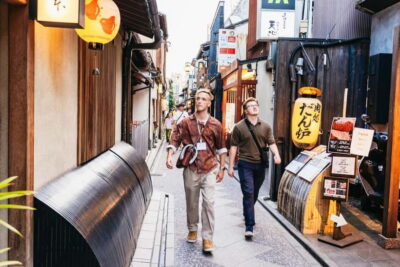
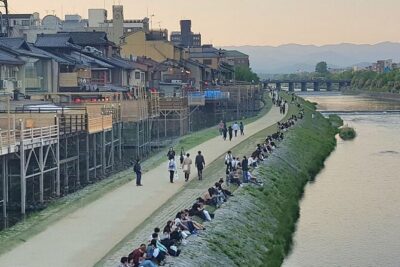
After the market, the tour shifts into the “Kyoto postcard but not staged” mode. You walk through the streets toward Gion, with views around Pontocho and the Kamo river before you reach the Gion area. This is more than a scenic pause. It’s the right way to connect the food to where it belongs.
Gion is a neighborhood you can technically see on your own, but it’s easy to miss the rhythm when you’re just rushing between shrines and photo spots. On a food tour, you naturally slow down, which means you notice small details like street layout, how people flow through the area, and why certain snack shops feel woven into daily life.
Okonomiyaki in a quaint Kyoto restaurant
In Gion, you take a more sit-down-style pause with a “Kyoto way” okonomiyaki. The stop is about 30 minutes, which gives you enough time to eat without feeling like the guide is constantly herding you along.
Okonomiyaki is often associated with Osaka, so the Kyoto angle here is part of the fun. You get a savory pancake style you can recognize, but the preparation and flavor direction is framed as Kyoto-specific. If you like savory, hot food during your walking day, this is a strong mid-to-late tour anchor.
Matcha tea tasting at a renowned Kyoto venue
The finale moves into tea. This part is about Kyoto’s tea culture and matcha, and the tour description notes stopping by one of the most renowned matcha venues of Japan, depending on season.
You’ll enjoy a Japanese tea tasting, served hot or cold, with a selection of teas. Since the tour is coming from eating, this is also a smart reset. Tea can cut through richness and help you taste the later flavors more clearly, especially after wagyu or other heavier bites.
What you actually eat: the 10 tastings spread
The tour’s included items list is where you’ll get clarity on whether this fits your taste. The highlights include:
- Yuba tofu with a Kyoto presentation
- Katsudon, noted as having a sweet local twist
- Okonomiyaki in Kyoto style
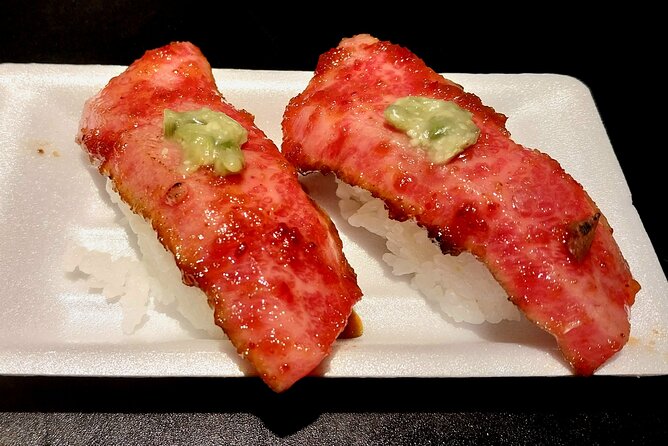
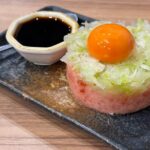
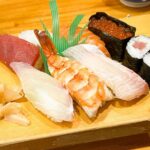
- Wagyu sushi, described as seared to perfection
- Fresh handmade fish cakes
- Daifuku mochi with seasonal fruit filling
- A secret dish (not specified in detail, but included)
- A glass of draft beer
- A tasting of various Kyoto sakes
- Japanese tea tasting (hot or cold)
Two things stand out from a value perspective. First, you’re not paying just for “snacks.” You’re paying for a planned sequence that includes a mix of savory, sweet, and drinks. Second, the wagyu sushi and yuba elements are the kind of foods that can be pricey when you order individually.
If you’re trying to build a Kyoto food memory beyond just ramen and quick bites, this is the sort of lineup that can do it.
Small-group energy, and why guide communication matters
The tour runs with a maximum of 10 travelers, and that shows in the vibe. The walking pace stays comfortable, and you’re not lost in a crowd. Some reviews praised guides for being friendly and making the market walk fun. Specific names show up, including Yuma and Tomoro, both described as great guides who kept the experience enjoyable and guided through the food stops clearly.
That said, not every guide experience lands the same way. A couple of critical notes mention a quieter delivery and English that can feel limited for guests wanting more background detail on each dish. So here’s how to set yourself up:
- If you’re the type who enjoys food basics and learning through small chats, you’ll likely be comfortable.
- If you want a lecture-style guide with deep food science and very detailed explanations, you might wish for more.
Price and value: is $142 a fair trade?
At $142 per person, you’re paying for three things at once:
1) Access to multiple tastings that would add up when bought separately
2) A guided route that connects markets, Gion streets, and tea culture without you planning every step
3) Included drinks like beer, sake tasting, and tea, which can be the hidden cost when you self-plan
The tour is described as booked about 44 days in advance on average, which often signals demand and availability. More importantly, the food menu includes premium-leaning items such as wagyu sushi and the included sweet finale (daifuku mochi). These are not the cheapest things to taste on your own, especially in central Kyoto.
Now for the other side of the value equation. Some people felt it leaned too far into fried items and street food volume, and they questioned whether the selection matched the price. That’s a fair personal-fit concern. If you dislike fried foods or want more fresh, light choices, the “10 tastings” count might feel less rewarding.
Who this Kyoto food tour is best for
I’d book this if you:
- Want a Kyoto-focused food day with recognizable staples plus Kyoto-specific items like yuba
- Like walking through neighborhoods as you eat, especially the Karasuma to Gion direction
- Are open to sake and tea tastings, not just food
- Enjoy small-group tours where you can actually move at a human pace
I’d skip or think twice if you:
- Hate fried foods or prefer lighter meals
- Expect very deep culinary history and detailed English explanations at every stop
- Get hangry easily and expect long sit-down meals at every location, since the day is structured around multiple short tastings
Should you book the Karasuma to Gion Kyoto food tour?
Yes, if you want an efficient, Kyoto-shaped food introduction that also gives you a legible route through Nishiki Market and into Gion. The best reason to book is the combination: yuba tofu presentation, wagyu sushi, sake and tea tastings, and then the Kyoto scenery pieces that make the day feel like you’re actually moving through neighborhoods, not only eating in doorways.
If you’re very picky about food types, don’t ignore the possibility that the tour includes plenty of fried or street-food style items. And if you rely on a guide for highly detailed commentary, consider that the tour can run more softly spoken than lecture-heavy.
FAQ
How long is the Kyoto food tour?
The tour lasts about 3 hours 30 minutes.
Where does the tour start and how do I find the guide?
You meet at Starbucks Coffee – Kyoto Sanjo Higashi-Shimbo, in front of Starbucks across from exit 5 of Subway Karasuma Oike Station. The guide is identified by an orange umbrella.
Where does the tour end?
The tour ends at the entrance of the Minami Gion district. The closest subway station is Gion Shijo Station on the Keihan Line, and it is a few steps from Yasaka Shrine.
What food and drinks are included?
Included tastings cover items such as yuba tofu, wagyu sushi, katsudon with a sweet local twist, okonomiyaki, fresh fish cakes, daifuku mochi with seasonal fruit filling, plus draft beer, Kyoto sake tasting, and Japanese tea tasting (hot or cold). The tour also includes a delicious secret dish.
Is dietary information handled?
You should contact the tour in advance for any dietary requirements so they can cater for you as best as possible.
Do I need to speak Japanese?
The tour is described as Most travelers can participate. No language requirement is stated, but some reviews indicate guides may be quiet, so if you need very detailed explanation, plan accordingly.
How much walking is involved?
This tour involves a fair amount of walking, and comfortable shoes are recommended.
What is the group size?
The tour has a maximum of 10 travelers.
What weather conditions are required?
The experience requires good weather. If canceled due to poor weather, you’ll be offered a different date or a full refund.
More Food & Drink Experiences in Kyoto
More Tours in Kyoto
More Tour Reviews in Kyoto
Not for you? Here's more nearby things to do in Kyoto we have reviewed
Kyoto Food Tours, compared.
 ★ 5.0Kyoto Night Foodie Tour in Gion (9+ dishes + 6 Sake tastings)From $1631,762 reviews
 ★ 4.7Kyoto Night All-Inclusive Eats and Streets, Gion and BeyondFrom $92601 reviews
 ★ 4.5Kyoto Nighttime All-Inclusive Eats and Streets, Gion and BeyondFrom $119464 reviews
 ★ 5.0Gion Food Tour 13 Dishes at 4 EateriesFrom $72408 reviews
 ★ 5.0Kyoto Foodie Night TourFrom $102376 reviews
 ★ 4.9Gion & Pontocho Food Tour with 13 DishesFrom $82235 reviews
 ★ 5.0Gion Local Food Tour (Taste 15 Dishes)From $94171 reviews
 ★ 4.7Local Food Tasting Tour at the Nishiki MarketFrom $78135 reviews
Browse the lists this tour appears in