
Reviewed · GION & GEISHA DISTRICT TOURS
Kyoto: Foodie Night Tour in Gion with 9 dishes + 6 Sake
Gion at night changes how you taste Kyoto. This foodie night tour threads you through old Kyoto streets with a local English-speaking guide, then lands you in small places you would struggle to find on your own. You get a 9-dish dinner course plus dessert and a guided pour through Kyoto sake styles.
I especially like two things. First, the tour is built around Kyoto comfort foods, from obanzai style plates to warm items like oden and tofu skin options like yuba, so you are tasting the logic of the city, not just ordering random highlights. Second, the guide-led pacing turns the meal into a cultural lesson, including sake explanations that actually help you understand what you are drinking.
One possible drawback: this is a set course, so if a stop does not match your tastes, you do not get to swap it midstream. One person called one part of the meal much weaker than the earlier stop, which is a good reminder that value depends on how much you enjoy the full course lineup.
Key things to know before you go
- Start at Gion Shijo Station, Izumo no Okuni statue for an easy rendezvous and a true Gion walking start
- 9 dishes plus dessert across multiple stops means you are eating at a Kyoto rhythm, not a single restaurant dinner
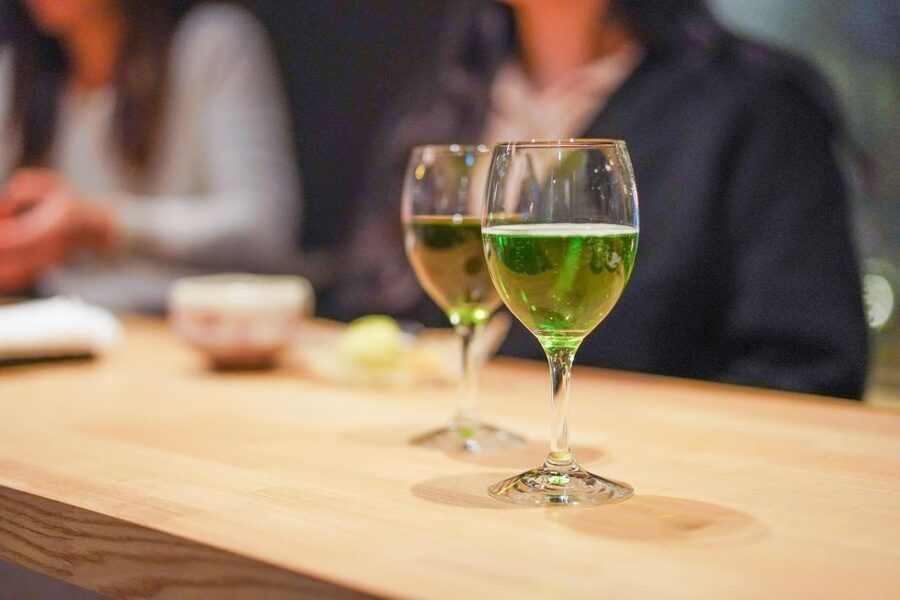
- 6 sake tastings with explanation, including Kiki sake made as three Kyoto varieties
- Pontocho Alley is a major course hub, so you will see the lantern-lit lanes between meal stops
- Cash is important, because many bars in this area do not take credit cards for add-ons
Gion after dark: why this food route feels different
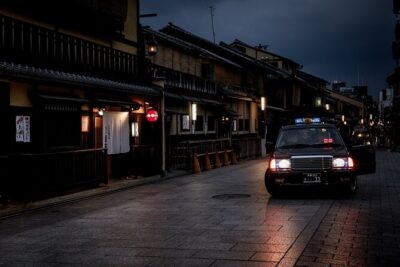
Kyoto is famous in daylight, but it is the evenings that help food make sense. Gion and Pontocho shift from daytime tourist vibes into something slower, more atmospheric, and more “locals handle it like this.” You also get a realistic chance to spot a geisha in passing, since the tour is designed around the areas where that can happen.
What I like about this format is that it is not only about eating. Your guide is sharing how locals spend an evening, how small restaurants fit into the neighborhood, and what to watch for as you walk. That matters because you stop treating dishes as just items on a menu, and start noticing seasonality, seasoning style, and the role sake plays with each plate.
You can also read our reviews of more food & drink experiences in Kyoto


Meeting at Izumo no Okuni and learning the Gion rhythm fast
You meet in front of the Izumo-no-Okuni statue at Gion Shijo Station, right outside exit 5. This is a practical start point because Gion Shijo is a central reference you can confirm quickly, even if your first train connection lands you a little frazzled.
From there, the tour moves on foot through Gion. You will see older Kyoto-style buildings as the guide sets context for what you are about to eat and where you are heading next. One of the best “value tricks” here is timing. Going at night means you are walking when small lanes feel more like living streets and less like photo backdrops.
This route is also a lesson in how Kyoto neighborhoods are organized. You are not just hopping from one restaurant door to another, you are learning the flow between them, including the jump to Pontocho Alley later.
Stop 1 in Gion: seasoned Kyoto appetizers in a place you would miss
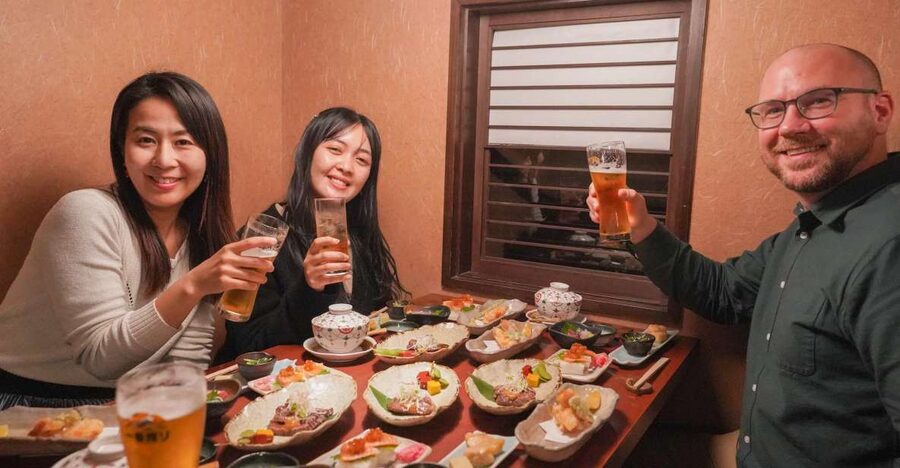
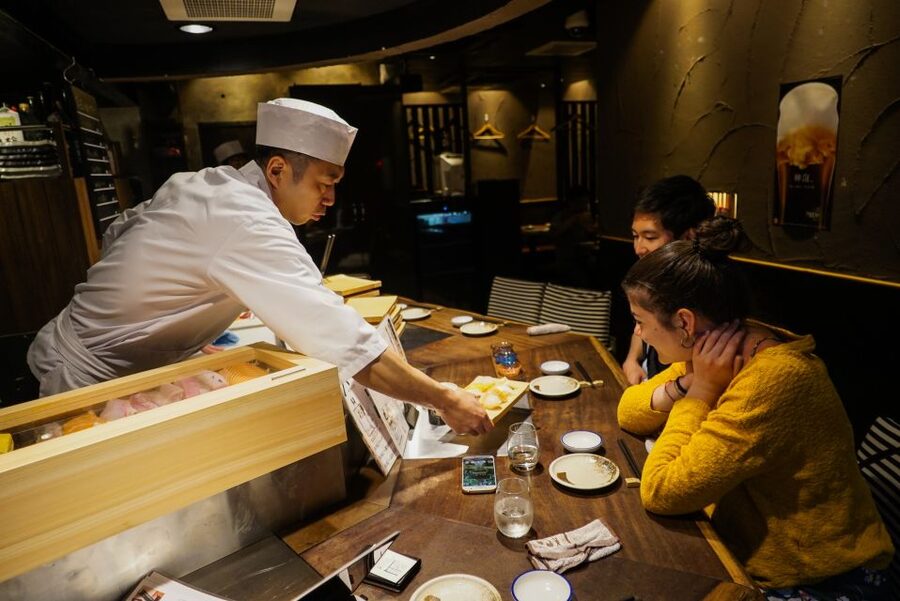
The first meal stop is a traditional restaurant in Gion, the kind you could walk past without noticing if you did not already know to look. The emphasis here is simple Kyoto flavors, paired with sake in a setting that feels like you are stepping into how the neighborhood eats.
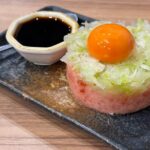
The food direction is classic: obanzai (Kyoto-style home cooking), oden (stewed comfort food), and yuba (tofu skin). The point is not just to sample variety. It is to taste Kyoto seasoning habits and tofu-and-broth balance that show up again and again across the city.
Pairing this with sake early is a smart move. You are not waiting until dessert to start learning what you like. You also get a baseline taste of the guide’s picks, so later dishes make more sense.
A small consideration: since this is a set course experience, you will not be able to choose your first plates. If you have strong dislikes for tofu products or specific stew styles, tell the guide what you can manage ahead of time.
Pontocho Alley dinner stop 1: plates that match the street mood
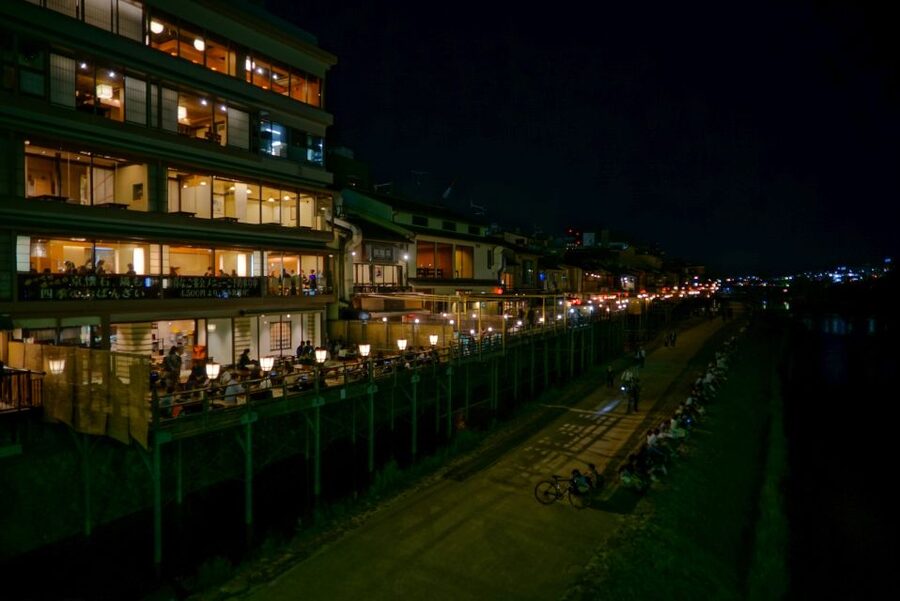
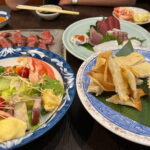
Next, the itinerary moves into Pontocho Alley for dinner, with about an hour here. Pontocho is one of those places where the lane itself becomes part of the meal. Lantern-lit streets, narrow entrances, and the sense that you are eating slightly “off the main circuit” makes the food feel more connected to place.
The tour keeps you moving between course moments, which helps you avoid the most common guided-food mistake: one long restaurant sitting that turns into logistics instead of enjoyment. With a set stop timing, you can pay attention to what you are tasting rather than checking the clock the whole time.
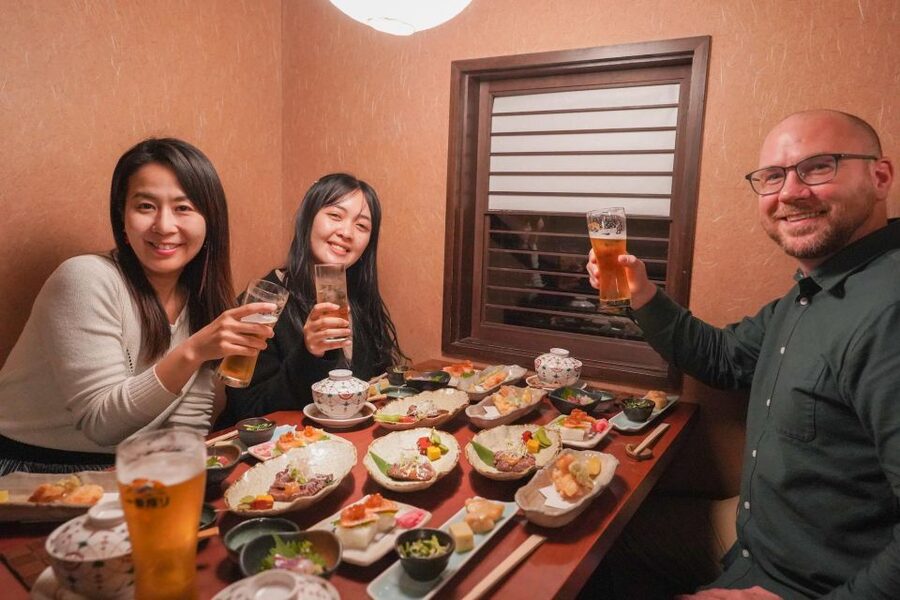
This is also where you get conversation value. One guide named Rika was praised for facilitating good discussion at the shared table, which is a big deal if you want the evening to feel social rather than strictly transactional. Even if your conversation style is quiet, sharing a table tends to make you pay attention to what others ask the guide.
Pontocho Alley dinner stop 2: expect variety, not just more food
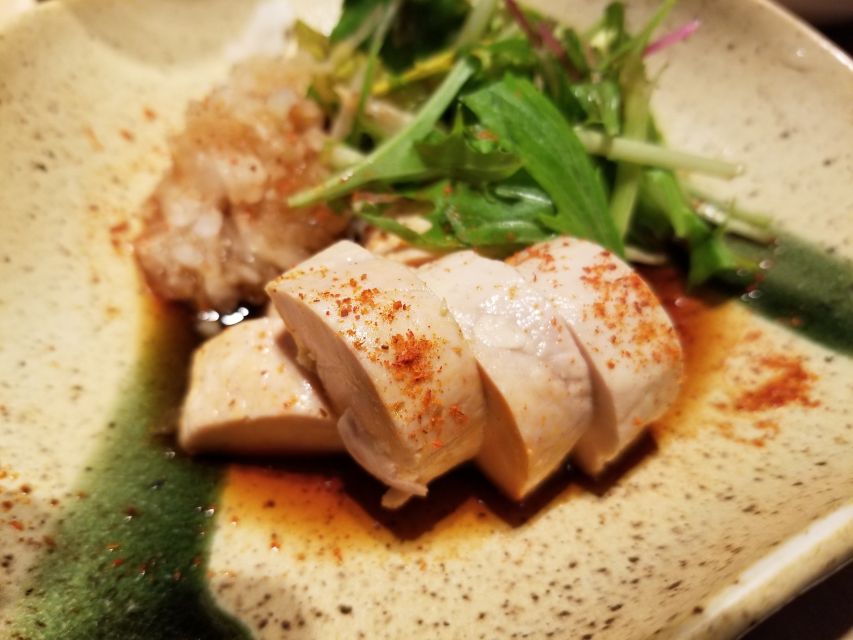
The next part of the itinerary keeps you in Pontocho Alley for another hour-long dinner stop. This second dining block is where you typically feel the difference between a “first impression” meal and a follow-up course. It is also where the tour design helps you keep pace and variety without waiting too long between tastings.
Here is the honest part. Not every course lands the same for everyone. One person said the first stop was amazing, while the second was less satisfying. That does not mean the tour is unreliable, it means you should go in with curiosity, not with a guarantee that every single dish will be a home run for your personal tastes.
Practical tip: be ready for dishes that lean Kyoto rather than international comfort. If you like seasoned, broth-based, and tofu-friendly flavors, you are in the right zone.
More Kyoto temple visits, food tours, tea experiences, and day trips to compare

Kiki sake tastings: how to read what you are being served
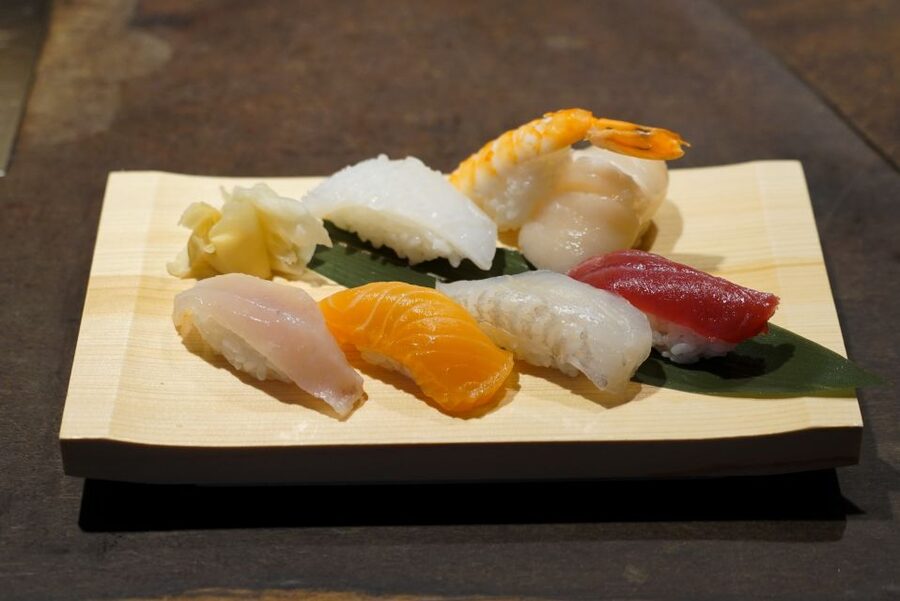
Sake is a major reason this tour can justify its price. You get 6 kinds of sake tastings, plus extra drinks during the meal flow (alcohol and non-alcohol options are available). The guide also explains what you are tasting, so you are not just sipping blindly.
One highlight is Kiki sake, which is presented as three different kinds of sake produced in Kyoto. That structure makes the tasting easier to follow. You can compare styles across one “theme” without your brain melting from too many unrelated types.
When you are tasting, try to connect flavor to food texture. Kyoto dishes here often rotate between light-but-seasoned plates and warming, savory elements like stew. Matching sake with that helps you notice sweetness balance, dryness, and how aroma changes as the meal progresses.
And if you do not usually drink sake, this is still a good entry point because the tour gives you guidance. The goal is understanding, not just getting tipsy.
Dessert in Gion: the last bite should feel like a closing scene
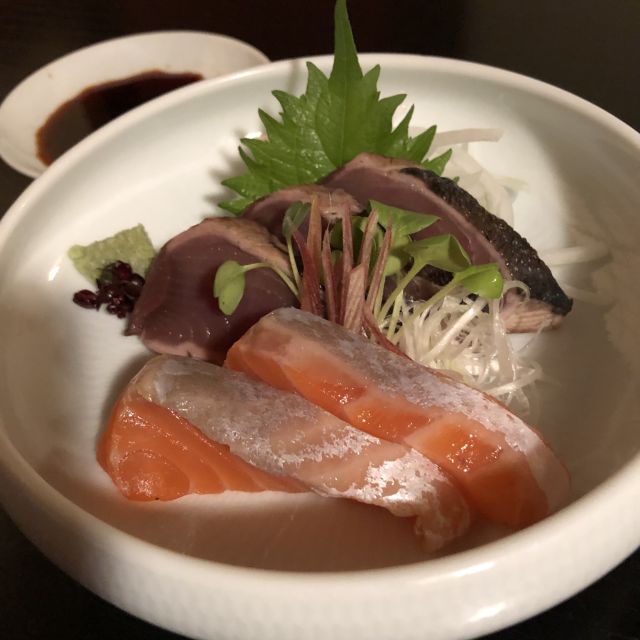
The tour ends with dessert in Gion, around the third hour mark of the experience. This is a nice way to finish because your last course happens back in the broader Gion setting, after you have tasted your way through dinner and sake.
Dessert is usually the most forgiving moment of any food tour, which is why it works as a finale. Even if some savory dishes miss your exact preferences, you still get a local finishing taste in a traditional building setting.
You also get a natural mental reset. After all the walking and multiple tastings, the dessert stop gives you a chance to slow down, sip water, and reflect on what stood out.
Price and value: is $361 really fair for 9 dishes plus sake?
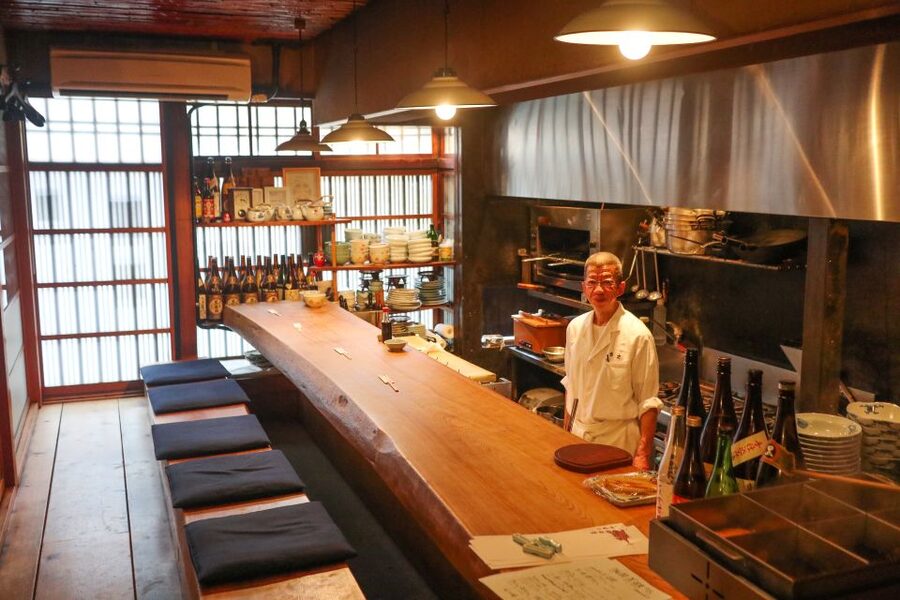
At $361 per person for a 210-minute tour, this is not a budget activity. The question is whether you are buying convenience, access, and explanation, or whether you would rather use that money to eat on your own.
Here is how the value math works if you love food tours:
- 9 dishes plus dessert means you are not paying separately for multiple meals across the evening
- 6 sake tastings with explanation is often the hardest part to recreate without a guide
- You are getting access to small spots in Gion and Pontocho that are hard to find
- You also get tour photos, which means you are not managing your own camera timing during a multi-stop walk
But there is another side. If you are a picky eater, or if you prefer building your own itinerary restaurant by restaurant, you may feel boxed in. That aligns with the criticism that someone felt it was not worth it and said they found better on their own. If you already have a solid plan for Kyoto food, this tour might feel expensive.
My practical take: this tour is best when sake and guided pacing are part of your goal. If they are not, you may get more satisfaction spending less and choosing a couple of favorite restaurants yourself.
Logistics that matter: cash, age rules, and how fast you will move
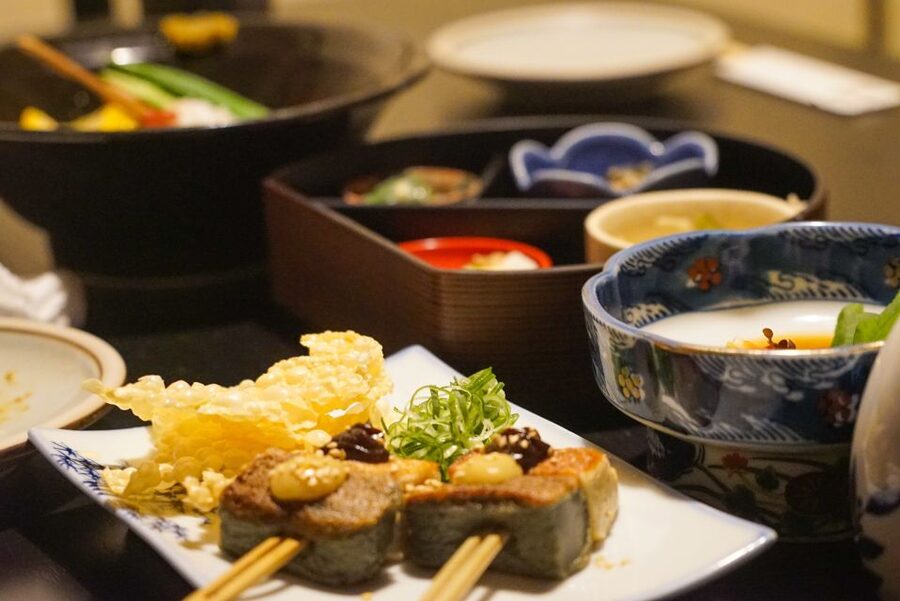
This experience is guided in English with a certified guide from MagicalTrip. It runs about 210 minutes, so you are looking at an active night, not a slow “sit and chat” evening. Stopping times are built around course meals, with walking between them, and the experience is not described as ideal for mobility issues.
Two practical notes you should not ignore:
- Bring cash for food and any extra drinks, because many of these small spots do not accept credit cards.
- Alcohol is only for guests over 20 due to Japanese laws, so plan for non-alcohol options if needed.
Dietary requests are handled carefully. You need to request dietary needs in advance, by the day before. Even then, the tour notes substitutions and allergy-free guarantees are not assured because kitchens are not the same and may not accommodate every request reliably.
Also, if you are visiting in summer, it can be hot and humid. Bring water and a hat, because walking between stops in direct heat can sneak up on you.
Who should book this tour?
This is a strong fit for you if:
- You want Kyoto flavors that are more “local style” than generic tourist sushi and ramen
- You like learning while eating, especially with sake explanations
- You enjoy walking in Gion and Pontocho at night and want someone to handle restaurant timing
- You are open to a set course, even if you do not know every dish yet
It may not be the best choice if:
- You need wheelchair or stroller accessibility, since some locations are not reachable
- You have strict allergies and need guaranteed allergen-free preparation
- You hate the idea of a fixed menu and prefer total control
Also, if you are traveling with friends and want a shared table experience, this format tends to create easy conversation. When the guide encourages discussion, the meal feels more like an evening with people than just a scheduled stop.
Should you book? My honest recommendation
I think this tour is worth considering if you are genuinely excited about Kyoto food style and sake, and if you want a guide to translate what you are eating. The best version of this experience is when the course lineup hits your tastes and the guide’s explanations make the pairing click.
If you are chasing a bargain or you are very sensitive to taste differences between stops, go in with eyes open. A set-course night can deliver major wins and the occasional miss, and at this price you should not assume every plate will be perfect for you.
So, should you book? If you want an organized night that gets you into Gion and Pontocho with real local pacing, yes. If you prefer to pick and choose restaurants yourself and you are not into learning sake, you may get more satisfaction spending less and building your own evening.
FAQ
Where do I meet the guide?
Meet the guide in front of the Izumo-no-Okuni statue at Gion Shijo Station, right outside exit 5.
How long is the tour?
The tour duration is listed as 210 minutes.
What food and drinks are included?
You get a dinner course with 9 dishes plus dessert, 6 kinds of sake tastings, and 2 drinks (alcohol and non-alcohol options are available). Tour photos are also included.
Is there an age limit for alcohol?
Yes. Only guests over 20 can drink alcohol due to Japanese laws.
Can I request dietary changes?
You can request dietary needs in advance (by the day before). Requests on the day of the tour cannot be accepted. Allergy-free preparation is not guaranteed, and substitutions may not always be possible.
Should I bring cash?
Yes. The tour notes that most bars do not accept credit cards, so you should bring cash for food, drinks, and any extras.
Is the tour wheelchair friendly?
No, it is not recommended for people with mobility issues, and some locations included in the itinerary are not accessible by wheelchair or stroller.
More Food & Drink Experiences in Kyoto
More Tours in Kyoto

More Tour Reviews in Kyoto
Not for you? Here's more nearby things to do in Kyoto we have reviewed

Gion & Geisha District Tours, compared.
 ★ 4.7Kyoto Geisha Walking Tour: Gion District & Hidden GemsFrom $253,273 reviews
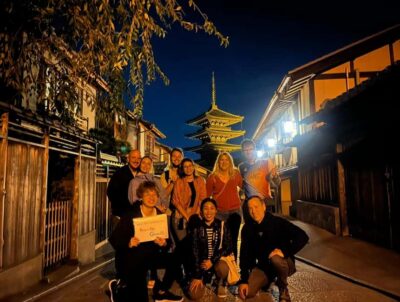 ★ 4.9Gion Magical Night Walking Tour with Geisha TriviaFrom $242,393 reviews
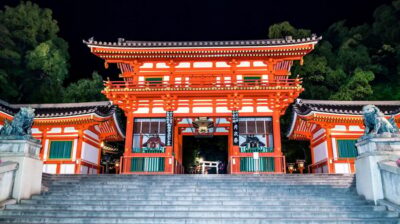 ★ 4.7Gion Geisha District Walking Tour – Stories of GeishaFrom $202,187 reviews
 ★ 4.9Best of Kyoto: Gion, Geisha, Pagodas & CobblestonesFrom $242,058 reviews
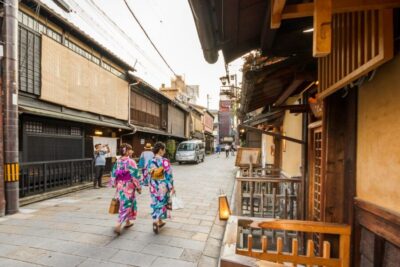 ★ 4.5Night Walk in Gion: Kyoto’s Geisha DistrictFrom $212,003 reviews
 ★ 5.0Kyoto Night Foodie Tour in Gion (9+ dishes + 6 Sake tastings)From $1631,762 reviews
 ★ 5.0Kyoto Gion Geisha District Walking Tour – The Stories of GeishaFrom $251,441 reviews
 ★ 5.0Kyoto Gion: 2-Hour Geisha Culture & History Walking TourFrom $231,186 reviews