
Reviewed · GION & GEISHA DISTRICT TOURS
Kyoto: Geisha Dinner & Gion Cultural Walk
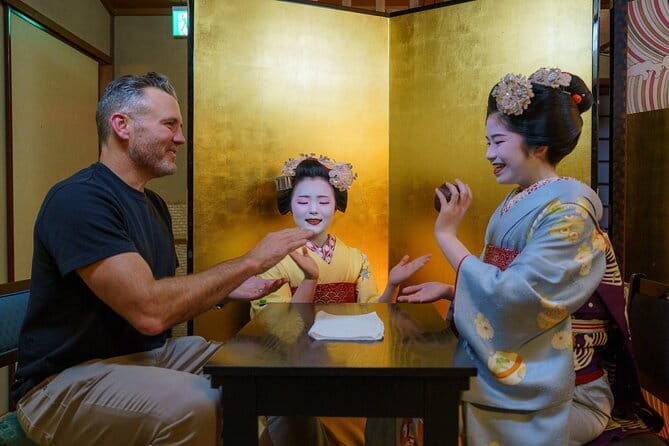
Gion looks different after dinner. This 3-hour Kyoto night blends a calm Gion walking tour with a sit-down kaiseki-style dinner plus traditional dances, music, and conversation with a geiko or maiko. I like that the timing gives you context before you see the arts up close, and I like that you spend real time with the performer, not just a quick cameo. One consideration, though, is that geiko or maiko attendance depends on availability, and the tour needs a minimum group size to run.
What makes it work is the human part. You get an English live guide who explains the customs and the behind-the-scenes demands of performance, and the dinner includes unlimited sake to keep the mood easy. The evening is designed to be relaxed and informative, so you can ask questions and actually understand what you’re seeing.
Key highlights to look for
- 40-minute Gion walk that sets the scene before the tea-house style meal
- 2 hours accompanied by a geiko or maiko, including dances, music, and conversation
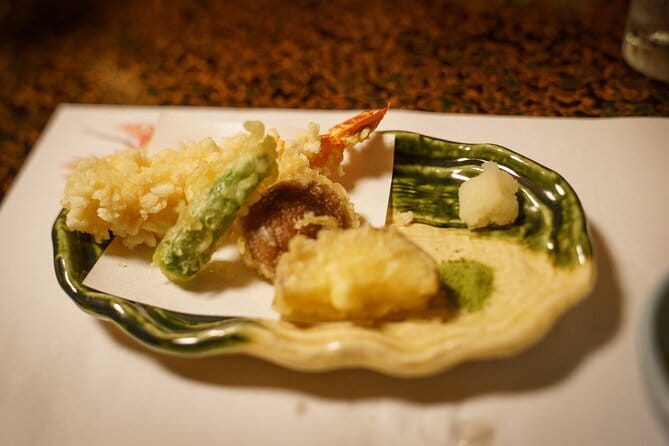
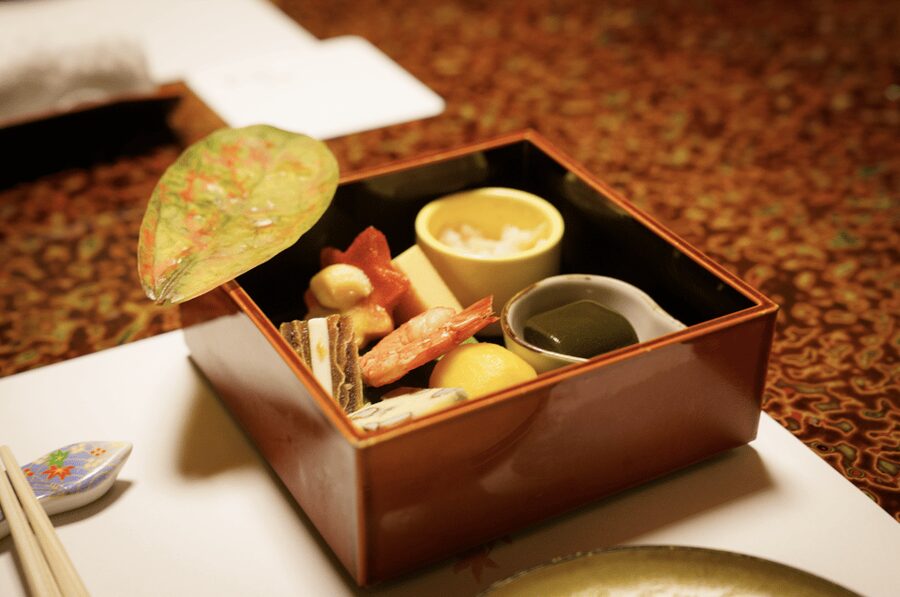
- kaiseki-style dinner that’s built for presentation and pacing
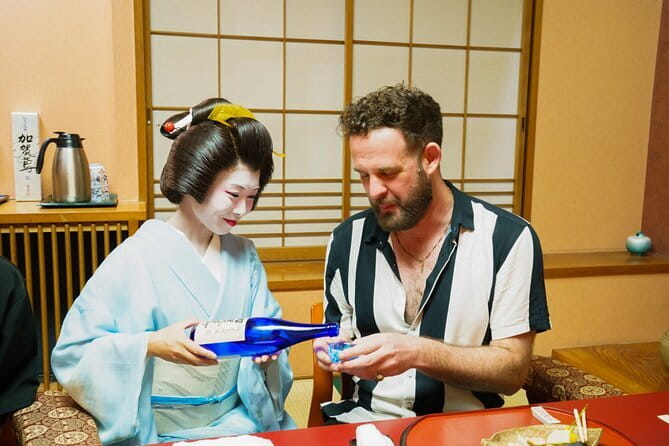
- Unlimited sake included, with extra food and drinks available separately
- English-speaking guide who connects etiquette, costume, and performance to Kyoto today
- Small-group feel that often makes questions easy and comfortable
Entering Gion from a starting point you can actually find
This tour starts at CACAO MARKET by MARIEBELLE KYOTO, which is a smart move for practical travel. In Kyoto, “meet at a shrine gate” plans can get messy fast. Starting at a named, easy-to-find place helps you get out the door and into the evening without stress.
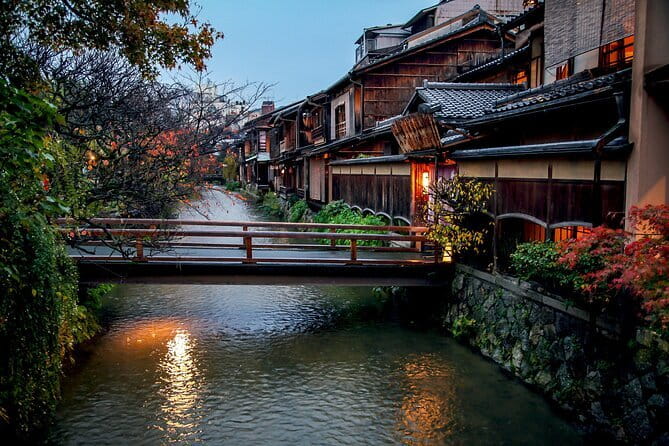
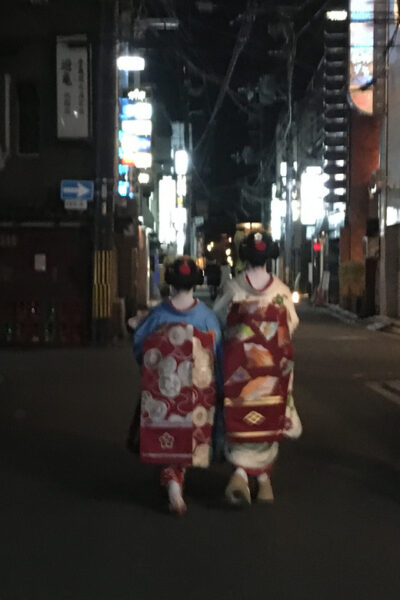
Then you head into Gion, where the vibe changes street by street. You’ll do a 40-minute guided walk, paced like a cultural stroll rather than a race to a photo spot. This part matters because geiko and maiko culture is tied to place. If you only arrive for dinner, Gion can feel like a postcard. The walk gives you the why behind what you’re seeing, like how the district’s layout supports the routines, privacy, and formality that performances rely on.
During this walk, your guide is there to translate more than signs. You get context for customs and everyday details, so the later experience lands better. If you’ve ever wondered why etiquette seems so specific in Japan, this is where the pieces start clicking into place.
You can also read our reviews of more walking tours in Kyoto

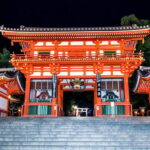
The 40 minutes in Gion: what it’s for and how to enjoy it
Think of the Gion walk as your warm-up, not your main course. It’s designed to help you read the district.
Here are the things you’ll likely notice when the guide has time to talk:
- Architecture and street atmosphere: you’re not just passing buildings, you’re learning what makes this area function socially and culturally.
- How formality shows up: how people behave, how the district “holds space,” and why discretion matters.
- Your own expectations: you’ll hear background that makes you less likely to misread what you see later at dinner.
Pace is a big deal here. Forty minutes is long enough for real explanations, but short enough that you don’t feel worn out before dinner. If you get tired easily at night, this timing is a win.
Also, keep your phone ready but not glued to your face the whole time. You’ll get better from this experience if you let yourself look up, listen, and keep questions for later.
Dinner in Kyoto: kaiseki, conversation, and the geiko or maiko presence
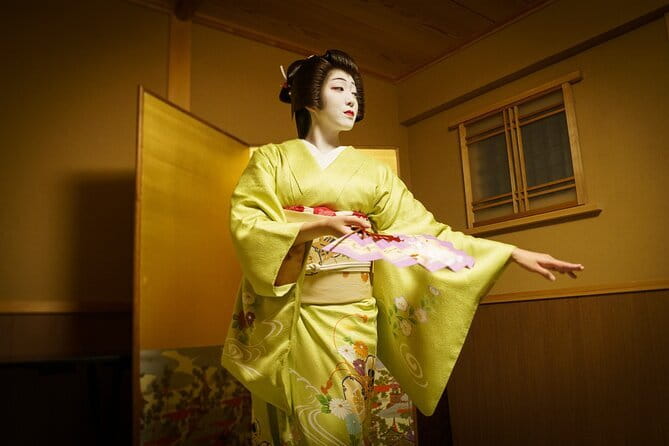
The main event happens at a local restaurant, with a guided experience running about 2.5 hours. This is where the evening becomes personal. You’re not just watching a performance in a theater setting. You share space with a geiko or maiko while your guide helps you follow the cultural meaning.
Included in the experience is 2 hours accompanied by the geisha, plus a kaiseki-style dinner. Kaiseki is not random fancy food. It’s built as a sequence, paced to match conversation and ceremony. You’ll also get unlimited sake, which means the dinner doesn’t feel like a stiff, clock-watching meal.
What you should expect from the performer part:
- traditional dance and movement
- music that fits the setting
- refined conversation, guided by your tour team so you can ask questions
In multiple guide-led evenings, the performer is also described as willing to answer questions openly, including questions visitors usually don’t know how to ask. That’s the big advantage of this format. Your guide helps you steer from curiosity into understanding, so you don’t leave with a pile of vague impressions.
One more practical point: your dinner experience is not only about food. The meal is the platform. If you treat it like a normal “eat and go” restaurant stop, you’ll miss half the value.
Food and drinks: what you get, and what to plan for
The dinner is kaiseki-style, and sake is included without a per-drink limit. What’s not included is extra food and extra drinks beyond what’s part of the package.
So, how do you handle this in real life?
- Start with sake early if you like the included pairing vibe, but pace yourself.
- If you have specific drink preferences, be ready to pay extra for anything outside the included plan.
- Save room for the sequence. Kaiseki courses can be more filling than they look.
Also, if you’re the type who wants to know exactly what you’re eating, ask your guide to help translate what’s on the table. Some diners wish they had more explanation during the meal, so you’ll get extra value by requesting it while you’re there.
How the guide shapes the whole evening
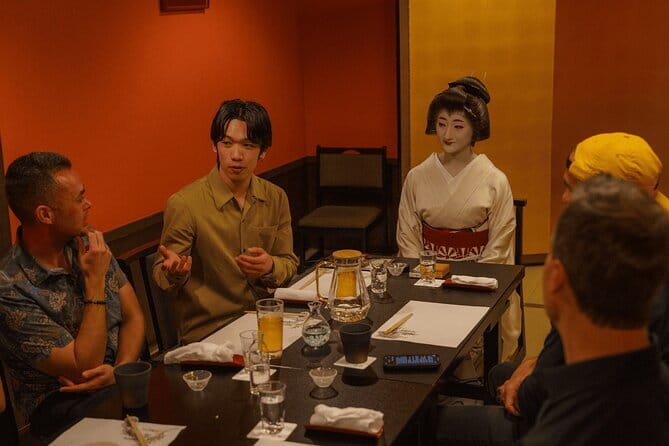
A dinner with a performer can be either magical or confusing, depending on context. This tour’s edge is the live English guide who explains what you’re seeing and what it means.
Different evenings have different guides, and the names showing up in highly rated experiences include Endy, Taiga, Taïga, Andi, Takuma, Tomoko, Moto, and Soma. The consistent theme in these accounts is not just facts. It’s how the guide uses that knowledge to help you read the culture in real time.
Here’s what I think you’ll value most from a strong guide on this kind of night:
- Setting expectations before the performer appears
- Explaining the social role of geiko and maiko, and why training affects every gesture
- Helping you ask better questions, so your curiosity turns into real learning
- Keeping the tone respectful but friendly, with humor when it fits
One example of the kind of detail that elevates the evening: guides are described as explaining how performance training and scheduling works, including class time tables. That kind of information makes the performances feel like a craft, not just a show.
More Kyoto temple visits, food tours, tea experiences, and day trips to compare



Geiko vs maiko: what your evening is likely to show
Kyoto calls different performers by different names. In simple terms, you might meet a geiko (a seasoned professional) or a maiko (an apprentice). This tour includes a geisha experience, but attendance depends on availability.
That’s important because your evening could lean slightly different depending on who you meet. In some accounts, the performer is described as charming, with a mix of conversation, dance, and even a game where you get involved. In other evenings, you may see more of the structured performance elements.
How to think about this before you go:
- Don’t build the night around one single expectation.
- Treat it as an encounter with Kyoto’s performing tradition, guided by someone who can translate the meaning.
- Ask questions about the performer’s path and responsibilities, because that’s where you’ll get the most insight.
Again, attendance depends on availability. If a geiko or maiko can’t be arranged, the operator states they will inform you as early as possible.
The logistics that matter: timing, pace, and where you end up
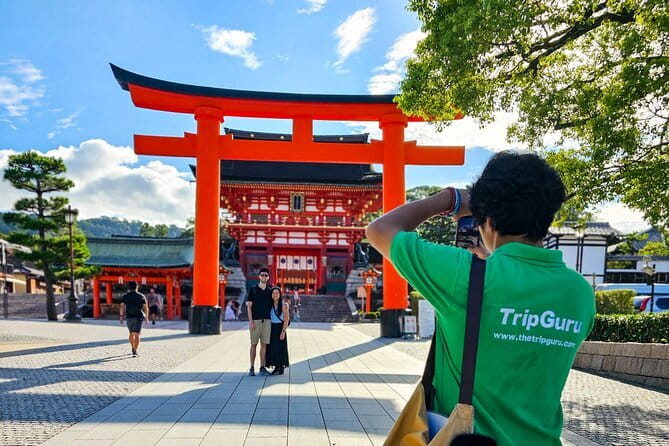
The total duration is about 3 hours, which is ideal for a Kyoto evening. Long tours can turn into fatigue traps, and fatigue is the enemy of a ceremony-like night. Three hours lets you walk, eat, and connect without feeling like your day has been swallowed.
You’ll also finish at FamilyMart. That’s a surprisingly helpful detail. In Kyoto, after dinner, you want an easy “anchor” for your next plan, whether it’s heading to your hotel, grabbing a late snack, or syncing up with your travel group.
Group size is a factor you should understand up front. The tour requires a minimum of 4 participants. If the tour can’t reach that number close to the date, the operator says operating the tour may become difficult. Private group options are also available, which can be a better fit if you want more control over the pacing of questions.
Value check: is $257 per person worth it
At $257 per person, this isn’t a bargain. It’s priced like a special evening, because it includes several things that add up fast if you try to DIY them.
Here’s what you’re paying for in practical terms:
- A structured Gion walk with a guide who can explain the district in context
- A guided restaurant experience (2.5 hours total with a large chunk focused on the performer)
- 2 hours accompanied by a geiko or maiko, which is the core value here
- kaiseki-style dinner plus unlimited sake included
- English interpretation so you’re not stuck guessing
If your goal is to see a performer from a distance, you can find cheaper options in Kyoto. But if you want guided understanding, longer interaction, and a dinner format that matches the cultural setting, the price starts to make sense.
Also, the best value comes when you treat it like learning time. Ask questions. Pay attention to the guide’s explanations. If you come in expecting only food and photos, you’ll feel the cost more sharply.
Who should book this, and who might skip it
I’d point this toward people who:
- want a guided cultural experience rather than a quick sightseeing stop
- enjoy asking questions and learning how traditions work behind the scenes
- like thoughtful dining, especially a kaiseki-style meal
- want an evening that feels formal without being stiff
You might skip it if:
- your main goal is bargain pricing, because this is premium-culture pricing
- you dislike structured experiences and prefer free roaming only
- you’re sensitive to the fact that geiko or maiko attendance is availability-dependent
If you’re visiting Kyoto with one “must-do” culture night, this is the kind of pick that can anchor your trip emotionally, because it gives you context, time, and conversation in one package.
Should you book the Kyoto Geisha Dinner & Gion Cultural Walk?
I think you should book it if you want the full package: a Gion walk that sets context, a real kaiseki dinner, and enough time with a geiko or maiko to ask questions and understand what you’re seeing. It’s also a good choice if you prefer an English-speaking guide who can turn etiquette and performance into clear, human explanations.
If you’re booking with flexibility, keep in mind the two big variables that can affect your night: the tour needs a minimum group size, and geiko/maiko attendance depends on availability. If those parts line up, this is one of the more meaningful Kyoto evenings you can plan, not because it’s flashy, but because it’s structured for understanding.
FAQ
How long is the Kyoto Geisha Dinner and Gion Cultural Walk?
The tour lasts about 3 hours.
Where does the tour start and where do you finish?
It starts at CACAO MARKET by MARIEBELLE KYOTO and finishes at FamilyMart.
What’s included in the dinner?
You get a kaiseki-style dinner, plus the guided restaurant experience.
Is sake included?
Yes. Unlimited sake is included. Extra drinks and extra food are not included.
Is the performer attendance guaranteed?
No. Depending on availability of Geiko and Maiko, they may not be able to arrange their attendance. If that happens, they will inform you as early as possible.
What language is the tour guide?
The live tour guide is in English.
Is there a minimum number of participants?
Yes. This group tour requires a minimum of 4 participants. If fewer people sign up close to the date, it may be difficult to operate.
What is the cancellation policy?
Free cancellation is available up to 14 days in advance for a full refund.
More Dining Experiences in Kyoto
More Walking Tours in Kyoto


More Tour Reviews in Kyoto

Not for you? Here's more nearby things to do in Kyoto we have reviewed






Gion & Geisha District Tours, compared.
 ★ 4.7Kyoto Geisha Walking Tour: Gion District & Hidden GemsFrom $253,273 reviews
 ★ 4.9Gion Magical Night Walking Tour with Geisha TriviaFrom $242,393 reviews
 ★ 4.7Gion Geisha District Walking Tour – Stories of GeishaFrom $202,187 reviews
 ★ 4.9Best of Kyoto: Gion, Geisha, Pagodas & CobblestonesFrom $242,058 reviews
 ★ 4.5Night Walk in Gion: Kyoto’s Geisha DistrictFrom $212,003 reviews
 ★ 5.0Kyoto Night Foodie Tour in Gion (9+ dishes + 6 Sake tastings)From $1631,762 reviews
 ★ 5.0Kyoto Gion Geisha District Walking Tour – The Stories of GeishaFrom $251,441 reviews
 ★ 5.0Kyoto Gion: 2-Hour Geisha Culture & History Walking TourFrom $231,186 reviews
Browse the lists this tour appears in