
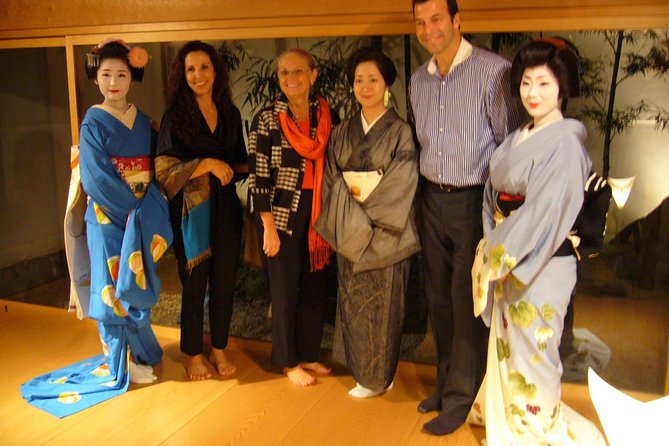
Reviewed · GION & GEISHA DISTRICT TOURS
Private Dinner with a Geisha
Kyoto at night is a different city. This is one of the few ways to spend it with a geiko or maiko in a private setting, not just watch from the sidelines.
Two things I especially like: the guided walk through Gion with cultural context, and the chance to talk one-on-one over a traditional kaiseki-style meal. One thing to weigh first is the food, because this is a set-style Japanese dinner that may include seafood and other traditional dishes, so picky diets can be a challenge.
The experience starts at 5:00 pm near Minamiza Kabuki Theatre and turns into a dinner where you get conversation plus performance. You’ll be expected to behave respectfully, since the operator notes these traditions are not for disrespectful behavior.
Key things that make this geisha dinner special
- A private Gion intro with an English-speaking cultural guide before you eat
- Conversation with a geiko or maiko that goes beyond what’s usually possible in public
- Dinner-time entertainment with singing, music, and dance
- Kaiseki-style courses (tempura, seafood, vegetables) that are built for a full evening
- Tea house option adds drinks like sake and beer (subject to age rules)
- Your group only in a private tour format, so the pacing and tone are controlled
Why a private geiko or maiko dinner feels different in Kyoto
Kyoto has plenty of cultural performances. What’s rare here is the mix of a proper district introduction plus an intimate dinner with a geiko or maiko present. You are not just there to watch. You’re there to learn the meaning behind the traditions, ask questions, and see how performance and daily life intersect.
The Gion walk matters more than it sounds. A lot of people arrive in Gion, take a few photos, and call it done. With a guide, you get context for what you’re seeing, why houses and streets matter, and how the geiko and maiko world fits into modern Kyoto. That makes the dinner feel like part two of a story, not a separate event.
And then there’s the human factor. When you sit down and chat, you’re picking up details that don’t exist in a stage script. In this kind of event, you also tend to get interactive moments, like answering questions and participating in simple games, which helps the evening feel personal rather than rigid.
You can also read our reviews of more private tours in Kyoto


Meeting at Minamiza Kabuki and your 5:00 pm start
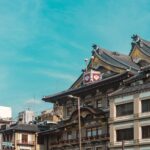
You meet at the front area of Minamiza Kabuki Theatre, specifically the main gate facing Shijo street. The start time is 5:00 pm, which is a smart choice in Kyoto. It gives you daylight for walking, then an early evening transition into dinner time.
This also means you’re not trying to cram geisha culture into a late-night scramble. If you like having a plan and knowing you won’t be rushed, that early evening start helps. It’s also close to public transportation, so you are not locked into a long taxi ride.
The tour ends back where you start, which is useful after a full dinner. You won’t have to solve Kyoto logistics when you’re already tired and pleasantly full.
The Gion walk: what the guide helps you notice
Before dinner, the format you choose at checkout affects the exact pacing and venue, but the core idea is the same: you head through Gion, Kyoto’s historic geisha district, with an English-speaking guide.
This walking portion usually sets the tone in three ways:
1) You learn names and roles (geiko, maiko) in a grounded way, not as vague folklore.
2) You get street-level context, like why the district looks the way it does and how traditions are maintained.
3) You arrive at the dinner location already knowing what to ask, so the conversation doesn’t feel awkward.
One practical tip for you: go into the walk with at least one question. Since you’ll be meeting a geiko or maiko later, it helps to ask about things you noticed during the walk, like how attire and daily routines fit into the world you’re seeing.
If you’re hoping for lots of space to move around, note that a walking group can feel tight if the group is large. The walk is short-to-moderate in length, but you are still moving through narrow streets, so comfy shoes are a must.
Kaiseki dinner in a private room: what to expect
After the walk, you head to a Japanese restaurant or tea house for a traditional, kaiseki-style meal. The meal is described as a half or full kaiseki menu, with multiple courses that typically include tempura, seafood, and vegetables.
Here’s why this matters for your planning. Kaiseki is not fast food. It’s structured, course-by-course, and designed to be eaten slowly with conversation. If you’re expecting quick service or a short meal, this can feel longer than you think.
Private tea house option: drinks you should know about
If you select the private tea house option, drinks are included in addition to the meal. The description calls out sake and beer. Japan’s minimum drinking age is 20, so if your group includes anyone younger, the safe bet is to plan around that.
If you do not choose the tea house option, the dinner still happens, but drinks are not included. The data says drinks can be purchased.
More Kyoto temple visits, food tours, tea experiences, and day trips to compare


Food reality check: set menu, traditional flavors
The dinner is traditional by design. Even when the evening includes great hospitality, you should treat the food as part of the cultural experience, not something you can freely customize. Dietary requirements can be provided at booking, but the structure is still described as kaiseki, and the menu is set-style.
So, ask yourself this before booking:
- Are you comfortable with traditional Japanese courses that may include seafood?
- Are you okay with courses that you might not fully recognize?
- Do you have allergies or strict dietary needs that require more flexibility than a set menu can provide?
If you are a very picky eater or have strong restrictions, you may find this part less enjoyable. The upside is that many people book this specifically for the chance to experience kaiseki in an authentic, respectful setting.
Meeting a geiko or maiko: conversation, questions, and manners
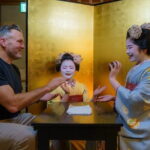
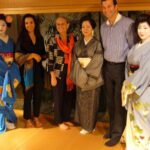
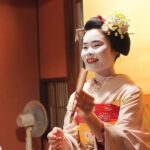
This is the heart of the experience. During dinner, a geiko, maiko, or both entertain you with singing, musical instruments, and dancing. In addition, you get time to talk with them, including learning personal and professional traditions that are not shown in public.
What I think makes the conversation valuable is the pairing with a guide. The guide helps you understand context, and they translate when needed. That means you can ask better questions, instead of relying on guesswork.
Practical advice for you:
- Keep your questions respectful and specific, like how training shapes daily life, what certain traditions mean, or how the performance side fits into the person.
- Be mindful with cameras and phone behavior. You want to be present, not an obstacle.
- Be patient if the performance space feels limited. The point is presence and interaction, not a huge stage setup.
Also, remember that this is described as a tradition-introducing event reserved from public access. The operator says they can refuse service to passengers who do not respect traditions with proper manner. That’s not just legal language. In this kind of evening, your attitude affects how smooth everything feels.
Performance during dinner: how the evening rhythm works
The evening isn’t only conversation. It’s also a dinner-time program. You can expect entertainment during the meal, including dancing, singing, and live musical moments.
One thing to set expectations about: performance time can feel brief compared to a full show. You may get only a few minutes of dance, plus music and interactive moments like games. That can be a plus if you want an evening that stays focused on conversation. It can be a downside if you’re expecting a long, uninterrupted performance block.
In other words, this is a dinner where performance is woven into the meal, not a theatre-style production that runs on a separate schedule.
Price and value: is $381.49 per person worth it?
At $381.49 per person for an approximately 3 hours 30 minutes experience, this isn’t a budget dinner. So the real question is value for your priorities.
Here’s how I think about it:
- You are paying for access. Meeting and interacting with a geiko or maiko in a private, structured setting is the expensive part. Public performances are one thing. This is another tier.
- You are paying for guidance. The English-speaking cultural guide adds meaning to what you see and helps you ask better questions.
- You are also paying for dinner. Kaiseki is multi-course, and the tea house option can include drinks.
The value becomes strongest if:
- You want a once-per-trip experience tied to Gion.
- You care about understanding traditions, not just taking photos.
- You’ll enjoy seafood and traditional Japanese courses.
The value weakens if:
- You mainly want a performance and prefer longer show time.
- You’re uncomfortable with a set-style dinner menu.
- Your group has strict dietary needs that require easy substitutions.
If you fall into the first group, this price can make sense fast, because you’re effectively buying the combination of access, translation, and the setting. If you fall into the second group, you might feel disappointed even if the entertainment is beautiful.
Who should book this Kyoto geisha dinner, and who might skip it
This tour fits best for you if you:
- are fascinated by geiko and maiko culture and want to learn how the profession works
- enjoy a guided walk and like arriving ready for conversation
- want a special dinner with more interaction than a typical restaurant evening
- can comfortably enjoy a multi-course kaiseki meal
You might think twice if you:
- have strong dietary restrictions beyond what a set menu can handle
- want a very casual evening with no structure
- dislike seafood or traditional Japanese dishes
- expect a long, theatre-style performance block
If you’re traveling with teens or adults who are curious, it can be a great family milestone. But if kids are in the group, note that children must be accompanied by an adult, and alcohol rules apply.
Should you book Private Dinner with a Geisha?
If your goal is an authentic Kyoto evening with a geiko or maiko you can actually talk to, I’d say yes, book it. This is the kind of experience that lives in your memory because you’re not just watching tradition, you’re learning its context while it happens.
But be honest about food. If you can handle seafood-forward, traditional courses, you’ll likely feel the most satisfied. If you need flexible menu options, you should weigh the risk and clearly share dietary needs at booking.
My advice: treat it as a culture dinner, not a restaurant reservation. If you show up respectful, curious, and ready for a structured evening, you’ll get a Kyoto story that feels unusually close and human.
FAQ
What time does the experience start?
The tour starts at 5:00 pm. It meets at the front of Minamiza Kabuki Theatre facing Shijo street.
How long is the private geisha dinner experience?
It lasts about 3 hours 30 minutes (approx.).
Is this a private tour?
Yes. It is listed as a private tour/activity, and only your group participates.
What happens during the Gion portion?
Depending on the option chosen, you’ll take a guided walking tour through Gion, the historic geisha district, with an English-speaking cultural guide before you go to the dinner or tea house.
What is included with dinner?
Dinner is included and is described as a half or full kaiseki meal, with multiple courses that may include tempura, seafood, and vegetables. A geiko, maiko, or both entertain during the meal.
Are drinks included?
Drinks are included only if you choose the private tea house option. The description specifies sake and beer for that option. Otherwise, drinks are available for purchase.
What is the minimum drinking age?
The minimum drinking age is 20 years in Japan.
Can you accommodate dietary requirements?
You should advise any dietary requirements at time of booking. The tour information says dietary needs can be provided, but the dinner is still described as a traditional kaiseki-style meal.
Is the experience refundable if I cancel?
No. The experience is non-refundable and cannot be changed for any reason.
What rules apply for behavior during the event?
The operator states they can refuse service to passengers who do not respect the traditions with proper manner. If the tour is canceled due to that, you will not receive a refund.
More Dining Experiences in Kyoto
More Private Tours in Kyoto


More Tour Reviews in Kyoto

Not for you? Here's more nearby things to do in Kyoto we have reviewed


Gion & Geisha District Tours, compared.
 ★ 4.7Kyoto Geisha Walking Tour: Gion District & Hidden GemsFrom $253,273 reviews
 ★ 4.9Gion Magical Night Walking Tour with Geisha TriviaFrom $242,393 reviews
 ★ 4.7Gion Geisha District Walking Tour – Stories of GeishaFrom $202,187 reviews
 ★ 4.9Best of Kyoto: Gion, Geisha, Pagodas & CobblestonesFrom $242,058 reviews
 ★ 4.5Night Walk in Gion: Kyoto’s Geisha DistrictFrom $212,003 reviews
 ★ 5.0Kyoto Night Foodie Tour in Gion (9+ dishes + 6 Sake tastings)From $1631,762 reviews
 ★ 5.0Kyoto Gion Geisha District Walking Tour – The Stories of GeishaFrom $251,441 reviews
 ★ 5.0Kyoto Gion: 2-Hour Geisha Culture & History Walking TourFrom $231,186 reviews
Browse the lists this tour appears in