
Reviewed · GION & GEISHA DISTRICT TOURS
Kyoto: Half-Day Private Guided Tour to the Old Town of Gion
Gion on foot is Kyoto in miniature. This half-day private guided tour strings together the classic old-town scenes you came for, from the Kamo River promenade to the shrine lanes and the charming backstreets around Hanamikoji. It is 3 to 4 hours, paced as a walk so you can actually see how the neighborhood works, not just snap a few photos and rush away.
I especially like two things. First, the walk starts with the Kamo River area, where you get a more local feel before you step into the postcard streets. Second, the route follows Kyoto’s traditional vertical layers, from shrine and temple grounds to the sloped lanes of Sannenzaka and Ninenzaka, then out to the seasonal break at Maruyama Park.
One thing to consider: it is a walking tour through busy, scenic streets. In peak bloom times it can get crowded, and the old-town lanes include slopes and steps, so comfy shoes matter.
Key highlights to plan around
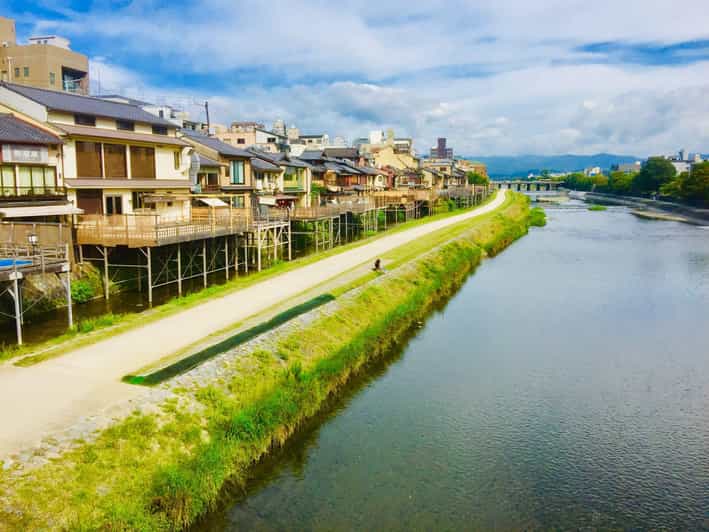
- Kamo River orientation first, so Gion makes more sense once you start climbing into the old streets
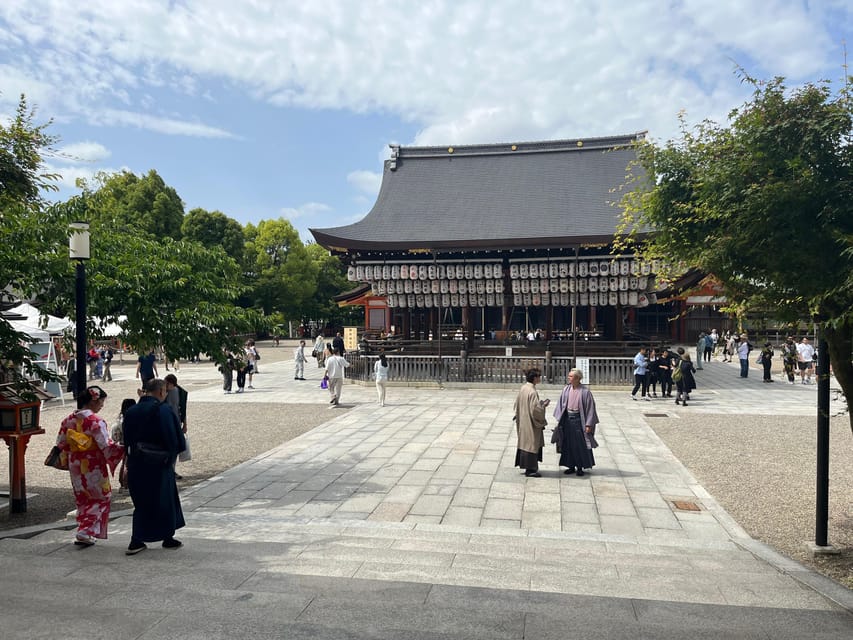
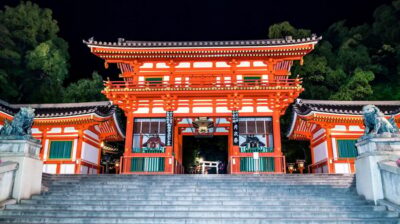
- Yasaka Shrine visit with background on its long history dating back to the 7th century
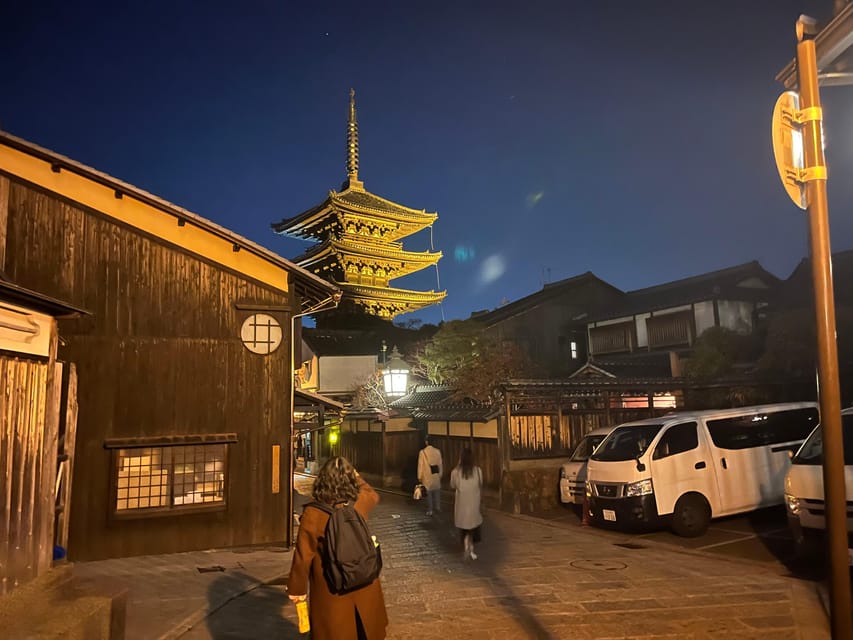
- Sannenzaka and Ninenzaka lanes where you’ll see traditional Kyoto street life in close range
- Maruyama Park for seasonal color, especially cherry blossoms in spring or leaves in autumn
- Hanamikoji Street with kyomachiya houses, a time-bending walk through old Kyoto architecture
- A finishing stroll toward Pontocho, giving you another angle on the river area
Starting at Kyoto Sanjo-ohashi Bridge, and why that meeting point helps
You start at Starbucks Coffee Kyoto Sanjo-ohashi Bridge. That sounds like a small detail, but it is actually useful. Kyoto can feel big and confusing at first, and a very obvious meeting point helps you keep your bearings instead of spending your precious guided hours hunting for your group.
From there, you’re set up for an easy beginning along the river side. Even if you arrive early, you’re close enough to take a breath and watch the flow of locals heading out for errands or casual walks.
This tour is private, so you can move at a pace that fits your group. If you want to slow down for photos, ask a few extra questions, or take a short rest near a walkway, you’re not squeezed into a big crowd schedule.
You can also read our reviews of more guided tours in Kyoto

Kamo River promenade, then Shirakawa Street into old Gion
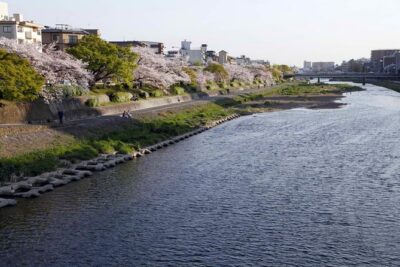
The first stretch follows the Kamo River, one of Kyoto’s most enjoyable “wake up and walk” spaces. This is where you start seeing the neighborhood as people actually experience it: foot traffic, small moments of everyday life, and the relaxed rhythm that makes Kyoto feel calmer than many cities.
Then you shift into Shirakawa Street, which marks the entrance to the Gion neighborhood. This turn is the kind of moment I like on guided walks. You go from the broader city mood into the tighter, more traditional street feel, so the neighborhood change is obvious right away.
Practical tip: since this is a walking tour, your “lightly layered” outfit wins. Kyoto weather can shift quickly, and you will appreciate being able to adjust while you’re moving for hours.
Yasaka Shrine (7th century roots) and a respectful way to look
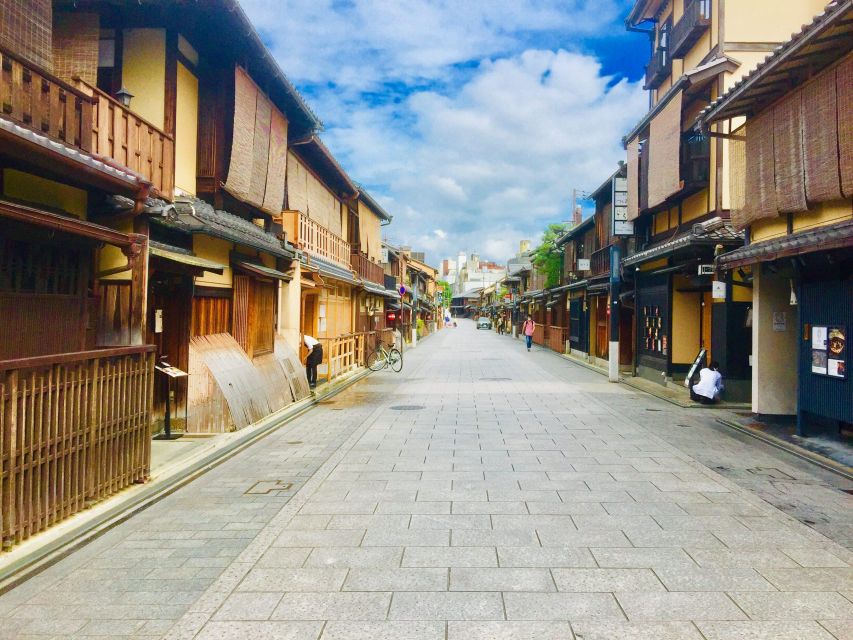
Next comes Yasaka Shinto Shrine, described as a sacred site dating from the 7th century. Even if you know little about Shinto, a guide helps you notice what matters: where worship happens, how the space feels, and why certain aspects of the shrine area hold meaning.
What I like about this stop is that it changes the pace. After the river promenade, you step into a space that encourages a quieter, more mindful kind of sightseeing. You also get a cultural frame for what you’ll see next. Gion is not only architecture and streets, it is tied to long-standing religious and community traditions, and that context makes the rest of the walk more than a photo tour.
If you have time and energy, pause for a moment and just observe. A guided visit is more effective when you let the location do some work for you.
Sannenzaka and Ninenzaka slopes, classic Kyoto streets up close
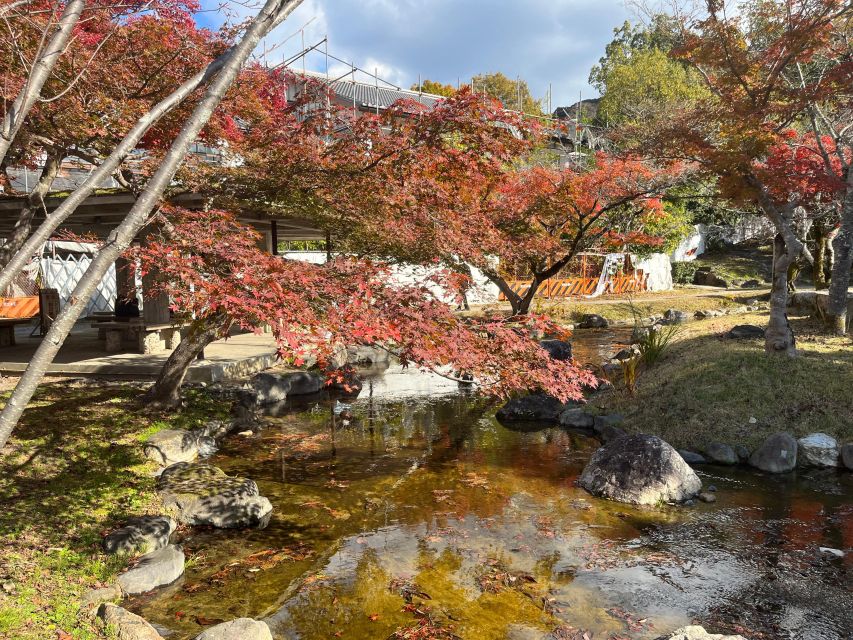
Then you head through the old-town lanes: Sannenzaka and Ninenzaka. These are the streets most people think of when they imagine Kyoto’s traditional atmosphere, and the guide’s job is to help you notice details beyond the obvious.
In practical terms, this is where you get the “wow, Kyoto looks like Kyoto” feeling up close, because these lanes bring you into contact with the textures of the neighborhood: narrowness, stone paths, old storefront rhythms, and the way buildings hug the street.
Consideration: these streets include slopes and steps. Even on a half-day plan, your legs notice. If you’re sensitive to walking on uneven stone or stairs, plan breaks when you can and keep your pace steady. The good news is that you’re not doing a marathon. You’re doing a concentrated taste of the old lanes, with guiding to keep you oriented.
Maruyama Park for nature breaks and seasonal beauty
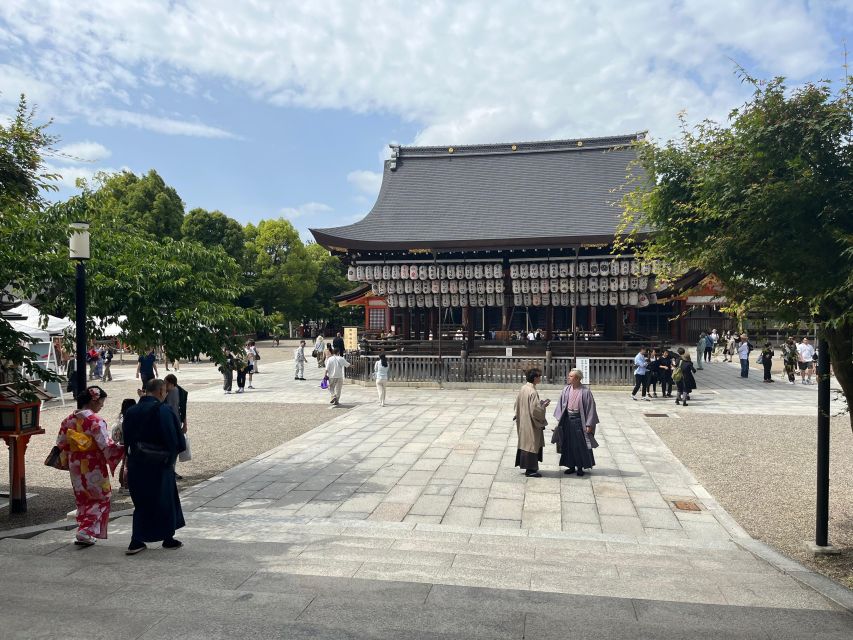
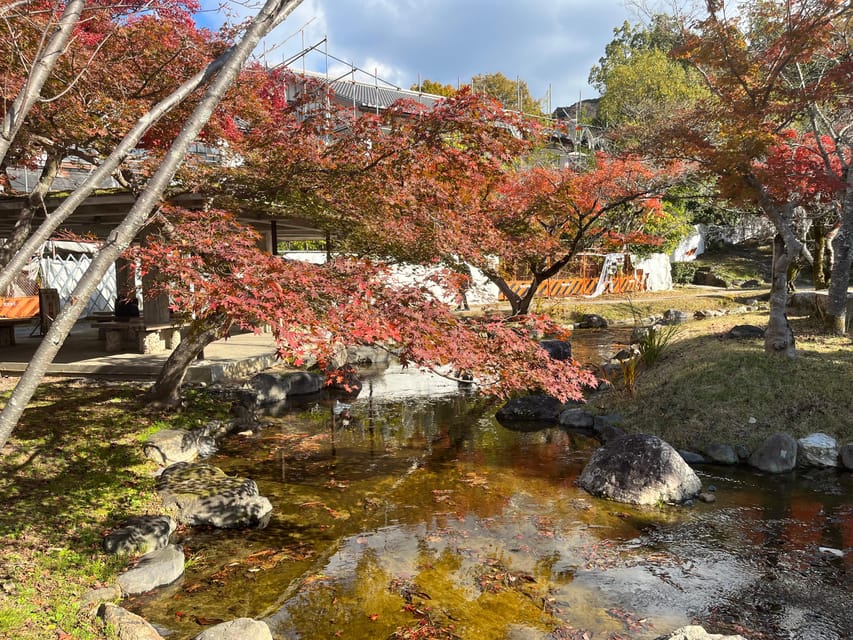
After the dense street scenes, you pass through Maruyama Park. This is a key stop because it gives you breathing space. Even if you travel mainly for architecture and streets, parks matter in Kyoto. They add air, open views, and a calmer rhythm that helps the whole day feel balanced.
The seasonal notes are especially useful for planning: flowering cherry trees in spring or autumn leaves in fall. The park becomes less about “finding a view” and more about resting while the city shows a different mood.
If you’re visiting in peak sakura season, go into the park expectation with realistic eyes. It may be crowded, but you’re also in the season that makes this area famous for a reason. In any season, even without peak flowers, it is a welcome change from lane to lane walking.
You can also read our reviews of more private tours in Kyoto


Hanamikoji Street and kyomachiya, where the old-town feeling clicks
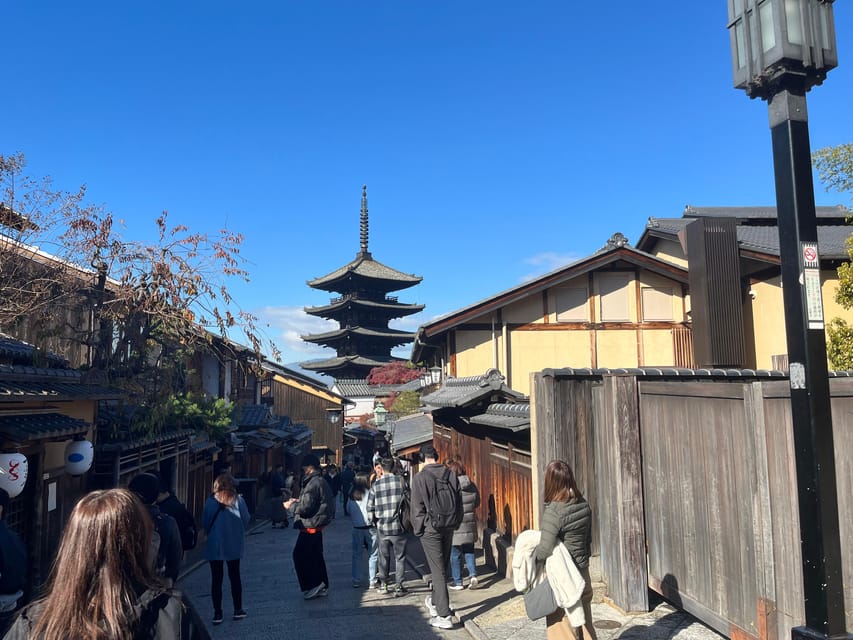
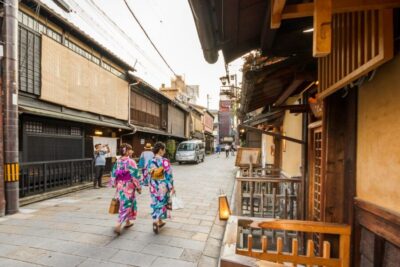
Then you stroll down Hanamikoji Street, with the route highlighting kyomachiya, traditional Kyoto townhouses. This is the moment where the walking plan starts to feel like more than a series of stops.
Why? Because Hanamikoji Street offers a smoother “read” of Gion. You can sense how the buildings relate to the street, how the traditional house style shapes the feel of the neighborhood, and why people describe this area as cinematic. A guide can help you understand what you’re looking at, which makes your photos more meaningful because you’re capturing details with context.
This stop also ties the whole experience together. You’ve seen the sacred anchor of Yasaka Shrine, the dense old-town streets of Sannenzaka and Ninenzaka, and then the more “performative” street presence of Hanamikoji. It’s like seeing different chapters of the same book.
Pontocho finish, and what to expect at the end of the walk
Your route includes Pontocho before you return to the meeting point at Starbucks. Pontocho is another river-area pocket that gives you a different atmosphere compared to the Kamo River promenade at the start.
I like walk endings like this because you get a sense of direction. You’re not just dropped somewhere random. You finish back near your start area, which makes it easier to plan your next meal without guessing how far you are from where you began.
Since lunch or snacks are not included, it helps to think ahead. If you’re someone who gets hungry mid-afternoon, you’ll likely want to plan a snack stop on your own after the tour. The walk is short enough that you’re unlikely to be exhausted, but long enough that hunger can sneak up.
Languages, private group pacing, and guide style (Mouloud is a standout)
The tour is guided in English, French, and Japanese, which is a big plus if you want real explanations, not just a checklist. You’re also in a private group, so the guide can match the pace and the level of detail to your interests.
One guide name that shows up in feedback is Mouloud. The comments point to a friendly, helpful approach and a visit that matches what’s promised. That matters because in a compact route like this, you don’t want your time spent on vague commentary. You want someone to help you connect the dots quickly.
At the same time, one past booking noted the guide could have been more interesting. That is the only caution I’d keep in mind. If you care a lot about storytelling versus simple navigation, consider asking what kind of explanations your guide focuses on, so the style matches your taste.
Price and value: $96 for 3 to 4 hours of guided Gion
At $96 per person for a 3 to 4 hour private guided walk, this is not a budget bargain, but it also isn’t overpriced for what you get if you value time and context.
Here’s the value logic:
- You are paying for a guide to connect multiple high-demand areas in one route, including Yasaka Shrine and the old lanes of Sannenzaka and Ninenzaka.
- You avoid decision fatigue. Gion can be confusing if you are only using maps, because streets look similar and you can easily wander in circles.
- You get a structured flow that includes a nature breather at Maruyama Park, not just nonstop photo stops.
This is a good price when you want “maximum meaning per hour.” It is less ideal if you only want to stroll casually and you’re comfortable navigating the sights on your own without interpretation.
Who should book this half-day Gion tour
This tour is a great match if you:
- Want a guided introduction to Gion’s old-town layout without spending extra time planning
- Like the idea of mixing streets, shrine culture, and park downtime
- Travel with a friend or family group and prefer a private pace instead of joining a large tour
You might skip it if:
- You dislike walking on sloped, old-stone lanes
- You only want to do the “must-see photos” with no interest in explanations
- You’re visiting with very specific priorities, like a single shrine or museum focus, since this route is intentionally broad
Quick practical notes (so it goes smoothly)
- Expect a walk-heavy route through multiple classic neighborhoods and lanes.
- Lunch is not included, so plan a meal or snack before or after.
- The tour is marked wheelchair accessible, which is helpful if you need that option.
Should you book this Kyoto Gion private guided walk?
If you want a focused, old-town experience that moves efficiently through the key Gion highlights, I’d say yes. The route makes sense as a half-day plan: river orientation first, then shrine and classic lanes, then seasonal park time, and finally the iconic townhouse street atmosphere on Hanamikoji Street plus a finish near Pontocho.
It is also a solid pick if you care about getting the “why” behind what you see, not just where to stand for photos. The private format and multiple language options make it easier to get answers without feeling rushed.
FAQ
How long is the Kyoto Gion half-day private guided tour?
It lasts about 3 to 4 hours.
Where does the tour start and end?
It starts and ends at Starbucks Coffee Kyoto Sanjo-ohashi Bridge.
Is this tour private?
Yes, it is a private group tour.
What are the main stops during the walk?
You visit the Kamo River promenade area, Shirakawa Street, Yasaka Shrine, Sannenzaka, Ninenzaka, Maruyama Park, Hanamikoji Street, and Pontocho, before returning to the start point.
What languages is the guide available in?
The live guide is available in English, French, and Japanese.
Is lunch included in the price?
No, lunch or snacks are not included.
Is the tour wheelchair accessible?
Yes, it is wheelchair accessible.
Can I cancel for a full refund?
You can cancel up to 24 hours in advance for a full refund.
Is there a reserve now, pay later option?
Yes, you can reserve now and pay later.
More Guided Tours in Kyoto

More Tours in Kyoto

More Tour Reviews in Kyoto
Not for you? Here's more nearby things to do in Kyoto we have reviewed



Gion & Geisha District Tours, compared.
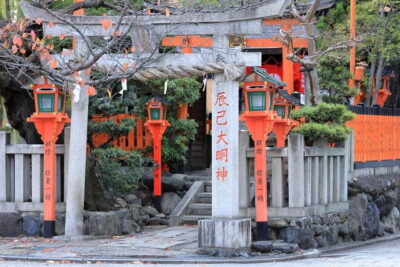 ★ 4.7Kyoto Geisha Walking Tour: Gion District & Hidden GemsFrom $253,273 reviews
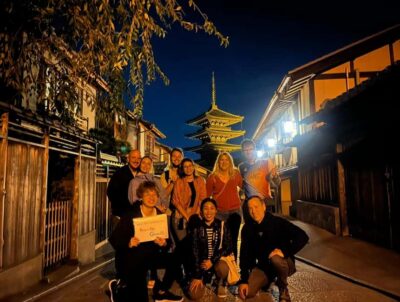 ★ 4.9Gion Magical Night Walking Tour with Geisha TriviaFrom $242,393 reviews
 ★ 4.7Gion Geisha District Walking Tour – Stories of GeishaFrom $202,187 reviews
 ★ 4.9Best of Kyoto: Gion, Geisha, Pagodas & CobblestonesFrom $242,058 reviews
 ★ 4.5Night Walk in Gion: Kyoto’s Geisha DistrictFrom $212,003 reviews
 ★ 5.0Kyoto Night Foodie Tour in Gion (9+ dishes + 6 Sake tastings)From $1631,762 reviews
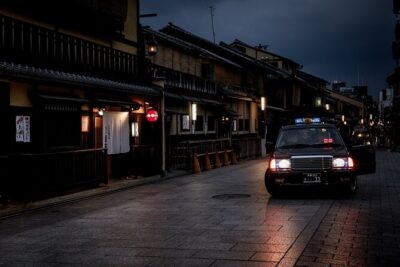 ★ 5.0Kyoto Gion Geisha District Walking Tour – The Stories of GeishaFrom $251,441 reviews
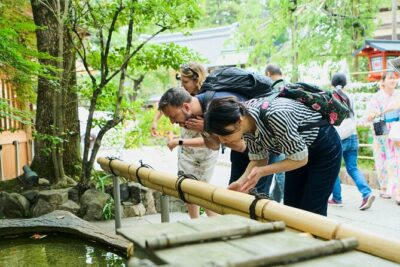 ★ 5.0Kyoto Gion: 2-Hour Geisha Culture & History Walking TourFrom $231,186 reviews
Browse the lists this tour appears in