

Reviewed · KYOTO BUS & SIGHTSEEING TOURS
Kyoto: Highlights Guided Walking Tour
Kyoto is best when you walk with a local. This half-day highlights tour strings together temples, Gion streets, and real daily food life in a way that feels easy to follow. I like that the route is guided by Yu (Yu Noda), who shares history and makes smart stops for what you actually see. I also like the pacing, it stays manageable even when Kyoto gets crowded. The only drawback to consider is that it is mostly walking, and there are no included meals or drinks to pause for.
You start at Kyoto Avanti, then head out toward Kiyomizu-dera and work your way through classic Kyoto neighborhoods and viewpoints. Along the way, you get context for what you are looking at, plus practical recommendations that help you navigate without guessing. If you prefer totally free-form wandering, this structured loop may feel a bit directed.
Key things I’d note before you go

- English and Japanese guide on a small-group or private format
- Kyoto Avanti meeting point plus a short coach hop before the main walk
- Kiyomizu-dera to Gion route, with Sannenzaka and Hanamikoji on the way
- Kamo River crossing leading into Pontocho Alley night-life vibes
- Nishiki Market plus shrine time, so you get both culture and cravings
- Nijo Castle finale, including the famous nightingale floors legend
Why This Kyoto Loop Works So Well for First-Time Days
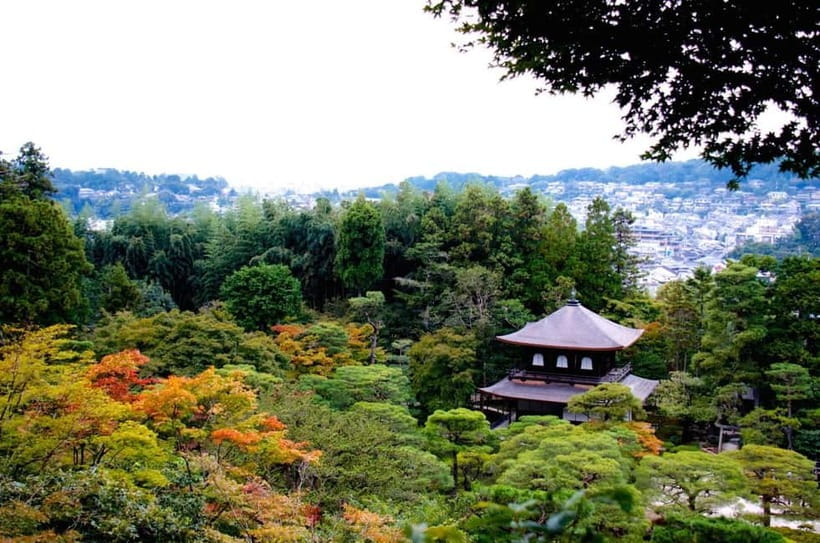
Kyoto can feel like a puzzle. Even with a map, it is hard to connect the dots between temples, old streets, and where locals actually eat and shop. This tour is built to solve that problem fast, in 3 to 4 hours, without turning your day into a long transit slog.
What I like most is that it moves through different “Kyoto moods” rather than repeating the same kind of scene. You get sacred sites with wooden-stage views, then street-level atmosphere in Sannenzaka and Gion, then the food-energy of Nishiki Market, and finally a big formal finish at Nijo Castle. It is a smart mix if you want variety without having to plan each jump yourself.
The other win is the guide. The reviews specifically call out Yu for deep knowledge and good, personalized recommendations. He also listens, which matters in Kyoto, because the city changes by season and even by the hour. If your interests lean more toward shrines, streets, or practical local tips, a good guide can steer the conversation so you feel you are getting more than a photo stop list.
You can also read our reviews of more walking tours in Kyoto
From Kyoto Avanti to Kiyomizu-dera, the Timing Starts Early
Your meeting point is in front of Kyoto Avanti, so you begin right in the rail area where most visitors are anyway. There is a short coach or bus segment before the walk gets going, which is a relief if you arrive with jet lag or you are not in “I love bus transfers” mode.
This matters for value. In a city like Kyoto, the difference between a tour that works and one that feels rushed is often not the walking itself, it is the handoff between sights. Here, the route is set up so you spend your limited time at the points of interest, not just moving between them.
Also, you are told the duration is 3 to 4 hours, so you can plan the rest of your day with confidence. That shorter window is especially helpful if you want to return for dinner somewhere you pick yourself later.
One small practical note: bring cash and a credit card, since Kyoto shopping and snacks often run on a mix of payment methods.
Kiyomizu-dera: Wooden-Stage Views and Temple Meaning
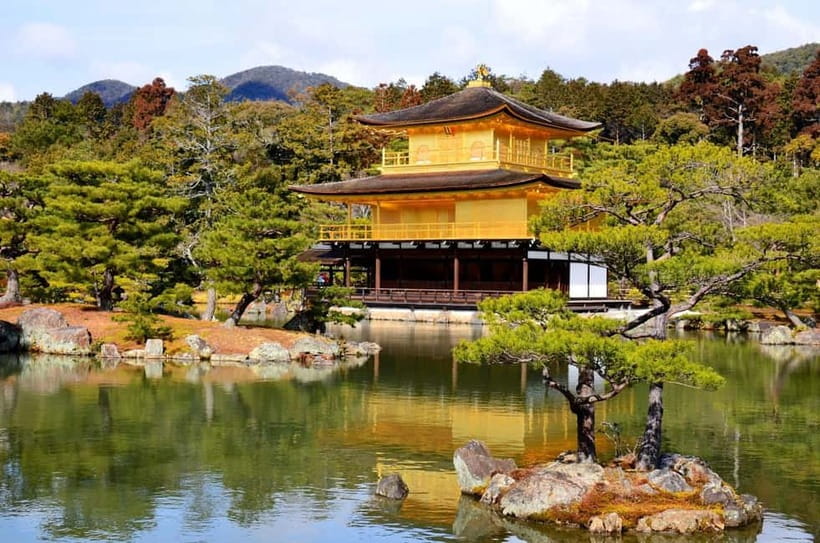
Kiyomizu-dera is the kind of place you already recognize from photos, but photos do not explain the feeling. The big draw here is the wooden stage that overlooks Kyoto’s cityscape, plus the fact that the temple is known for its seasonal beauty. When you stand where the view opens up, you start to understand why this is one of Kyoto’s headline sites.
A guided visit helps in a simple way. The guide can connect what you are seeing to why it matters: how people historically used the site, what the layout is meant to communicate, and what to look for while you are walking through the grounds. Without that context, you can still enjoy it. With it, you leave with a clearer mental map of what the temple represents.
Potential drawback: even with a guided flow, Kiyomizu-dera can be busy. If you hate crowds, go with realistic expectations and let your guide help with where to stand and how to move through the area.
Still, if you only have a half-day in Kyoto, this stop is worth your stamina.
Yasaka Shrine, Sannenzaka, and Hanamikoji: Gion’s Old-Street Rhythm
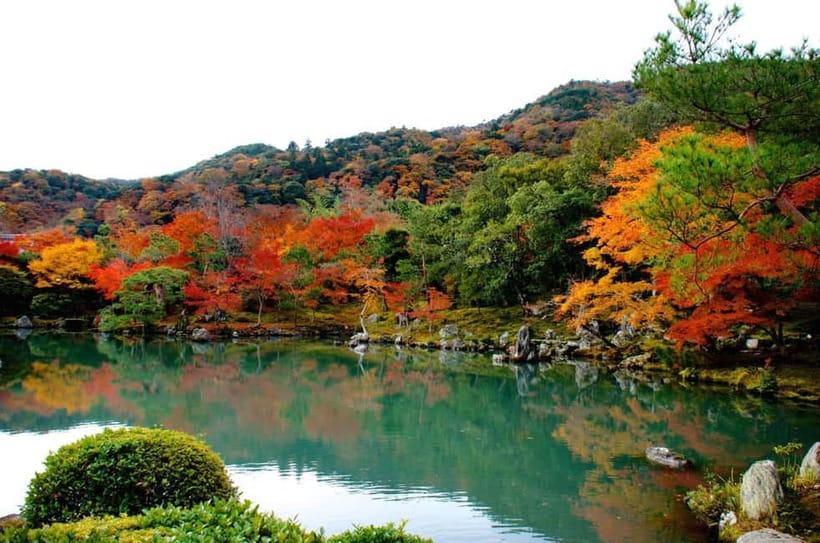
After Kiyomizu-dera, the route shifts from temple grounds to street atmosphere. You head toward Yasaka Shrine, then walk through Sannenzaka Street, and later you reach Hanamikoji Street in Gion.
This is where Kyoto gets fun on foot. Sannenzaka is famous for its old-street setting and traditional shops, and it is the kind of walk where the guide’s commentary turns the scenery from background into story. Instead of only reading signs, you get explanations for symbolism, the meaning of shrine culture, and why people gather where they gather.
Then comes Hanamikoji, where you may have a chance to see elegantly dressed geisha heading to evening appointments. No guarantee is offered here, but the guide can help you understand appropriate behavior and where your best viewing moments tend to happen without being disruptive.
The big value is that you experience Gion as a lived-in neighborhood, not just a postcard. You also get a sense for how the sacred and the everyday overlap in Kyoto.
Practical consideration: this is the part of the day when you might feel tempted to stop for snacks or souvenirs. Since food and drinks are not included, plan that you are making choices yourself, or save your appetite for Nishiki Market later.
From the Kamo River to Pontocho Alley: Narrow Streets After the Walk
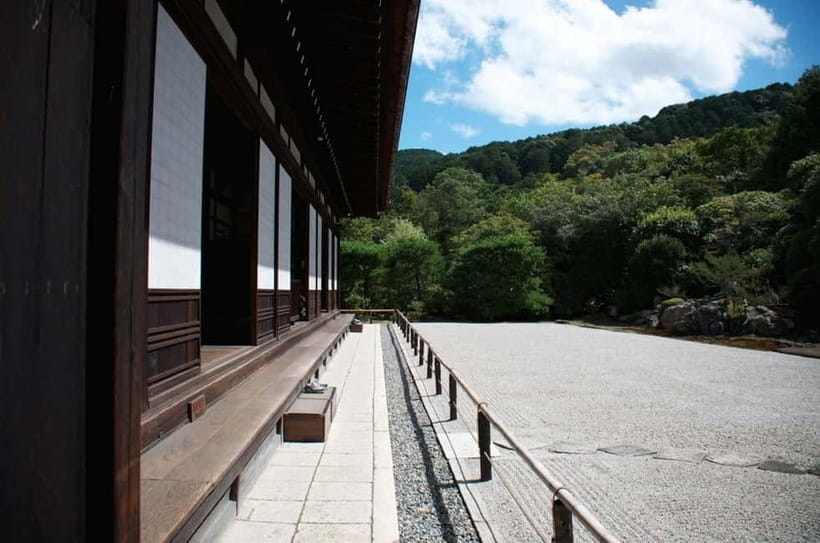
Crossing the Kamo River is a nice reset, because the scenery changes and the route becomes more about mood than landmark lists. Then you enter Pontocho Alley, a narrow lane known for lantern-lit restaurants.
This is not a museum stop. It is a “look, listen, and feel the rhythm” stop. You will notice the contrast between the wider temple avenues and this tight, atmospheric corridor. If you are curious about Kyoto’s evenings, Pontocho gives you a quick taste without committing to a whole night plan.
A good guide makes this section work. He can point out what kinds of restaurants you are likely seeing, what the area is known for, and how to interpret what you are looking at as a visitor who wants to be respectful.
Possible drawback: this part can also feel crowded, and the alley is narrow, so walking space can be tight. If you prefer lots of personal space, wear shoes that let you move confidently, because you will be in close quarters.
You can also read our reviews of more guided tours in Kyoto




Nishiki-Tenmangu Shrine and Nishiki Market, Kyoto’s Kitchen Energy
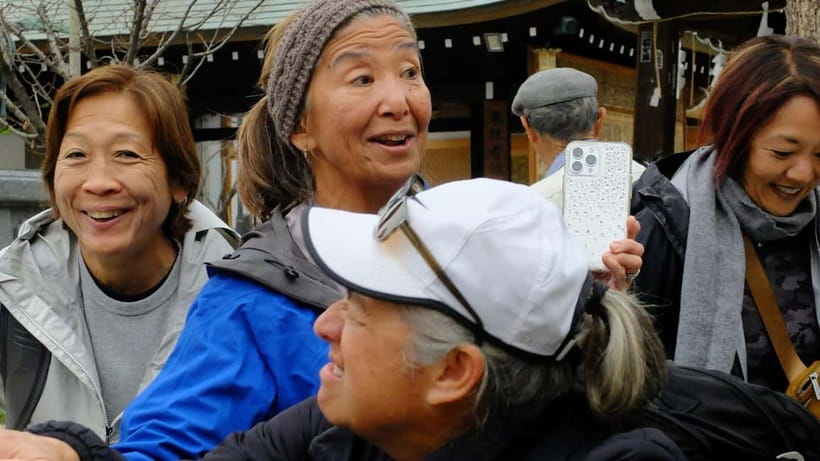
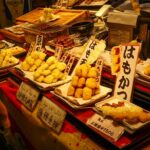
Next you reach Nishiki Tenmangu Shrine, and then you wander through Nishiki Market, often described as Kyoto’s kitchen. This is where the tour balances culture with immediate, sensory payoff.
The market stop is valuable because it lets you see how Kyoto food culture actually shows up in daily life. You can see ingredients, smell stalls, and sample the kind of small bites that make Kyoto feel personal. Even though food and drinks are not included, the guided walk helps you figure out what to look for and what tends to be worth trying, based on your preferences.
What I like about pairing a shrine with a market is that it gives your brain a break from only spiritual themes. One moment you are thinking about shrine heritage. The next you are thinking about lunch.
Practical tip: bring cash for small purchases. Even if you can use a credit card somewhere, markets often reward people who can pay quickly for small items.
Nijo Castle Finale: Nightingale Floors and Garden Calm
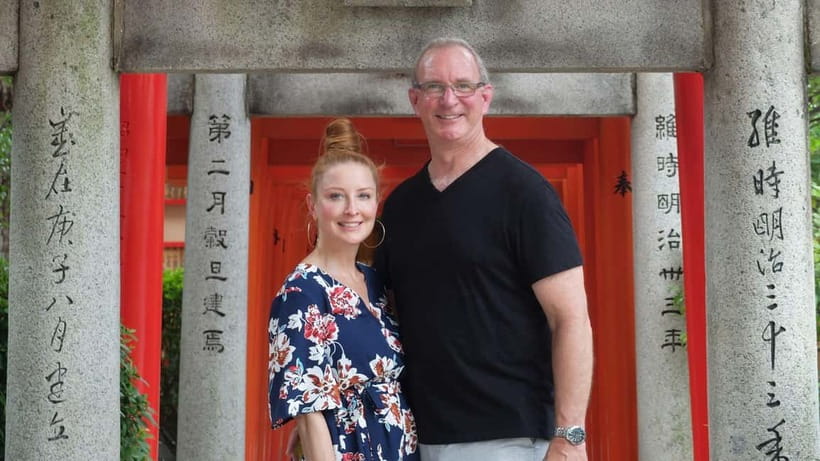
The route wraps up with Nijo Castle, known for the nightingale floors and its exquisite gardens. You do not have to be a history specialist to appreciate this finale. It is a dramatic change from narrow streets and food lanes to a more formal, palace-era atmosphere.
The nightingale floors story is the kind of detail that makes a visit stick. It gives you something specific to notice as you walk and listen, and it reinforces the idea that this place was designed with both power and performance in mind.
The gardens add balance, since you likely have been moving for hours. This is a good moment to slow down and let the day’s sensory overload settle into something calmer.
This ending also makes the tour feel complete. You started with Kyoto’s famous sacred viewpoint, walked through old-town streets, and then closed with a landmark connected to shogun-era life. It is a satisfying arc for a short day.
Price and Value: What $34 Buys You in Kyoto
The price is $34 per person, which is fairly solid for a guided walking tour in a city where famous sights can be expensive to access and time is your real currency.
Here is what you are paying for, beyond just “someone walks with you”:
- A local guide who can explain what you are seeing, not just where to stand
- A route that stitches together several top Kyoto stops into one 3 to 4 hour plan
- A format that can be private or small groups, which helps the experience feel personal
The reviews support this. Rebecca calls out Yu’s amazing knowledge and recommendations, and Heike highlights that the guide is sympathetic, engaging, and answers to what she wanted. Damian also praises the smaller group format for keeping everything manageable.
One tradeoff to keep in mind: food and drinks are not included, and transportation is listed as not included too. That means your total day cost depends on how hungry you get and how you handle getting to the start area. But if you plan a couple of snack stops on your own, you can still keep the overall budget under control.
If you want the highest value, come with a clear idea of what you care about most, temples, street culture, or food, and let the guide tune the conversation.
Shoes, Pace, and How to Get More From Each Stop

This is a walking tour, so the best upgrade you can buy is comfort. Wear shoes you trust for uneven outdoor surfaces and crowded narrow streets. Your feet will do most of the work in Kyoto, and you want them to do it without complaining.
Also, check your expectations about accessibility. Non-folding wheelchairs and electric wheelchairs are not allowed, so plan accordingly if you have mobility needs.
Since food and drinks are not included, decide how you want to snack. Nishiki Market is a great place to spend your appetite budget, while the street sections (Sannenzaka and Hanamikoji) tend to tempt you with shopping stops. If you buy small bites along the way, bring cash and keep it light.
If you enjoy meeting guides who speak your language, this tour offers English and Japanese. That bilingual option matters more than it sounds, because it affects how quickly you can ask questions in the moment.
Finally, if you are booking during a promotional window, there is a 10% discount campaign where you are asked to contact via WhatsApp before booking. If that matters to you, it is worth trying.
Should You Book This Kyoto Highlights Walking Tour?
I’d book it if you want a short, well-connected Kyoto day that mixes the big hitters with neighborhood atmosphere. The strongest reason is the guidance. The reviews repeatedly single out Yu (including Yu Noda) for knowledge and for making recommendations that match your interests. Add the small-group or private option, and it is a good choice for people who feel lost without structure.
Skip it or think twice if you hate walking, you want a fully independent day with no set route, or you plan to spend most of your time eating rather than sightseeing. Since food and drinks are not included, you will be doing your own snack planning.
If you are spending limited time in Kyoto, this tour is a practical way to see a lot, with enough context to remember it.
FAQ
Where do I meet for the Kyoto tour?
You meet in front of the entrance of Kyoto Avanti.
How long is the tour?
The duration is listed as 3 to 4 hours.
What sights are included on the route?
The tour route includes Kiyomizu-dera, Yasaka Shrine, Nishiki Market, Sannenzaka Street, Hanamikoji Street in Gion, the Kamo River area, Pontocho Alley, Nishiki-Tenmangu Shrine, and Nijo Castle.
Is there a guided component, and what languages are offered?
Yes. You get a live tour guide, available in English and Japanese.
Are food and drinks included?
No. Food and drinks are not included.
Is transportation included?
Transportation is listed as not included.
What should I bring with me?
Bring a credit card and cash.
Are wheelchairs allowed?
Non-folding wheelchairs and electric wheelchairs are not allowed.
What is the cancellation policy?
You can cancel up to 24 hours in advance for a full refund.
Is reserve and pay later available?
Yes. You can reserve now and pay later.
More Walking Tours in Kyoto
More Tours in Kyoto

More Tour Reviews in Kyoto
Not for you? Here's more nearby things to do in Kyoto we have reviewed



Kyoto Bus & Sightseeing Tours, compared.
 ★ 5.0PERFECT KYOTO 1-Day Bus TourFrom $12913,518 reviews
 ★ 4.8Fushimi Inari, Kinkakuji, Bamboo Grove 1 Day Bus TourFrom $1224,316 reviews
 ★ 4.9Best of Kyoto: Gion, Geisha, Pagodas & CobblestonesFrom $242,058 reviews
 ★ 3.9Hop-on Hop-off Sightseeing Bus TicketFrom $272,034 reviews
 ★ 5.0Private Kyoto Tour with a Local, Highlights & Hidden Gems, PersonalisedFrom $1021,543 reviews
 ★ 4.7Kyoto/Osaka: Nara, Fushimi Inari Taisha, Arashiyama Bus TourFrom $521,275 reviews
 ★ 5.010 Must-see Spots in Kyoto One Day Private Tour (up to 7 people)From $1791,108 reviews
 ★ 4.5One-Day Tour of Kyoto’s Highlights from Osaka/KyotoFrom $661,092 reviews
Browse the lists this tour appears in