
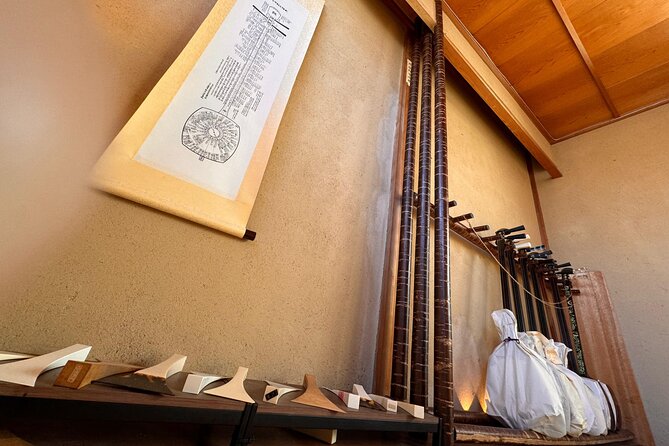
Reviewed · KYOTO CRAFT & CALLIGRAPHY WORKSHOPS
Shamisen Experience in Kyoto 【Private】
Learn shamisen in Kyoto in one session.
This private class swaps more sightseeing for hands-on music, with instruction in English and plenty of time to play, not just watch. You also get a Japanese tea break, a souvenir to take home, and even a jam session guided by a professional shamisen player.
I especially like the teaching style: Jack slows things down for beginners, then pushes further if you already know a bit. I also like the lesson structure, because it moves from fundamentals like tuning and posture straight into playing a traditional Japanese song.
One possible drawback: 1 hour 30 minutes is enough to get started and feel real progress, but it is not a long program. If you want deep, multi-lesson mastery, treat this as your first chapter, not the whole book.
Key things you will remember

- Private one-on-one guidance so you are not competing for attention or struggling to hear instructions.
- English instruction which makes it easier to understand techniques and ask questions.
- Tea break included with relaxed conversation that helps the music feel personal.
- Jam session with traditional scales so you go beyond copying, into creating melodies.
- Jack’s teaching range covers total beginners and can also include more advanced touches for experienced players.
Why a private shamisen class beats another walking day
Kyoto is great for temples and streets, but sometimes you want something that sticks in your hands, not just your camera roll. A private shamisen lesson does that. In about 90 minutes, you trade part of your day for a skill you can keep practicing after you leave.
What makes this experience practical is the focus on learning to play, not simply hearing about the instrument. You start from where you are, even if you have never held a shamisen before. Then you work toward actually playing, including a traditional song and a guided jam session.
I like the tradeoff because it still feels very Kyoto. You are in a dojo setting, learning a living cultural tradition. And since the instruction is in English, you spend less time guessing and more time making music.
You can also read our reviews of more private tours in Kyoto



Meeting Jack and getting set up for one-on-one learning
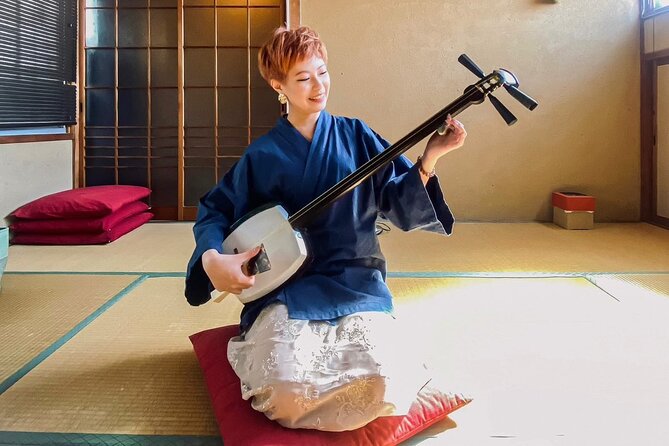
Your class meets in Murasakino Nakakashiwanocho, Kita Ward, Kyoto, and it ends back there. The experience is designed to be private, meaning it is only your group, not a shared class with strangers. That matters more than you might think.
With a shared lesson, one person might get the most attention while others wait their turn. Here, you can ask questions right when they pop up. You can also adjust quickly if your hand position or rhythm feels off.
The teacher is Jack-san, a professional shamisen player and sensei. The standout theme in the feedback is how patient he is and how much time he takes to explain. People also emphasize that his English is strong, which makes the lesson smoother from minute one.
One more detail that helps comfort: there is a lefty shamisen available for left-handed players. It is a small thing, but it can make the difference between learning naturally and fighting your setup.
The English-first lesson flow, from tuning to a traditional song
This lesson is structured for beginners, and it stays beginner-friendly without talking down to you. The curriculum is taught in English, and the pacing is meant to get you playing quickly.
Here is what you can expect during the music instruction:
- You learn how to tune the shamisen.
- You learn seating and posture, since body position affects tone and control.
- You work through the basics until you can play properly.
- You learn a traditional Japanese song during the session.
That sequence is smart. Tuning and posture come early because those are the foundation. If you skip them, it is easy to play something that sounds wrong and then develop bad habits. Getting those basics in place quickly helps you actually enjoy the sound as you go.
Even better, the tone from the instruction is not just technical. Jack encourages you to play melodies and express yourself. In other words, you are not just memorizing notes. You are learning how the music feels, and how to shape it.
If you arrive with experience, the teaching can go beyond the basics. Some people noted that Jack can teach additional points that you would not normally get in a first-time lesson. So this can work whether you are brand-new or you already have some rhythm skills.
Tea break chat, relaxed rhythm, and how the jam session works
A Japanese tea break is included, and it changes the vibe. Instead of rushing straight through the lesson, you get a moment to breathe, sip tea, and chat in a relaxed way with Jack. People describe him as friendly and personable, and that kind of conversation helps the music feel less like a class and more like a cultural exchange.
The highlight is the jam session. This is where the lesson shifts from learning to performing. You will practice using traditional Japanese scales, and Jack accompanies you while guiding your playing.
What you are aiming for in the jam is not perfect accuracy. It is musical confidence. Jack supports you while encouraging you to play melodies freely and experiment within the structure. That is exactly what you want from a first shamisen experience, because it makes the instrument feel alive.
One reason this works for beginners is that Jack can correct you in real time. If your rhythm slips, he can show you what to adjust. If your finger placement or hand movement needs refining, he can coach you immediately. When it is private, those corrections happen without waiting for the next person to finish.
Souvenir moments, left-handed setup, and small details that boost value
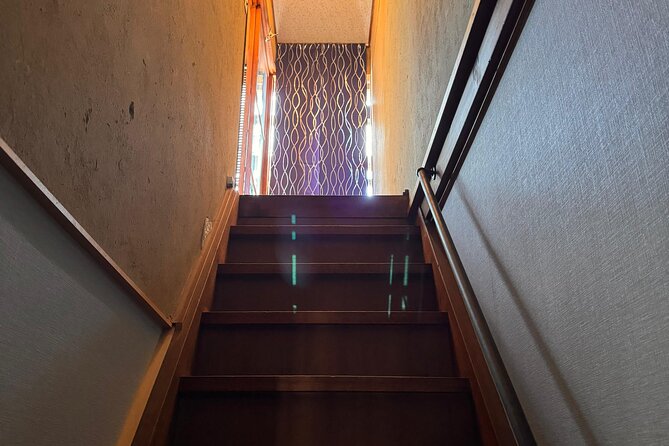
At the end of the lesson, you receive a souvenir. It is a nice touch because shamisen learning can feel intangible at first. A keepsake gives you a physical reminder that you did more than watch.
The left-handed availability is another detail worth calling out. Many cultural classes are built for the standard right-handed setup. Here, you are more likely to learn comfortably from your natural position.
Also, the logistics are straightforward. You get a mobile ticket, and the meeting point is near public transportation. That makes it easier to fit into a Kyoto day without building your entire itinerary around a complicated route.
One more value point: the lesson is built for the “rainy day Kyoto” scenario. If your plans get weathered, this is the kind of activity that still feels rewarding indoors. You leave with new skills and the satisfaction of making real music, not just sheltering from bad weather.


Price and timing: is $99.10 worth it for 1.5 hours?
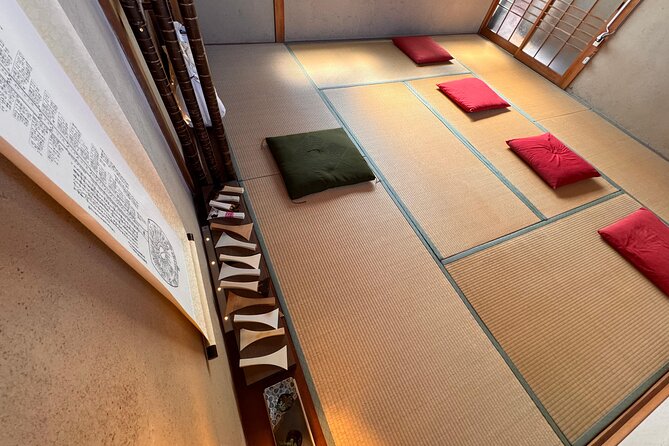
The price is listed as $99.10 per person, for about 1 hour 30 minutes, and it is common to book around a month in advance.
Is that expensive? It can feel that way until you compare what you are actually buying:
- A private lesson with a professional player
- Instruction in English
- A Japanese tea break included
- A jam session guided by traditional scales
- A souvenir at the end
For Kyoto, this is the kind of experience where your money goes toward direct attention and coaching, not just venue access. You are not paying for a performance that happens to include you. You are paying to learn.
Also, 90 minutes is a sweet spot. Long enough to get meaningful progress, short enough to fit into a busy itinerary. It is ideal if you want one standout cultural activity that does not require a multi-day commitment.
If you are the type who learns better through hands-on practice, you are likely to feel the value fast. If you prefer passive sightseeing, you might find it harder to judge the payoff. But if music and Japanese culture pull at you even slightly, you will probably leave energized.
Who should book this shamisen lesson?
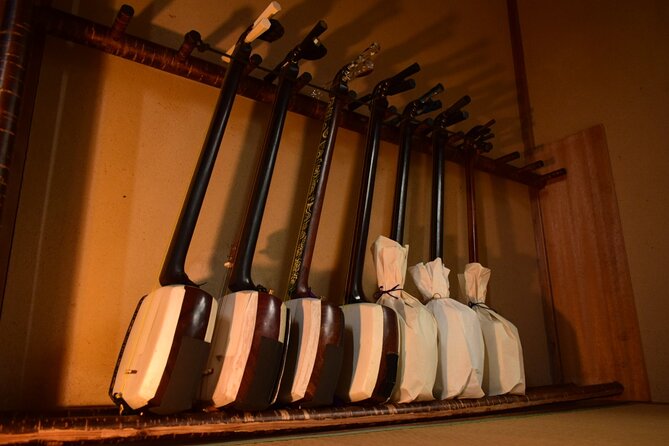
This private shamisen experience is a strong fit if:
- You want a beginner-friendly introduction and do not want to worry about knowing anything beforehand.
- You want instruction in English so you can understand the why, not just copy movements.
- You like structured teaching that still leaves room for creativity, like the jam session.
- You want something hands-on to balance Kyoto’s temples and gardens.
It is also a good choice if you are already somewhat musical. Jack can teach fundamentals, then add more if you have experience. So you are not forced into a watered-down lesson.
One note: since the activity is short, it is best for people who want a confident start. If your goal is mastery of a broad repertoire, plan to keep practicing after, or look for longer-term instruction later.
Should you book the private shamisen experience in Kyoto?
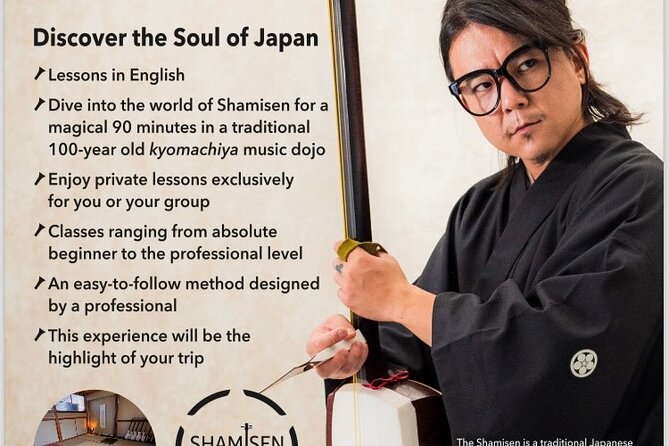
If you like the idea of leaving Kyoto with a skill you can practice again, book it. The combination of private instruction, English guidance, and the chance to play a traditional song plus a guided jam session is exactly what makes this kind of class memorable.
I would especially recommend it if you care about learning from a real professional, Jack, rather than only hearing about music. The teaching feedback repeatedly points to patience, clear explanations, and the feeling that you get personal attention.
Skip it only if you want a purely sightseeing-based day with zero hands-on time. Otherwise, this is the kind of Kyoto activity that turns curiosity into something you can actually do.
FAQ
Is the shamisen lesson beginner-friendly?
Yes. The lesson is designed so beginners can enjoy learning. No experience is required.
Is the class taught in English?
Yes. The lesson is taught in English.
How long is the private shamisen experience?
It takes about 1 hour 30 minutes.
Is it really private, or will I share the lesson with other people?
It is private. Only your group participates.
What happens during the lesson?
You will learn how to tune and play the shamisen, including seating and posture. You will also learn a traditional Japanese song and take part in a jam session using traditional scales.
Does the experience include a Japanese tea break?
Yes. The lesson includes a Japanese tea break.
Do I get a souvenir?
Yes. You receive a special gift, a souvenir to remember the experience.
Is there a shamisen setup for left-handed players?
Yes. Lefty shamisen are available for left-handed players.
Where is the meeting point?
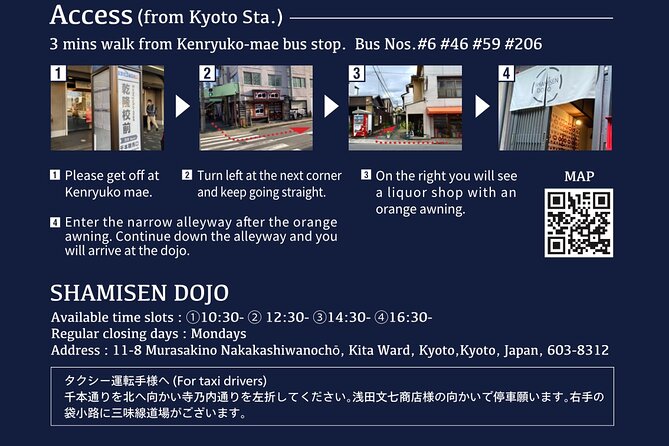
The meeting point is Murasakino Nakakashiwanocho, Kita Ward, Kyoto, 603-8312, Japan. The activity ends back at the meeting point.
Is there free cancellation?
Yes. You can cancel for a full refund up to 24 hours in advance of the experience start time. Confirmation is received at booking.
More Private Tours in Kyoto


More Tour Reviews in Kyoto

Not for you? Here's more nearby things to do in Kyoto we have reviewed





Kyoto Craft & Calligraphy Workshops, compared.
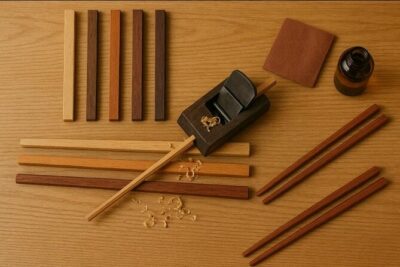 ★ 5.0Chopsticks Making Workshop in Gion with Engraving OptionFrom $15958 reviews
 ★ 4.8Authentic knife making experience at a blacksmith in KyotoFrom $154350 reviews
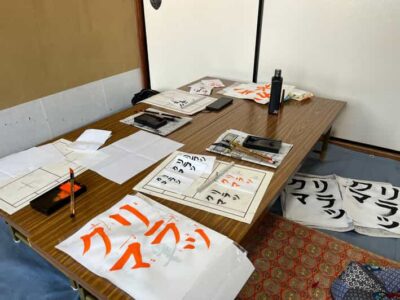 ★ 5.0Calligraphy class at Buddhist temple in city centerFrom $55167 reviews
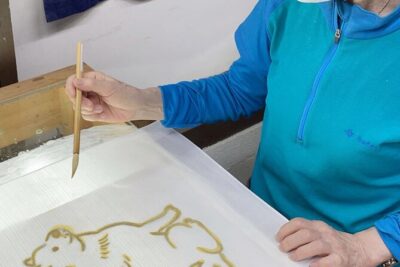 ★ 5.0Roketsu dyeing experience: M course Roketsu Dyeing ExperienceFrom $25163 reviews
 ★ 4.9Japanese Archery Workshop with Experienced InstructorFrom $38132 reviews
 ★ 4.8Japanese Calligraphy ClassFrom $5189 reviews
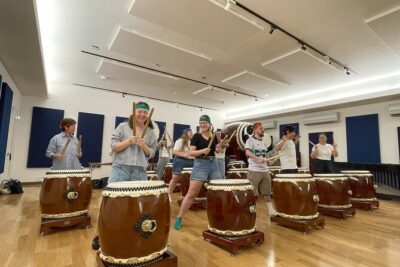 ★ 5.0TAIKO, Japanese Drum Experience from KyotoFrom $11586 reviews
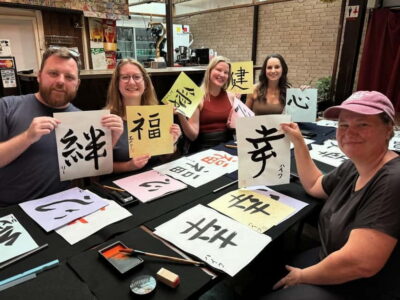 ★ 4.7Japanese Calligraphy WorkshopFrom $3284 reviews
Browse the lists this tour appears in