
Reviewed · KYOTO GARDENS & ZEN RETREATS
Kyoto Japanese Garden Lover’s Private Tour with Government-Licensed Guide
Kyoto gardens feel like a quiet puzzle. This private walking tour pairs a government-licensed guide with an easy way to focus on what you want most, from gold and silver pavilions to moss gates and famous rock designs. I especially like that you can shape the day instead of getting dragged through a fixed circuit.
The second big win for me is the human touch, I saw how guides like Kaeko and Shun can adapt on the fly when plans or priorities change. One consideration: it is still a walking tour, and entrance fees plus transportation costs are not included, so budget for those extras when you pick your sites.
Key highlights before you pick your gardens
- Government-licensed, English speaking guidance to help you read what you are seeing, not just look at it
- Choose 3-4 sites from a menu, so the day matches your interests and energy
- A flexible, private pace that lets you slow down at the moments that matter
- Zen variety in one day, from pavilion temples to moss, sand mounds, and rock gardens
- Arashiyama classics without rushing, with options like Togetsukyo Bridge and bamboo paths
- You can swap in another famous Kyoto stop, if gardens are only part of your goal
What you are really buying in this Kyoto garden private tour
You are paying for a day that has structure but not stiffness. A government-licensed guide interpreter can translate the cultural signals behind Japanese garden design, so you understand why rocks, moss, sand mounds, and water features are placed the way they are. That turns a garden visit from pretty pictures into something you can actually follow.
I also like the straightforward format: this is a private tour for your group only, and you meet the guide on foot within a designated area of Kyoto. With only your group, you spend less time negotiating space and more time watching the details that make each garden feel distinct.
The itinerary is offered as a set of possible stops, then you select your must-see spots to build your own 3 to 4 site route. That is huge value if you want to combine famous temples with quieter, more personal experiences.
You can also read our reviews of more guided tours in Kyoto

Price, time, and value for money
At about $153.11 per person for roughly 6 hours, the price can feel high if you assume you are mainly buying sightseeing. But you are mostly buying two things: (1) a qualified guide, and (2) time efficiency. In Kyoto, walking between the right sights matters, and a licensed interpreter helps you avoid dead-end effort.
Most sites you might choose do not include admission in the tour price. You will also need to cover transportation to and between areas on your own, since a private vehicle is not provided and transportation fees are not included. So the best way to judge value is this: if you pick 3 to 4 gardens you truly care about, the guide time becomes cost-effective fast.
If you have a specific date in mind, it is smart to book earlier. The average booking lead time listed is 56 days, which suggests these tours can fill up when demand is steady.
How to choose your 3 to 4 stops (so the day feels right)
This tour is designed for choice. You create a custom itinerary by selecting gardens from the list in the tour information, and you can also choose another famous Kyoto site if you want variety beyond gardens.
Here is a practical way I would choose:
- Pick one iconic pavilion (Kinkakuji or Ginkakuji) to anchor your day in Kyoto’s most recognizable Zen look.
- Add one moss and gate experience (Honen-in or Gio-ji) if you want the atmosphere to feel softer and slower.
- Add one “design brain” garden (Ryoan-ji or Daitoku-ji) if you want to see how rock-and-sand planning changes your attention.
- If you love scenery, add Arashiyama elements like Togetsukyo Bridge and bamboo, then finish with a villa-style garden such as Okochi Sanso or Katsura.
Also, watch your admission budget. Since entrance fees are not included, picking fewer paid sites can stretch value. On the flip side, if a particular garden is a top priority for you, pay for the entrance and enjoy it.
Kinkakuji and Ginkakuji: the pavilion temples and what to look for
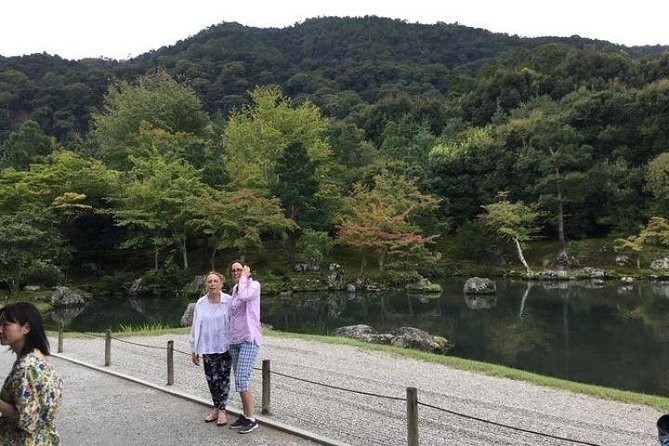
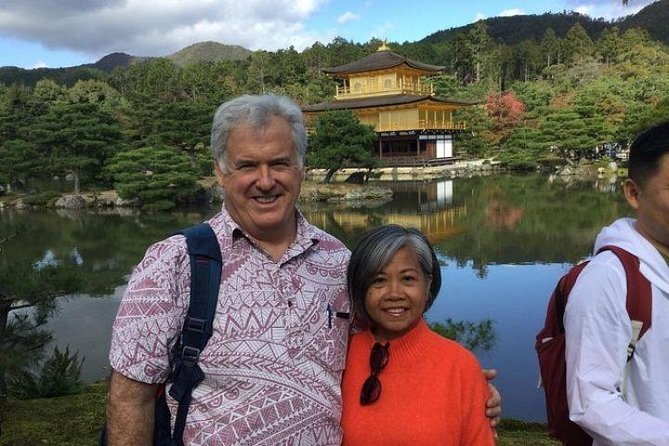
Kinkakuji, formally Rokuonji, is the Golden Pavilion, a Zen temple whose upper floors are covered in gold leaf. It is visually dramatic, but the real payoff is how the gold and the water-adjacent setting push your mind toward calm focus. For many people, it is Kyoto’s instant wow moment, and the guide helps you see it as more than a photo backdrop.
Ginkakuji, the Silver Pavilion, sits in the eastern mountain area of Kyoto (Higashiyama). It is also tied to shogun Ashikaga Yoshimasa and was modeled as a retirement villa. If Kinkakuji feels loud in color, Ginkakuji tends to feel more restrained. I like pairing these two because they show the range of Zen aesthetics, one more eye-catching, one more meditative.
Time note: each stop is listed at about 20 minutes. That is enough for the highlights, but not enough to wander every side-path forever. If you are the type who likes to stand and watch a garden change across light, build your day with that in mind.
Honen-in, Nanzenji Suirokaku, and Tofuku-ji: Zen mood shifts temple to temple
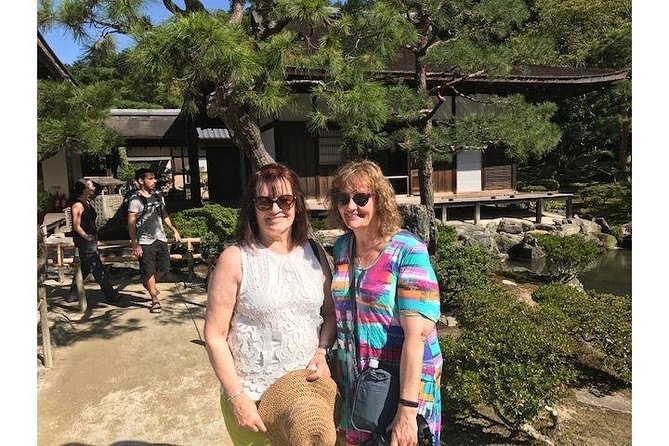
Honen-in begins with a scenic approach that ends at a moss-covered gate. Inside, you pass between sand mounds that are associated with garden lore. This is the kind of place where the design is subtle, and the guide interpretation helps you notice how the garden’s layout guides your path.
Nanzenji Temple is one of Japan’s key Zen temples, located at the base of Higashiyama. The stop here is Nanzenji Suirokaku, which keeps the experience grounded in temple scale, spacious grounds, and the sense that you are moving through a living religious space, not a theme park.
Tofuku-ji, in southeast Kyoto, is especially known for autumn colors, and the grounds tie back to its founding in 1236 at the behest of the Fujiwara. If you visit outside autumn, you can still enjoy the temple setting, but it helps to know this stop is famous for seasonal color, not just year-round spectacle.
One consideration in this trio: they are powerful, but different. If you cram too many intense temples together, you lose the sense of calm that garden trips are built for. That is why 3 to 4 sites is the sweet spot.
You can also read our reviews of more private tours in Kyoto



Kyoto Imperial Palace and Shugakuin Rikyū: when “garden” means power and poetry
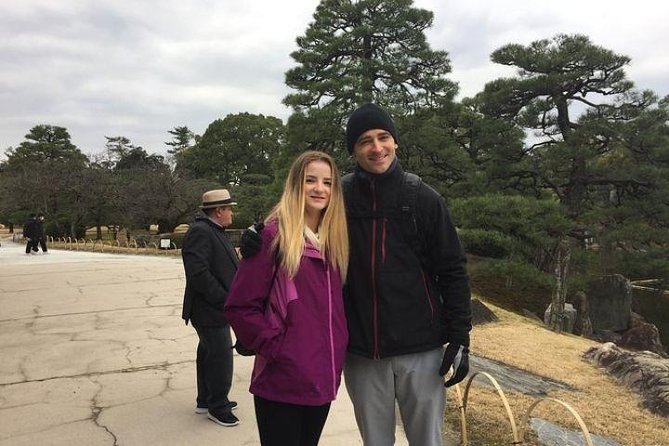
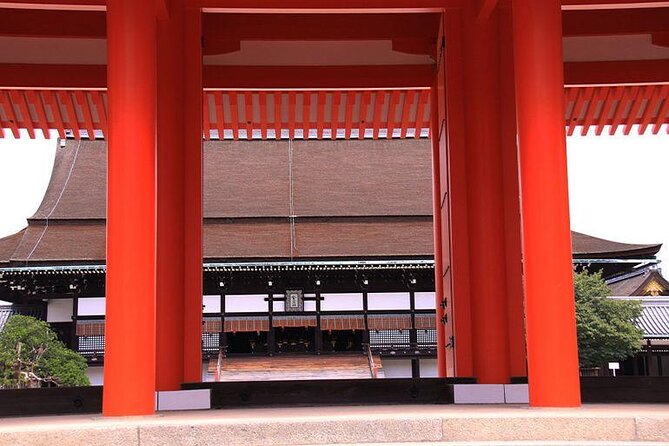
If you want a break from typical temple rhythms, Kyoto Imperial Palace and Shugakuin Imperial Villa add a different layer. The Imperial Palace was the residence of Japan’s Imperial Family until 1868, when the emperor and capital moved to Tokyo. You get to see how Kyoto carried political gravity long after it became a cultural magnet.
Shugakuin Imperial Villa, built in the 17th century by Emperor Gomizuno, is managed by the Imperial Household Agency and is organized into Upper, Middle, and Lower Villa areas. This stop is attractive if you like garden design that feels more architectural and composed, like a carefully planned viewing experience.
These stops may not deliver the same “rock garden wow” as Ryoan-ji, but they can give you context. They show how refined aesthetics and refined power coexisted in Kyoto.
Tip: if you choose both palace-related stops plus an Arashiyama day, you may want to keep your remaining garden choices lighter on admission costs and quicker in pace.
Ryoan-ji, Taizo-in, and Daitoku-ji: rock, sand, and the art of slowing down
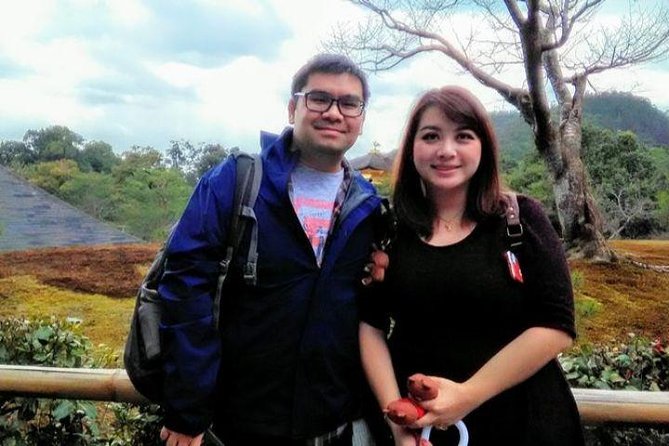
Ryoan-ji is famous for Japan’s most well-known rock garden, a design that draws visitors every day. The point is not to count stones like a math puzzle. The point is to let the sand and rock arrangement shift how you perceive space. With a guide, you can understand the garden’s intent and the feeling it is meant to create.
Taizo-in is a subtemple garden of Myoshin-ji, and it is described as among Kyoto’s most famous. It is recommended in any season. I like this stop as a contrast to Ryoan-ji. You still get a designed garden, but often with a more intimate scale and more room to breathe.
Daitoku-ji is a Zen temple complex in northern Kyoto where you discover temples within temples, plus meditative gardens with deep significance. This is a strong choice if you want variety inside a single broader temple visit. The guide’s role matters here, because without context the complex can feel like you are seeing many similar entrances with limited wayfinding.
A practical insight from guides you might meet: some gardens can feel surprisingly quiet depending on the timing of the day. When timing works, places like Taizo-in can feel calm enough to actually settle into the design, not just rush past it.
Katsura Imperial Villa and Arashiyama’s big classics: bridge, bamboo, and planned viewing
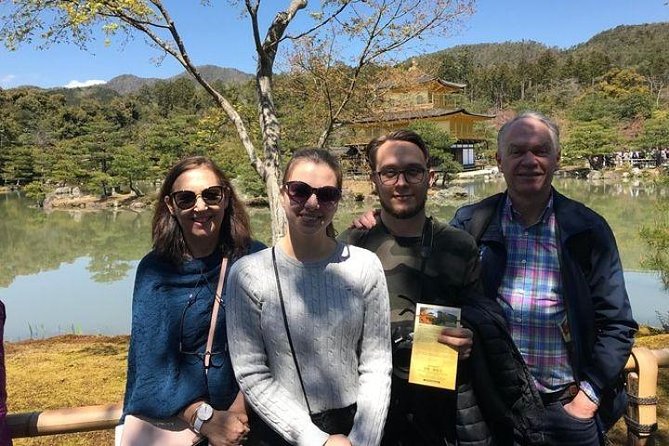
Katsura Imperial Villa is one of the finest examples of Japanese architecture and garden design. The villa and garden in today’s form were completed in 1645. This stop is ideal if you want garden design that feels like it was built for walking paths, framed views, and measured pacing.
Then you can pair it with Arashiyama’s famous scenery. Togetsukyo Bridge is Arashiyama’s iconic landmark, originally built in the Heian period and reconstructed in the 1930s. The bridge’s name, Moon Crossing Bridge, fits the romantic reputation, but the real value for me is that it places you in Arashiyama’s visual rhythm before you enter the quieter garden spaces.
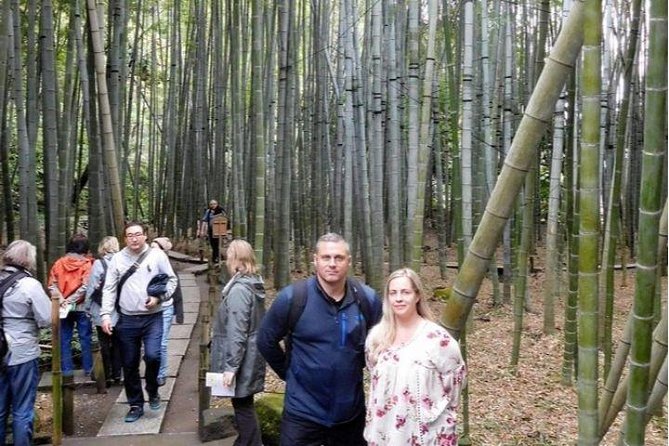
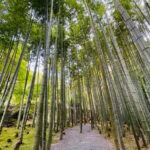
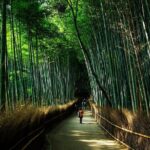
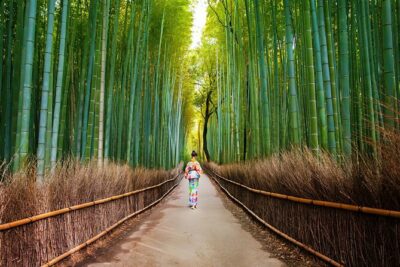
Bamboo Forest Street is the classic walking path through the bamboo groves. It is particularly attractive when there is a light wind and the bamboo stalks sway. This is a great filler if you have spare energy, and it helps break up the more contemplative temple moments.
If you like blending scenery with garden interiors, Okochi Sanso is a smart addition. It is the former villa of actor Okochi Denjiro (1896 to 1962), located behind Arashiyama’s bamboo. The property includes several gardens and buildings, and it is made for slower, more selective touring.
Okochi Sanso, Gio-ji, and Kyoto Botanical Garden: quieter choices that still deliver
Okochi Sanso is a good “in-between” stop. You get villa-style gardens and multiple areas, which makes it feel less like you did one viewpoint and left. If you like story elements, the connection to Okochi Denjiro gives the place a human anchor in addition to the designed scenery.
Gio-ji is known for a moss garden punctuated with tall maple trees. The entrance gate and small main hall have thatched roofs, and the setting is described as even more tucked into the forest than other nearby moss-focused temples. This is a strong choice if you want the day to feel softer and more grounded.
Kyoto Botanical Garden is listed as an overlooked and affordable spot, recommended for both visitors and locals. Even if you are visiting Kyoto for famous temples, this can work as a breather. You shift from the tight focus of famed temple gardens to a more spacious, greenery-forward experience.
One practical note: Gio-ji and Okochi Sanso have specific appeal, but they are also easy to skip if you are chasing only the most famous names. If you are truly garden-first, include at least one of these.
Kennin-ji near Hanamikoji and Shijo, plus Byodoin in Uji for the Phoenix Hall
Kennin-ji is close to Hanamikoji and Shijo streets, and its grounds are expansive and pleasant to walk. It also has two karesansui dry garden designs. This stop is valuable because it connects Kyoto’s daily street energy with the calmer, designed spaces of Zen.
If you do not want that contrast, you can still choose Kennin-ji for the dry garden type, which tends to reward slow observation and a guide’s interpretation of how the design pushes your attention.
Byodoin Temple in Uji is the long-shot option because it requires extra travel time. It is known for the Phoenix Hall, which is a National Treasure of Japan and a UNESCO World Heritage Site. If you care about major cultural landmarks beyond Kyoto proper, this can be worth the time, but keep it in mind if your goal is a pure garden-only day.
Entering the day well: pacing, tickets, and what to expect from a 6-hour walk
Because the tour is a walking tour, wear comfortable shoes and plan for steady walking time between sites. The itinerary stops are listed at short durations, often around 20 minutes, so you will want to use the guide’s time efficiently by asking what to notice as you arrive.
Entrance fees are not included, and lunch is not included either. That means your own planning affects your experience quality. If you want a smooth day, decide ahead of time which sites you are willing to pay for and which ones are more optional.
Pickup is offered, but it is not like a car service. You meet the guide on foot within a designated area. So you still need to get to the meeting zone yourself using public transit.
Finally, the tour uses a mobile ticket. That is useful for keeping everything organized on a phone, especially when you are bouncing between temples and different entrances.
Should you book this Kyoto garden tour?
If your goal is a Kyoto day focused on Japanese gardens, not just a checklist of famous names, I think this tour is a strong option. The private format, the government-licensed guide, and the ability to choose 3 to 4 sites give you control. You also get enough variety to see multiple design styles in one half-day block.
I would skip it or rethink it if you hate paying extra for entrances or if you cannot do a walking route. Since the tour does not include transport and most entry tickets, the “real cost” depends on your chosen stops.
Best fit:
- You want a guided, interpretive garden experience
- You like flexibility, and you might adjust plans during the day
- You want iconic Kyoto sights like Kinkakuji, Ginkakuji, Ryoan-ji, and Arashiyama, without doing it alone
FAQ
How long is the Kyoto private garden tour?
The tour is listed at about 6 hours.
Is the tour private?
Yes. It is a private tour, and only your group will participate.
Can I customize which gardens I visit?
Yes. You customize your itinerary by selecting 3 to 4 sites from the list in the tour information.
Does the tour include hotel pickup?
Pickup is offered, and the tour is a walking tour. You meet the guide on foot within a designated area of Kyoto.
Are entrance fees included?
No. Entrance fees are not included, and the itinerary notes admission tickets are not included for many stops.
Is transportation included in the price?
No. Transportation fees are not included, and a private vehicle is not provided.
What language is the guide?
The guide is a licensed local English speaking guide and is described as multilingual.
Do I get mobile tickets?
Yes. The experience includes a mobile ticket.
Is there free cancellation?
Yes. You can cancel for free up to 24 hours in advance for a full refund.
Are service animals allowed?
Yes, service animals are allowed.
More Guided Tours in Kyoto

More Tours in Kyoto

More Tour Reviews in Kyoto
Not for you? Here's more nearby things to do in Kyoto we have reviewed


Kyoto Gardens & Zen Retreats, compared.
 ★ 5.0Kyoto Arashiyama Walking Tour: Bamboo, Monkeys, Gardens & SecretsFrom $651,216 reviews
 ★ 5.0Kyoto Zen Meditation & Garden Tour at a Zen Temple with LunchFrom $110441 reviews
 ★ 5.0Zen Experience in a Hidden TempleFrom $109437 reviews
 ★ 5.0Kyoto Arashiyama Bamboo forest & Garden Half-Day Walking TourFrom $129413 reviews
 ★ 4.8Tea Ceremony Meditation – Make Matcha with Tea MasterFrom $45406 reviews
 ★ 5.0Zen Meditation at a Private Temple with a MonkFrom $91202 reviews
 ★ 5.0Zen Garden, Zen Mind (Private)From $380126 reviews
 ★ 5.04.5-Hour Kyoto Bike Tour with Lunch and UNESCO Zen TemplesFrom $99122 reviews
Browse the lists this tour appears in