
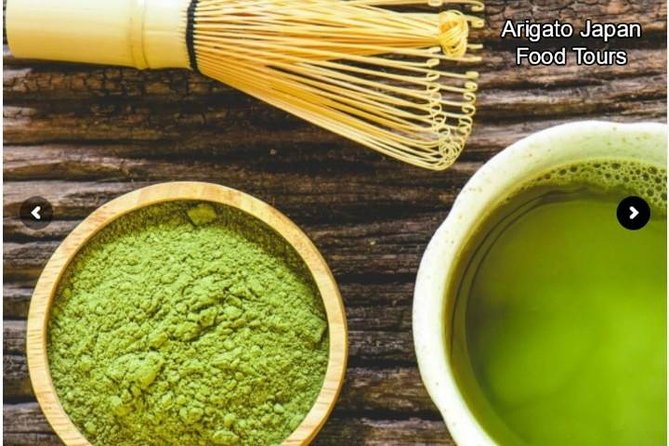
Reviewed · KYOTO TEA CEREMONIES
Kyoto Matcha Green Tea Tour
Uji turns matcha into a hands-on story. This 3 hours 15 minutes Kyoto matcha tour takes you through Uji’s famous tea district, lets you watch matcha being made, and finishes with a visit to Byodoin Temple (a UNESCO World Heritage site). I especially like the matcha-making + tasting focus, plus the fact that you get lunch included so you do not have to figure out food on the fly. One thing to consider: the tour is not recommended for vegans and is also not geared for gluten-free diets.
You’ll meet at Uji Station and follow a route that includes tea shops and classic Uji spots, like Uji Shrine and Amagasetsuri Bridge. The group stays small (up to 10), and the guide helps with translation, which matters in this kind of food-and-tea setting. The other consideration is simply the pace: with multiple tastings and a temple stop, it helps to have moderate physical fitness.
Key Highlights You’ll Feel From Day One
- Small group, up to 10 people so you can ask questions and move at a human pace
- Watch matcha being made, not just drink it, so you understand what changes the cup
- Lunch is included, which makes the cost easier to judge and the timing smoother
- Tastings go beyond matcha with wagashi sweets and matcha ice cream
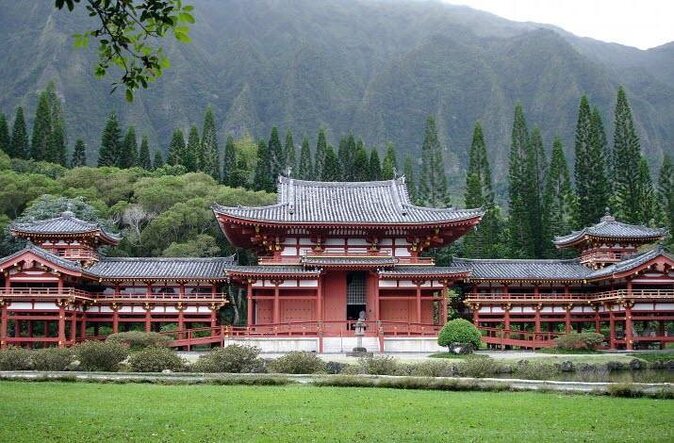
- Finish at Byodoin Temple, then enjoy shopping time in the Byodoin area
- Tour includes local stops in Uji, including Uji Shrine and Amagasetsuri Bridge
Why Uji Is the Best Place to Understand Kyoto Matcha
If Kyoto is where people picture matcha, Uji is where the story gets practical. Uji is known for producing high-quality green tea, and that matters because matcha tastes like more than “green powder.” It is about cultivar, grinding, texture, and technique. This tour is built around those real-world differences, so you come away with a sharper sense of what you are actually tasting.
The big win here is that you are not stuck in one shop or on one flavor path. You get to see multiple tea stops in the same day, plus a guided explanation that helps you connect the dots. That is also why the small-group size is more than a comfort detail. When someone can pause the group, translate, and answer questions, the whole experience turns from “snack tour” into “skill building.”
You can also read our reviews of more tours and experiences in Uji.
Tour Pace and What You Actually Get in 3 Hours 15 Minutes
At 3 hours 15 minutes, this is a half-day style tour with a very specific rhythm: tea stops, a production moment, tastings and sweets, lunch, then a temple visit. You start at 11:00 am at Uji Station (Otsukata side), and you end at Byodoin Temple, with time afterward in the shopping streets in the Byodoin area.
This pacing is ideal if you want something efficient while still feeling full. Lunch is included, and the tour already plans the food part, which saves you decision fatigue. It also keeps the tour grounded in something you can measure: you are paying for access to tea shops, matcha-making, and a guided route, not just for walking around with a map.
The tradeoff is that you do not have all day to wander Uji on your own terms. If you love long, slow shopping breaks or you need lots of time to sit and recharge, you might feel slightly time-pressed. That said, the structure is the point, and it usually works well for first-time visitors.
From Uji Station to Uji Shrine and Amagasetsuri Bridge
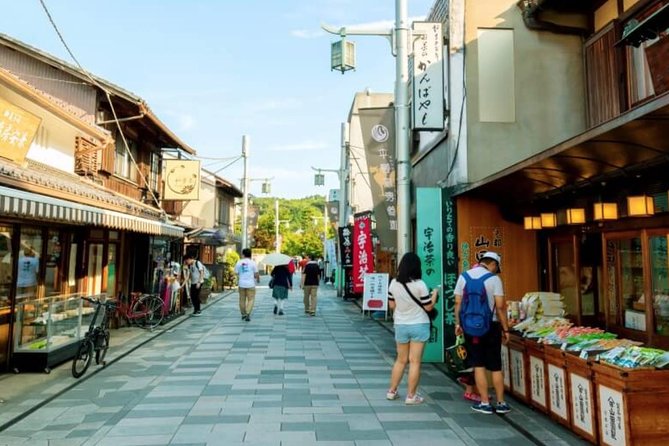
The route starts in Uji, with a guided introduction to the heart of Japanese green tea culture. You get time to browse local shops for souvenirs unique to the area, which is handy because Uji has plenty of small, specialty items, not just generic tourist goods.
One of the cultural anchor points is Uji Shrine, a historic Shinto shrine with deep local significance. This is the kind of stop that adds context to tea culture without turning the day into a lecture. You get a sense that Uji is a living place, not just a destination.
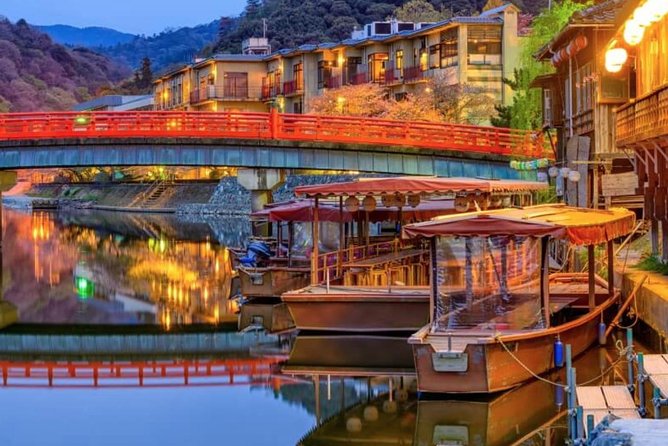
Then comes Amagasetsuri Bridge, a scenic wooden suspension bridge over the Uji River area. It is a brief walk-through moment that also gives you a breather from shop-to-shop intensity. River views like this help you reset your eyes before you move back into the sensory world of tea, sweets, and tasting.
Practical tip: if you care about photos, keep your phone handy during bridge and shrine moments. Once you hit peak tasting time, you will likely be busy.
Watching Matcha Being Made, and Why That Changes Your Cup
The heart of the tour is the matcha experience. You do not just order a bowl and hope it is good. You get to watch matcha being made, which helps you understand why different matcha feels different in the mouth.
Matcha-making typically centers on grinding tea leaves into the fine powder that becomes your drink. The point of this stop is learning how the process relates to texture, aroma, and that distinct grassy, umami-leaning profile people associate with good matcha. Even if you do not remember every detail, seeing the workflow helps your brain connect the taste you get later in the day to what you watched.
On top of that, you get matcha tasting included. This is where the tour’s value becomes clear: the tasting is not random. It is paired with the explanation, plus the fact that you will have other sweet and ice cream items later. That gives you a “flavor ladder” so you can separate matcha character from dessert sweetness.
Wagashi, Matcha Ice Cream, and the Sweet-Side of Tea
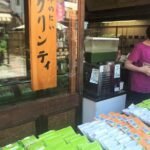
This is not a tour where the only flavor is matcha. You also get wagashi sweets and matcha ice cream as part of the included experience. That matters because matcha shows up in Japanese sweets in different roles: sometimes it is the star, sometimes it is the supporting note that deepens the overall flavor.
If you have ever thought matcha tasted flat in one dessert and intense in another, this kind of structured tasting day helps you figure out why. The guide’s translation support also helps, because you are more likely to understand what you are eating and why it is paired this way.
Another practical advantage: you do not need to bring food. The tour explicitly includes lunch and makes room in the plan for sweets, so you avoid the uncomfortable feeling of being hungry while you are trying to pay attention to tasting notes.




Lunch in Uji: Why Included Food Makes Sense Here
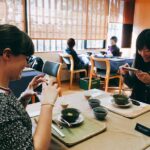
Lunch is included as part of the tea experience. That is not just convenience. It changes how the day feels.
Tea tastings work best when you are not running on empty. A planned lunch means you can sample matcha, then take a proper break, instead of chasing your next stop with a sugar-or-hunger roller coaster. The tour also says there is no need to bring food with you, because the lunch is provided as part of the format.
Diet note: the tour is vegetarian friendly, but it is not recommended for vegans or gluten-free diets. So if your diet is strict, do not assume you can swap items on-site. You may need to choose another option that explicitly supports your needs.
Byodoin Temple Stop: Mixing Culture With Tea Without Overload
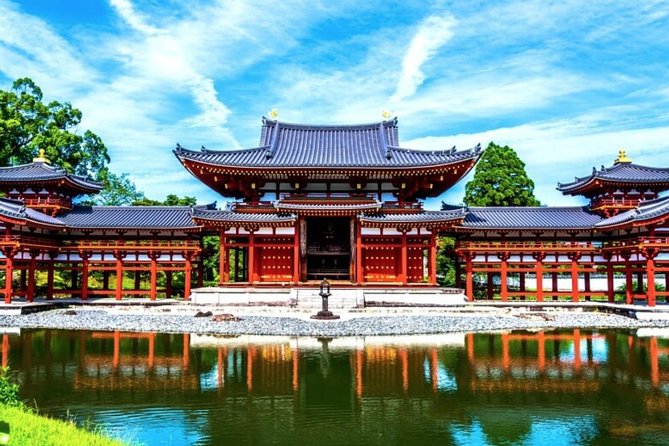
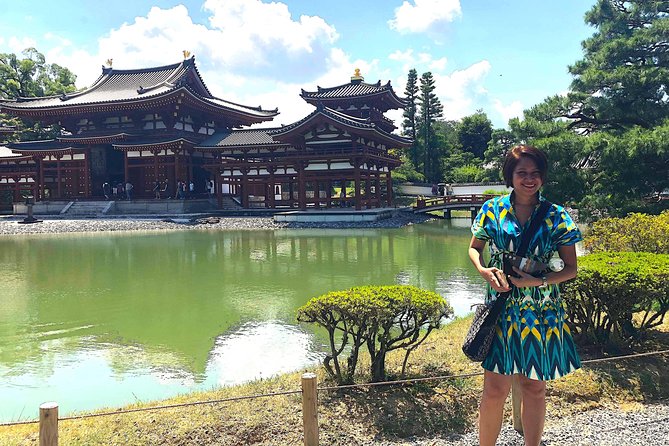
The tour includes a visit to Byodoin Temple, a UNESCO World Heritage site. This stop works because it gives your day a cultural “reset point.” Instead of more shop time, you get a location that feels grounded and historically anchored, even if your brain is still buzzing from matcha and sweets.
Byodoin Temple is listed with free admission ticket information for the experience, which helps the overall value math. It also means your time there is part of what you paid for, not an extra cost you forget to budget.
Timing wise, the itinerary lists it as a short stop. That means you should not expect a full, slow temple day. Treat it as a meaningful highlight, then use your own time later if you want deeper exploration of the grounds.
Masuda Chaho and the Ending Feel of Uji
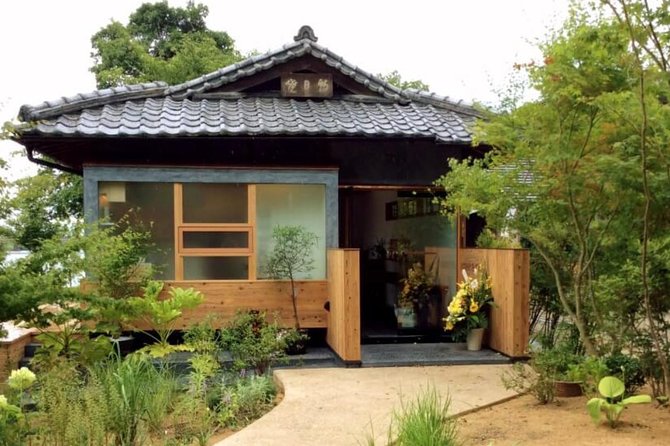
The itinerary’s last tea stop is Masuda Chaho, a renowned tea shop where you can relax with premium Uji matcha or hojicha. This is a smart way to end: by the time you reach the final shop, you are more prepared to recognize quality and nuance.
Ending at a shop also gives you a practical benefit. You can compare what you learned earlier with what you choose to drink at the end. If one style stood out during the tasting, you can follow that thread with a final cup.
At the end, you also get shopping time in the streets around the Byodoin area. This is when you can turn “I liked that” into “I want something to bring home.” If you like buying matcha supplies, this is the moment to do it thoughtfully, not impulsively.
Price and Value: Is $221 Worth It?
$221 per person is not cheap, but for Uji matcha, you are paying for a bundled experience, not just tasting. The included items matter: matcha tasting, matcha making, wagashi sweets, matcha ice cream, and lunch. On top of that, you are paying for a guided route that covers multiple meaningful stops, plus translation help and shopping time.
This makes the value stronger if:
- You want structure, not guesswork, in a food-and-tea district
- You are curious about matcha beyond the basic cup
- You prefer small-group guidance (max 10) so you can ask questions
- You want to see Byodoin Temple as part of the same half-day plan
It makes less sense if:
- You already know exactly which Uji shops you want to visit and you do not need help choosing
- You have strict dietary needs that the tour explicitly is not recommended for
- You want lots of free time to wander Uji without any set pacing
A good rule: if you would otherwise spend money on a guided tea experience plus a separate lunch plus temple entry or a guided cultural stop, this bundled plan becomes easier to justify.
Who This Tour Fits Best (and Who Might Skip It)
This Kyoto matcha green tea tour is family-friendly, and it is a moderate physical fitness experience. It also has a minimum drinking age of 21, so if you are under that age, double-check your comfort level with how tastings and any included beverages are handled by the tour format.
It is also designed for solo travelers, with an instruction to email the team. That suggests they can accommodate people who are not part of a group, which is great if you want a social format without having to join an oversized tour.
Where it fits best:
- First-time matcha fans who want a guided route and real context
- Food lovers who like sweets, too, not only tea
- People who enjoy a compact cultural day with a clear endpoint
Where you should be cautious:
- If you are vegan or gluten-free, since the tour is not recommended for those needs
- If you dislike structured itineraries and prefer long, independent wandering
Booking Decision: Should You Book This Kyoto Matcha Tour?
I think you should book this tour if you want a focused, guided matcha day in Uji that includes food, tastings, and a UNESCO temple highlight, without needing to plan a route yourself. The matcha-making component is the difference-maker, because it turns a drink into an explanation you can carry home.
I would pass or look for another option if your diet is strict (vegan or gluten-free) or if you need lots of flexibility and rest time. In those cases, a different tour with clearer dietary support might serve you better.
If you do book, show up ready to learn and taste. Bring your curiosity more than your hunger. Uji rewards attention, and this itinerary is built to help you pay it.
FAQ
Where does the Kyoto Matcha Green Tea Tour start?
The tour starts at Uji Station, Otsukata, Uji, Kyoto 611-0021, Japan. The start time listed is 11:00 am.
Where does the tour end?
It ends at Byodoin Temple, Renge-116, Uji, Kyoto 611-0021, Japan. After that, the tour notes shopping streets in the Byodoin area as the ending point.
How long is the tour?
The duration is approximately 3 hours 15 minutes.
What is included in the price?
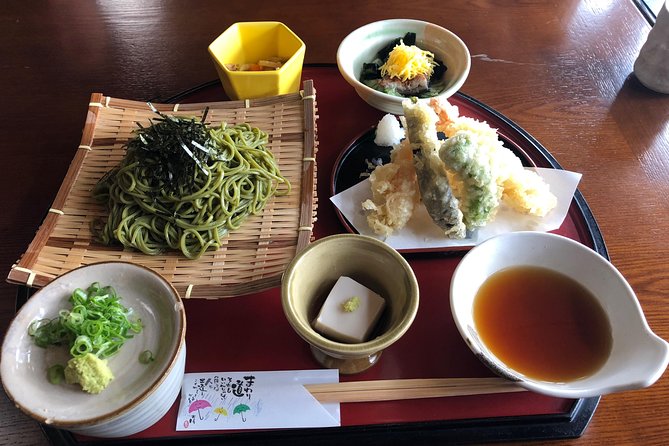
The tour includes matcha tasting, matcha making, wagashi sweets, matcha ice cream, lunch in a restaurant, and shopping time.
Is lunch included, and do I need to bring food?
Yes, lunch is included. The tour also notes that there is no need to bring food.
Is it vegetarian friendly?
Yes, it is vegetarian friendly. It also says it is not recommended for vegans and gluten-free diets.
Does the tour include admission tickets?
Byodoin Temple is listed as an admission ticket free stop. The overall listing also indicates admission ticket free for the Uji section.
How big is the group?
The maximum group size is 10 travelers.
Do I need hotel pickup or transportation?
Hotel pickup and drop-off are not included, and transportation costs are not included. The tour is near public transportation.
Can children join, and is there any age requirement?
Children must be accompanied by an adult. Passport information copy is required for kids 10 and above. The minimum drinking age is 21.
What is the cancellation policy?
You can cancel for free up to 24 hours in advance for a full refund. If you cancel less than 24 hours before the start time, the amount paid is not refunded.
More Tours in Uji
More Tour Reviews in Uji
Not for you? Here's more nearby things to do in Uji we have reviewed
Kyoto Tea Ceremonies, compared.
 ★ 4.9Tea Ceremony in a Traditional Tea House in KiyomizuFrom $493,519 reviews
 ★ 4.9Tea Ceremony Ju-An at Jotokuji TempleFrom $293,207 reviews
 ★ 4.345-Minute Tea Ceremony Lesson ExperienceFrom $222,378 reviews
 ★ 5.0World Heritage Kyoto & Nara Uji Authentic Matcha ExperienceFrom $1291,573 reviews
 ★ 4.9Table-Style Tea Ceremony at a Kyo-MachiyaFrom $451,211 reviews
 ★ 5.0Kimono Tea Ceremony at Kyoto Maikoya, NISHIKIFrom $65911 reviews
 ★ 5.0Arashiyama Bamboo Forest, Monkeys, Matcha & Temple TourFrom $53759 reviews
 ★ 4.9Tea Museum Tickets and Matcha Grinding ExperienceFrom $23739 reviews
Browse the lists this tour appears in