
Reviewed · KYOTO TEA CEREMONIES
Uji: UNESCO Heritage & Tea Ceremony Walking Tour
Uji feels quieter than Kyoto, yet just as meaningful. This 3-hour walk links UNESCO Byodo-in with a Taihoan tea ceremony, plus suspension-bridge views and shrine culture, guided in English.
I especially love how Byodo-in Temple is made clear and understandable, and I also like that the Taihoan tea ceremony has a step-by-step feel so you can follow along without guessing.
One drawback to plan for is the steady walking pace, including the suspension bridges, so it is not a good match if you have mobility limits or health concerns like breathing or heart problems.
Key highlights to plan for on this Uji UNESCO and tea walk
- Small group size (up to 9) keeps questions easy and the pace comfortable.
- Byodo-in Temple visit (about 50 minutes) gives you guided context for a UNESCO site that many people only skim.
- Taihoan tea ceremony (about 30 minutes) is the calm centerpiece, with rules you should know ahead.
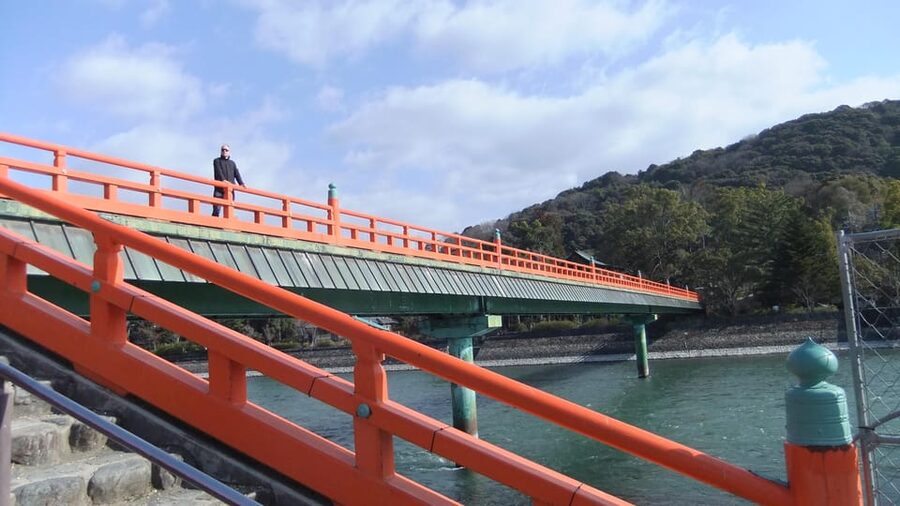
- Tachibara and Asagiri suspension bridges add big photo opportunities outside the tea room.
- Uji Shrine and Ujigami Shrine round out the spiritual story beyond matcha.
- Local snacks and matcha tastings turn history into something you can taste.
Entering Uji from JR Uji Station with a simple game plan
This tour starts at JR Uji Station, South Exit, where your guide is waiting in a TripGuru shirt or holding a TripGuru sign. You will end at Uji Bridge, so you can think of it as a walk that moves you across town in a natural line.
The timing is short, but not rushed. At 3 hours, you get a full hit of Uji without spending your whole day commuting. It is also a small group, limited to 9 people, which matters here because temples and tea spaces work best when everyone is not trying to squeeze forward.
If you are the type who likes to understand what you are looking at, you will do well. If you only want photos, you still get them, but you will lose some freedom during the tea ceremony.
You can also read our reviews of more walking tours in Uji

Byodo-in Temple, UNESCO attention: what you’re really seeing
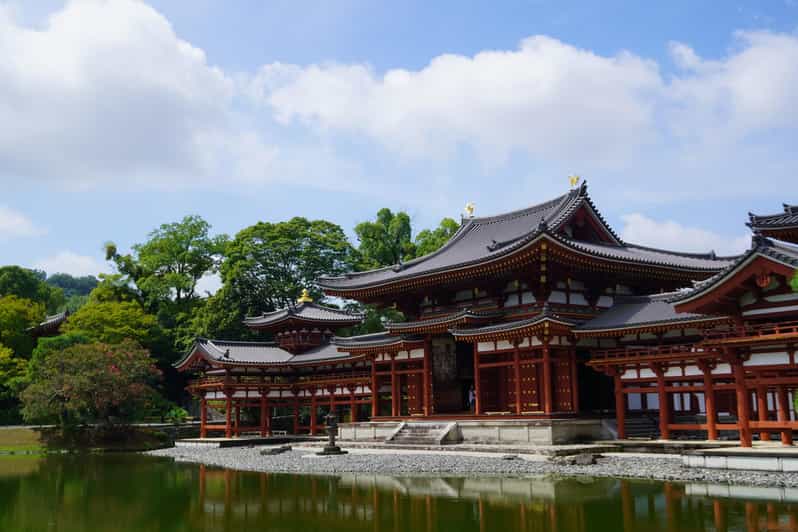
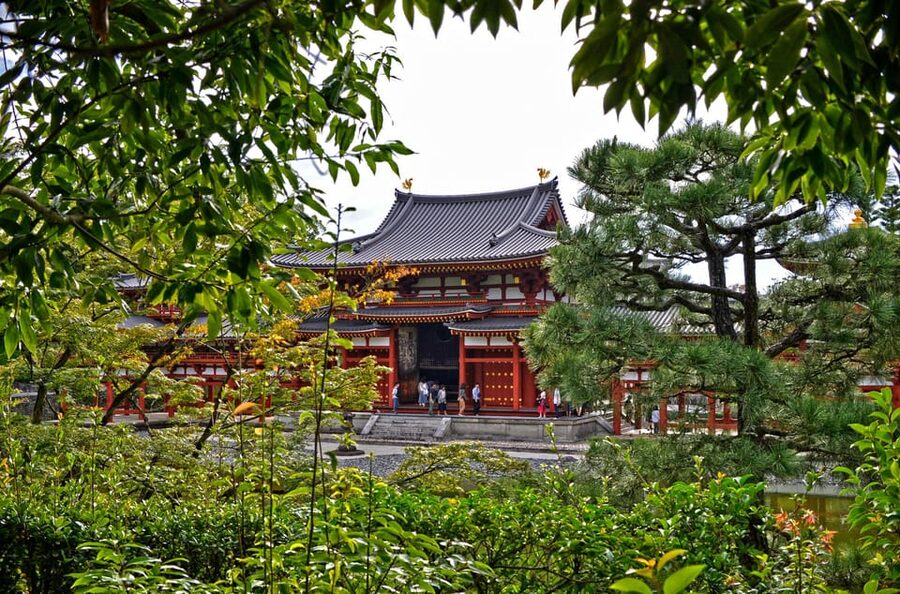
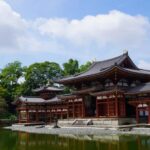
The first big stop is Byodo-in Temple, with a guided visit that runs about 50 minutes. This is the reason many people come to Uji in the first place, but the guide focus makes the visit more than just a checklist.
Here is what that guided time buys you. You are not just staring at architecture, you are learning how the site fits into the story of Uji and the traditions tied to worship and community. That context tends to make the details click, like why certain structures matter and what to notice when you walk through.
A practical note: temple visits work best when you slow down for a few minutes at each key point. You are in a group, but you can still control your own pace if you pause for a view and let your eyes adjust. If you are traveling solo, this stop is also a good place to ask your guide a question you have been wondering about.
Taihoan tea ceremony rules: the experience is calm, not casual
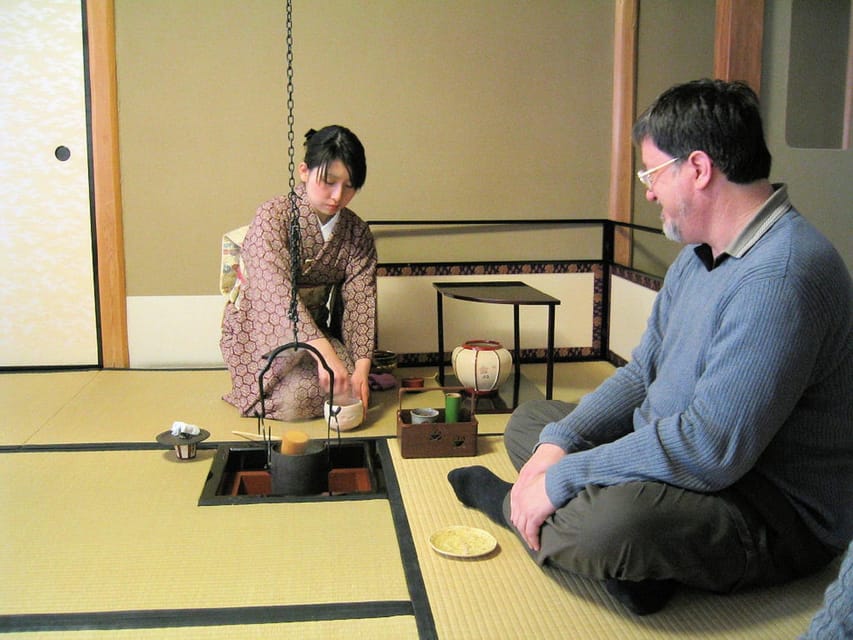
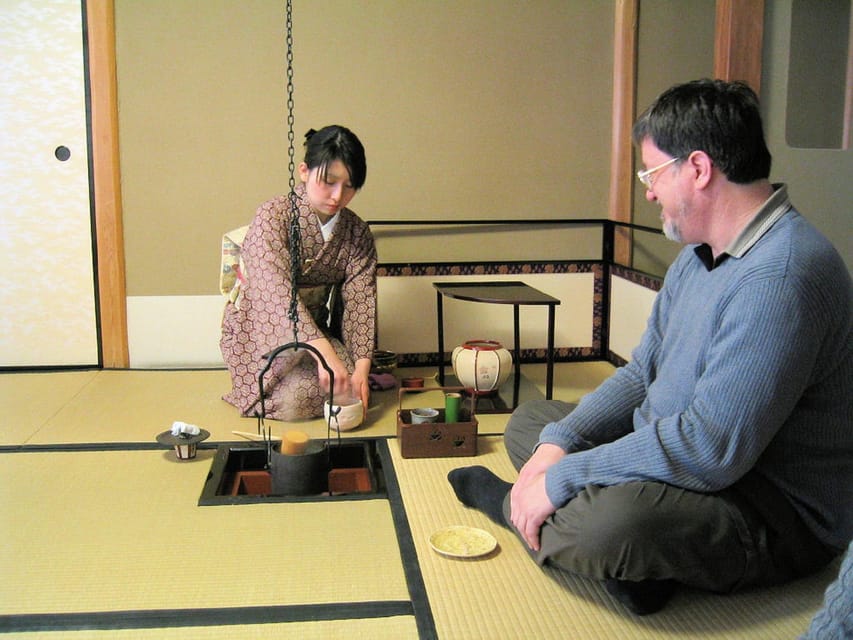
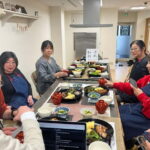
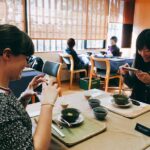
The centerpiece is the tea ceremony at Taihoan, slated for about 30 to 40 minutes depending on how the schedule runs. This is not a performance where you watch from a distance. It is a structured ritual where you follow along, and your guide translates what is happening even though the ceremony itself is conducted in Japanese.
Two rules matter a lot. First, photo and video recording are prohibited during the tea ceremony. Second, since the ceremony is Japanese only, listen closely for what the guide explains before you go in and between steps.
What I like about this is that it gives you a chance to learn the etiquette without feeling like you are doing it wrong. In the stories from past groups, the tea hosts and guides have been patient when someone needs clarification. Even if you are not the type who grew up around formal ceremonies, you can still participate in a respectful way.
What to bring into the tea room: patience and an open mind. You are trading a quick selfie moment for something quieter. And if you are a matcha fan, you will understand more about why the taste and texture come from the method, not just the ingredients.
Uji’s shrine pair, Uji Shrine and Ujigami Shrine: why they both matter
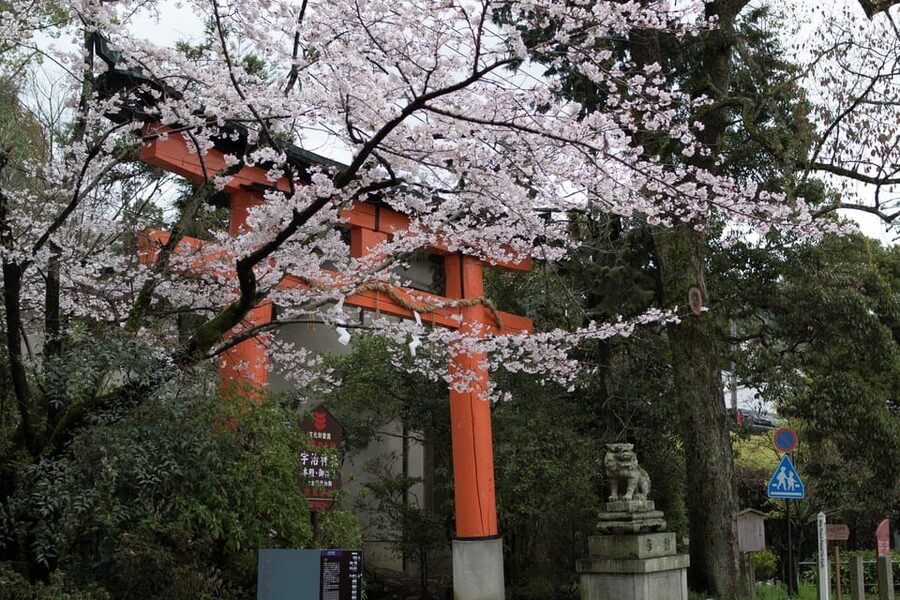
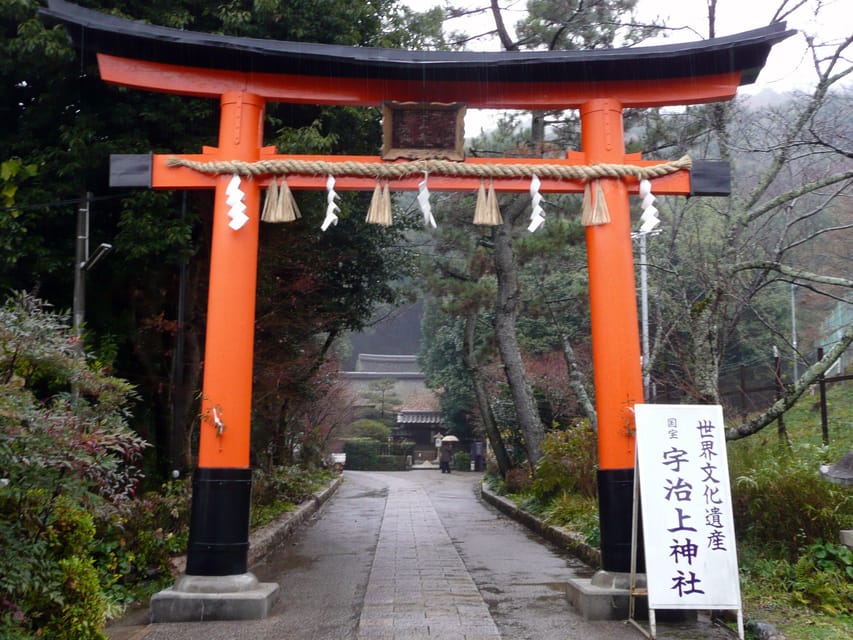
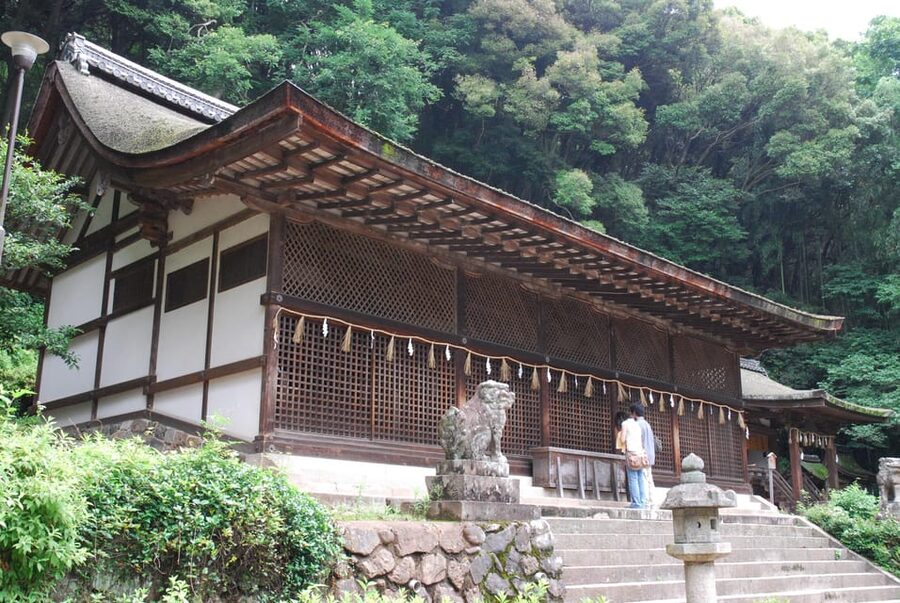
After the tea stop, the route continues to Uji Shrine and then Ujigami Shrine, with about 20 minutes at each. This is where the tour widens its view from Buddhist temple culture into shrine life, and it helps explain how religion in Japan often lives side-by-side with everyday habits.
If you only know Japan through big-name temples, this pair can be a reality check in the best way. Shrines are not just backdrops. They are part of a system of beliefs, rituals, and community identity.
During your time at each shrine, give yourself permission to look at smaller features. The guide’s job here is to point out what your eyes might otherwise skip. You will likely leave with a better mental map, not just photos of torii gates.
The suspension bridges, Tachibara and Asagiri: views you can actually enjoy
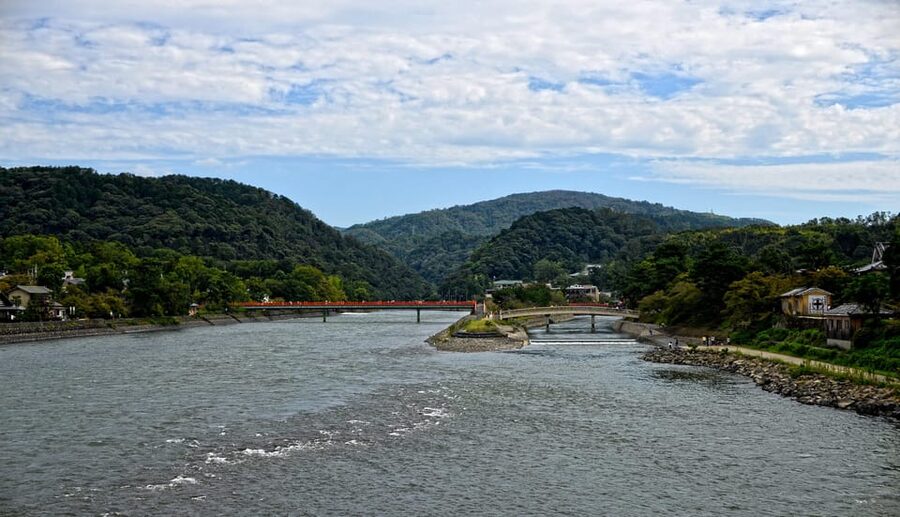
Next come the Tachibara and Asagiri suspension bridges, reached by a scenic stretch on foot. The walking segment is short, about 10 minutes in the schedule, but the reward is big: open views over Uji and the surrounding area.
This part is also a good spot to slow down and take a breath, literally. If your health allows it, the bridges add a different texture to the tour, shifting from indoor ceremony spaces to fresh air and wide angles. If your health does not allow it, take note that this route is not designed for slow, stop-and-start mobility.
Also, think about comfort. Comfortable shoes are a must. Even if you are not climbing, you are still moving for a few hours, and bridge walkways can make you more aware of your footing.
You can also read our reviews of more historical tours in Uji
Uji Bridge finish and local snacks: turn the day into taste
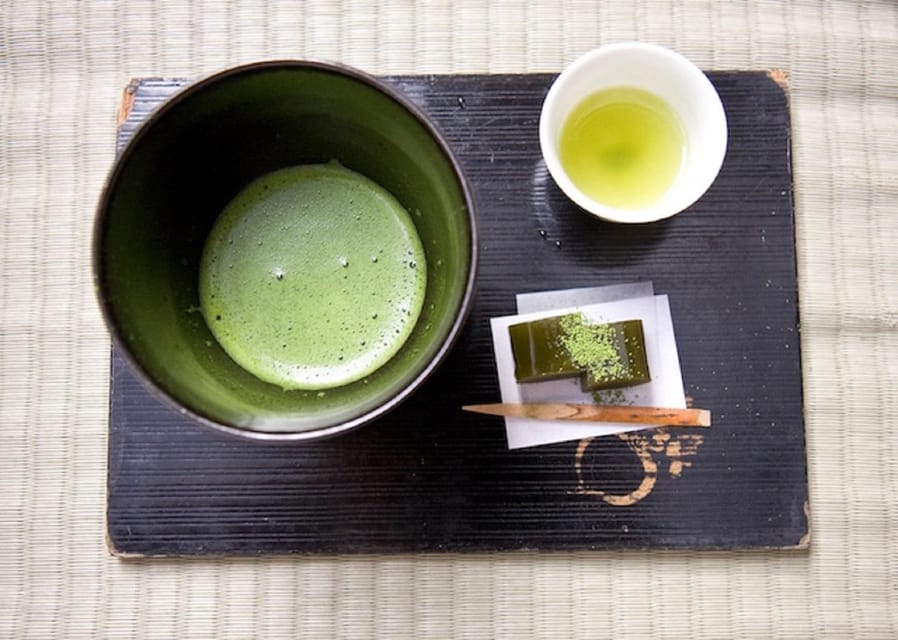
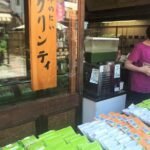
The tour ends at Uji Bridge, and before that you get local snacks for about 40 minutes. This is where you cash out the matcha theme in a practical way: you can taste what Uji is known for and ask your guide what to buy if you want to replicate it later.
What snack time does well on this tour is pacing. You are already warmed up by temples and tea etiquette, so food feels like a natural reset. You also get a chance to compare flavors and textures rather than just buying the first matcha product you see.
Bring cash if you want to pick up extra items. It is explicitly recommended, and it is the easiest way to avoid a last-minute payment scramble.
If you are serious about matcha, use snack time to ask your guide what differences you should pay attention to. Not all matcha tastes the same, and a good recommendation can help you shop later with more confidence.
Price and value: is $66 for 3 hours fair
At $66 per person for a 3-hour small-group tour, the price feels reasonable because you are paying for three things that are hard to organize alone.
First, Byodo-in Temple entrance fees are included, which saves you time and avoids guesswork. Second, you get an English-speaking guide handling the history and culture in a way that makes the stops click. Third, you get a structured tea ceremony at Taihoan, where rules like no photos and Japanese-only explanation make the guide even more useful.
Where you might question value is if you are the kind of traveler who only wants casual sightseeing and does not care about etiquette or context. This tour is built around understanding, not just wandering.
For most people, though, $66 is a solid “pay once, learn a lot” deal, especially with a group capped at 9. You spend less time waiting around, and you get more direct attention when something is unclear.
Practical logistics that matter on a short walking tour
Start time timing can be tricky in the morning because heavy traffic is expected, and travel time estimates from apps can differ from reality. Give yourself slack when you are heading to the meeting point at JR Uji Station.
Then plan for the basics:
- Wear comfortable shoes, because you are on your feet for the whole route.
- Bring a camera, but remember you will not be able to record during the tea ceremony.
- Bring cash for snacks and any extras.
- Arrive at the meeting point at least 10 minutes early so the group can settle without stress.
One more point to consider: this tour is listed as not suitable for pregnant women, people with mobility impairments, and people with heart problems or respiratory issues. That makes sense for a walking route that includes suspension bridges. If you are unsure, choose a safer, more flexible activity on the same day.
Who this Uji tour is best for, and who should choose something else
This is a great fit if you want a focused half-day experience with a clear route. It is also ideal if you like cultural stops where a guide helps you notice what you might miss on your own.
You will likely enjoy it if:
- You care about temples, shrines, and tea culture, not just matching photo spots.
- You want a small group setting where the guide can answer questions.
- You want Uji in a manageable time window, 3 hours, without hopping all over town.
You may want to skip it if:
- You are not comfortable with walking and bridge crossings.
- You need an activity with no ceremonial rules, since tea ceremony etiquette includes restrictions like no recording.
- You have health concerns listed as not suitable for this tour.
Should you book the Uji UNESCO and tea ceremony walking tour?
If you like your travel days with a bit of structure and meaning, I think this is worth booking. The combination of Byodo-in Temple, a guided Taihoan tea ceremony, and the Tachibara and Asagiri suspension bridges gives you variety without feeling scattered.
Choose this tour over a solo day if you want context, not just sights. The guide-led explanations help you understand what you are seeing, and tea ceremony translation helps you participate without confusion.
Just be honest about your comfort level with walking and bridges, and respect the tea ceremony rules about photos. If that fits, you will leave Uji with a clearer sense of why this town became a tea center, and you will have tasted the story instead of just hearing it.
FAQ
Where is the meeting point and where does the tour end?
You meet at JR Uji Station (South Exit). The tour ends at Uji Bridge.
How long is the Uji UNESCO and tea ceremony walking tour?
The tour duration is 3 hours.
What is included in the ticket price?
Included are an English-speaking guide, Byodo-in Temple entrance fees, and a tea ceremony (listed as 30 minutes in the included details).
Is the tea ceremony in English, and can I take photos during it?
The tea ceremony is conducted in Japanese only, but your guide will translate for you. Photo and video recording are prohibited during the tea ceremony.
How large is the group?
The group is small, limited to 9 participants.
What should I bring with me?
Bring comfortable shoes, a camera (though you cannot use it during the tea ceremony), and cash.
Who should not book this tour?
This tour is listed as not suitable for pregnant women, people with mobility impairments, and people with heart problems or respiratory issues.
More Walking Tours in Uji
More Tours in Uji



More Tour Reviews in Uji
Not for you? Here's more nearby things to do in Uji we have reviewed
Kyoto Tea Ceremonies, compared.
 ★ 4.9Tea Ceremony in a Traditional Tea House in KiyomizuFrom $493,519 reviews
 ★ 4.9Tea Ceremony Ju-An at Jotokuji TempleFrom $293,207 reviews
 ★ 4.345-Minute Tea Ceremony Lesson ExperienceFrom $222,378 reviews
 ★ 5.0World Heritage Kyoto & Nara Uji Authentic Matcha ExperienceFrom $1291,573 reviews
 ★ 4.9Table-Style Tea Ceremony at a Kyo-MachiyaFrom $451,211 reviews
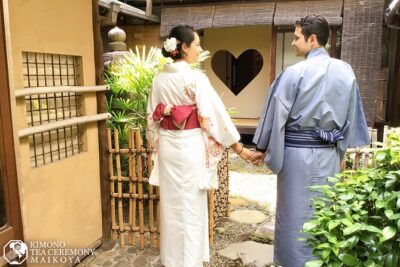 ★ 5.0Kimono Tea Ceremony at Kyoto Maikoya, NISHIKIFrom $65911 reviews
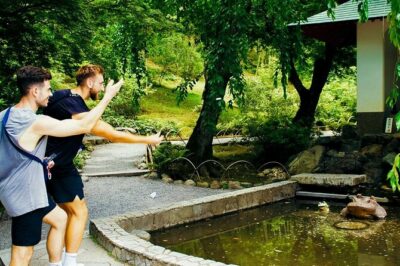 ★ 5.0Arashiyama Bamboo Forest, Monkeys, Matcha & Temple TourFrom $53759 reviews
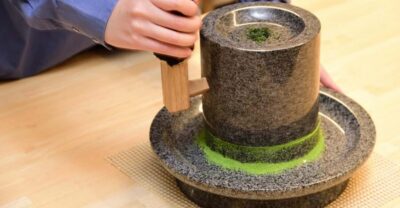 ★ 4.9Tea Museum Tickets and Matcha Grinding ExperienceFrom $23739 reviews
Browse the lists this tour appears in