
Reviewed · KYOTO TEA CEREMONIES
Kyoto tea town for matcha lovers
Uji turns matcha into a full day out. This half-day stroll through Japan’s tea town focuses on matcha culture, from how tea began to how it’s served in an authentic tea ceremony, with tastings along the way.
I love the mix of hands-on tea experience and real landmarks. You get to learn about tea origins and ceremony, plus try matcha treats like matcha rice cake skewers, then slow down for tea dishes at lunch.
One possible drawback is the heat and walking time. It runs about 5 to 5.5 hours, and summer can feel demanding, so wear good shoes and plan for warm weather.
Key highlights
- Small group (up to 7), so you can ask questions and move at an easy pace
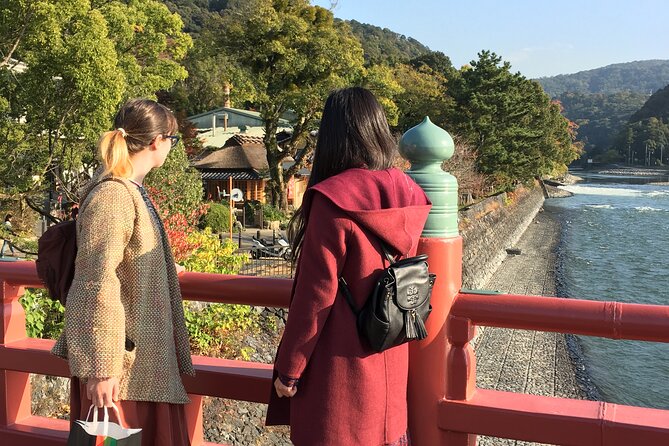
- Uji Shrine stop with free admission and a tea-related local vibe
- Tsuen Main Branch (850+ years old) plus matcha rice cake skewer tasting
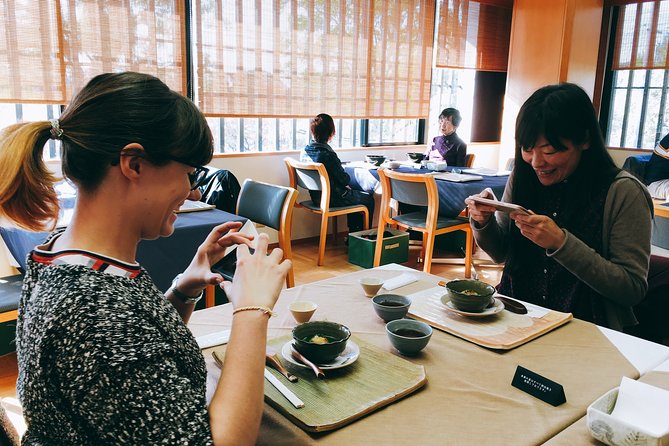
- Tea house lunch with tea dishes, then a traditional Japanese tea ceremony
- Hands-on matcha prep, with grinding mentioned by guests
- Uji Station start, a simple launch point on public transportation
Uji for matcha lovers: why this walking tour fits your day
Uji is the Kyoto area’s tea town, and this tour is built for people who want more than a quick snack stop. You’re in and around historic tea spots where you can connect the dots between the plant, the processing, and the ceremony culture.
The timing is also practical. You start at 9:30am and you’re typically done in about 5 to 5.5 hours, returning back to where you began. With a maximum group size of 7 travelers, it feels like a guided walk more than a conveyor belt.
If you’re the type who loves to taste as you learn, this works. The whole experience is organized around matcha and tea, with multiple moments to sample what Uji does well.
You can also read our reviews of more tours and experiences in Uji.

Meeting at Uji Station and keeping a comfortable pace
You’ll meet at Uji Station, and the tour ends back at the meeting point. That matters because it removes the stress of figuring out transit mid-tour, or needing to coordinate your return after lunch and ceremony.
You’ll also want to know the pace is walk-heavy. The activity calls for moderate physical fitness, so plan for streets, some distance, and outdoor time. This is especially important in warmer months. One guest even noted it was hot walking in June, so treat summer weather as part of the plan.
The best part here is how flexible the guide can be. Guests describe the host, Terumi, as patient and hospitable, and the tour as thoughtfully paced. That tends to matter on tours like this, because tea towns can be slow and winding, and you’ll likely want time for photos and questions.
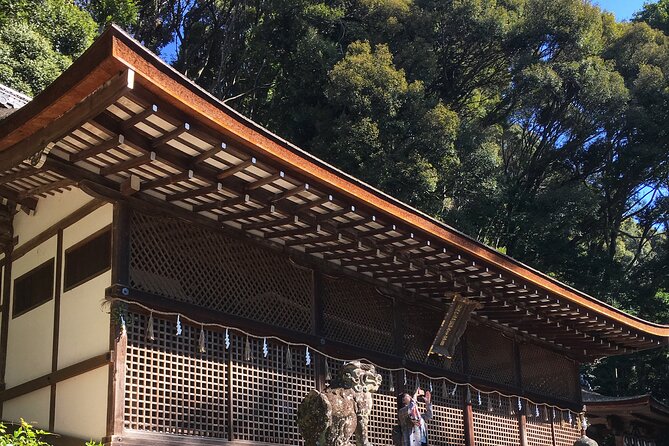
Uji Shrine stop: free entry and tea-town atmosphere
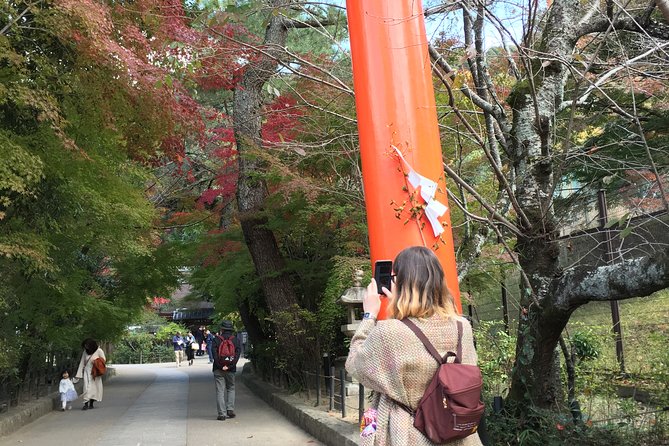
The first scheduled stop is Uji Shrine, with an allotted time of about 20 minutes and free admission. Even if you’re not a shrine expert, this stop gives you context fast. Uji is closely associated with sacred sites and the water culture that supports tea, and a shrine visit is a natural way to understand why the area feels so “rooted.”
You should expect a short, focused visit rather than an all-day temple tour. The goal is to set the mood and connect the story of tea to place, without dragging on.
Tsuen Main Branch: tasting at an 850+ year tea shop

Next you go to Tsuen Main Branch, one of the older tea shops in Uji, with an age of over 850 years. This stop is short, around 10 minutes, but it’s set up for sampling something specific.
Here you’ll try matcha rice cake skewers made with pure matcha powder. If you love the flavor of matcha but you also like variety, this tasting is a good pivot point. It shows how matcha isn’t only for drinking, it shows up in everyday sweets and snack-style food too.
Because the time is tight, come hungry for a snack-sized experience. You’ll get enough for a taste, not a full meal.
Tea houses and tea fields: learning while you walk
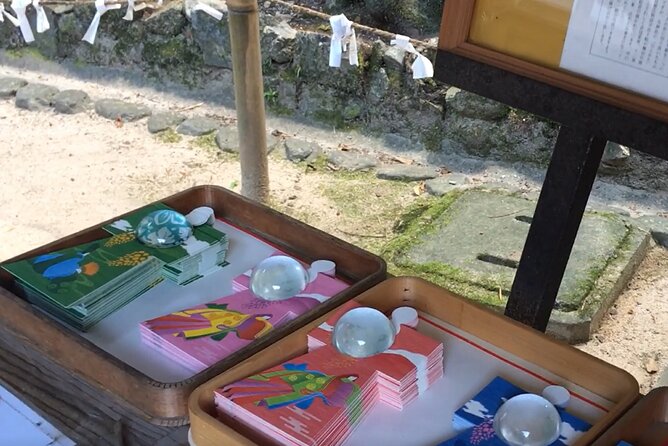
This tour is built around the idea that Uji is not just a place to buy tea, it’s a place where tea culture lives. As you stroll, you’ll be introduced to facts about the origins of tea and the art of the tea ceremony. You’ll also pass through areas tied to tea culture, including tea houses and tea fields.
What makes this section valuable is that it turns Uji into a story you can follow. You’re not just seeing shops. You’re building a mental map of how tea becomes flavor, then ritual, then hospitality.
You may also see additional historic shrine and temple areas during the walk. The tour description points to Uji being home to some of Japan’s oldest shrines, so expect a historic setting, not just shopping streets.



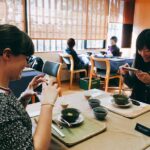

Lunch at a tea house with tea dishes
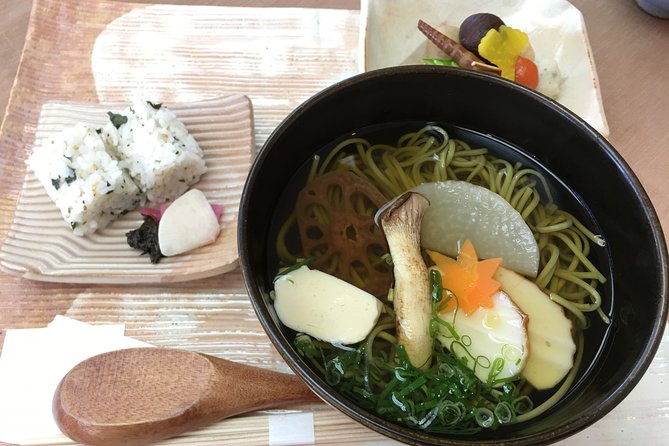
After your morning walking and tastings, you’ll stop for lunch at a tea house. The plan includes enjoying tea dishes, which keeps the meal aligned with the theme instead of feeling like a random break.
This is a smart part of the schedule. A tea ceremony later works best when you’re not running on empty, and lunch also gives you a chance to reset before the more structured experience.
Diet details are not listed in the information I have, so if you have strong food restrictions, it’s worth checking with the provider when you book.
Hands-on matcha prep and an authentic tea ceremony
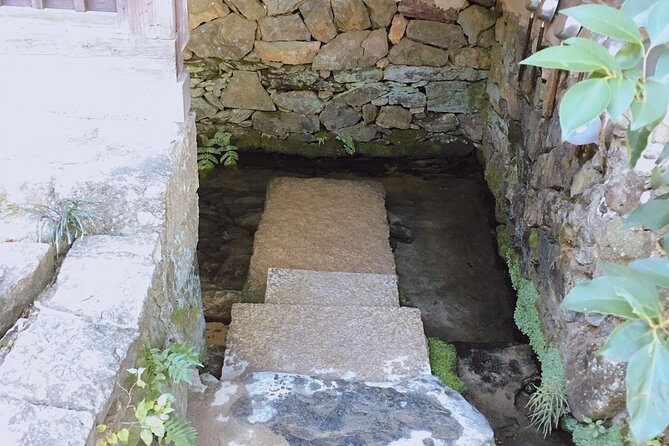
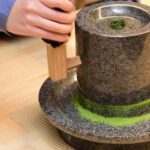
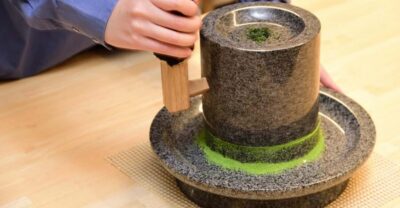
One of the most praised parts of this experience is the hands-on matcha element. Guests highlight grinding matcha themselves, including use of a stone mill. That’s a detail that makes the day more than tasting. You see the texture shift and you feel the effort behind that smooth green cup.
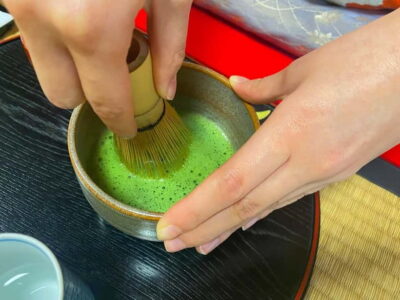
After lunch, the tour includes an authentic Japanese tea ceremony at a traditional tea house. This is the part where you slow down and watch how matcha is served as an art form, not a flavor shortcut.
Why this matters for you: most matcha experiences stop at drinking. Here you learn how ceremony connects to the mindset of hospitality, care, and attention to technique. You get a practical understanding of why the ritual exists.
Guests consistently mention the guide’s patience and willingness to answer questions. That’s key in a ceremony setting, because if you don’t understand what you’re seeing, it can feel like a performance. With a good guide, it becomes a lesson you can actually use.
Matcha treats, small shop time, and bringing Uji home
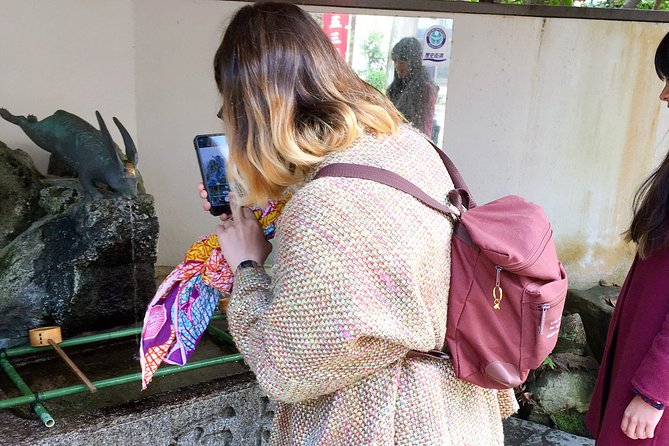
A big part of the fun is the variety of matcha flavors you’ll encounter during the walk. Guests describe matcha treats as excellent, and the tour style mixes tastings with cultural stops.
You’ll also have time to interact with local tea sellers and see historic shops. Some guests even mention that the guide helped them shop afterward as a translator, which is a real advantage if you’re trying to understand what you’re buying and how it differs.
This is your chance to buy gifts or personal supplies with better context than a blind purchase. If you’ve tasted multiple styles, you’ll understand what you like and what you want to try at home.
Practical note: if you plan to buy matcha, think about how you’ll carry it back. Small containers are easiest for travel days.
Price and value: is $157.65 worth it?
At $157.65 per person, this isn’t the cheapest Uji experience. But it’s not priced like a basic walk either. You’re paying for a guided, themed day that includes multiple structured stops, food tastings, a tea house lunch with tea dishes, and an authentic tea ceremony.
You also get a very small group size, capped at 7 travelers. That increases the guide’s attention and usually makes it easier to ask questions, especially during hands-on parts and the ceremony.
Another value point is what’s included around the edges. Your shrine stop is free admission, and the tour is designed to pack learning and sampling into about half a day. If you just “do Uji on your own,” you might save money, but you’ll likely miss the flow and the explanations that turn each stop into something you can remember.
So I’d judge this as value for matcha lovers who want a guided, structured day, not just a casual stroll.
When to go, what to pack, and how to handle the heat
The tour works in good weather because the activity notes a weather requirement. That means you should plan to check forecasts close to your date.
Packing suggestions are simple, but important:
- Wear comfortable walking shoes with good grip.
- Bring water and consider sun protection for warmer months.
- If you’re visiting in summer, treat heat like an active ingredient, not an annoyance. One guest noted it was hot walking in June, and that lines up with the reality of a walking-based tour.
Also, bring a light layer if the day turns breezy around tea houses and indoor ceremony spaces.
Who should book this matcha town tour
This is a strong fit if you:
- Love matcha and want to learn the culture behind it
- Want hands-on preparation, including grinding matcha
- Like guided history and context, not just shopping
- Prefer smaller groups and a patient, friendly host
It also seems family-friendly in practice. One review specifically calls out the tour as a highlight for a family, including matcha-making, tea ceremony, tea farms, and local shops.
If you’re not interested in food tastings or ceremony, the day might feel too structured. And if you hate walking outdoors for 5 to 5.5 hours, you’ll want to weigh your comfort level carefully.
Should you book Kyoto tea town for matcha lovers?
I’d book this if Uji is your matcha mission and you want a guided day that connects taste, technique, and tradition. The small group size, the praised guidance from Terumi, and the pairing of lunch plus an authentic tea ceremony make it feel like a complete tea experience, not a quick stop.
Skip it or reconsider if you’re price sensitive and you’d rather roam Uji independently. Also think twice if you know you struggle in heat, since this is a walking tour and the day can feel warm in summer.
If you do book, go in with curiosity. Ask questions during the ceremony. Taste with intention. And if you find yourself falling in love with matcha flavors, this is one of those days that turns that love into real understanding.
FAQ
How long is the matcha town walking tour in Uji?
It runs about 5 hours to 5 hours 30 minutes.
Where does the tour start, and what time is it scheduled?
The tour starts at Uji Station, and the start time is 9:30am.
How many people are in the group?
The tour has a maximum of 7 travelers.
Which stops are included during the tour?
The itinerary lists Uji Shrine and Tsuen Main Branch as stops.
Is lunch included in the tour?
Yes. The tour includes stopping for lunch at a tea house to enjoy tea dishes.
Do you participate in any matcha-making during the experience?
The experience includes an authentic Japanese tea ceremony, and guests mention making matcha themselves, including grinding matcha.
What is the required fitness level?
You should have a moderate physical fitness level.
Does the tour depend on weather, and what happens if it is canceled?
The experience requires good weather. If it is canceled due to poor weather, you will be offered a different date or a full refund.
More Tour Reviews in Uji
Not for you? Here's more nearby things to do in Uji we have reviewed
Kyoto Tea Ceremonies, compared.
 ★ 4.9Tea Ceremony in a Traditional Tea House in KiyomizuFrom $493,519 reviews
 ★ 4.9Tea Ceremony Ju-An at Jotokuji TempleFrom $293,207 reviews
 ★ 4.345-Minute Tea Ceremony Lesson ExperienceFrom $222,378 reviews
 ★ 5.0World Heritage Kyoto & Nara Uji Authentic Matcha ExperienceFrom $1291,573 reviews
 ★ 4.9Table-Style Tea Ceremony at a Kyo-MachiyaFrom $451,211 reviews
 ★ 5.0Kimono Tea Ceremony at Kyoto Maikoya, NISHIKIFrom $65911 reviews
 ★ 5.0Arashiyama Bamboo Forest, Monkeys, Matcha & Temple TourFrom $53759 reviews
 ★ 4.9Tea Museum Tickets and Matcha Grinding ExperienceFrom $23739 reviews
Browse the lists this tour appears in