

Reviewed · KYOTO TEA CEREMONIES
Uji Tea Ceremony and UNESCO Heritage Walking Tour
Tea, temples, and matcha in one tidy walk. This 3-hour Uji experience strings together UNESCO sights, tea culture, and photo-worthy bridges in a way that feels made for real schedules. You get a guided visit to Byodo-in and a traditional tea ceremony at Taihoan, the place tied to Japan’s earliest green tea story.
What I like most is how the tour gives context as you walk, not just checklists. You also get real structure: a guided temple stop with admission, then a short but complete tea ceremony portion, plus additional stops around Uji’s shrines and bridges.
One consideration: the tea ceremony is 30 minutes, so it’s a “learn and experience” pace, not an all-day tea retreat.
Key Things to Know Before You Go
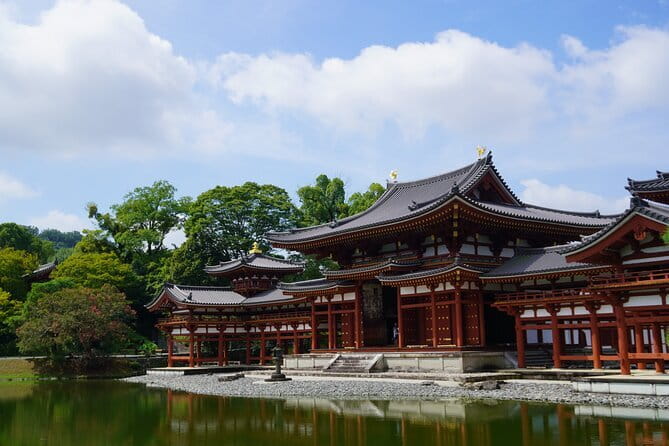
- UNESCO Byodo-in with admission included, plus time to take in the Phoenix Hall area
- Taihoan tea ceremony (30 minutes), with a guide helping you understand what you’re seeing
- Small group size (max 9), which usually means you can ask questions without shouting
- Scenic bridge stops along the way, kept short so you don’t lose momentum
- English-speaking guide who can explain significance and practical tips
- End at Uji Bridge with time to wrap up with green tea and local bites
Why Uji Feels Different Than Kyoto
Uji sits just outside the usual Kyoto scramble, but it has a calmer rhythm. It’s famous for green tea, and you can feel that theme in everything from the temple grounds to the final tasting stop.
This tour is built for people who want meaning, not just movement. You’re not racing through temples. You’re connecting the dots between sacred architecture, everyday tea culture, and the town’s quiet waterways.
You can also read our reviews of more walking tours in Uji

Meeting at Uji Station, Then Walking With a Plan
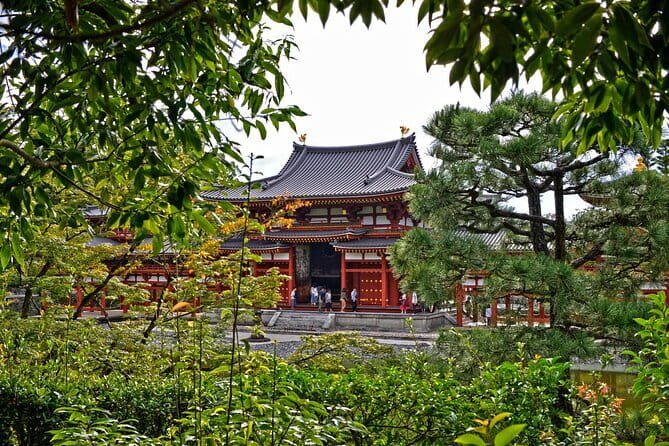
You start at Uji Station (9:45 am), then work your way to the historic sites around town, ending at Uji Bridge. The tour is designed as a compact circuit, so you’re not constantly figuring out transit or where you should be next.
The group stays small, with a maximum of 9 travelers. That matters because Uji is easiest when the group is tight, your guide can keep everyone together, and you have breathing room at photo stops.
Stop 1: Byodo-in Temple and the Phoenix Hall Details
Your first stop is Byodo-in Temple, a UNESCO World Heritage Site. The highlight is the Phoenix Hall, famous for its iconic shape and its deep historical reach, often described as more than 1,000 years old.
Admission to Byodo-in is included, which is a big practical win. It reduces your stress level, and it also keeps the visit timed so you’re not wandering and guessing how much time you should spend.
What to watch for here:
- Take your time reading the guide’s explanation before you start walking the grounds.
- Look toward the Phoenix Hall area as the “visual anchor,” then let the rest of the complex make sense around it.
- If you like museums, you may find there is time to appreciate the museum-like side of the Byodo-in complex during your temple visit.
This is the kind of stop where a good guide turns architecture into a story you can follow without needing a textbook. In past experiences tied to this tour, guides such as Nobumasa Myake have been especially praised for bringing history down to earth while you’re standing in the right place.
Stop 2: Taihoan Tea Ceremony (What You’ll Learn in 30 Minutes)
Next up is Taihoan, described as the birthplace of Japan’s green tea. This is the emotional center of the whole outing because it switches you from sightseeing mode to hands-on cultural practice.
The schedule is short on purpose. The tea ceremony time included is 30 minutes, and your total stop at Taihoan is about 40 minutes. In other words, you should expect a complete experience, but you won’t get endless repetition or long practice time.
Here’s what makes the tea ceremony part valuable:
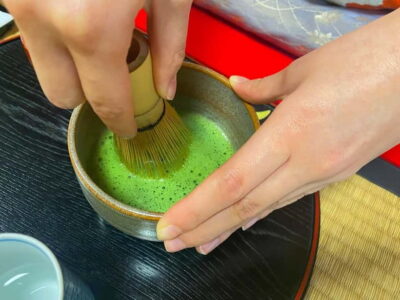
- You’re learning the steps and manners around making and serving tea, not just watching someone pour matcha.
- You get cultural context for why tea rituals matter in Japanese life and history.
- You leave with a better sense of what to notice later when you visit tea shops on your own.
If you’re the type who wants to ask lots of questions, this tour style helps. A guide can clarify the “why” behind movements and timing, and the small-group size keeps the flow calm.
If you want a name to remember, guides like Naoki and Maru have been singled out for being friendly and for making the tea stop feel understandable rather than formal and distant.
Stop 3: Asagiri and Tachibara Suspension Bridges for Quick Views
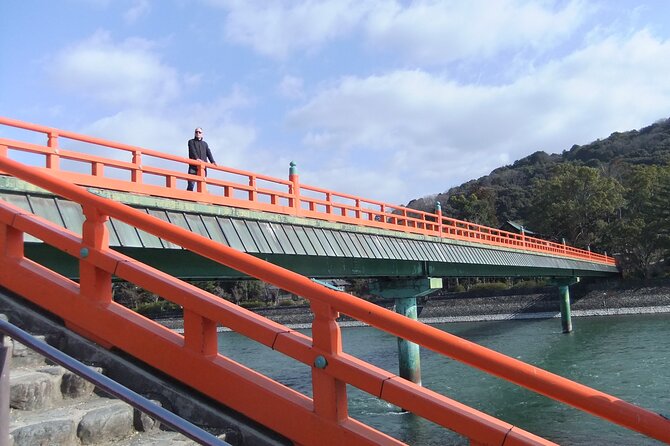
After Taihoan, you get a shorter outdoor break at the Asagiri Bridge area, plus the Tachibara and Asagiri suspension bridges. Your time here is about 15 minutes.
This part is not meant to be an all-day hike. It’s a quick visual reset, letting you see Uji’s water and bridge scenery while you’re still warmed up from the temple and tea stops.
Practical photo advice:
- Decide where you want your main shot first, then use the remaining moments to try a second angle.
- Bring a phone ready for light changes, because bridge areas can shift brightness fast near water.
Because the bridge segment is brief, it also keeps the rest of the day on track.
You can also read our reviews of more historical tours in Uji

Stop 4: Uji Shrine and Ujigami Shrine for a Calmer Pause
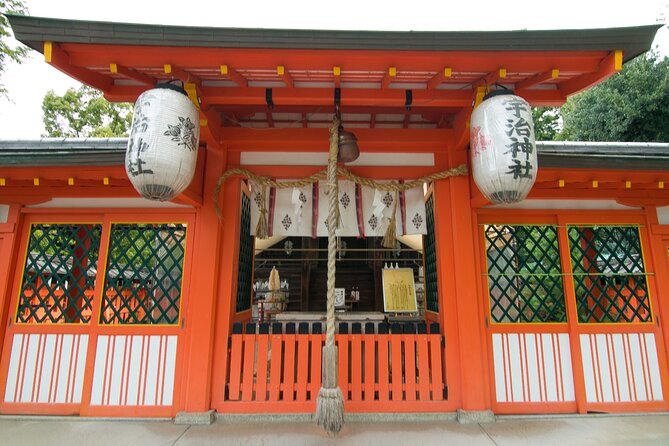
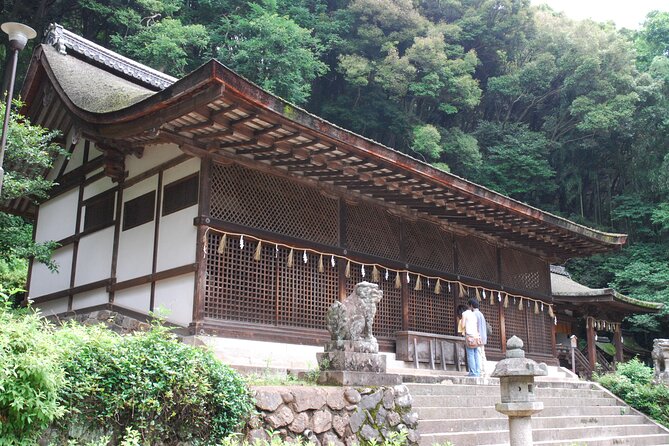
You’ll then visit Uji Shrine and Ujigami Shrine, with about 20 minutes here. These shrines are a good counterbalance to the earlier big landmark stop.
This is your chance to slow down. Even if you only catch the “high points” with a guide’s help, shrines reward that pause. The walk is still moving, but the mood shifts from impressive architecture to quiet attention.
What you should aim to do in this stop:
- Let your guide explain the meaning of what you’re seeing before you take photos.
- Look for details that tie to local tradition, not only the most obvious buildings.
- Use the time to reset your energy, so the final stop at Uji Bridge feels enjoyable rather than rushed.
Stop 5: Uji Bridge Finale, Matcha Tasting, and Local Treats
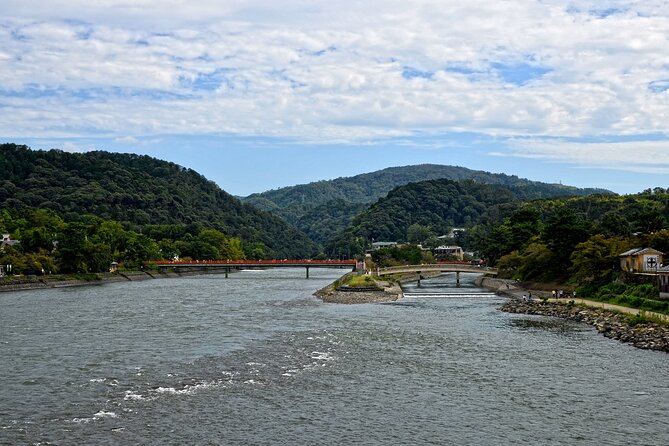
The tour ends at Uji Bridge (Otsukata Uji) after about 45 minutes. This is where Uji’s tea identity turns into something you can taste.
The experience includes sampling Uji green tea and local delicacies as your finale. This is a good design choice because you’re not trying to eat right at the beginning when you’re fresh and distracted. You’ve built context first, then the flavors land with more meaning.
Even if you’re not a big foodie, this finale is still worth paying attention to. Matcha is one thing, but the overall tea culture is another. The guide’s explanations help you notice differences in how tea shows up in sweets and simple foods.
A nice bonus from some guide styles tied to this tour is that they often share suggestions for matcha places to visit after the tour. For example, guides like Naoki have been praised for giving follow-up ideas so you can keep exploring once you’re back on your own.
Group Size, Pacing, and Why the Experience Feels Easy
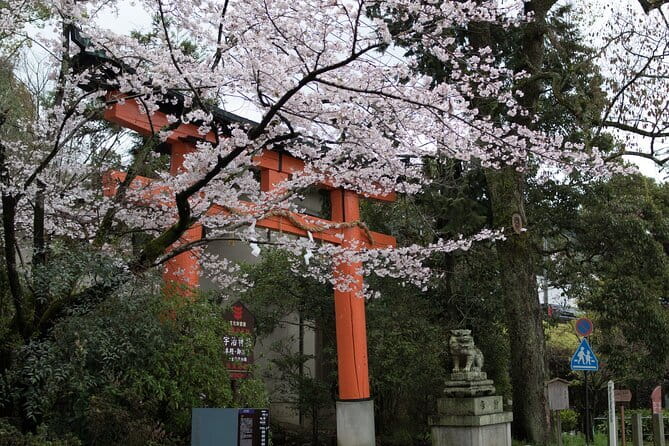
The tour is timed for a 3-hour (approx.) experience, and it moves from indoor to outdoor to tasting in a way that makes sense. You won’t spend half the day stuck in transit or waiting around.
Because the max group size is 9, your guide can keep a friendly tempo. That tends to make a big difference at temples and tea venues, where people naturally slow down and look around.
If you’re traveling with kids, this pace can work well too. One helpful signal from past participants is that the timing kept things manageable for families, without turning the day into a sprint.
Guides: Friendly Explainers With Real Practical Value
A tour stands or falls on the guide. Here, that part is heavily supported by real feedback tied to this experience.
Guides you may encounter include Katsuhiko, Nobumasa Myake, Naoki, and Maru. Across these names, the recurring praise is consistent: they show up on time, communicate clearly before the walk, and explain why each site matters.
Here’s how that helps you as the visitor:
- You can read a temple or shrine without guessing.
- You understand what you’re supposed to look at during the tea ceremony.
- You get suggestions for what to do next in Uji, including where to find matcha afterward.
Even better, it’s not just facts. It’s the tone of the explanations. Several of these guides have been described as funny, kind, and easy to talk with, which matters when you want to ask a quick question and keep going.
Price and Value: Is $70 Actually Fair?
At $70 per person, this tour isn’t a budget stroll. It’s a culture-and-practice package. The value comes from what is included, not from how many places you can tick off.
Your included items are:
- English speaking guide
- Byodo-in entrance (admission is included)
- Tea ceremony time included (30 minutes)
- The rest of the walking stops (bridge and shrines) are listed as free admissions
So you’re paying for:
1) A guide who can translate Uji’s meaning as you go, and
2) Two paid experiences that are hard to piece together on your own without knowing where to start.
If you were to attempt a DIY version, you’d still need to coordinate timing, tickets, and the tea ceremony. Here, the schedule is already stitched together into one coherent morning.
What I’d Plan Around Before Booking
This is a morning-style walk starting at 9:45 am, near public transportation. If you’re staying in Kyoto, you’ll likely treat it as a half-day outing, then continue exploring afterward.
Weather matters. The experience requires good weather, and if it gets canceled due to poor weather, you’ll be offered another date or a full refund. That tells me the outdoor bridge and walking components are part of the core deal, so don’t plan it as your one fixed stop on a bad-weather day.
Also, bring a little patience. Even with a tight group, you’re touring temples and a tea venue. That means some waiting for your turn, and some slower pacing at the stops where people naturally linger.
When This Tour Works Best (And When It Might Not)
This tour fits you if:
- You want UNESCO architecture plus tea culture in one outing
- You prefer guided context over reading alone
- You like walking but don’t want a long hike
- You want a small group, up to 9 people
You might think twice if:
- You’re hoping for a very long tea experience, because the ceremony portion is 30 minutes
- You need a lot of flexibility for mobility, since it is a walking tour through multiple stops
Should You Book This Uji Tea Ceremony and UNESCO Walking Tour?
I’d book it if you want a focused, guided Uji day that actually explains the why behind the places. The combination of Byodo-in admission, a Taihoan tea ceremony, short scenic bridge time, and a tasting finale at Uji Bridge is a smart mix for a first trip to the area.
The biggest “buy” argument is that the tour doesn’t just point you at highlights. It helps you understand them, and you get follow-up context that can guide what you do next in Uji for matcha.
If you’re trying to choose between this and a more generic Kyoto sightseeing day, this one has a clear identity. Tea is the theme, temples are the setting, and the pacing is built so you finish the day with more than photos.
FAQ
What is the meeting point for the tour?
You’ll meet at Uji Station, located at 611-0021 Kyoto, Uji City, Uji, Uji Mototsuga 1716. The tour starts at 9:45 am.
Where does the tour end?
The tour ends at Uji Bridge, Otsukata Uji, Kyoto 611-0021, Japan.
How long is the tour?
The tour lasts about 3 hours.
How much does it cost?
The price is $70.00 per person.
What is included in the tea ceremony?
The tour includes an English speaking guide and a tea ceremony with 30 minutes included. Entrance fees to Byodo-in are also included.
What attractions do we visit?
You visit Byodo-in Temple, Taihoan for the tea ceremony, the Asagiri Bridge area, Uji Shrine and Ujigami Shrine, and you finish at Uji Bridge with green tea and local delicacies.
Is the tour near public transportation?
Yes, it is described as near public transportation.
What happens if weather is bad?
The experience requires good weather. If it’s canceled due to poor weather, you’ll be offered a different date or a full refund.
Can I cancel for a full refund?
Yes. Free cancellation is available if you cancel up to 24 hours in advance for a full refund, based on the local time of the experience.
More Walking Tours in Uji
More Tours in Uji



More Tour Reviews in Uji
Not for you? Here's more nearby things to do in Uji we have reviewed


Kyoto Tea Ceremonies, compared.
 ★ 4.9Tea Ceremony in a Traditional Tea House in KiyomizuFrom $493,519 reviews
 ★ 4.9Tea Ceremony Ju-An at Jotokuji TempleFrom $293,207 reviews
 ★ 4.345-Minute Tea Ceremony Lesson ExperienceFrom $222,378 reviews
 ★ 5.0World Heritage Kyoto & Nara Uji Authentic Matcha ExperienceFrom $1291,573 reviews
 ★ 4.9Table-Style Tea Ceremony at a Kyo-MachiyaFrom $451,211 reviews
 ★ 5.0Kimono Tea Ceremony at Kyoto Maikoya, NISHIKIFrom $65911 reviews
 ★ 5.0Arashiyama Bamboo Forest, Monkeys, Matcha & Temple TourFrom $53759 reviews
 ★ 4.9Tea Museum Tickets and Matcha Grinding ExperienceFrom $23739 reviews
Browse the lists this tour appears in