
Reviewed · KYOTO TEA CEREMONIES
Slow Cycling Tour at Uji’s Matcha Green Tea Fields and Heritage
Matcha and temples, but on a bicycle. Uji, south of Kyoto, is famous for tea, and this BROMPTON slow-cycling route strings together matcha stops and historic shrines at a pace that feels calm, not chaotic. You get an English guide and a small group setup, so you can actually ask questions instead of just following the crowd.
I love the simple rhythm here: ride slowly, hop off, look around, then ride again. Two standout strengths are the tea-focused stop at Chazuna (optional entry) and the mix of peaceful religious sites plus easy scenic breaks like Asagiri Bridge for photos. The main drawback to keep in mind is that a few highlights have optional paid admissions, like Chazuna and the Byodo-in Phoenix Hall, so your total day cost can creep upward depending on what you choose.
Key things to know before you pedal Uji
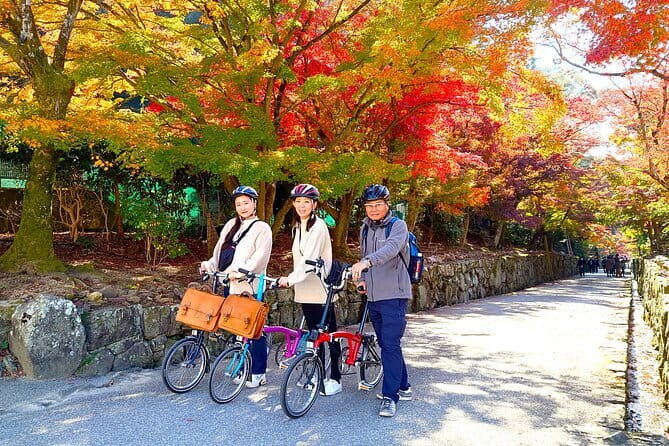
- Small group, easy pace: Up to 6 people, with slow cycling that works well even if you are not super confident on a bike.
- A real tea-culture starting point: Chazuna helps you understand how Uji’s tea fits into Kyoto’s broader traditions.
- Historic stops with breathing room: Shrines and temples are timed so you can stop, read, and take photos without feeling rushed.
- River calm built into the route: The Uji River and Amagase Bridge area are the kind of breaks that reset your brain.
- Photo-friendly ride vibe: A Brompton turns everyday streets into something you want to remember in a few frames.
- Practical gear included: Helmets and transport bags are provided, so you can travel lighter.
Uji by Brompton: why this half-day feels smarter than hopping by bus
Kyoto’s main sights can be intense, even when you do everything right. Uji gives you the same tea-and-heritage vibe, but at a slower tempo, and getting there by bike is the key. The BROMPTON style matters because it keeps the day feeling manageable. You are not stuck on a rigid bike posture or wrestling with a bulky setup, so you can focus on the route and the stops.
What makes this tour a good fit for many people is that it is designed as slow cycling. That does not mean you will be crawling, but it does mean the schedule leaves room for walking a bit at temples, taking in the grounds, and asking your guide what matters. You are also riding with an English guide, which helps a lot in Uji where the signage and details are not always geared toward casual English reading.
The other win is that you do not just see the postcard spots. The day is built around tea culture and the kind of spiritual sites Uji is known for, including locations tied to academic success and childbirth success beliefs at Uji Shrine. If you like meaning and context, this tour gives you both movement and explanation.
You can also read our reviews of more tours and experiences in Uji.

How slow cycling works, and what you still control
Slow cycling is the whole point, so do not worry about “workout tourism.” This tour is described as easy for people who are not confident about physical fitness, and the ride time is framed as a 4 hours 30 minutes experience that returns to the start.
Still, there are a few things you control that can change the feel of your day:
- Your comfort pace: You can keep it gentle. The group size stays small, which helps your guide keep everything smooth.
- Where you want extra time: The tour course can be arranged according to your wishes, so if you want more time around a bridge view or a quiet temple path, you can ask.
- Refreshment timing: Snacks are not included, but the navigator can suggest places based on what you want, which is useful if you have dietary needs or want something specific for lunch.
The day also includes a modern, practical setup: helmets and bags for wheeled transport are included, plus the bicycle rental and navigator fee are covered. That removes a lot of the friction that usually ruins half-day plans.
Chazuna, tea culture, and Uji’s why-this-matters start
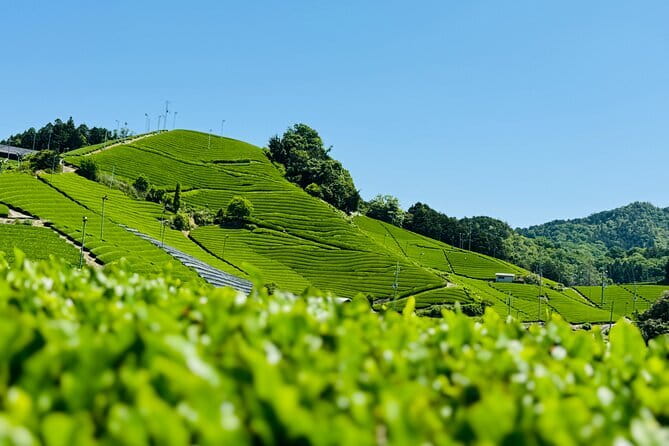
Most tea towns just point you at a shop and call it culture. This one starts with learning. Stop 1 is Tea and Uji Town Exchange Centre Chazuna, timed at 45 minutes. It is where you can learn about Kyoto’s tea culture and history, which is exactly the context that makes later matcha experiences more interesting.
Important cost note: Chazuna entrance is optional and not included in the base price. The listed option is 600 yen. If you are a matcha fan, I think this is the best “optional” ticket on the route because it gives you the background you can connect to what you see later.
Even if you skip the paid entry, arriving at Chazuna first works as a mental reset. You get oriented to what makes Uji special, so the rest of the tour feels less like a checklist and more like a story.
Shrine pairings: Uji Shrine and Ujigami Shrine at an unhurried pace
Stops 2 and 3 are both free and centered on historic shrines:
- Uji Shrine: 30 minutes, free entry
This shrine has a history of more than 1,700 years, and it is believed to be beneficial for academic success and childbirth success.
- Ujigami Shrine: 30 minutes, free entry
It is paired with Uji Shrine, and a spring called Kirihara Water, one of the seven famous waters of Uji, still gushes from the grounds.
The practical value here is pacing. Thirty minutes per shrine is enough to look around, absorb details, and not feel like you are sprinting between gates. Also, the pairing is interesting because you are not just seeing random religious sites. You are seeing how the shrines relate to one another and how Uji’s water and beliefs connect.
If you enjoy history with a human angle, these stops do that. If you are more into scenery than meaning, you may still appreciate the calm grounds and the chance to slow your step.
Asagiri Bridge photos: quick, scenic, and worth the 15 minutes
Stop 4 is short on purpose: Asagiri Bridge for 15 minutes, free. This is the kind of break that keeps your day from feeling too “museum-like.”
You are mostly here for views and photos over the Uji River. It is also a useful reset point where the group can regroup, check bikes, and take a breath before the temple-and-trail segments.
Because it is only 15 minutes, you do not need to obsess over timing. Just do your quick photo, then get back to the river vibe.
You can also read our reviews of more historical tours in Uji
Kōshōji Temple and the Kotosaka slope: stone walls and Zen calm
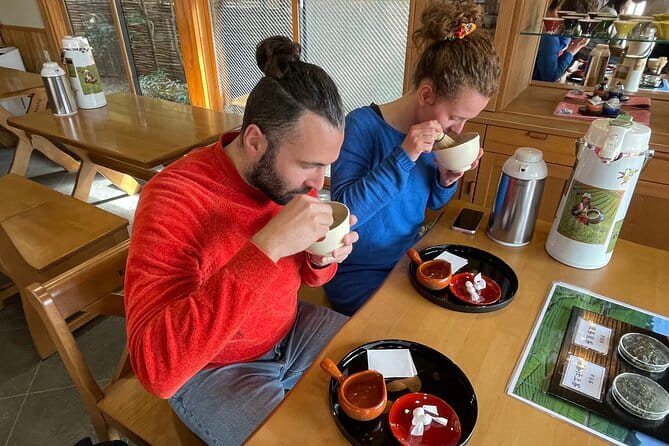
Stop 5 is Koshoji Temple (Kōshōji) for about 30 minutes, free. It is a Zen temple with about 800 years of history, and a highlight is the Kotosaka slope from the stone gate to the temple grounds. The path is made with stone walls, so the approach feels designed, not accidental.
This is one of those stops where your senses slow down. The stonework and the path layout create a natural walking pace, which matches the “slow cycling” theme. If you like temples for architecture and atmosphere, you will likely spend a little extra time looking instead of rushing through.
One small consideration: temple grounds sometimes involve stairs or uneven surfaces. The tour is described as easy, but you should still wear comfortable shoes.
Amagase Dam trail and Amagase Bridge: where Kyoto noise fades
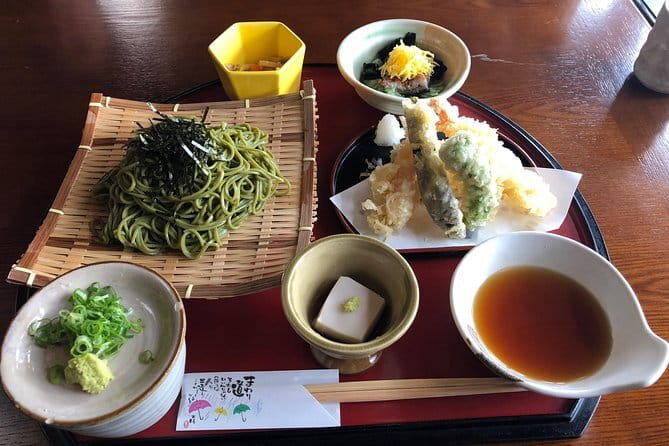
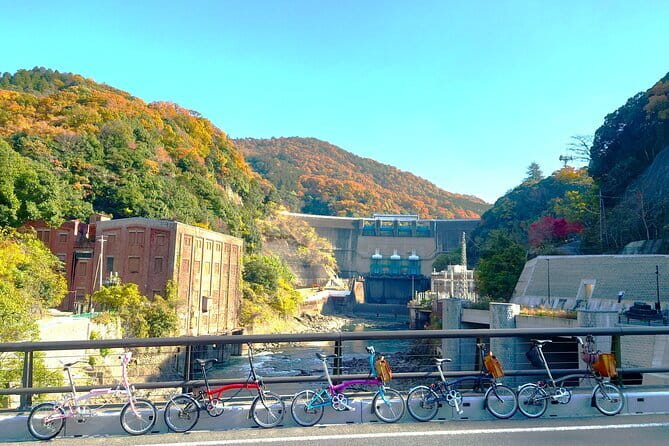
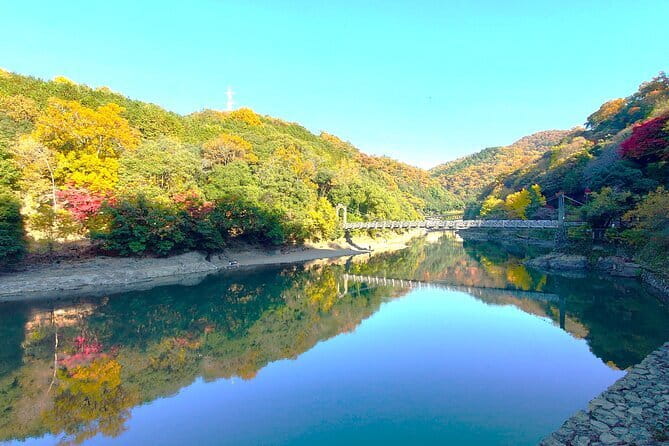
Stop 6 is the long scenic stretch: Amagase Dam with a nature trail along the Uji River for about 1 hour, free. There is a trail that leads to the wooden Amagase Bridge, and the view over the valley is described as so tranquil that Kyoto’s hustle and bustle feels gone.
This is where the tour earns its “slow” label in a serious way. Cycling gets you from place to place, but walking the river-side trail is what gives you that hush. Even if you have seen other Japanese rivers and bridges, Uji’s setting tends to feel more intimate, and the wooden bridge viewpoint is the kind of photo that looks better because you actually had a minute to calm down before taking it.
If you are traveling in hot weather, you might still find this portion more bearable than you expect, since river routes and trails can offer pockets of shade, depending on the day. This is not guaranteed shade, but the structure of the stop tends to make it feel cooler than a full exposure city walk.
Byodo-in Omotesando: your optional Phoenix Hall moment plus tea shop time
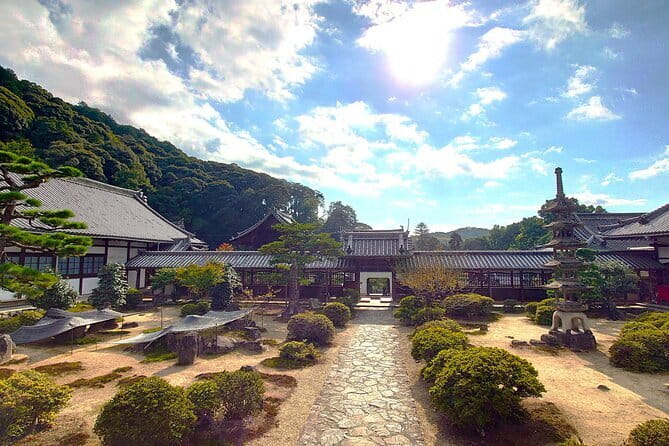
The final stop is Byodo-in Omotesando for about 1 hour. This part is where you can choose your balance between classic heritage and a softer tea break.
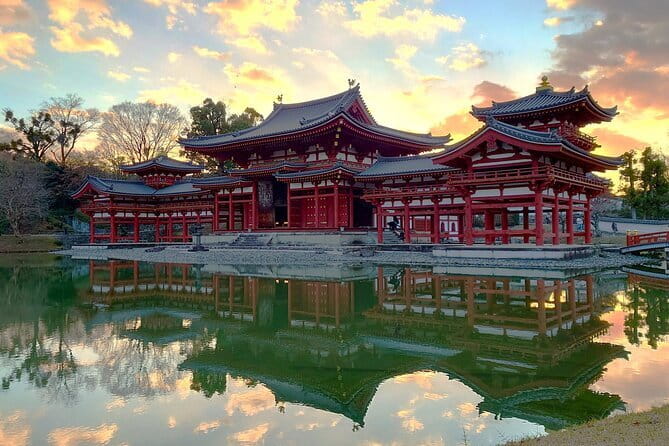
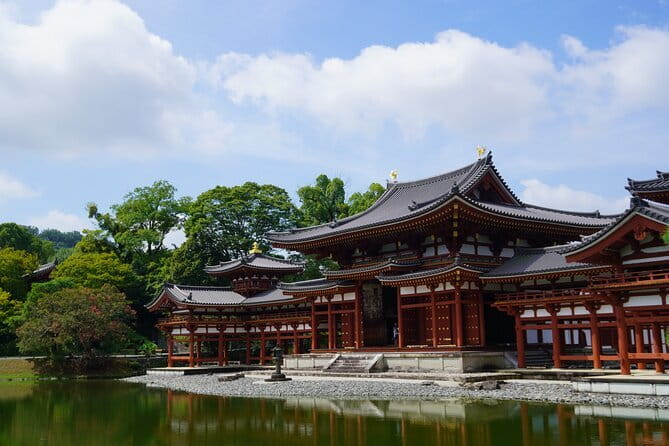
Option A: visit Byodoin Phoenix Hall, which has an optional entrance fee of 700 yen.
Option B: stop for a cup of tea in one of Uji’s unique tea shops.
Why this ending works: it finishes the day with either a “big ticket” site or with matcha-style downtime. If you are a matcha fan, you will likely enjoy choosing tea shop time, because the whole day has been building context. The tour’s structure sets you up to order tea with more understanding than you would have at the start.
Also, you return back to the meeting point at the end, so this is not a one-way adventure. You get a complete half-day loop without having to figure out transit afterward.
Price and value: what $130.46 per person really buys
At $130.46 per person, you are paying for more than bike rental. The included items cover:
- Bicycle rental fee
- Exclusive navigator fee
- Riding equipment like helmets and bags for wheeled transport
- English guide
That matters because bike tours often hide costs. Here, the essentials are part of the price, which makes it easier to plan your day budget without surprises.
Then there are the optional extras:
- Chazuna entrance: 600 yen if you want it
- Byodoin Phoenix Hall: 700 yen if you want it
- Insurance option: 500 yen
- Snacks: not included, but the navigator will suggest places based on your preferences
So how do you judge value? I think this tour is best value when you do both optional paid cultural elements, because Chazuna sets the context and Phoenix Hall gives you a finale you can point to later. If you skip one or both, it becomes a more scenery-and-temples day, still enjoyable, just with fewer paid “wow” moments.
One more value detail: this tour has a maximum of 6 travelers. That small size helps the day stay calm, and it usually means your guide can tailor pacing and questions instead of herding a crowd.
The guide effect: why Takashi-style storytelling changes the day
The biggest consistent theme from guide-led experiences in Uji is that you get more than directions. With an English guide, the meanings behind stops matter. If your guide is someone like Takashi, you can expect friendly, clear explanations and a day that feels organized without being stiff.
What you should look for during the ride is not just “where do we stop,” but “what should I notice here.” On this kind of route, small details are the whole point, like why those two shrines belong together, or what Kirihara Water adds to the Uji story.
Also remember: the tour course can be arranged according to your wishes. That flexibility only works if the guide can read your interests, and that is where a strong navigator earns their fee.
What to expect on the ground: timing that keeps you from sprinting
The tour runs from 10:00 am and lasts about 4 hours 30 minutes, returning to the meeting point. Because the schedule mixes riding segments with timed stops, you do not feel trapped in a single activity for too long.
Here is the practical rhythm you will likely feel:
- Start with tea culture learning
- Then do a shrine pair, paced enough to actually look
- Quick scenic bridge break for photos
- Temple approach on stone paths
- Long, restorative river trail and wooden bridge viewpoint
- Finish with a heritage choice at Byodo-in Omotesando
If you like travel days that are structured but not frantic, this pacing tends to suit.
Where this tour fits best in your Kyoto plan
If your Kyoto days are packed with big-name temples and long transit, this is a great “breather” day. Uji is close enough that it works as a day trip, but it has its own identity, centered on matcha.
I also think it works well if you want light physical activity without turning the day into a hard workout. Slow cycling plus easy walking at temples and bridges gives you movement, not strain.
It is also a good idea if you enjoy small-group atmospheres. A maximum of 6 people keeps the day from getting crowded at the stops. That is a big deal when temples and bridges are popular, because small groups spread out better.
If you are the kind of person who hates bike riding entirely, then this might not be your match. But if you can handle a gentle bicycle day, it is a strong choice for a half-day experience.
Should you book the Uji Slow Cycling tour with a Brompton?
Book it if you want a calmer, more meaningful Uji day. The best reasons are the tea culture start at Chazuna, the timed shrine-and-temple circuit, and the river trail break that helps you feel like you escaped Kyoto for a while. The small group size and included helmets and bike gear are real value boosters.
Skip or reconsider if you prefer purely self-guided walking and do not want any optional admissions or extra costs. Also consider that the experience depends on good weather, and a day like this is easier to enjoy when skies cooperate.
If your goal is to see Uji like an insider, not like a checklist, this is one of the cleaner ways to do it. Grab your Brompton, follow the tea story, and end with a matcha choice that feels earned.
FAQ
How long is the Uji Slow Cycling Tour?
The tour lasts about 4 hours 30 minutes.
Where do I meet, and does the tour end nearby?
You meet at Chatsubo Postbox Japan in Uji, Kyoto (Umonji 1716, near Uji Station), and the tour ends back at the same meeting point.
What is included in the price of $130.46 per person?
The price includes the bicycle rental fee, an exclusive navigator fee, riding equipment such as helmets and bags for wheeled transport, and an English guide.
What extra costs might I pay during the tour?
Insurance is available as an optional add-on for 500 yen. Chazuna entrance is optional for 600 yen, and Byodoin Phoenix Hall entrance is optional for 700 yen. Snacks are also not included, though the navigator can suggest restaurants based on your wishes.
What happens if the weather is bad?
This experience requires good weather. If it is canceled due to poor weather, you will be offered a different date or a full refund.
How many people are in the group?
The group size is capped at a maximum of 6 travelers.
More Tours in Uji



More Tour Reviews in Uji
Not for you? Here's more nearby things to do in Uji we have reviewed
Kyoto Tea Ceremonies, compared.
 ★ 4.9Tea Ceremony in a Traditional Tea House in KiyomizuFrom $493,519 reviews
 ★ 4.9Tea Ceremony Ju-An at Jotokuji TempleFrom $293,207 reviews
 ★ 4.345-Minute Tea Ceremony Lesson ExperienceFrom $222,378 reviews
 ★ 5.0World Heritage Kyoto & Nara Uji Authentic Matcha ExperienceFrom $1291,573 reviews
 ★ 4.9Table-Style Tea Ceremony at a Kyo-MachiyaFrom $451,211 reviews
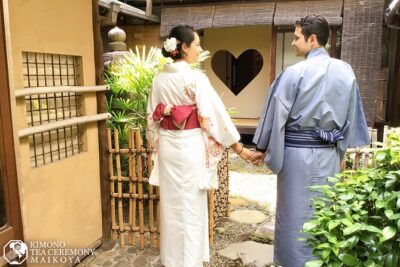 ★ 5.0Kimono Tea Ceremony at Kyoto Maikoya, NISHIKIFrom $65911 reviews
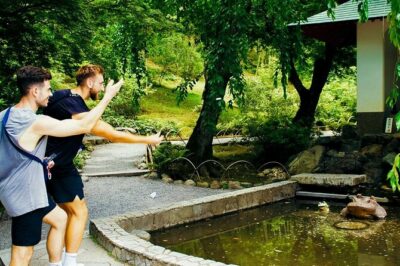 ★ 5.0Arashiyama Bamboo Forest, Monkeys, Matcha & Temple TourFrom $53759 reviews
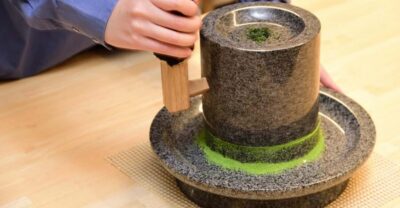 ★ 4.9Tea Museum Tickets and Matcha Grinding ExperienceFrom $23739 reviews
Browse the lists this tour appears in