
Reviewed · KYOTO TEMPLE & SHRINE TOURS
Uji: Green Tea Tour with Byodoin and Koshoji Temple Visits
Uji tea culture is a clever detour. This guided half day turns Kyoto’s tea region into a moving story, with temple stops at Byodo-in and Koshoji, plus a serious tasting of high-grade green tea. You also get the scenery, the river, and the mountain air, without the crush you feel back in central Kyoto.
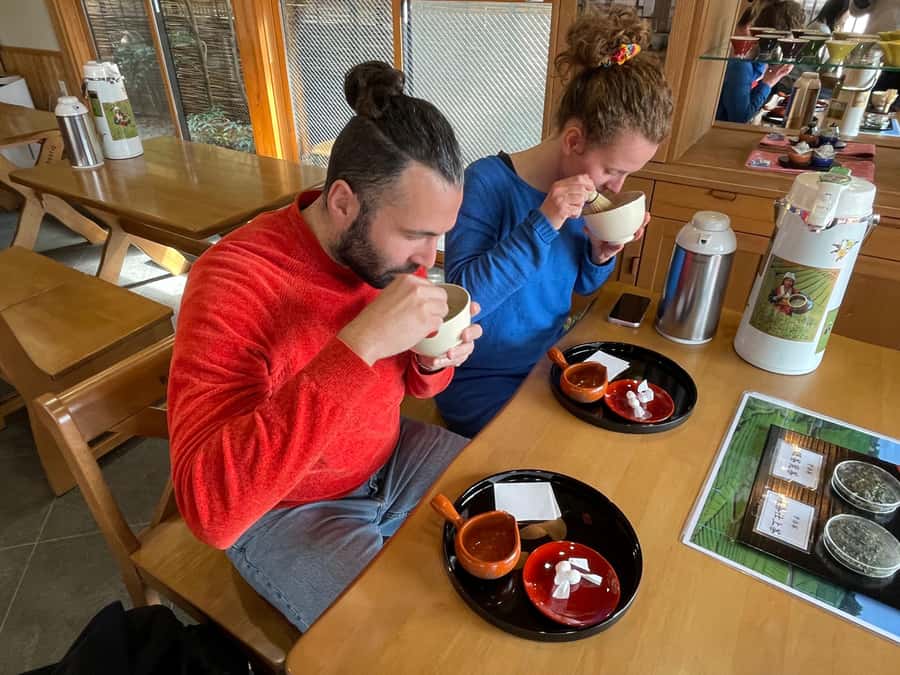
I love how the guide turns the cup into a hands-on lesson, starting with a gyokuro tasting and brewing explanation, then finishing with a practical flavor twist, mixing leftover leaves with ponzu and tasting the result. It makes the food and the history feel like one package.
One drawback to plan for: there are stairs, and the tour is not recommended if you have limited mobility, back problems, or heart problems.
Key things I’d circle before you book
- World’s oldest teahouse still operating (since 1160), where tea culture has kept going for generations
- Gyokuro tasting with a brewing lesson, so you understand what changes the flavor
- Ujigami Shrine and purification ritual, including a stone grotto water experience
- Byodo-in’s UNESCO site and modern museum, plus the Phoenix Hall story tied to samurai-era culture
- Koshoji Temple on the mountainside, for a calmer end after the busy tea street
Why Uji feels like a quieter Kyoto side trip
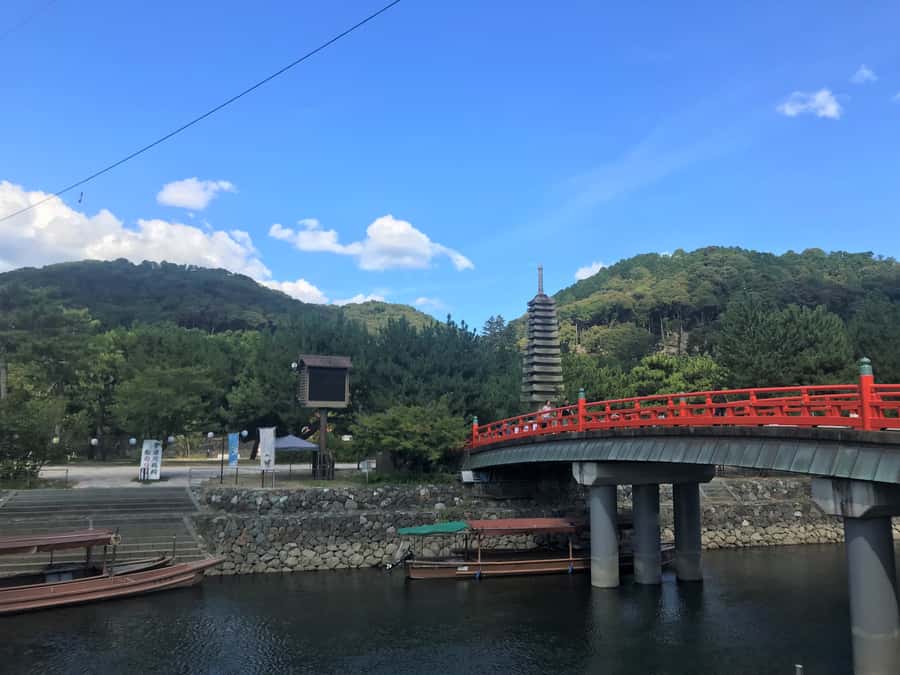
Uji sits in Kansai, about 30 minutes from central Kyoto by local train. That short hop matters. You leave the big-city pace, then step into a town that still feels like it has work to do and rituals to keep. The Uji River runs through it all, with mountain views that make even a simple walk feel special.
And yes, Uji has serious cultural weight. You’re visiting UNESCO World Heritage sites close together, within about a 10-minute walk of each other, so this isn’t a random day out. You get the tea story and the temple story in the same half-day frame.
You can also read our reviews of more tours and experiences in Uji.

Meeting at Keihan Uji Station, then getting into real flow
The tour starts at the only exit at Keihan Uji Station. There’s an escalator that takes you up to ground level, which helps if you’re arriving by train and want an easy first step. From there, you’re moving through Uji as a guided walk, not a “see everything fast” sprint.
It also helps that this is designed for smaller groups or private tours. You can ask questions without shouting over a crowd, and the guide can pace the day around your group.
The tour ends back at the meeting point, so you’re not stuck figuring out transit at the end when your legs are already negotiating with gravity.
Step into history at the world’s oldest operating teahouse
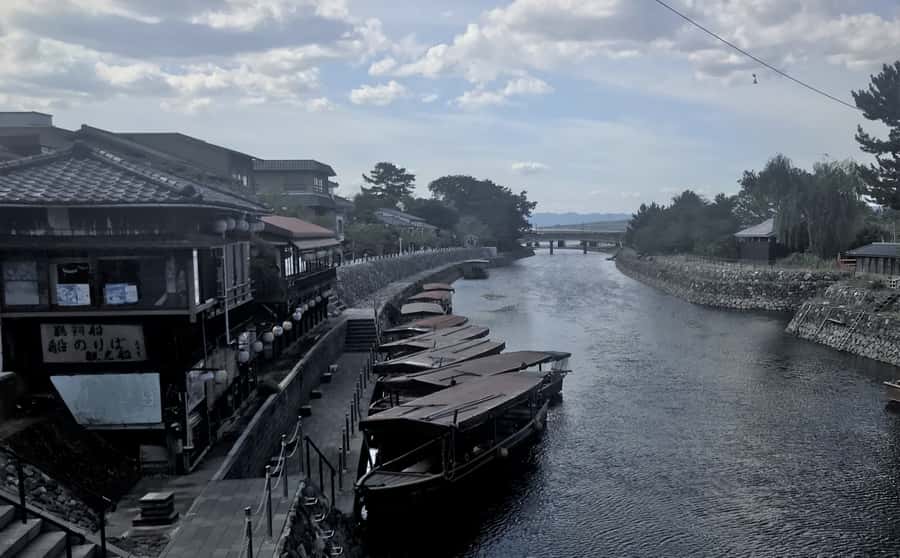
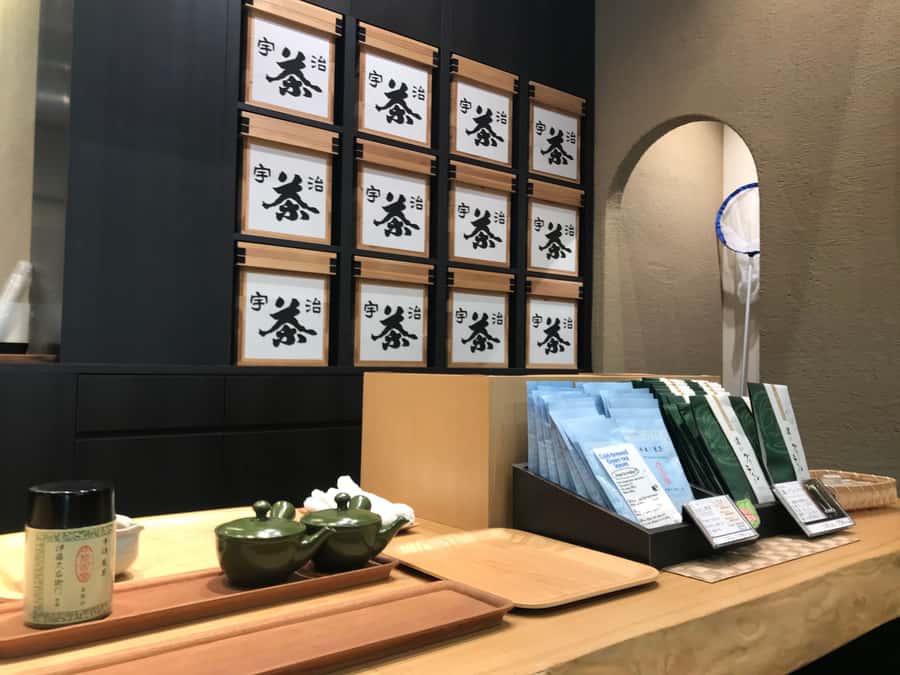
Your first proper stop is the world’s oldest teahouse still operating, said to be in business since 1160 AD. That’s not a vague marketing claim. It changes how you pay attention. You’re not just drinking tea. You’re watching a living tradition that has served customers across centuries of Japan.
The guide explains how a samurai-related story links to tea culture in Uji, then how one vassal became the head of a family that ran the shop for 24 generations. Even if you’re not normally a “family business history” person, this works because it connects the abstract word culture to real names, roles, and time.
If you like authenticity, this is where it starts. You’ll see how the setting and the people keep the routine moving, even while the world around them changes.
The gyokuro tasting lesson that actually changes how you taste

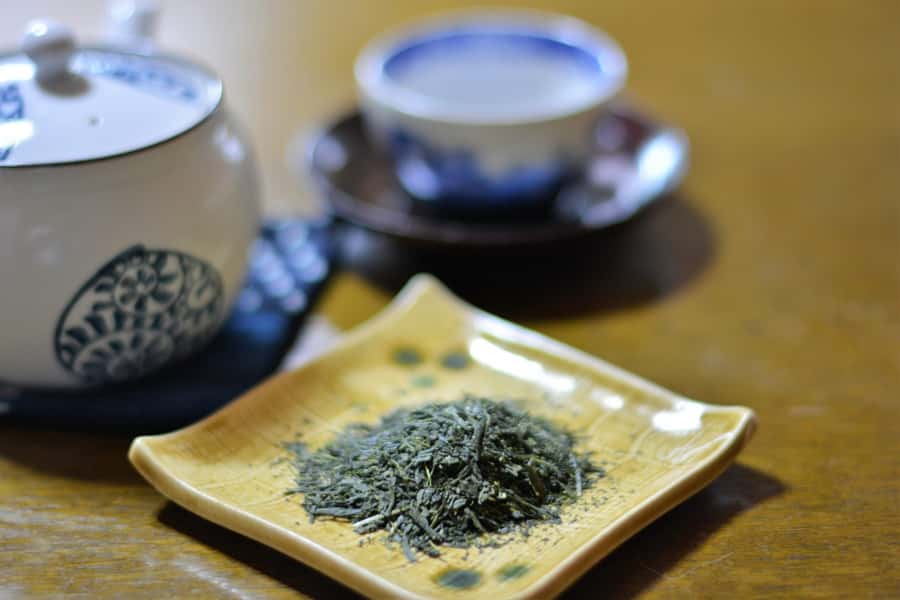
The tea experience is the heart of the tour. You’ll try Japanese green tea in a structured way, not just one sip and done. The focus is on gyokuro, a high-grade green tea, and the guide talks through what makes it distinct and how it is grown.
Then comes the part that sets this tour apart from the typical “tea ceremony for photos.” You’ll learn how to brew it so the flavor shifts as you change the method. That’s a useful skill when you’re later trying tea in shops on your own.
Here’s how it feels in practice: you taste, you learn, you taste again. The flavor becomes a conversation instead of a mystery. If you’ve ever had matcha or sencha that tasted “fine” but you couldn’t explain why, this is the fix.
The ponzu tea-leaf twist (and why it’s memorable)
One of the most memorable moments is what happens after the main tasting. You mix the remaining tea leaves with ponzu sauce and eat them as-is. It’s odd in the best way, because it forces you to notice texture and taste beyond liquid tea.
It also gives you a glimpse of how tea can be treated as part of a wider food culture. You’re not just consuming a drink. You’re sampling a way of working with tea leftovers rather than throwing them away.
This is also where a good guide matters. In the best tours, the guide keeps it respectful, clear, and not preachy. In past groups, guides like Brian, Ferdinand, David, and Damien have been singled out for explaining how temple and shrine practice works, and that same care tends to show up at the tea stop too.




Walking with samurai-era and Heian Period connections

Uji’s tea story isn’t one-dimensional. The tour weaves in how samurai culture and religion helped shape tea practices in Uji. You also hear about Heian Period (794 to 1185) architecture and war-era stories.
You’ll notice the difference if you’ve only ever heard about tea as a modern wellness thing. Here, it’s tied to status, ritual, and community life. That shift makes the temples feel less like separate stops and more like chapters in the same theme.
Ujigami Shrine: purification in a stone grotto
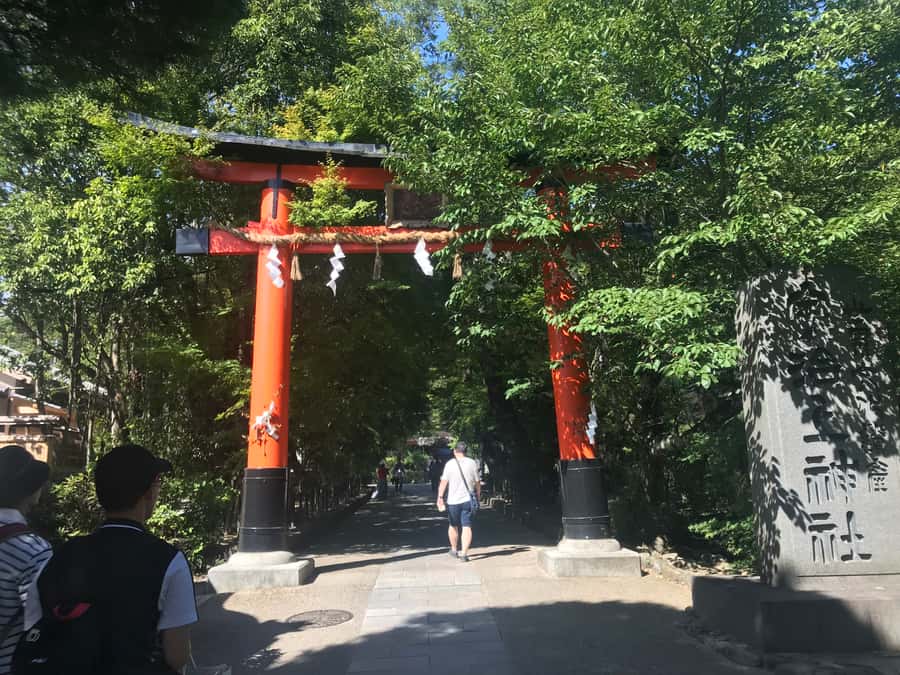
After the tea begins, the day turns upward, into greenery and shrine space. You’ll visit Koshoji later, but first you go to the oldest original Shinto shrine in Japan that still exists, Ujigami Shrine. It also happens to be a UNESCO World Heritage site.
The shrine is tied to Uji’s guardian deities, and the guide explains how it fits into the wider spiritual setting around tea. One detail I liked from the tour description is that Ujigami Shrine houses the last remaining source of natural spring water that many tea houses still collect to brew tea with. That’s a strong link between sacred water and everyday tea making.
You’ll also step inside a stone grotto and purify yourself with the water. It’s a ritual moment, short but real. If you come in with even basic curiosity about how people prepare before prayer, you’ll appreciate the clarity of what you’re doing and why.
Byodo-in Temple and the Phoenix Hall story
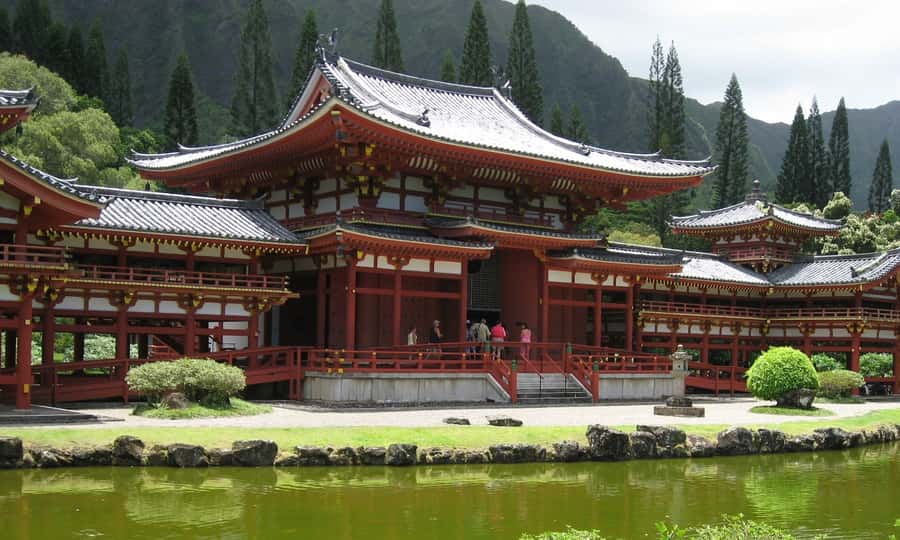
Next up is Byodo-in, another UNESCO World Heritage temple. Admissions are included, and the visit includes a modern museum as well. That museum matters. It gives you a way to understand what you’re seeing before you get lost in the beauty of it all.
Byodo-in is the flagship temple of Uji for many visitors, and it earns that reputation. The Phoenix Hall is the big visual centerpiece, and the guide connects it to the broader chain of samurai, tea shops, and religion.
This is where the town becomes a map. You cross the river to the pilgrimage path, and the street is lined with tea shops with roots in the medieval period. It’s a practical way to see how tea shops are not an afterthought. They sit inside the spiritual geography.
After enough temples, you can feel temple fatigue setting in. The guide helps here by giving context, and by using the story to keep your attention moving.
Koshoji Temple: ending in mountain-side calm

The last temple stop is Koshoji Temple, known for hugging the mountainside. It’s a different mood than Byodo-in. Less big-hall spectacle, more nature-and-prayer energy.
This is the “get your breath back” part of the tour. You get time to slow down and experience Zen in a setting that feels like it was built for quiet thought. It’s also a good contrast if you’ve been walking through streets full of tea shop signage and souvenir displays.
You’ll finish back at Keihan Uji Station, so this ending works well if you’re still planning to eat dinner in Kyoto or another nearby area afterward. Food is not included beyond the tea experience, so you can keep your options open.
Price and value: what $111 buys you in real terms
At $111 per person for a 4-hour guided outing, you’re paying for three things at once: guidance, temple admissions (Byodo-in and Koshoji), and the structured tea tasting experience, including gyokuro and tea tasting time.
If you tried to do this on your own, you could certainly reach Uji. But you’d likely lose the “why” part. The value here is the guided explanation that links brewing and flavor to history, then history to temples and rituals. That’s the difference between sipping tea and understanding what you’re tasting and why it matters.
Also, you’re not just looking at one temple. You’re visiting multiple sacred sites with UNESCO context and getting river scenery, plus a guided tea program. For many people, that makes the price feel fair for a half day.
Who this tour fits best (and who should choose something else)
This tour is a strong fit if you want tea culture with context, not just a basic tasting. It’s also a good match for people who like temple visits but feel they need a guide to understand what they’re seeing and how to behave respectfully. Guides such as Kevin, Bryan, and Lito have been praised for storytelling and respectful explanations, including shrine and temple practices.
It’s not a fit for everyone. The tour is rain or shine, and there are stairs involved. It’s also not recommended for people with limited mobility, or who have back problems, mobility impairments, or heart problems. If any of those apply to you, you should skip this one and look for a flatter, easier walking option.
Should you book the Uji green tea tour with Byodo-in and Koshoji?
Yes, if you want a memorable tea day that connects to temples, religion, and the way Uji became a tea center in Japan. I’d book it for the gyokuro lesson, the Ujigami Shrine purification, and the way Byodo-in is explained through the Phoenix Hall story. It’s the kind of tour that makes you leave with better tasting skills and a clearer mental map of Uji.
Skip it if stairs and longer walking segments are a problem for your body, since the route includes steps and it’s held rain or shine.
If you’re the type who likes to understand what you’re doing, not just where to take photos, this one is a smart use of your half day.
FAQ
How long is the Uji green tea tour?
The tour duration is 4 hours.
What does the tour cost?
The price is listed as $111 per person.
Where do I meet the guide?
Meet at the only exit at Keihan Uji Station. There is an escalator that goes up to ground level.
What temples are included?
Byodo-in and Koshoji Temple are included, and entrance fees for both are covered.
What language is the guide available in?
The live tour guide is available in English and Spanish.
Is food included?
Food and drink outside of the tea experience are not included.
Does the tour run in bad weather?
The tour takes place rain or shine.
Is this tour suitable for limited mobility or health concerns?
It is not recommended for people with limited mobility, and it is also not suitable for people with mobility impairments, back problems, or heart problems.
What should I bring?
Wear comfortable shoes, since the tour includes stairs.
More Tours in Uji
More Tour Reviews in Uji
Not for you? Here's more nearby things to do in Uji we have reviewed
Kyoto Temple & Shrine Tours, compared.
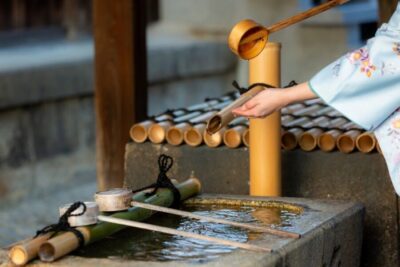 ★ 4.9Tea Ceremony Ju-An at Jotokuji TempleFrom $293,207 reviews
 ★ 4.8Arashiyama Bamboo, Temple, Monkeys, or Secret Sake BreweryFrom $87886 reviews
 ★ 5.0Arashiyama Bamboo Forest, Monkeys, Matcha & Temple TourFrom $53759 reviews
 ★ 4.4Osaka/Kyoto: Arashiyama, Nara & Fushimi Inari Shrine w/LunchFrom $61754 reviews
 ★ 4.2Ninnaji Temple Entry TicketFrom $5650 reviews
 ★ 4.7Imperial Palace & Nijo Castle Guided Walking TourFrom $49453 reviews
 ★ 5.0Kyoto Zen Meditation & Garden Tour at a Zen Temple with LunchFrom $110441 reviews
 ★ 5.0Zen Experience in a Hidden TempleFrom $109437 reviews
Browse the lists this tour appears in