
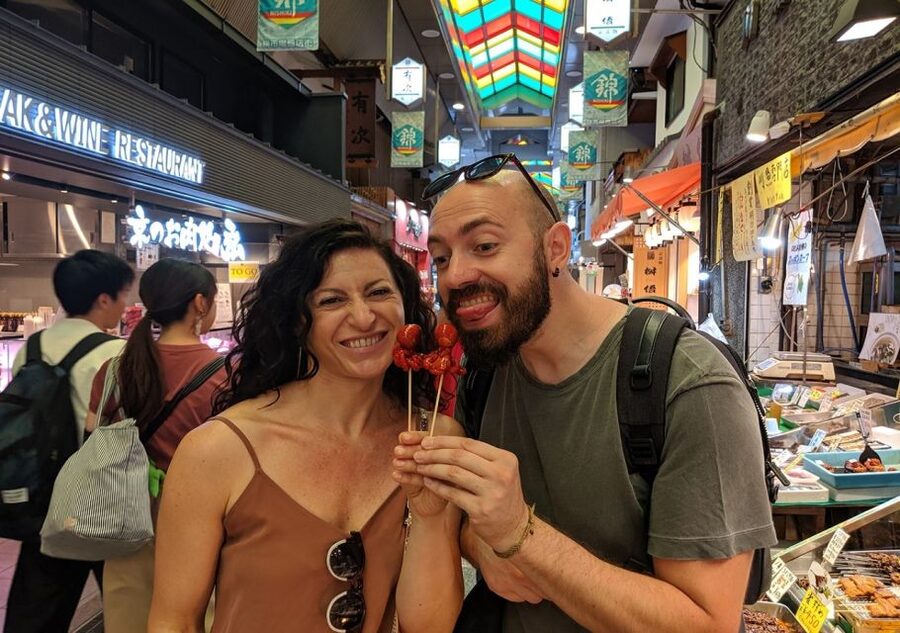
Reviewed · NISHIKI MARKET FOOD TOURS
Kyoto: Nishiki Market Food Tour
Nishiki Market feeds every craving. This 3-hour walk through Kyoto’s famous Kitchen of Kyoto helps you eat your way around the stalls, and I love the family-owned stops plus the way a guide turns random snacks into something you understand. The big catch is simple: it’s a tasting tour, so if you have strict dietary needs, you’ll want to plan ahead and flag them clearly.
I also like that the group stays small, limited to 8 participants, so you are not just herded from one counter to the next. English-speaking guides like Raquel and Sanae have been praised for being warm, prepared, and good at explaining what you’re eating and why it fits Kyoto’s seasons.
At $173 per person, it is not the cheapest way to eat in Kyoto, but the value is solid. You get seasonal regional tastings (about 10 vendors), Japanese tea, included lunch, plus time to shop, and the only real drawback is that hotel pickup is not included.
Key highlights that make this Nishiki tour worth it
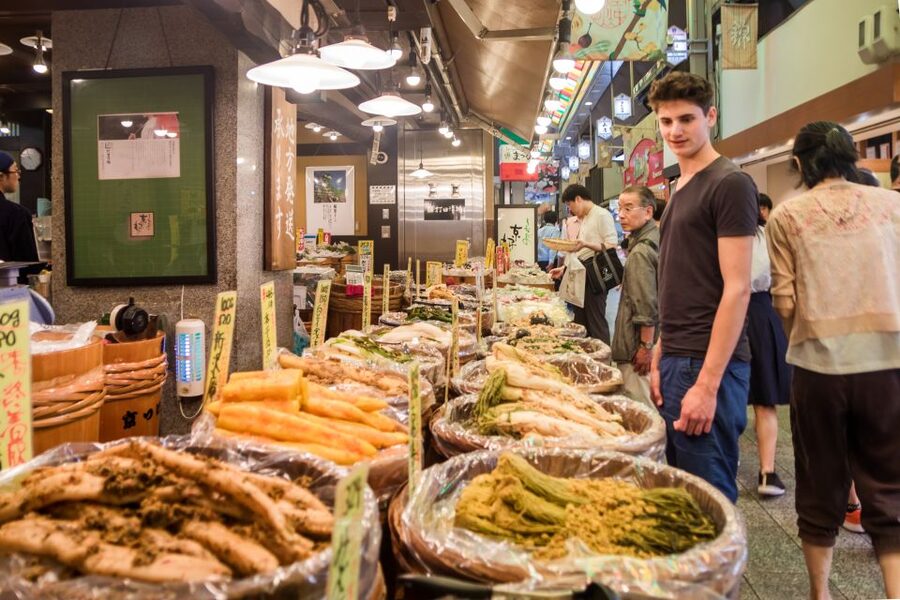
- About 10 vendor tastings so you sample widely without hunting for the best stall yourself
- Japanese tea included as part of the food rhythm, not just an add-on
- Seasonal and regional lunch included so you leave full, not snack-buzzed
- Small group up to 8 for questions, pacing, and a calmer experience
- English live guide who connects food to Japanese culture and Kyoto’s UNESCO World Heritage context
Nishiki Market: Kyoto’s Kitchen, in real life
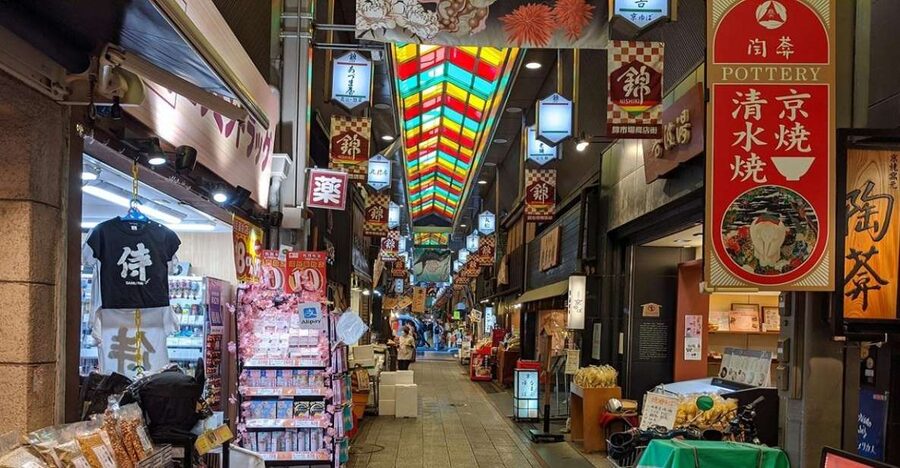
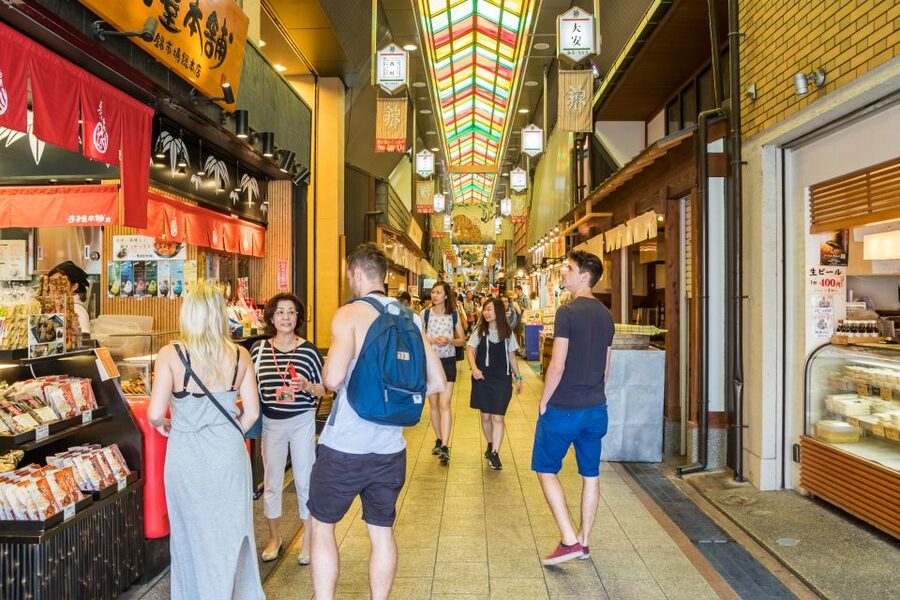
Nishiki Market is the kind of place where you taste before you even decide what you want. The lanes are packed with stalls that have been feeding Kyoto for generations, and the smells do most of the persuading. Expect grilled seafood aromas, sizzling skewers, hand-roasted tea scents, pickled vegetable tang, and sweet treats that look like small art projects.
What makes this tour smart is that it does not treat Nishiki like a buffet where you guess what’s good. You get guidance on how Japanese cuisine is tied to the seasons. You will also learn how Kyoto’s food culture fits into the broader story of Kyoto as a UNESCO World Heritage city, in the sense that tradition and place matter here, not just flavor.
For first-timers, this is the easiest way to understand why Japan’s “small plates” style works. For repeat visitors, it is also a way to notice things you might have walked past before, like why certain products are offered at certain times of year.
You can also read our reviews of more food & drink experiences in Kyoto

The 3-hour format and why small-group pacing matters
This is a 3-hour guided walk, with time built in for tastings and a bit of shopping at the end. Small group matters because food tours can get chaotic if you’re in a big pack, and then you end up eating fast and asking no questions. With a cap of 8 participants, you can usually slow down enough to actually taste, then talk about what you tasted.
A walking food tour also changes how you approach food. Instead of aiming for one “must-eat” item, you end up learning patterns. You start seeing how salty and sweet balance, how pickles keep flavors sharp, and how tea rounds out the whole meal.
One more practical point: because it is a guided walk, you should wear comfortable shoes. You will be standing and strolling for the full window, and Nishiki’s charm is in the tight lanes.
Finding the meeting point in Kawaramachi (and not losing time)
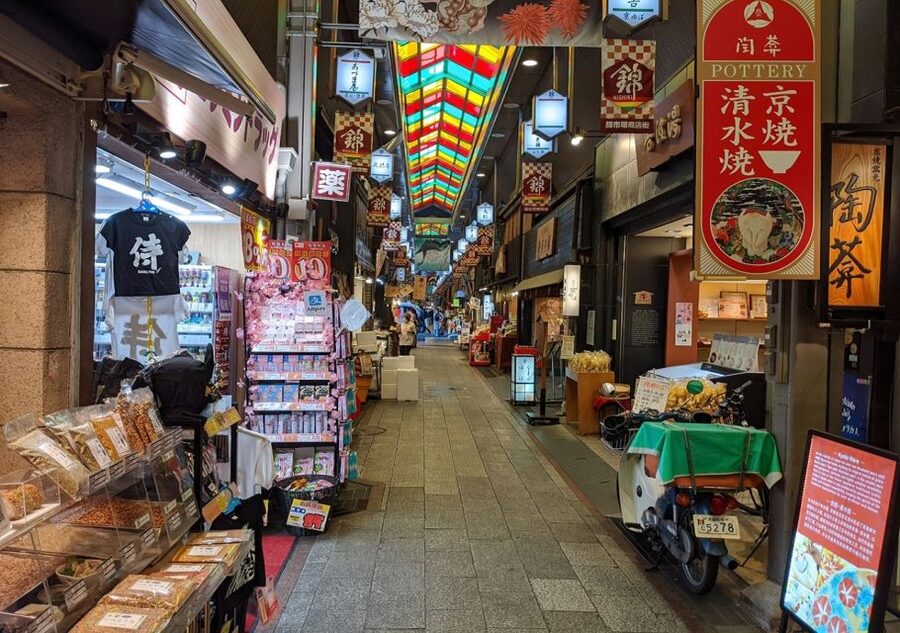
You meet in front of Lacoste in Kawaramachi. The address provided is Naramonochi 375, Shimogyō-ku, Kyoto (600-8004), and the easiest transit route is:
- From the Hankyu train Line, get off at Kawaramachi Station
- Take exit 9
If you arrive early, take a slow lap around the area before the group gathers. It’s an easy neighborhood to navigate, but you do not want to spend your tour time rechecking maps.
How the tastings work: from seafood skewers to seasonal snacks
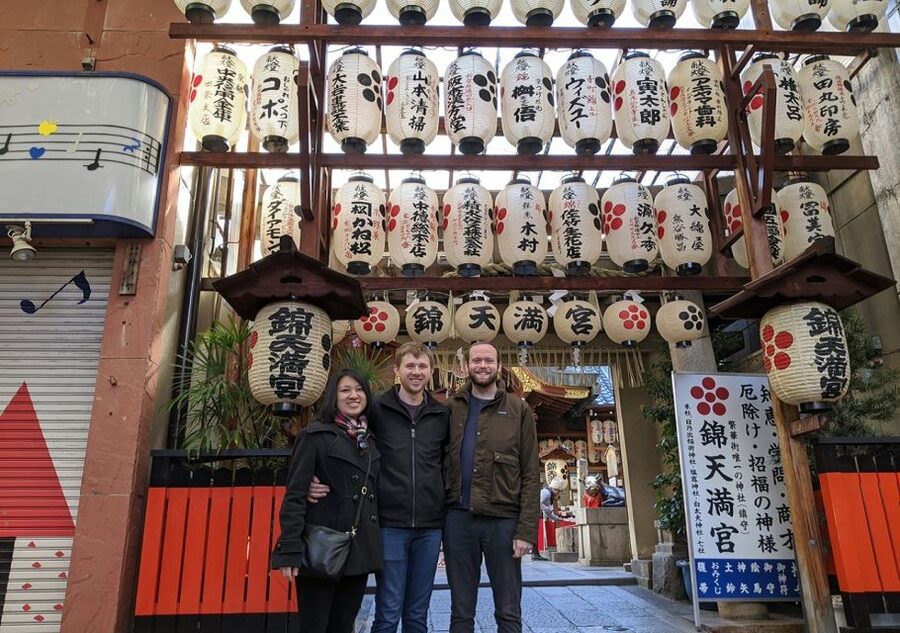
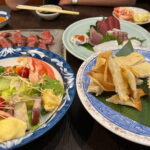
The tour is built around tasting your way through Nishiki Market at multiple stops, around 10 market vendors. You are sampling seasonal and regional lunch and food tastings included in the price, so you are not stuck calculating what to buy.
Here is the kind of food flow you can expect:
1) Savory bites that set the tone
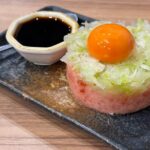
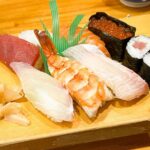
You’ll start with snacks that feel distinctly Kyoto. Think grilled seafood skewers and fresh seafood items, plus local snack style foods that are made to be eaten on the move. The point is not just to taste something good, it’s to understand what makes Japanese flavors “click” in your mouth, especially the balance of salt, umami, and clean finishing notes.
More Kyoto temple visits, food tours, tea experiences, and day trips to compare

2) Pickled vegetables and sharp flavor contrast
One of the strongest themes in the market is how pickled vegetables show up. Even if you are not a big pickle person, you’ll likely get why they are popular in Japan: they cut through richness and keep your palate awake. It is a practical kind of cooking, not just a regional quirk.
3) Specialty items and sweets that reflect the season
Midway through, you shift toward specialty products and sweets. These can be the fun part if you like trying small portions you can share. They also help you see the “seasonal” logic behind the market, because seasonal ingredients tend to show up in both savory and sweet form.
4) Tea as a palate reset
Japanese tea is included, and it works like a reset button between bites. Instead of going sugary to savory to sugary again, tea helps you stay oriented and keeps each tasting from blending together.
5) The kind of food you might miss on your own
Some highlights from past guides and experiences include items that many people do not automatically think to seek out. For example, dried bonito was mentioned as a favorite for one participant, and that fits the market’s pattern of offering both fresh and shelf-stable specialties. The guide helps you choose what to taste, and that alone can save you time.
Important note: the exact vendors and items can vary. What you can count on is the structure: multiple tastings across market stalls, not just one or two “big hits.”
Japanese tea and the seasonal rhythm behind Kyoto flavors
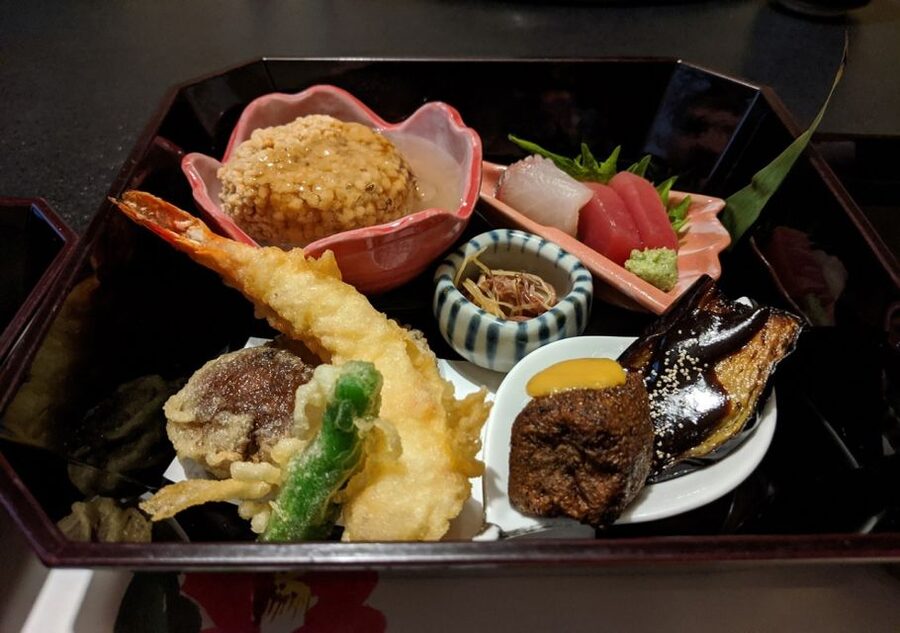
Japanese cuisine is often described as careful and balanced, but this is one of the easiest ways to feel what that means. You taste the seasonal logic instead of hearing about it in theory.
Tea helps show that balance. When you sip it between tastings, you notice how flavors sharpen rather than smear. It also gives you a calmer rhythm in the middle of a busy market day, especially if you are eating more than you normally would.
The guide’s cultural context is part of the payoff. You are not just collecting samples, you are learning why Japanese cuisine leans into seasonality, clean flavor transitions, and ingredients chosen for the moment. And because the tour ties Kyoto’s culinary tradition to the city’s UNESCO World Heritage context, the experience feels rooted in place, not just food trivia.
Lunch included, plus a chance to shop
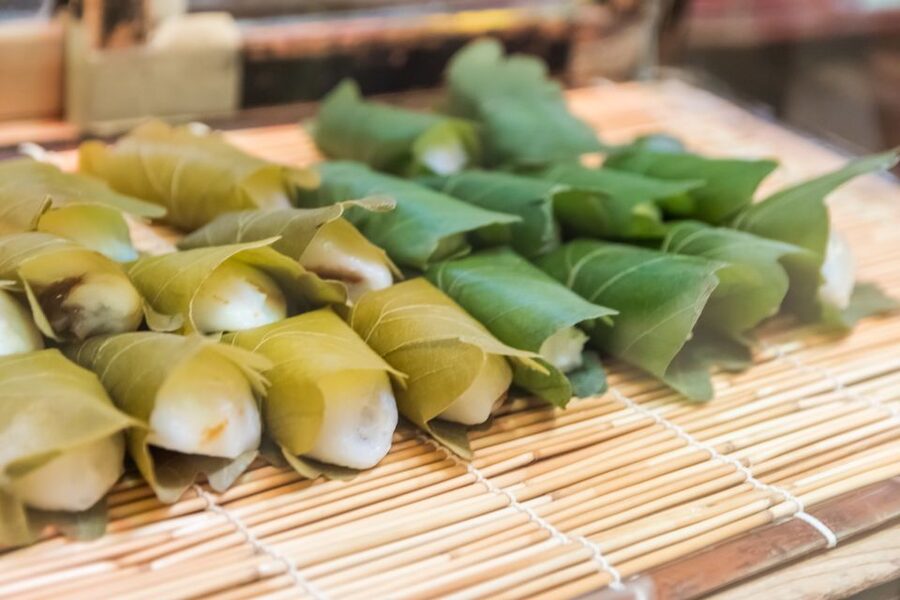
A key value point is that lunch is included. You are tasting along the way, so the included meal matters because it turns snack time into a complete food outing. You also get to sit, slow down, and digest what you just learned.
After tastings and lunch, you get shopping time. This is helpful because Nishiki has products you may want to take home: packaged snacks, regional items, and gifts. If you waited until the end to buy, you might miss the chance when the guide can explain what’s best for souvenirs.
Guides make or break food tours
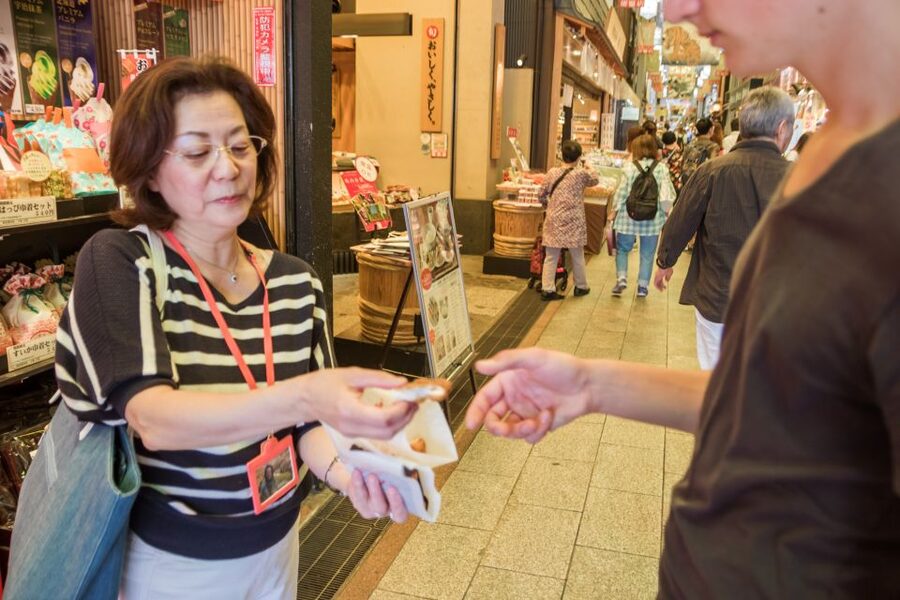
The English live guide is one of the biggest reasons this tour scores highly. Names that come up again and again include Raquel, Sanae, Sae, Ida, Marie, Kohei, and Rosalia Yoshiko. Across these guides, the common thread is professionalism, warmth, and good preparation.
What you should look for in a strong guide is this:
- They help you eat more thoughtfully, not just faster.
- They give enough historical and cultural context to make the food meaningful.
- They check in so everyone gets a fair shot at the tastings.
In particular, some participants specifically praised guides for historical insights and for knowing how to explain Japanese traditions around food. That kind of guidance is what turns Nishiki from a street-food blur into a structured education you can taste.
Price and value: $173 for 3 hours of food does add up
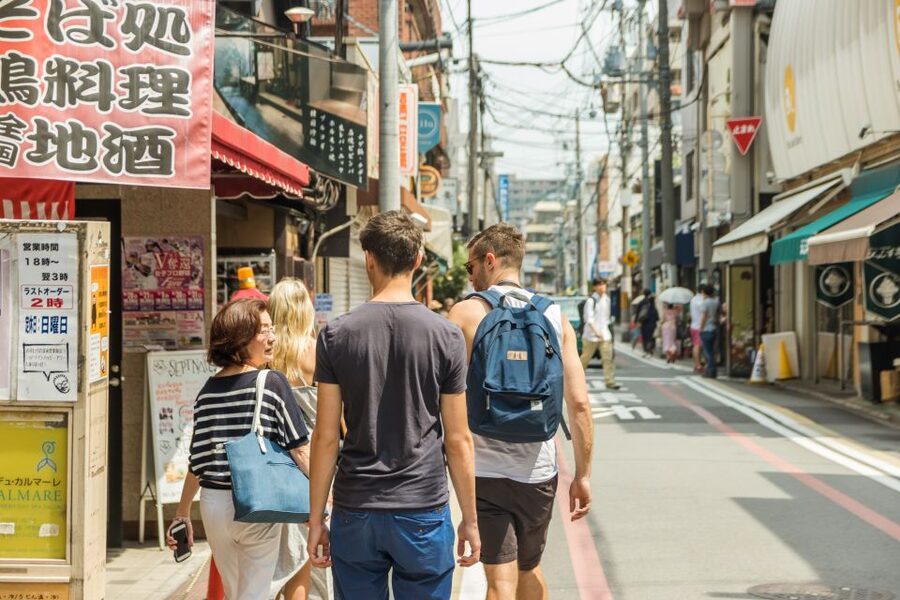
Let’s talk money without hand-waving. At $173 per person for 3 hours, you are paying for more than “food.”
You are paying for:
- Seasonal and regional tastings at about 10 vendors
- Japanese tea included
- Included lunch
- An English-speaking guide walking you through the market
You are also benefiting from the small-group cap of 8, which is not free. Market food can cost a lot if you buy everything individually. Here, you get a planned path and included portions, so you do not have to keep making decisions under pressure.
One caution that affects the real price: hotel pickup is not included. That means you are responsible for getting to the meeting point yourself. Also, additional drinks or food are not included, though you can purchase more at your own expense.
If you like food tours that feel structured, this price usually makes sense. If you prefer to roam independently and pick only the exact things you want, you might spend less going DIY.
Who this tour suits best
This is a strong fit if you:
- Want a guided way to eat at Nishiki without guessing
- Like seafood and seasonal snacks
- Enjoy learning how food connects to place and tradition
- Appreciate a small group and an English guide
It is also a good choice if you are the type who likes leaving with something you can take home. The shopping time helps, and the guide context can make your souvenir choices less random.
It might not be ideal if you:
- Have strict dietary restrictions and cannot eat most tasting portions, even with guidance
- Want a fully independent experience with total control over every bite
- Get easily uncomfortable with standing and walking for a few hours
Dietary needs: tell the guide early, and plan for the tastings
The tour explicitly asks you to inform them of any food allergies or dietary requirements. Do it early, and do it clearly. A tasting tour is only fun when everyone feels safe and comfortable.
If you have allergies, be specific about what you cannot have. If you avoid certain categories (for example, if you do not eat seafood), ask how your guide can adjust. The included tastings and lunch are part of the plan, but the guidance should help align the stops with your needs when possible.
Should you book the Kyoto Nishiki Market Food Tour?
Book it if you want the fastest path to feeling confident in Nishiki Market. The combination of multiple vendor tastings (around 10), Japanese tea, included seasonal lunch, and a small-group English guide is a practical way to eat well in a place that can feel overwhelming if you go alone.
Skip it or consider a simpler DIY approach if you are on a tight schedule or you only want one or two items, not a structured tasting menu. Also factor in the lack of hotel pickup, and make sure the meeting point timing fits your day.
If you take one approach, take this one: arrive ready to taste, wear comfy shoes, and bring your appetite for seasonal Japanese flavors. The guide experience is what makes the market feel like more than just shopping for snacks.
FAQ
How long is the Kyoto Nishiki Market Food Tour?
It’s a 3-hour guided walking food tour.
How many vendors do we visit?
You’ll visit around 10 market vendors for tastings.
What’s included in the price?
The tour includes seasonal and regional lunch and food tastings at the market, Japanese tea, and time for shopping.
Where is the meeting point?
Meet in front of Lacoste, Kawaramachi at Naramonochi 375, Shimogyō-ku, Kyoto (600-8004). Hankyu Kawaramachi Station exit 9 is the suggested access route.
Do I need to bring anything for this tour?
You’ll need to provide a copy of your passport information for participants aged 10 and over.
Are there any dietary restrictions or allergy requirements?
You should inform the tour of any food allergies or dietary requirements ahead of time.
More Food & Drink Experiences in Kyoto
More Tours in Kyoto
More Tour Reviews in Kyoto
Not for you? Here's more nearby things to do in Kyoto we have reviewed

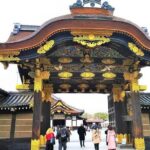
Nishiki Market Food Tours, compared.
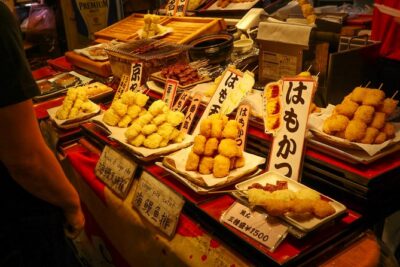 ★ 5.0Nishiki Market Brunch Walking Tour (7 Tastings + Brunch)From $681,355 reviews
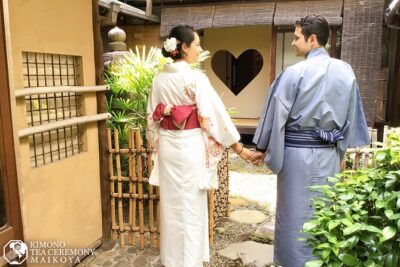 ★ 5.0Kimono Tea Ceremony at Kyoto Maikoya, NISHIKIFrom $65911 reviews
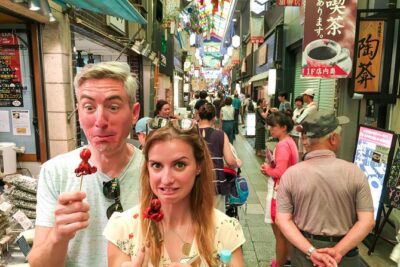 ★ 5.0Kyoto Nishiki Market Food and Culture Walking TourFrom $80412 reviews
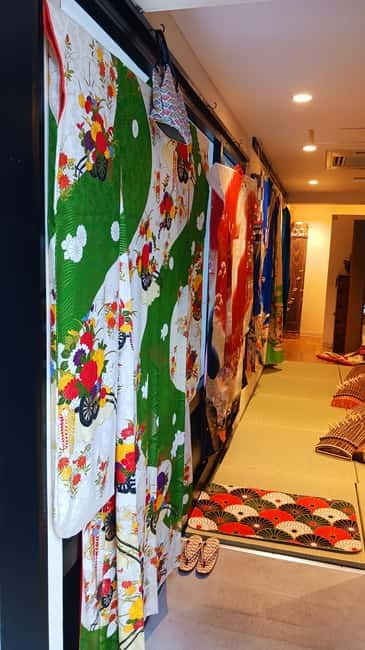 ★ 4.8Nishiki Market Tea Ceremony with Koto PerformanceFrom $56294 reviews
 ★ 4.8Nishiki Market Brunch Walking Tour-7 Tastings+BrunchFrom $66197 reviews
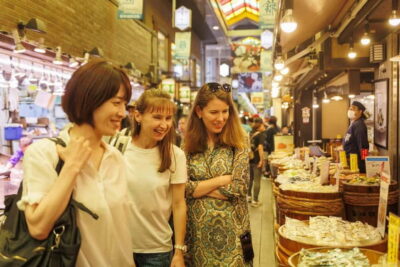 ★ 4.7Local Food Tasting Tour at the Nishiki MarketFrom $78135 reviews
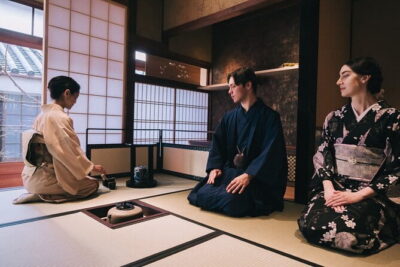 ★ 5.0Kimono Tea Ceremony Experience at Kyoto Oritzuruya, NishikiFrom $50116 reviews
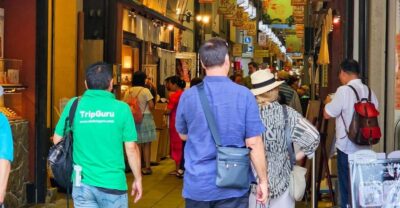 ★ 4.7Nishiki Market and Depachika Food Tour with a LocalFrom $4276 reviews
Browse the lists this tour appears in