
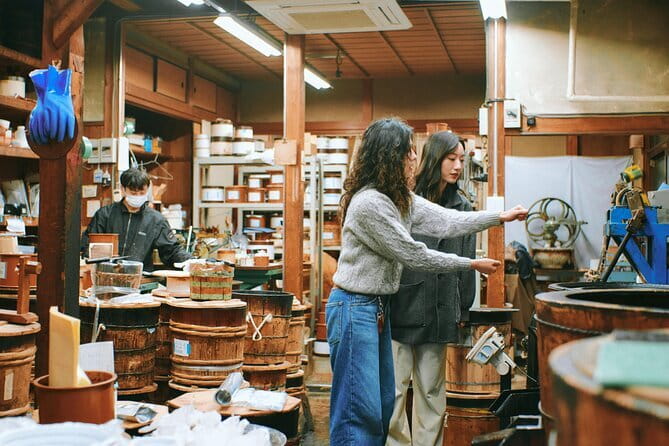
Reviewed · KYOTO CRAFT & CALLIGRAPHY WORKSHOPS
Kyoto Urushi Lacquer Factory Tour and Chopstick Making Experience
Lacquer turns into a hands-on memory. This Kyoto visit blends shop-floor culture with a real look at how urushi sap is collected and refined, then hands you the brush for your own chopstick pair. I love how clearly the guide connects the craft’s origins to present-day production, and I love the practical payoff of making something you can actually use. The main drawback is you should expect messy hands moments, and there is no large luggage storage.
You’ll start at the Tsutsumi Asakichi Urushi site in central Kyoto, tour the store and factory with an English guide, then head to the top-floor workshop area. The experience is built for small groups (maximum 5) and takes about 1 hour 30 minutes, including the chopstick lacquer step, so it feels focused rather than rushed.
Key things to know before you go
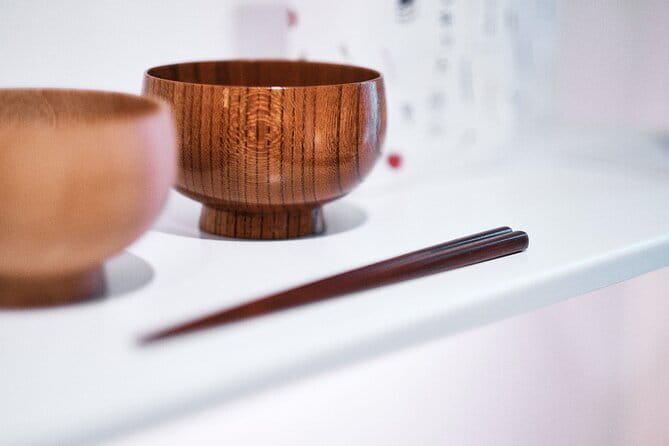
- Tsutsumi Asakichi Urushi supplies much of Japan’s urushi: they refine over 70% of domestic lacquer and serve craftsmen around the country.
- A guided factory process you can follow: you see sap collection, refinement, and how lacquer gets prepared for makers.
- The fuki-urushi chopstick step is the highlight: you apply lacquer yourself and take the finished pair home.
- Small-group feel: maximum 5 travelers means more attention during the hands-on part.
- English tour, mobile ticket: the tour is conducted entirely in English, with a mobile ticket for check-in.
- Plan for stains and limited storage: wear clothes suitable for getting dirty, and don’t bring large luggage.
Kyoto Urushi Lacquer Tour and Chopsticks, what you’re really paying for
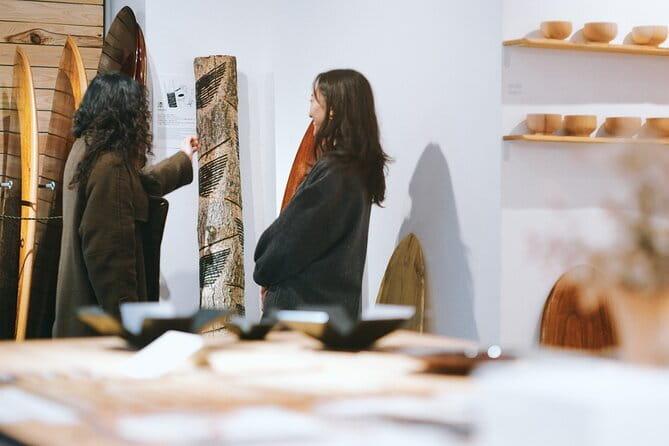
This is not just a look-and-photos type of craft stop. You’re paying for two things that usually get separated in Kyoto experiences: a guided understanding of how lacquer gets made, and a hands-on moment where you apply lacquer yourself. The “factory tour plus chopstick making” format makes the lesson stick, because you see the materials and then touch the process.
At $97.55 per person for about 90 minutes, the value comes from the guide time plus the included activity materials and tools needed for the chopsticks. You also get a take-home item made through a traditional technique, not a souvenir you pick off a shelf. And since the tour is small, it tends to feel personal, not like you’re slipping in and out of a large crowd.
One more practical perk: the site is in the center of Kyoto and near public transportation. That matters when you have limited time and you don’t want extra transit stress after lunch or during peak sightseeing hours.
You can also read our reviews of more tours and experiences in Kyoto.

Finding Tsutsumi Asakichi Urushi in central Kyoto
Your tour starts at Tsutsumi Asakichi Urushi in Shimogyo Ward, at the Inarichō address (600-8098 Kyoto, Shimogyo Ward, Inarichō, 540番地). The activity ends back at the meeting point, so you’re not forced into a confusing “and then find your own way” finish.
The start time is 10:00 am, which is great if you like a morning rhythm. It’s also easier to fit into your day because you can still do nearby Kyoto sights afterward without burning half the afternoon.
Before you go, keep two things in mind. First, there is no large luggage storage, so if you’re moving hotels that day, travel light. Second, you should wear clothes suitable for getting dirty. Lacquer work can be controlled, but you are doing hands-on craft prep, and you’ll thank yourself for not wearing your nicest outfit.
Stepping into the Und store atmosphere
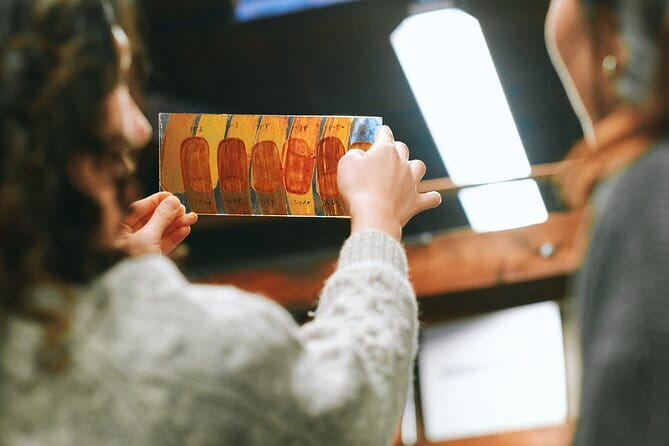
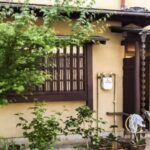
You begin by entering the factory store called Und. Even before the technical parts start, the space sets a tone. It feels like a craft shop that’s been kept with care over time, but not frozen in glass. That matters because urushi isn’t just an ancient artifact. It’s still refined and supplied for today’s makers.
In the store, your guide gets you oriented, and you get the feeling that this isn’t a random workshop stop. The staff and displays point you toward tools and materials used by lacquerware artists. You’re not learning in theory only. You’re being led toward the practical chain that turns raw sap into something craftsmen can apply.
The guided tour: from lacquer tree sap to usable lacquer
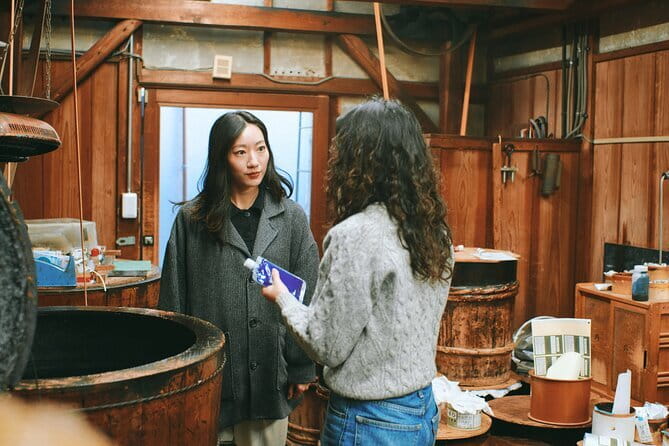
The heart of the experience is the explanation of the full urushi path: collecting sap from the Japanese lacquer tree, then refining it until it’s usable for craftsmen. This is where the tour earns its keep, because most “craft watching” in Kyoto stops at the finished product.
Here, you get a guided walkthrough that covers how the material is refined, and you’ll see well-kept process details for local craftsmen. The tour also gives context about what has happened to urushi over time. The factory was founded in 1909, and it experienced a decline in production and use of traditional urushi lacquer during the 20th century. That story helps you understand why the current owner is working to bring urushi back into everyday life.
Your guide also explains that the factory’s current focus is on safe use of high quality lacquer. The goal isn’t only tradition-for-tradition’s sake. It’s about keeping the craft relevant, including for modern-day goods.
What I think you’ll appreciate most here
You’re learning the material side of craftsmanship. That’s a different angle from many Kyoto experiences where you only see the final technique. If you care about quality and process, this part helps you see why Japanese lacquerware takes patience. You’re not just watching art happen. You’re watching a production process that supports makers across Japan.

Why Tsutsumi Asakichi matters to lacquerware makers
This factory is big by Japanese standards, but the tour still aims for clarity. Tsutsumi Asakichi Urushi refines over 70% of Japan’s domestic urushi lacquer. That means you’re standing in a place that supplies the broader creative ecosystem, not a tiny one-off craft operation.
Founded in 1909 and now led by the 4th generation owner, the operation has a strong through-line. They saw decline, and they are actively trying to reestablish urushi in everyday life. For you as a visitor, this matters because it adds meaning to what you’re seeing. The craft isn’t locked in the past. It’s being maintained, adjusted, and delivered to artists and craftsmen today.
Also, because they deliver high quality lacquer to lacquerware artisans around the country, the refining and preparation steps you watch are designed for real production demands. That’s a useful lens. It helps you see lacquer not only as an art medium, but as a material that must be consistent enough for people to build with.
The top-floor workshop: applying lacquer using fuki-urushi
After the factory tour, you head to the workshop area on the top floor. This is where the experience flips from viewing to doing.
You’ll apply lacquer to a pair of chopsticks using the traditional fuki-urushi technique. You take these chopsticks with you as a present and a memory of the factory visit.
Even without getting too technical, you can tell why this step is the “main course.” You’re translating what you learned into a physical action: you are taking refined urushi and using it in the way craftsmen do. That connection makes the tour feel more complete.
What to expect during the hands-on part
You’ll be guided through applying lacquer, and since the group is small (maximum 5), you’re less likely to feel like you’re being rushed through a checklist. This is also why the included step is worth the price. The tour isn’t merely educational. It gives you a direct outcome you can show at dinner later.
A practical tip so you don’t feel awkward
Wear the right clothes at the start, not at the end. If your outfit is delicate, you’ll spend the whole workshop thinking about your sleeves instead of focusing on the technique. Go for something you’re comfortable getting a little messy in, and you’ll enjoy the process more.
How the timing fits into a Kyoto day
The whole experience takes about 1 hour 30 minutes. Start at 10:00 am, then finish back where you began. Because it’s short, it works well as a cultural anchor in a Kyoto schedule built around temples and neighborhoods.
I also like that the pace is structured. You won’t be stuck waiting around for long stretches. You move from store orientation to factory learning to a single hands-on workshop goal.
If you’re planning your day, consider booking this earlier rather than later. Your energy will be higher for the hands-on lacquer step, and you’ll still have plenty of time to explore after.
Language and group size: a tour that doesn’t leave you behind
The tour is conducted entirely in English, and that’s a big deal with specialized craft processes. Urushi refinement and the reasoning behind techniques can be hard to piece together from signage alone. A guided explanation keeps you oriented, so the experience feels like a lesson, not just a background activity.
Group size is also capped at 5 travelers. That tends to make a difference during the chopstick step, where people may need quick clarifications. It also helps you hear the guide without constantly leaning forward or shouting across a room.
Value check: is $97.55 worth it?
Here’s how I’d judge value for this one. You get:
- A guided factory and store tour (not just a classroom explanation)
- A guided explanation of sap collection and refinement processes
- A hands-on lacquer application activity
- A finished item (your pair of chopsticks) to take home
- An English guide and a small group setting
So you’re paying for access plus instruction plus materials included in the experience, not just observation. If you enjoy craft work, material culture, or you want one Kyoto souvenir that feels earned, this price makes sense. If you only want quick photos and you dislike hands-on workshops, you might find it less compelling.
Who should book this experience (and who might skip it)
This Kyoto urushi tour is a great fit if you want more than a surface-level cultural stop. It’s ideal for people who:
- Like hands-on activities with clear guidance
- Enjoy traditional Japanese crafts and want the process behind the craft
- Want a small-group English experience in central Kyoto
- Prefer a take-home item with story and meaning
It’s probably not your best match if:
- You hate getting messy or you’re not willing to wear clothes suitable for getting dirty
- You don’t want to spend time on a material process tour before your main sightseeing day
- You need facilities for large luggage storage (there isn’t any)
Should you book? My practical call
I’d book it if you want an authentic craft experience with real context. The combination of factory learning and fuki-urushi chopstick making is the key. You’ll leave with a tangible item, plus a clearer understanding of why urushi lacquer matters and how it’s kept alive in modern use.
Also, it’s small and focused. If you’re tired of long queues and broad tours, this one is built for attention. Just go prepared with the right clothing, bring only what you can comfortably carry, and plan to enjoy the slow, careful side of craft.
FAQ
How long is the Kyoto Urushi Lacquer Factory Tour and chopstick making experience?
It lasts about 1 hour 30 minutes (approx.).
Is the tour in English?
Yes, the tour is conducted entirely in English.
Where does the tour start and end?
The tour starts at Tsutsumi Asakichi Urushi in Kyoto and ends back at the same meeting point.
Do I need to have large luggage storage?
No. There is no large luggage storage available.
What will I make during the experience?
You’ll apply lacquer to a pair of chopsticks using the traditional fuki-urushi technique, and you’ll take them with you.
What happens if the minimum number of participants is not met?
The tour requires a minimum of 2 participants to operate. If that minimum isn’t met, you may be offered a different date or experience, or you can receive a full refund.
More Tours in Kyoto
More Tour Reviews in Kyoto
Not for you? Here's more nearby things to do in Kyoto we have reviewed




Kyoto Craft & Calligraphy Workshops, compared.
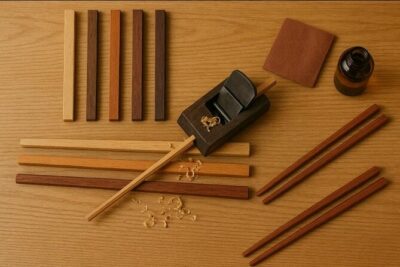 ★ 5.0Chopsticks Making Workshop in Gion with Engraving OptionFrom $15958 reviews
 ★ 4.8Authentic knife making experience at a blacksmith in KyotoFrom $154350 reviews
 ★ 5.0Calligraphy class at Buddhist temple in city centerFrom $55167 reviews
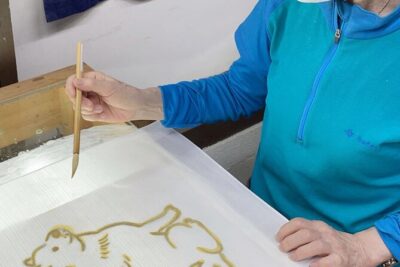 ★ 5.0Roketsu dyeing experience: M course Roketsu Dyeing ExperienceFrom $25163 reviews
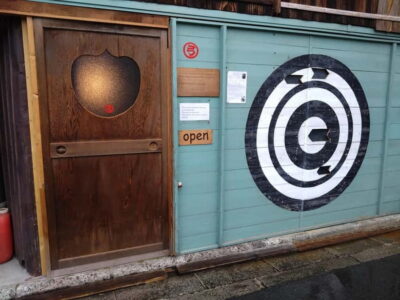 ★ 4.9Japanese Archery Workshop with Experienced InstructorFrom $38132 reviews
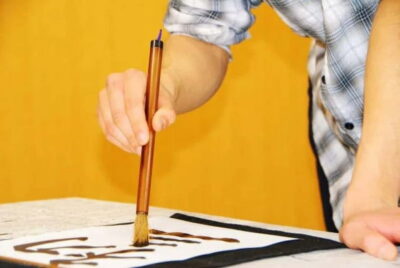 ★ 4.8Japanese Calligraphy ClassFrom $5189 reviews
 ★ 5.0TAIKO, Japanese Drum Experience from KyotoFrom $11586 reviews
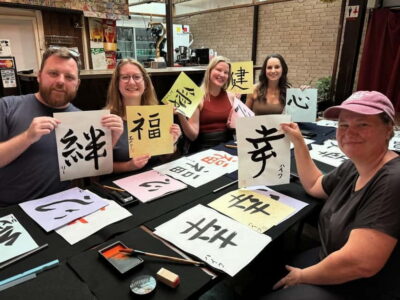 ★ 4.7Japanese Calligraphy WorkshopFrom $3284 reviews
Browse the lists this tour appears in