
Reviewed · KYOTO TEA CEREMONIES
Kyoto Walking Tour with Kimono Rental Lunch and Tea Ceremony
Kyoto can feel like a maze, unless someone holds the map. This 8-hour walking day pairs Ume Sakura kimono rental with a matcha tea ceremony at Chisato, then layers in shrine and villa sights. I especially like how the day connects outfit, food, and etiquette, so it feels like one story instead of random stops.
One watch-out: lunch isn’t included in the price, so you’ll want to plan your budget and any dietary needs before you go. If you need specific options, say so in advance, because the tour notes that accommodations depend on the request.
If you want a guided Kyoto day that mixes classic sights with hands-on culture, this is a strong match.
Key highlights at a glance
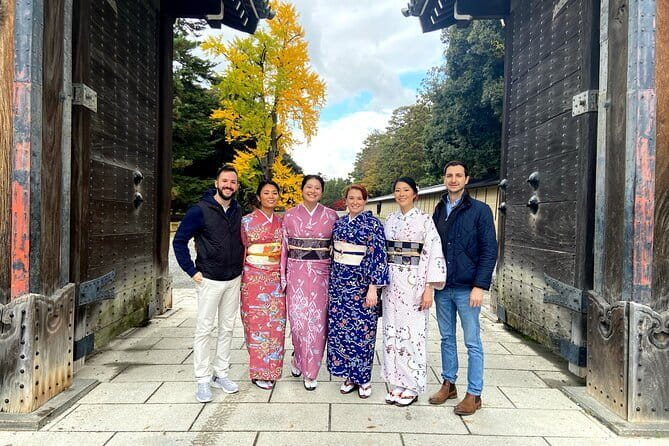
- Ume Sakura kimono setup with licensed dressing and basic hairstyling included
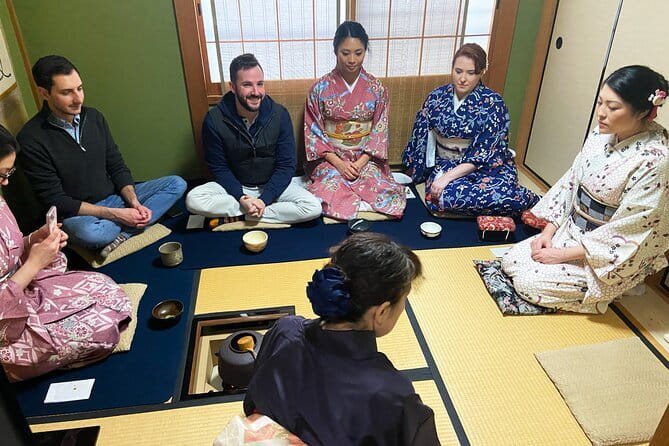
- Tea ceremony at Chisato with matcha and wagashi plus explanations from your host and guide
- Shimogamo Jinja stop at one of Kyoto’s most important shrines, with 1000+ years of history
- Old Mitsui family Shimogamo Villa included for a look at a preserved Japanese villa
- Machiya lunch stop at Teramachi Yoshikura, with meal choices during the walk
Why this Kyoto day feels efficient (10:30 start, 8 hours on foot)
Starting at 10:30 am is smart in Kyoto. You beat the late-morning crowds that build around popular neighborhoods, and you still have daylight for a slow stroll through gardens and shrine areas. With an 8-hour (approx.) schedule and a walking format, you get a “cover more ground” benefit without trying to sprint between sites.
This tour is also private, so it runs only for your group. That matters in Kyoto, where it is easy for a big group to stretch out and lose time. A smaller group generally keeps the day feeling calmer, and it also makes it easier to ask questions.
Finally, you’ll use a mobile ticket, which is convenient if you are juggling transit apps and photos all day. Less time fussing with paper means more time enjoying the day.
You can also read our reviews of more walking tours in Kyoto
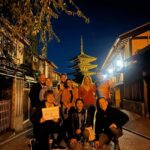
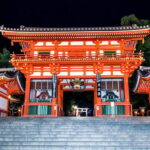
Ume Sakura kimono rental and the Imperial-family garden stroll
Stop 1 begins at Ume Sakura (38 Fujikicho, Nakagyo Ward), where you can choose the kimono option and get dressed by licensed professionals. The tour includes basic hairstyling, while you handle makeup in advance. That one detail is important. If you show up without a makeup plan, you may feel rushed before the day even starts.
The kimono rental option also is positioned as higher-quality than the typical “grab-and-go tourist” styles. You are meant to wear something locals would actually recognize, which changes how you experience Kyoto. You do not just photograph in a costume, you actually move through places with a bit more cultural context.
After dressing, you spend time strolling through the grounds of a former home connected to the Imperial Family. The tour notes vast gardens that host seasonal festivals and that are especially beautiful in spring and autumn. Even if your visit is outside peak season, you’ll still get the feeling of an old Kyoto estate, not a rushed stop between crowds.
One practical note: the stop is about 1 hour, and kimono days can feel time-sensitive. Plan to keep your schedule flexible so you are not tugging at the time right before the next location.
Shimogamo Villa and Shimogamo Jinja: two kinds of Kyoto tradition
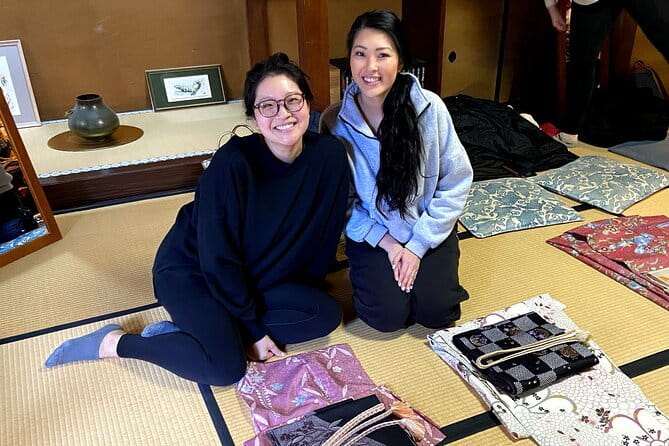
The second act of the day is a blend of old-house atmosphere and living religious tradition.
Old Mitsui Family Shimogamo Villa
Next comes the Old Mitsui Family Shimogamo Villa for about 30 minutes. The ticket for this stop is included. A preserved villa like this is less about big “wow” monuments and more about atmosphere: the feel of the property, the structure, and how space was designed for family life.
Because your time is limited to around half an hour, go with an eye for details rather than checklist perfection. Look for how indoor and outdoor spaces relate, and use your guide to point out what is worth seeing quickly without getting overwhelmed.
Shimogamo Jinja
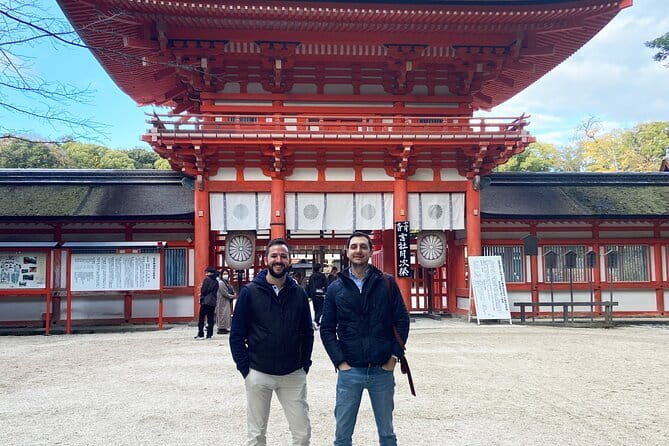
Then you head to Shimogamo Jinja, also for about 30 minutes. This stop is free for admission, and the tour flags it as one of Kyoto’s most important shrines with over 1000 years of history.
This is where the day earns its authenticity. Shrines are not stage sets, they are part of daily life. Even in a short visit, you can pick up the rhythm: quiet walking, respectful attention, and the sense that the place is still doing its job long after the history books are closed.
The trade-off is time. Thirty minutes goes by fast, especially if you stop for photos or want a slow look at offerings. If you love shrine details, make sure you are ready to keep a steady pace with the group.
More Kyoto temple visits, food tours, tea experiences, and day trips to compare


Teramachi Yoshikura lunch in a Machiya house: what to expect
Lunch happens at Kyoto cuisine Teramachi Yoshikura. This is a highlight for a different reason than the gardens and shrines. The lunch is served in a renovated Machiya, which means you get traditional Kyoto architecture while you eat.
The schedule gives you about 1 hour here, and the tour says you’ll be invited to choose your meal options. That’s a big help for picky eaters or people with preferences, as long as you communicate them clearly.
But remember the pricing reality: lunch isn’t included. Your money here is not wasted, but it does mean you need to treat the listed tour cost as the guided experience plus specific admissions, not a full meal package.
If you have dietary restrictions, this stop is where things can get tricky. The tour states dietary restrictions must be stated in advance, and accommodation depends on the request. I’d rather you send those needs early and let the team say what is possible than wait until you are standing in front of the menu.
Tea ceremony at Chisato: matcha, wagashi, and cultural context
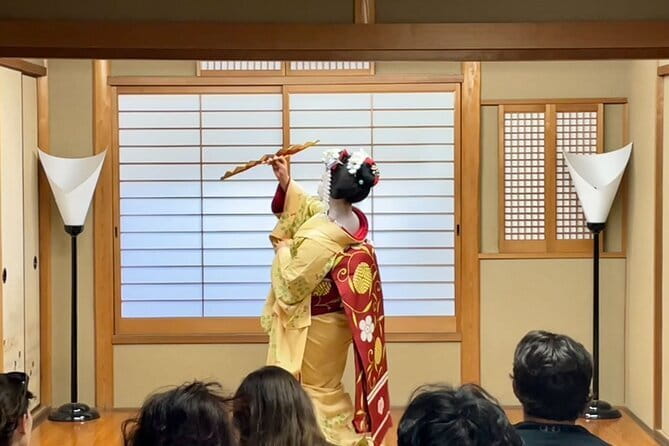
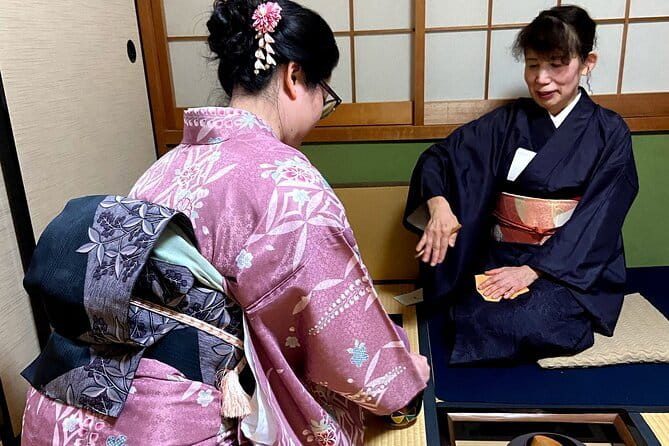
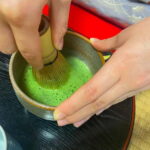
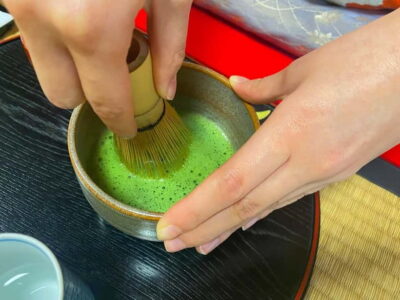
The final cultural centerpiece is the tea ceremony experience at Chisato, lasting about 1 hour with admission included. Matcha and wagashi are part of the experience.
What makes this stop more than a photo opportunity is the explanation. The tour notes that your host and guide will provide context, so you are not just watching hands move. You learn the meaning behind the ritual and how to think about it as a form of hospitality.
This is also where I think you’ll appreciate the guide’s personal angle. One of the most praised parts of this experience is the kind of cultural insight you get, including perspectives on life in Japan as a foreigner and how Japanese culture shows up in daily behavior. In practice, that kind of talk helps you interpret what you see afterward, not just during the ceremony.
Because the tea ceremony is at the end of a day that already includes kimono and shrine walking, it also functions like a reset button. You slow down, sit, and take in the quiet logic of the ritual before you head back out.
Price and value: what $117.06 really buys you
At $117.06 per person, you are paying for a guided, structured Kyoto day plus several included elements. Here is the value breakdown in plain language.
You are getting:
- a guided walking day in Kyoto (private tour for your group)
- tea ceremony included
- admission to Mitsui Shimogamo included
- the shrine and villa stops built into the flow
- a kimono dressing stop at Ume Sakura that you can select as part of your day
- a Machiya lunch stop where you choose meal options, but the meal itself is not included
So where does the money go? It is mostly paying for time saved and meaning gained. Kyoto can be overwhelming if you arrive with only a map and no context. A guide helps you connect what you see to what it means, especially for etiquette-heavy experiences like tea.
It is not the cheapest option on the list, but it also does not charge you for everything twice. You are not just buying entry tickets. You are buying a smooth day that ties together outfit, food, and tradition in the right order.
My quick rule for value: if you want the day planned for you, and you plan to do at least the tea ceremony and one or two paid sights, this price starts to feel fair. If you mainly want to wander on your own and skip tea, you would probably spend less elsewhere.
How to get through the day comfortably in kimono
Kimono adds style, but it also adds comfort planning. Here are the issues that can quietly make or break your experience.
- Wear comfortable footwear underneath, even though you are wearing a kimono. Your walking day still involves moving between sites.
- Since makeup is supposed to be done in advance by guests, decide what you will do before arrival. If you like a polished look, do a practice run on a travel day at home or ask your hotel for help coordinating timing.
- Keep your bag simple. Tea ceremony environments tend to be less about constant movement and more about being present.
- Hydrate, but do it strategically. You will be outside on walking stretches, but once you get into the ceremony and indoor settings, you do not want to interrupt the flow repeatedly.
If you do these basics, you will spend your energy on the experience instead of fighting small annoyances.
Who this tour suits best, and who should skip it
This is a great fit if you:
- want guided context for Kyoto, not just landmarks
- like the idea of dressing up in a kimono option without turning it into a shopping exercise
- care about matcha and wagashi etiquette more than just eating something green
- want an organized day that mixes gardens, a villa, a major shrine, and a Machiya lunch stop
It may be less ideal if you:
- dislike sitting for an hour-long tea ceremony and prefer faster, looser sightseeing
- expect the tour price to cover lunch automatically
- have complicated dietary needs and cannot or do not want to plan those in advance
Also, note that the tour says most travelers can participate. That is helpful, but it does not replace personal comfort checks. If you have mobility concerns, ask ahead about the walking pace and time spent between stops.
Should you book this Kyoto walking tour?
Book it if your dream Kyoto day includes structure, traditional details, and a real cultural moment. The strongest reasons to choose it are the tea ceremony at Chisato and the way the day links kimono, shrine heritage, and a Machiya meal into one coherent plan.
I would lean toward booking if you want:
- a private guided Kyoto day at an easy start time (10:30 am)
- included admissions for at least one paid sight plus tea
- kimono dressing done by licensed professionals at Ume Sakura
Skip or compare if:
- you want a lower-cost day with only free sights
- you do not want to plan around makeup in advance
- you are not interested in matcha tea ceremony and would rather use your time differently
If that sounds like you, this tour is a practical way to experience Kyoto’s traditions with less guesswork and more meaning.
FAQ
What is the price per person?
The tour costs $117.06 per person.
How long is the tour, and when does it start?
It runs for about 8 hours and starts at 10:30 am.
Where does the tour meet?
The meeting point is Ume Sakura, 38 Fujikicho, Nakagyo Ward, Kyoto, 604-0992, Japan.
Is it a private tour?
Yes. It is listed as a private tour/activity, so only your group participates.
What is included in the price?
The experience includes the tea ceremony and admission to Mitsui Shimogamo. Lunch is not included.
Is lunch included?
No. Lunch is not included, but you will stop at Teramachi Yoshikura where you can choose meal options.
Do I need to do my own makeup for the kimono?
Yes. The kimono dressing includes basic hairstyling, and makeup is to be done in advance by guests.
Can the tour handle dietary restrictions?
Dietary restrictions must be stated in advance. The tour notes that depending on the request, they may not be able to accommodate you.
How will I receive my ticket?
You’ll receive a mobile ticket.
What is the cancellation policy?
Cancellation is free up to 24 hours in advance for a full refund. If you cancel less than 24 hours before the start time, the amount you paid will not be refunded.
More Walking Tours in Kyoto

More Tours in Kyoto

More Tour Reviews in Kyoto
Not for you? Here's more nearby things to do in Kyoto we have reviewed

Kyoto Tea Ceremonies, compared.
 ★ 4.9Tea Ceremony in a Traditional Tea House in KiyomizuFrom $493,519 reviews
 ★ 4.9Tea Ceremony Ju-An at Jotokuji TempleFrom $293,207 reviews
 ★ 4.345-Minute Tea Ceremony Lesson ExperienceFrom $222,378 reviews
 ★ 5.0World Heritage Kyoto & Nara Uji Authentic Matcha ExperienceFrom $1291,573 reviews
 ★ 4.9Table-Style Tea Ceremony at a Kyo-MachiyaFrom $451,211 reviews
 ★ 5.0Kimono Tea Ceremony at Kyoto Maikoya, NISHIKIFrom $65911 reviews
 ★ 5.0Arashiyama Bamboo Forest, Monkeys, Matcha & Temple TourFrom $53759 reviews
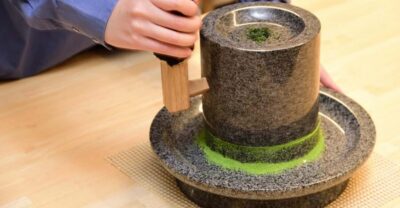 ★ 4.9Tea Museum Tickets and Matcha Grinding ExperienceFrom $23739 reviews
Browse the lists this tour appears in