
Reviewed · KYOTO SAMURAI & NINJA EXPERIENCES
Ninja Trekking half-day tour at Mt.Daimonji Kyoto
A ninja hike beats museum tours fast. This half-day trek at Mt. Daimonji mixes mountain walking with ninja-style survival skills. I love that you get practical instruction on breathing and efficient movement, not just a walk for photos.
You also follow a clear route that links key Kyoto landmarks, climbing from Keage near Nanzenji toward Daimonji and descending down toward Ginkakuji. The total walk is about 7.5 km, and the timing is set so beginners can keep up.
One thing to consider: you still need a moderate fitness level, and the tour listing does not include snacks or bottled water, so plan accordingly. Bad weather can also affect the experience.
Key highlights to look for
- Dojo-style training plus a mountain trek, so it feels like learning, not sightseeing
- Breathing and movement tips that focus on efficiency on slopes
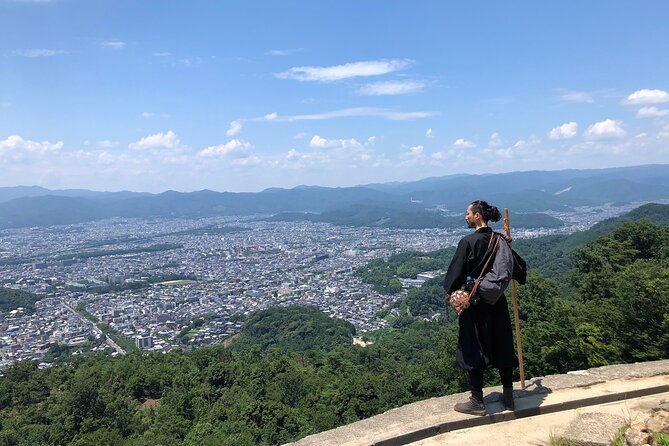
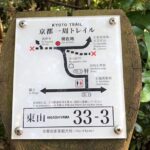
- Mt. Daimonji and the East Mountain 36 peaks connection, adding a spiritual “power spot” frame
- Gentle and safe route design, with about 7.5 km of walking
- Private tour for your group, which usually makes questions and pacing easier
- Bring your own basics, since snacks and bottled water are not included
First step at the Ninja Dojo: training that starts with basics
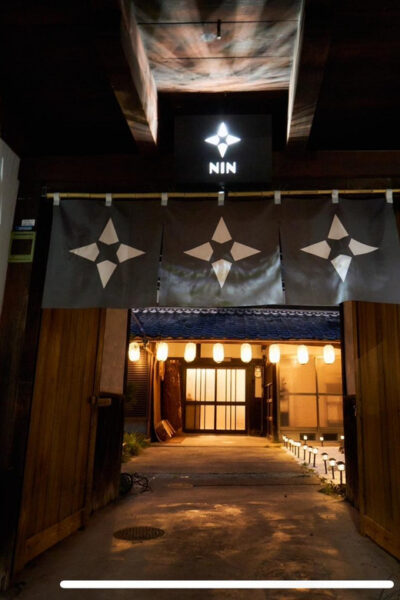
The tour begins at NINJA DOJO and STORE KYOTO Japan, 528 2F, in Shimogyo Ward. Start time is listed as 10:00 am, and the experience ends back at the meeting point. Since it is tied to a dojo address, you should expect some time before you hit the trail.
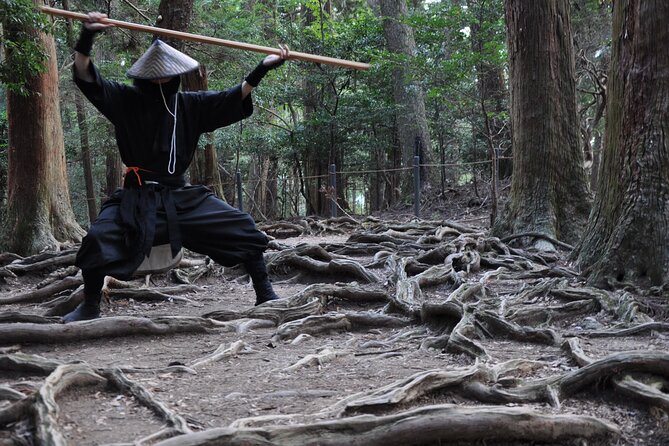
This is not just a theme-park ninja act. The training is presented as ninjutsu, described as a comprehensive survival art with practical items like survival techniques, body manipulation ideas, breathing methods, mind and body training, meditation methods, and the wisdom of mountain walking. Even if you are not into martial arts, these topics translate well to hiking.
From the reviews, the training often includes walking discipline and posture cues that help you move better on uneven ground. One recurring theme is breathing work. That matters on a Kyoto hillside trek, because even a “gentle” route can feel harder if your breathing and pace are off. Another recurring theme is manners, like bowing before a torii, which turns the experience into something more intentional and respectful than casual wandering.
If you are getting your legs ready in the dojo first, the hike afterward can feel like you are applying what you just practiced.
You can also read our reviews of more hiking tours in Kyoto
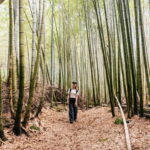
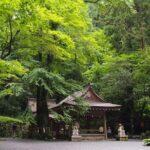
Mt. Daimonji trek route: Keage to Daimonji, then down toward Ginkakuji
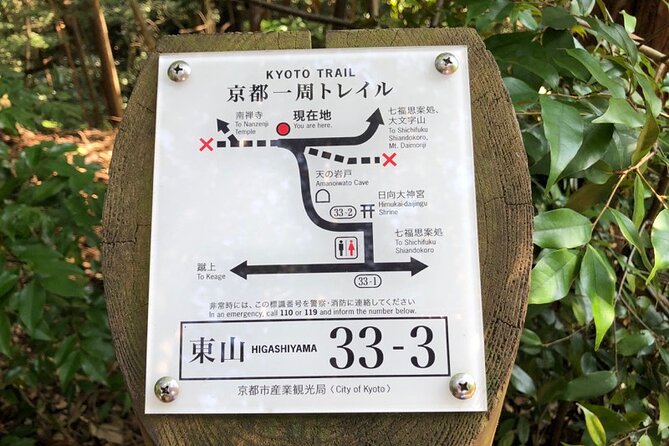
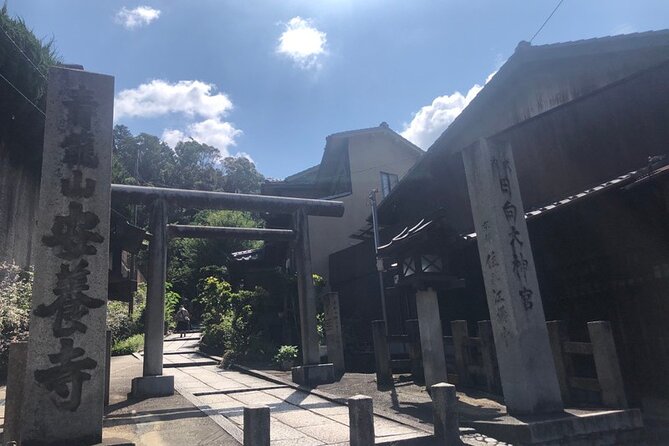
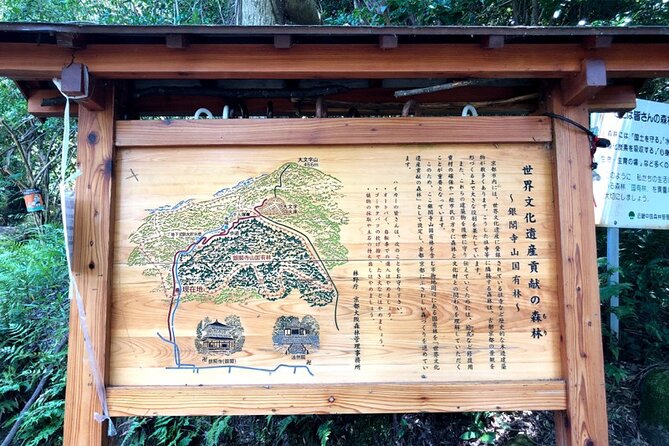
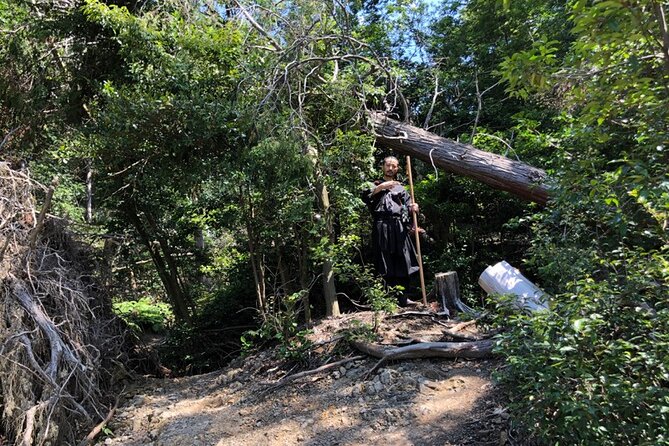
The core of the experience is a trekking route designed as a steady, controlled climb and descent. You start on the Keage side, described as from Keage (near Nanzenji), then climb up toward Daimonji (Nyoigatake). After reaching the Daimonji area, you descend toward Ginkakuji.
The whole route is about 7.5 km. It is described as relatively gentle and safe, and that is important because the timing is also tailored. The normal course is listed as about 3 hours, but the tour pace takes closer to 4 hours. That extra hour is not fluff, it is room for guidance, pacing, and learning how to move on slopes.
Why this route is worth your time: Kyoto has plenty of temple hopping that is mostly flat, mostly crowded, and mostly repetitive once you see a few gates and courtyards. This trek gives you a different angle on the city, through the mountain spine that local “power spot” routes are known for. The tour frames it around Kyoto’s East Mountain 36 peaks, with Mt. Daimonji as the big spiritual landmark.
What to expect underfoot
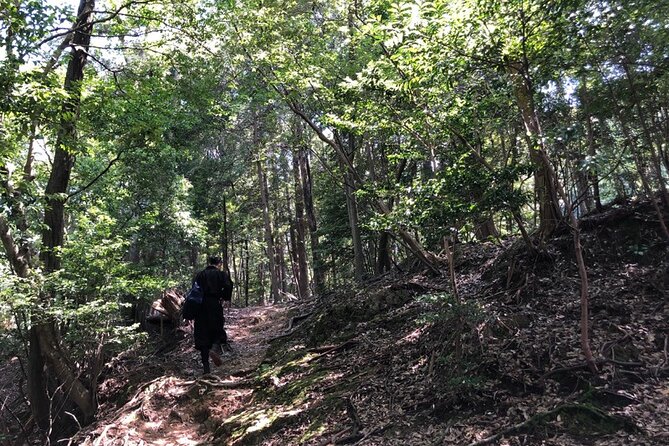
You are on a mountain walking course, so you should plan for uneven ground and changes in incline. The experience is designed to feel safe, but you are still walking a hiking route, not strolling a paved promenade.
The climb to Daimonji is where the breathing and movement lessons matter most. The descent toward Ginkakuji is where good foot placement and controlled pace save your knees and make the walk feel more comfortable.
The walking lesson: breathing, efficiency, and mental focus
A lot of hiking tours give you scenery. This one gives you technique.
The tour description explicitly calls out breathing methods, mind and body training, and meditation methods. In other words, the ninja angle is not only a story. It is structured instruction on how your body and attention work while you walk.
One of the most praised pieces from the experience is how the guide teaches breathing and efficiency of movement. In the dojo and on the trail, that can translate into very practical adjustments, like slowing down without feeling like you are dragging, coordinating your breath with your steps, and using your body in a more economical way. The goal is simple: you should be able to finish the trek feeling like you learned how to do it better, not like you survived it.
The reviews also mention other focused training elements, such as kuji-in protection and guidance on bowing etiquette at a torii. Even if you do not know what every term means, the practical point is that you are given a framework. That framework helps you stop treating the hike as just exercise and start treating it as a moving practice.
And there is a social angle too. With a private group, your guide can adjust instruction to your level. One review described a first-time mountain climber being led so they could learn how to walk, with attention to manners and entry rituals. That is the kind of support that makes the route feel approachable.
How long is it really, and why 4-5 hours works for beginners
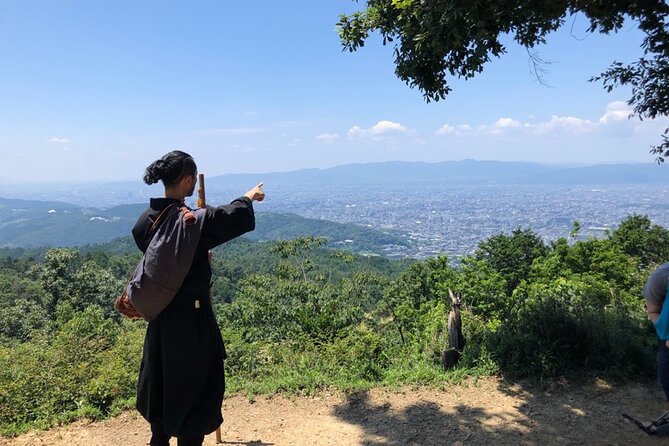
On paper, the walking part sounds straightforward: a 7.5 km route that is described as relatively gentle and safe. But hiking math is tricky. Kyoto can be humid, stone paths can be slick, and even a “3 hour course” can stretch if you are new.
Here’s the useful detail: the tour pacing takes about 4 hours for a course that is normally about 3 hours. That means you are not expected to power-walk. You are expected to practice. You have time for instruction and for making adjustments if something feels off.
The tour also states that even beginners can participate. It also notes you should have a moderate physical fitness level. Those two points together are a good sign. The route is not described as extreme, but it is still a real hike, so you should show up ready to walk for hours.
Practical tip for your comfort
Since snacks and bottled water are not included, you need to handle hydration and energy yourself. I would plan to carry water in your daypack and bring a small snack you can eat before you feel tired. If you skip this, the breathing drills might still help, but you will likely feel the fatigue anyway.
Price and value: what $347.48 covers, and what it does not
The price is listed at $347.48 per person. That is not a budget add-on, so you want to be clear about what you are buying.
What the price includes:
- All fees and taxes
What it does not include:
- Snacks
- Bottled water
- Private transportation
- A restroom on board
You also do not get to count on transport logistics solving your day. The meeting point is near public transportation, which helps, but you are responsible for getting there. The experience is described as private for your group only, which can justify the cost if you value coaching and a calmer pace over a big group hike.
The value angle here is the instruction. You are paying for a structured walking practice with breathing and movement guidance, plus the dojo foundation. If you just want a basic nature walk, you can probably find cheaper options. If you want an experience that teaches how to walk better, you are paying for coaching.
Group discounts are mentioned, and the experience uses a mobile ticket. If you are traveling with friends or family, that can soften the per-person cost and make the private format even more appealing.
More Kyoto temple visits, food tours, tea experiences, and day trips to compare
Who should book this Mt. Daimonji ninja trekking
This tour fits best if you want more than a temple checklist.
Book it if:
- You like learning a skill, not only taking pictures
- You are interested in breathing and body awareness while moving
- You want a gentler introduction to mountain walking without guessing how to pace
- You prefer a smaller, private group experience
Consider skipping or choosing another style if:
- You expect snacks and bottled water to be provided
- You are looking for a fully casual stroll with no technique or discipline
- You are extremely sensitive to walking uphill and uneven ground, even if the route is described as safe
If it helps, think of this as a “practice walk” in the mountains. The outcome is not just finishing the trail. It is leaving with a few walking habits you can use after you go home.
Should you book this Mt. Daimonji ninja trek?
I think you should book it if you want an unusual Kyoto experience that is still grounded in real technique. The best part is the combination of dojo-style instruction and a clear, guided mountain route that links Keage near Nanzenji with Daimonji, then down toward Ginkakuji.
It is especially worth your time if you value breathing and movement coaching, or if you have been curious about how ninja training connects to walking, focus, and survivability skills. Just plan smart: bring water, bring a small snack, and be honest about your moderate fitness level. Do that, and the half-day format should feel like a meaningful use of time instead of a pricey gamble.
FAQ
How long is the Mt. Daimonji ninja trekking tour?
The tour is listed as about 4 to 5 hours, approximately.
What is the total distance of the trekking route?
The route is described as 7.5 km.
Where does the hike start and where does it end?
You start near Keage (Nanzenji) and climb toward Daimonji (Nyoigatake), then descend toward Ginkakuji. The activity ends back at the meeting point.
What time does the tour start?
The start time is listed as 10:00 am.
Is the Mt. Daimonji admission ticket included?
The itinerary notes admission ticket free for Mt. Daimonji.
What fitness level do I need?
The tour says you should have a moderate physical fitness level.
Is snacks or bottled water provided?
No. Snacks and bottled water are not included.
Is transportation included?
No. Private transportation is not included.
Is this tour private?
Yes. It is described as private, with only your group participating.
What happens if the weather is poor?
The experience requires good weather. If canceled due to poor weather, you will be offered a different date or a full refund.
More Hiking & Trekking Tours in Kyoto
More Tours in Kyoto
More Tour Reviews in Kyoto
Not for you? Here's more nearby things to do in Kyoto we have reviewed


Kyoto Samurai & Ninja Experiences, compared.
 ★ 5.0Kyoto Samurai ExperienceFrom $1191,294 reviews
 ★ 4.9Kendo and Samurai Experience with Uniform and GearFrom $103815 reviews
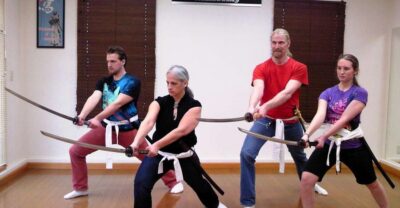 ★ 4.9Samurai Sword Class by Experts in Traditional ArtsFrom $64657 reviews
 ★ 4.5Skip the lines Basic Ticket at SAMURAI NINJA MUSEUM KYOTOFrom $28632 reviews
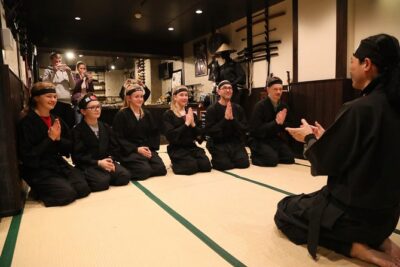 ★ 5.0Ninja 1-hour Hands-on Lesson by Japanese master in Kyoto -EntryFrom $80489 reviews
 ★ 4.8Ninja Weapon Forging ExperienceFrom $148478 reviews
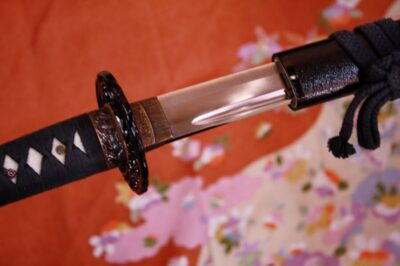 ★ 4.5Samurai Kenbu Traditional Sword Dancing ShowFrom $32426 reviews
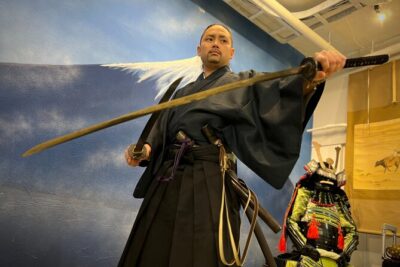 ★ 5.0Samurai Training with Modern day Musashi in KyotoFrom $132256 reviews
Browse the lists this tour appears in