
Reviewed · NISHIKI MARKET FOOD TOURS
Nishiki Market, Private Sushi class & Sake Tasting in Townhouse
Sushi and sake in a Kyoto townhouse. This short class packs a Nishiki Market food walk and a hands-on rolled sushi lesson in one smooth afternoon.
I like two things most: you get to taste along the way at Nishiki Market, and you also learn real technique in a private kyomachiya kitchen, including a mini sake tasting. The one thing to consider is that the price includes the core meal and drinks, but snacks are not included, so plan around that if you snack often.
It is also a guided experience, so you will spend less time wandering on your own. If you want only free time to browse at your own pace, you might feel a little scheduled.
Key points to know before you go
- 400-year Nishiki Market route with tastings: you walk a 5-block stretch with more than 100 shops and restaurants.
- Nishiki Shrine tucked behind market lantern alleys: a calm pause after the food stalls.
- Private kyomachiya setting: a restored traditional townhouse reserved for your group.
- Mini sake tasting included: you learn sake culture before you start cooking.
- Hands-on rolled sushi plus miso soup from scratch: you make and assemble, not just watch.
- Vegetarian and vegan options with advance notice: good for mixed groups.
Nishiki Market, Kyoto’s food street in one focused walk
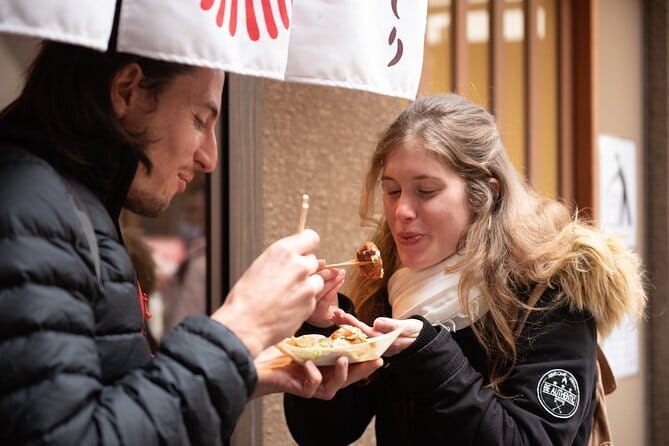
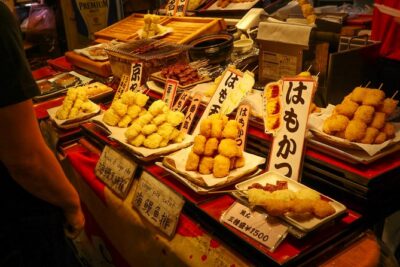
Nishiki Market is the kind of place where you can spend all day and still not see everything. This experience keeps it human-sized: about 1 hour to walk a 5-block stretch and sample along the way. The market has more than 100 shops and restaurants, and the mix matters, because you see how ingredients move from vendor to kitchen.
You will pass stalls focused on fresh seafood, seasonal vegetables, pickles, dried foods, and other pantry staples that show up in Kyoto cooking. Your guide also shares why the market matters, and that context helps you spot what you are really looking at, not just what is for sale.
My practical tip: go hungry, but not starving. With tastings built into the stroll, you want room for a few bites, then you can settle into the cooking portion without needing to refuel in the middle.
You can also read our reviews of more food & drink experiences in Kyoto

Nishiki Shrine: the calm break between food stops
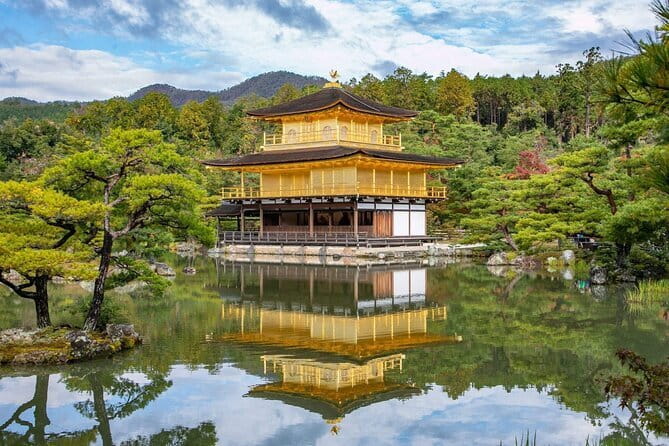
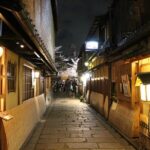
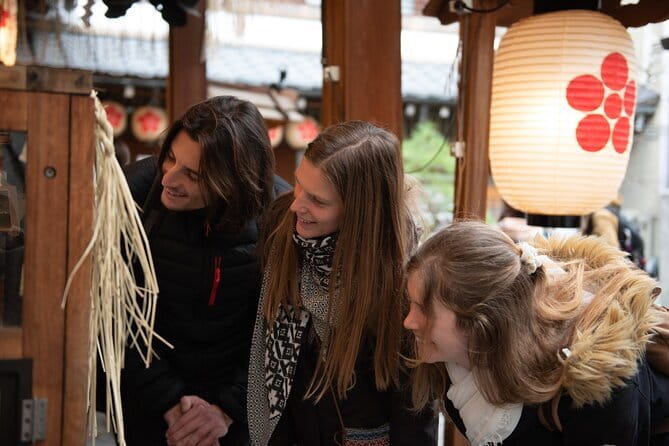
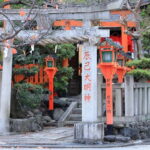
After the market walk, you stop at Nishiki Shrine. It sits away from the main crush, tucked behind lantern-lit alleyways, so the switch in atmosphere is noticeable in a good way. If your day in Kyoto is packed with temples, this short shrine stop still feels purposeful because it breaks the sensory overload from the street food.
Even if shrines are not your main priority, the timing works. You get a breather before you shift into a more hands-on, seated kitchen moment. It also gives you a small cultural anchor point that goes beyond just eating.
Inside the kyomachiya townhouse, where sake sets the tone
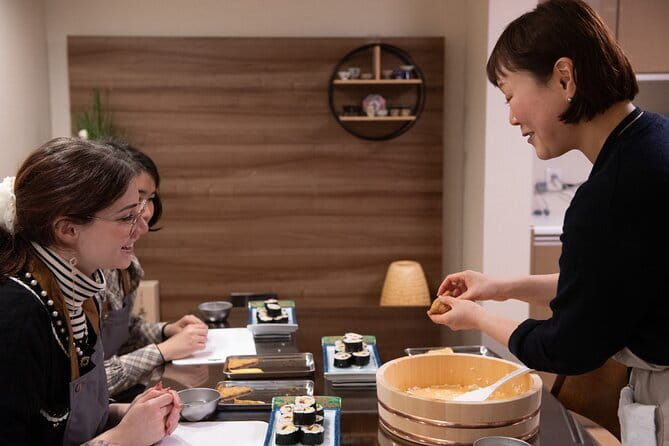
The cooking part happens in a preserved traditional Kyoto townhouse, a kyomachiya, and it is reserved exclusively for your group. That privacy changes the feel compared with big group classes in busy rooms. You can hear your instructor, move at your station, and ask questions without constantly squeezing past other people.
This is also where the mini sake tasting happens. The focus is not just on tasting sake, but on learning about Japan’s sake culture. For me, that is the key value add, because it turns an alcoholic beverage into something you can place in context. You are more likely to remember flavors when you understand what you are tasting.
One thing to note: alcoholic beverages are included, so you might want to keep your day plan realistic. If you plan more walking afterward, pace it, drink water, and skip the super late-night plans.
Rolled sushi workshop: technique over guesswork
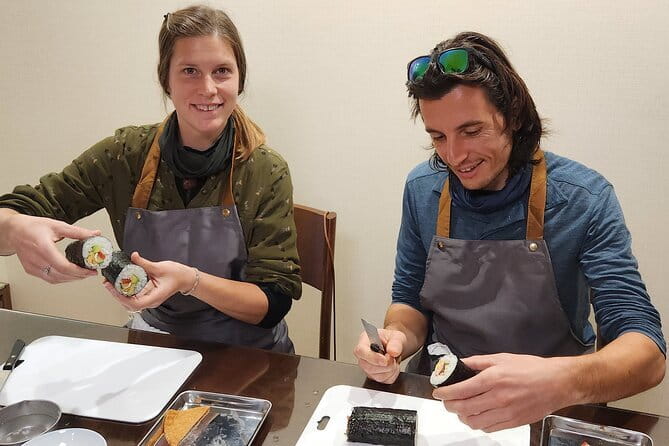
Now for the highlight: a hands-on rolled sushi workshop with a local instructor. You are not just learning what sushi looks like. You learn how to make it step by step, using fresh ingredients and guided technique.
Rolled sushi is one of those foods that looks simple until you try it. The instructor’s role matters because the details are what make or break the roll, from how you handle rice to how you assemble fillings. The experience is offered in English, so you can follow the process without constantly guessing what a key step means.
This is also where you get a sense of “working like a cook.” You measure, assemble, and correct as you go. If you have never made sushi before, that is fine. In fact, the whole point is that it is taught, not performed.
Practical advice: if you are a total beginner with rice handling, do not rush. The roll is where patience pays off. Your instructor will guide you, but your hands still need a minute to figure out the rhythm.
Miso soup from scratch with dashi, not from a packet
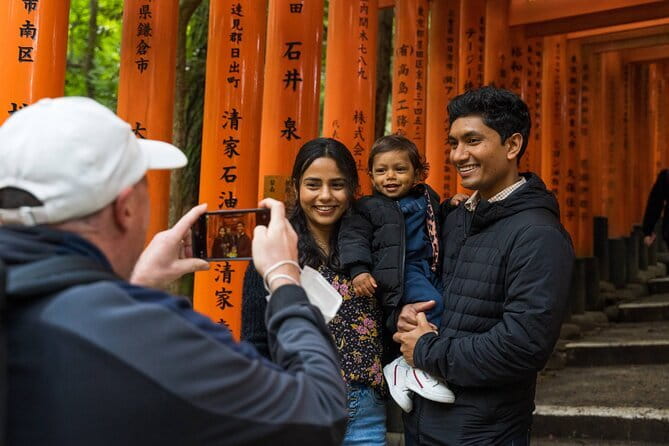
Sushi gets the attention, but the class also includes making homemade miso soup from scratch, including dashi. This matters because dashi is the flavor engine in Japanese cooking. When you learn how the base comes together, miso soup stops being a generic bowl and turns into a dish with structure.
You will also prepare seasonal Japanese side dishes. Based on what people have done in similar sessions, you may see preparations like egg and spinach omelets with sesame sauce alongside the sushi and miso soup. The exact menu can be seasonal, but the theme is consistent: you learn a few classic components that work together on a Japanese table.
My favorite part of a cooking class is usually the non-obvious parts, and for this one, it is the broth work. If you go home and you can make dashi and miso soup, you will use that knowledge again and again.
You can also read our reviews of more private tours in Kyoto
Lunch, dessert, and what you can recreate at home
You are not cooking your way to an empty stomach. Lunch is included, and you also get a Japanese-style dessert to finish. That combination is important. It turns the class from a “lesson” into a full meal experience, so you taste what you just made, then end on something sweet.
A recipe booklet is included as well. For me, this is one of the best parts of structured classes. You can follow the booklet later when the memories fade and the smell is long gone. It is also a nice safety net if you got distracted during sushi rolling, which happens easily when you are concentrating on not dropping ingredients.
If you like cooking, this is where the value shows up. Not because you are getting a piece of paper, but because you are leaving with a plan you can actually follow.
Price, timing, and how the route fits a Kyoto day
The price is $121.84 per person, for a 2 to 3 hour experience that includes a guide, lunch, alcoholic beverages, and tastings plus the cooking session. It is not a cheap impulse buy, so I would treat it like a core activity, not a filler.
Here is where the money usually makes sense for me:
- You get a guided Nishiki Market walk with tastings, which you might not replicate easily on your own.
- The townhouse setting and instructor-led workshop reduce trial-and-error.
- Alcoholic beverages are included, along with lunch and dessert.
Timing-wise, plan it as an afternoon anchor. It starts at 79 Nishiuoyachō, Shimogyo Ward, in the Kyoto 604-8142 area, and ends at 96-13 Asazumachō. The endpoint is about a 5-minute walk from Gojo Subway Station, which is convenient if you want to connect to sightseeing afterward without stressing over your next transport step.
One more practical note: it is a private tour, so only your group participates. If you are traveling with family or friends who want a more relaxed pace, that privacy is a big deal.
Who should book this Kyoto sushi and sake class
This is a great fit if you want an experience that is hands-on and food-focused, but you still like a bit of walking and context. It is also a good match for people who enjoy learning how ingredients work together, not just copying a final dish.
I especially recommend it if:
- You want Nishiki Market without getting overwhelmed by choice and crowds.
- You like the idea of cooking in a restored kyomachiya rather than a generic classroom.
- Your group includes at least one person who wants sushi practice and another who wants sake culture.
It is also helpful that vegetarian and vegan options are available with advance notice. That can save a lot of stress in mixed dining groups.
Should you book it: my decision checklist
Book this tour if you want one guided afternoon that gives you structure, tastings, and real cooking skills, all in a private townhouse setting. You will walk Nishiki Market, you will stop at Nishiki Shrine, and then you will cook and eat a full Japanese meal, including dessert.
Consider passing or choosing something else if you want a lot of free time to wander alone for long stretches. Also keep in mind that snacks are not included, so if you tend to snack constantly between meals, you may want to plan for that.
If you are on the fence, think about your goal. If your goal is to learn how to make rolled sushi and miso soup with dashi, this is the kind of lesson you can actually repeat at home.
FAQ
How long is the Nishiki Market stroll and sushi class?
The experience runs about 2 to 3 hours total, with roughly 1 hour for the Nishiki Market shopping district portion.
Is this tour private?
Yes. It is listed as a private tour/activity, so only your group participates.
What language is the class taught in?
The experience is offered in English.
What is included in the price?
Lunch is included, along with a guide, restroom access, and alcoholic beverages. You also get the cooking experience elements like the sushi-making and miso soup preparation, plus dessert, and a recipe booklet.
Are snacks included?
No, snacks are not included.
Can vegetarians or vegans join?
Yes. Vegetarian and vegan options are available if you provide advance notice.
Where does the tour start and where does it end?
It starts at 79 Nishiuoyachō, Shimogyo Ward, Kyoto 604-8142, Japan. It ends at 96-13 Asazumachō, Shimogyo Ward, Kyoto 600-8407, Japan, with the endpoint being a 5-minute walk from Gojo Subway Station.
What is the cancellation policy?
Free cancellation is available. You can cancel up to 24 hours in advance for a full refund. If you cancel less than 24 hours before the start time, the amount paid is not refunded.
More Private Tours in Kyoto
More Food & Drink Experiences in Kyoto

More Tour Reviews in Kyoto
Not for you? Here's more nearby things to do in Kyoto we have reviewed
Nishiki Market Food Tours, compared.
 ★ 5.0Nishiki Market Brunch Walking Tour (7 Tastings + Brunch)From $681,355 reviews
 ★ 5.0Kimono Tea Ceremony at Kyoto Maikoya, NISHIKIFrom $65911 reviews
 ★ 5.0Kyoto Nishiki Market Food and Culture Walking TourFrom $80412 reviews
 ★ 4.8Nishiki Market Tea Ceremony with Koto PerformanceFrom $56294 reviews
 ★ 4.8Nishiki Market Brunch Walking Tour-7 Tastings+BrunchFrom $66197 reviews
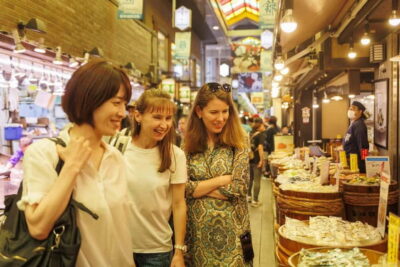 ★ 4.7Local Food Tasting Tour at the Nishiki MarketFrom $78135 reviews
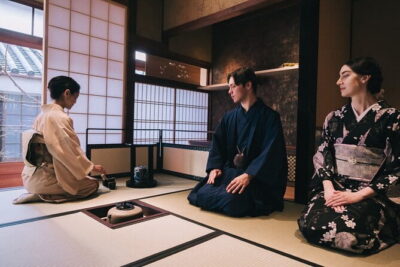 ★ 5.0Kimono Tea Ceremony Experience at Kyoto Oritzuruya, NishikiFrom $50116 reviews
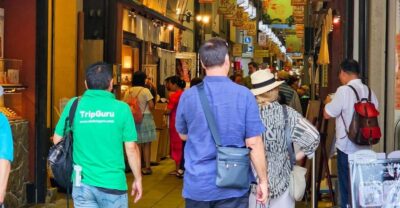 ★ 4.7Nishiki Market and Depachika Food Tour with a LocalFrom $4276 reviews