
Reviewed · NARA DAY TRIPS FROM KYOTO
Osaka & Nara in 1-Day by Private Van with Local Expert Guide
One day, two cities, zero transit stress. I like the private van setup because it removes the hassle of train changes while you move between Nara and Osaka, and I also love that you get an English guide who can explain what you are seeing and help with photos. The day is packed with major sights plus lively neighborhoods, so you will want comfy shoes and a flexible mindset if you tend to linger.
A name that pops up often in these tours is Daiki (Daiki Fukashi), and the vibe you will get from guides like him is practical and friendly. You can expect clear storytelling about temples and castle history, plus real-world route choices like fitting in extra viewpoints or adjusting when the plan needs to breathe a bit. If you want a calm, slow-paced day, this may feel like too much, but if you want maximum payoff for limited time, it is a strong match.
Key highlights to know before you go
- Door-to-door pickup and drop-off across Kyoto, Osaka, and Nara, with the itinerary tailored to you
- A local English guide who helps you connect the dots and take better photos
- Nara Park deer time plus the big-scale feel of Todaiji, then right on to Osaka
- Osaka icon stops like Osaka Castle and the Dotonbori neon energy zone
- Flexible pacing by season and conditions, so the day can adjust without ruining your day
Door-to-door Osaka and Nara from Kyoto, with private transport that saves your day
This is the kind of tour that works because it treats your time like it matters. You start at 1:00 pm, and you can choose where you want picked up and where you want to end. That flexibility is huge in Kansai, because moving between cities is usually where plans turn annoying, with crowds, station navigation, and transfer timing.
You ride in an air-conditioned private vehicle, either a Nissan Serena (2 to 6 passengers) or a mini convertible (1 passenger). That matters because the day includes walking in busy areas and brief stops where you will want to stay comfortable between photo moments. The tour also covers fuel, highway fees, parking fees, and includes a driver plus a full English guide, so you are not trying to figure out logistics mid-day.
Also, you are not stuck with one rigid order of stops. The routing gets updated flexibly by season and conditions, and the guide can tailor your day to what you care about most. If you want more temple time, or more Osaka street life, you can usually steer the balance.
You can also read our reviews of more guided tours in Kyoto
How the 1-day route flows: Nara deer to Osaka neon
The tour is built like a straight line with smart stops, so you are not zig-zagging for no reason. It starts with Nara Park and its famous wild deer, then moves toward Osaka Castle and the quieter green pause of Yoshikien. After that, the itinerary shifts into Osaka’s personality, including places that feel like youth districts, electronics and anime culture, and the city’s iconic shopping and nightlife corridors.
One practical upside of this flow is that you see both sides of the region in a single day. Nara gives you atmosphere and tradition, Osaka gives you energy, and you finish with enough night-life flavor that the day does not feel like a checklist of monuments only.
The main consideration is simply intensity. The tour runs about 6 hours 30 minutes to 7 hours 30 minutes, and within that window you are hitting multiple neighborhoods. If you love deep museum time or slow garden strolling, you might wish for a longer day in one area. If you want variety and big highlights, this is tuned for that.
Nara Park deer time, Todai-ji scale, and the bell tower story
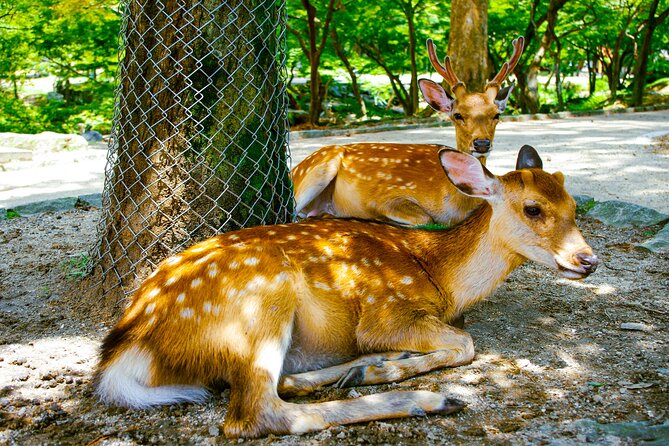
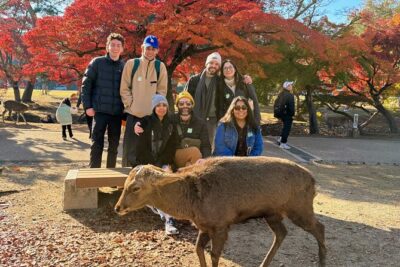
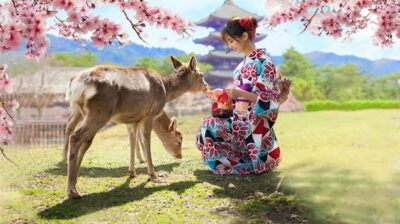
Your first major stop is Nara Park. This is where the day really clicks for first-time visitors, because the deer are not tucked away behind fences. They are everywhere, relaxing in nature, near temples, on roads, and around people. Seeing them in the middle of the cityscape and temple grounds gives you an instantly memorable Nara feeling.
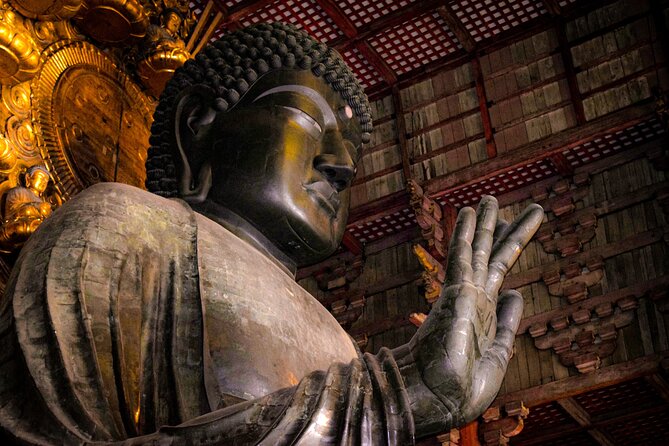
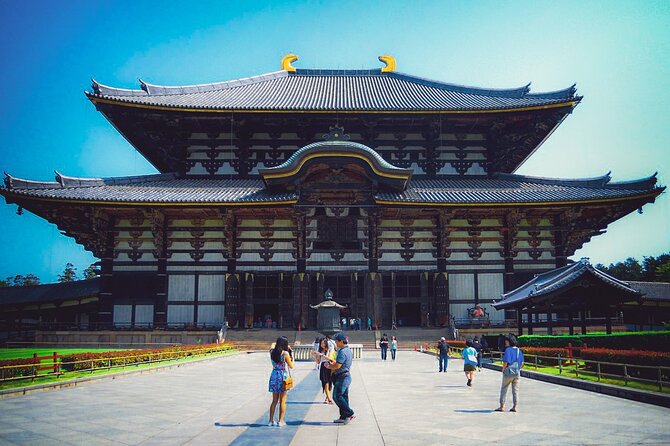
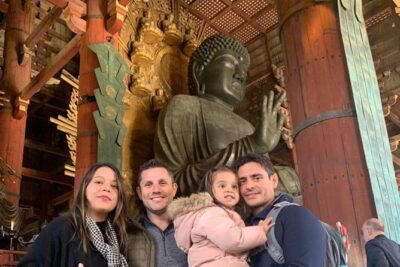
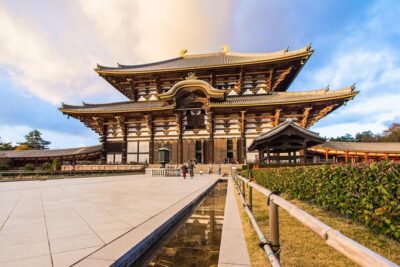
After the park portion, the itinerary includes Todai-ji Temple (Todai-ji). This is not a small stop, and the tour hits it in a focused way. You get time to appreciate it as a landmark of Japanese Buddhist architecture, including the famous massive Buddha statue inside. Admission for Todai-ji is not included, and the price listed is ¥800 per person, so plan for that cost if you are budgeting carefully.
The final Nara-related moment is Todai-ji Shoro, the Bell Tower. Here you are not just looking at a building, you are hearing the bell tradition tied to the temple. The description you will get centers on a monk ringing the bell every evening at 8:00 pm, and the bell tradition is said to be heard for three days even though it is described as not hitting its target. Whether you find that detail funny or fascinating, it is a nice way to connect a visual landmark with a living routine.
Practical tip: Nara Park can feel busy, and deer movements can be unpredictable. Keep your footing steady and be mindful where you step, because you will be walking in shared space.
Osaka Castle plus Yoshikien: history and calm in short doses
Next up is Osaka Castle. You get a quick window, around 20 minutes, and that can sound short until you realize it is timed for impact. Osaka Castle has been a symbolic fixture for more than 400 years, and the guide can frame what you are seeing through stories about the samurai era and the people tied to its history.
This stop is useful even if you are not obsessed with castles, because it gives you a clear visual anchor for Osaka. Without it, Osaka can feel like neon and shopping only. With it, you get a sense of why Osaka became the city it is.
Then comes a breather: Yoshikien. This is a Japanese garden area arranged into distinct sections, and it is described as showing seasonal flowers and trees, plus representative mosses that look good in every season. The tour schedules this for about 15 minutes, which is ideal if you want a reset before heading back into busier districts.
One consideration: because the garden time is short, you will get more enjoyment if you show up ready to look closely in small bursts. Bring your attention, not just your feet.
Osaka youth districts, electronics-and-anime flavor, and the street-scene stops
A key part of this itinerary is that Osaka is not treated as one neighborhood only. You get time in a set of distinct districts that each show a different Osaka mood.
The itinerary explicitly includes time in American Village, a youth-oriented Osaka area with an atmosphere compared to Tokyo’s Harajuku and Shibuya in how it feels for younger crowds. This is the kind of stop where you might notice fashion, street energy, and pop-culture vibes, especially in contrast to Nara’s quieter pace.
You also have a stop framed as the Akihabara of Osaka, centered on electronics and anime culture. This is a fun break if you like browsing stores and picking up small souvenirs without committing to a long shopping spree.
Then there is time noted in the red-line district. The description highlights that it is known for entertainment with distinctive costumes and that it is a contrast to what many people expect from Japan’s most traditional housefronts. I would treat this as a cultural and observational walk, not a place to rush. If you are sensitive to adult-themed entertainment, adjust your expectations and let your guide know what you are comfortable seeing.
The value of these street-scene stops is that they keep Osaka from becoming generic. They help you feel the city’s modern identity alongside the older landmarks.
You can also read our reviews of more private tours in Kyoto

Dotonbori to Shinsaibashi arcades, plus Tsutenkaku street food energy
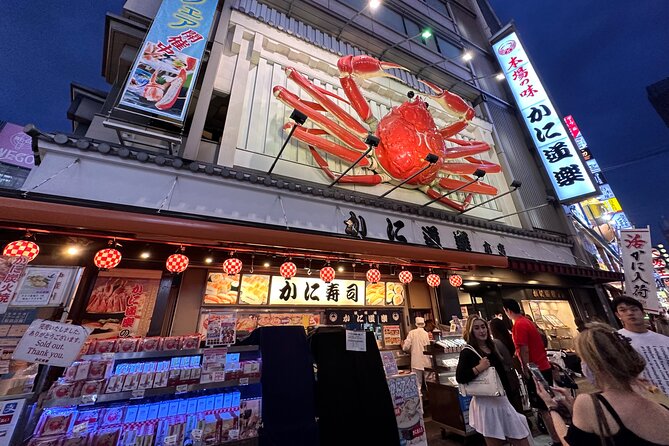
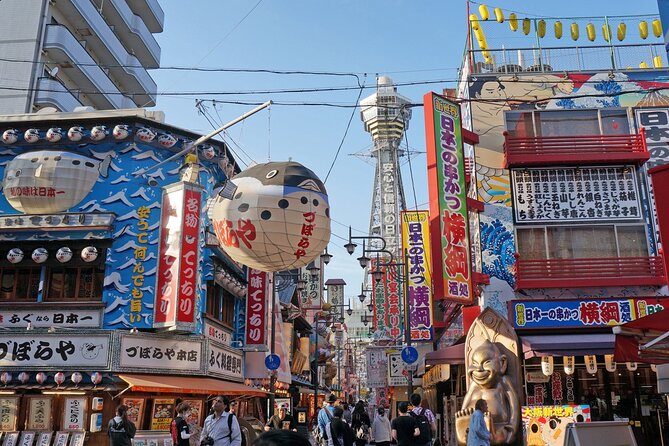
No Osaka highlights list is complete without Dotonbori. Your itinerary includes time in the Dotombori District area, also tied to Shinsaibashi. This is described as Osaka’s iconic and crowded zone, known for the “running man” sign, neon along the river, and a long shopping street. This is where Osaka’s energy is easiest to see. You can also get great photo opportunities here because the lighting and signage do a lot of the work for you.
Your next stop is Tsutenkaku Hondori Shopping Street. This is another symbol of Osaka with unique shops and a lively vibe. The tour highlights that it is friendly and that street food is part of the experience. If you have been thinking about trying Osaka classics, this is where your guide can point you toward what to order. Takoyaki is specifically mentioned as something to try.
Then you move through Shinsaibashisuji Kita Shotengai, described as the most crowded shopping arcade in Japan, similar to Tokyo’s Shibuya crossing in density. Even if you do not buy anything, walking a crowded arcade helps you understand how Osaka people actually move and shop, and why the city feels like it has rhythm.
These stops work well because they stack different kinds of “city energy.” Dotonbori is neon showmanship. Tsutenkaku brings a more local street-food feel. Shinsaibashi is pure arcade momentum. If you love photos, you will likely appreciate how quickly the scene changes from stop to stop.
Photo help, restaurant guidance, and why a guide name like Daiki matters
The tour is more than transportation plus a list of stops. You have a local expert in the car with you, and you can use that time for questions, directions, and photo guidance. The tour description notes that your guide can help you take photos, and the way guides like Daiki are described in real usage includes being punctual, reliable, and good at explaining what you are seeing in a way that makes the sites click.
One theme from guide performance is route intelligence. People describe getting to places you might not find on your own, including back street routes that show everyday Osaka rather than only the obvious photo spots. Another repeated point is flexibility. If plans shift or your interests tilt, the guide can adjust the order or add options when timing works.
Food is also handled with common sense. The tour includes dinner time guidance, and you are not just left wandering. There are mentions of picking an excellent local restaurant and even stopping at ramen for dinner in a way that felt better than typical tourist options. Since dinner fees are not included, the guide’s value is in steering you toward places where you can eat well without overthinking it.
A small reality check: with so many stops, you will not have time to “research” every place. If you want a relaxed day, lean on your guide early and let them handle the micro decisions.
Price and what you get for $300.61 per group (including parking, fees, and guide time)
The price is listed as $300.61 per group, with a maximum of 1 in the group size shown. Since this is a private tour, value is not about splitting costs with a crowd. Value comes from what is included, and the included list here is strong:
- Full English guide and driver
- Air-conditioned private vehicle (Nissan Serena for up to 6, or mini convertible for 1)
- Fuel and highway fees
- Parking fees
- Free pickup and dropping off anywhere in Kyoto, Osaka, and Nara cities
- Dinner time guidance and local restaurant help
- Mobile ticket
What is not included is also clear: Todaiji admission (¥800 per person), plus any cost tied to customization, and lunch and dinner fees. So if you want to compare this to train plus tickets, the honest math is that you are paying for comfort, time saved, and a guide who reduces guesswork.
For many people, the best way to judge value is to ask: would you rather spend your day navigating transit and ticket lines, or would you rather spend it seeing a lot of Osaka and Nara with someone doing the planning in real time? If you want the second option, the price starts to make sense fast.
Timing and planning tips for a 1:00 pm start
You start at 1:00 pm, and the tour lasts about 6.5 to 7.5 hours. That timing usually sets you up for a late afternoon and early evening finish, which is a good match for Osaka’s neon and arcade atmosphere.
Because lunch is not included, I suggest eating something light before pickup, or ask your guide for a quick nearby option when the schedule makes sense. The tour includes dinner guidance, but dinner cost itself is on you, so treat that as part of your day budget.
Wear practical shoes. You will spend time walking in Nara Park, across Osaka’s shopping arcs, and along major districts like Dotonbori. Also, bring a small layer for late-day air changes. Temples and parks can feel cooler even when the city is warm.
If you care about photos, tell your guide your priority early. This is where “photo help” becomes real. A guide can help you choose angles, find safer spots, and avoid standing in places where you block others.
Should you book this Osaka and Nara in one day private van tour?
Book it if you want a single-day hit of Nara deer plus Osaka highlights without spending half your day on transit. It is especially good for people who:
- Have limited time in Kansai
- Prefer private logistics over crowded group tours
- Want a local guide like Daiki (Daiki Fukashi) who can explain what you see and adjust when needed
- Care about both historic landmarks and modern city energy
Skip or consider carefully if you:
- Want lots of quiet downtime, because the schedule is full
- Dislike adult-themed entertainment areas, since the itinerary includes the red-line district stop
- Do not want to pay extra admissions, since Todaiji is ¥800 per person and lunch plus dinner are not included
If your goal is maximum variety with minimal hassle, this is a solid choice. If your goal is slow travel in one city, you will probably enjoy a longer, single-destination day more.
FAQ
What time does the tour start?
The start time is 1:00 pm.
Is pickup available, and can I choose a different drop-off location?
Yes. Free pickup and dropping off anywhere in Kyoto, Osaka and Nara is included, and pickup and drop-off can be different.
How long is the tour?
It runs about 6 hours 30 minutes to 7 hours 30 minutes.
Is this a private tour?
Yes. It is a private tour/activity, and only your group participates.
What vehicle do I ride in?
You ride in a private Nissan Serena (2 to 6 pax) or a mini convertible (1 pax), depending on group size.
Is there a ticket needed for Todai-ji Temple?
Yes. Todaiji admission is not included and is listed as ¥800 per person.
Are there admission fees at the other stops?
The itinerary lists many stops as free, but the only explicit paid admission item provided is Todaiji.
Does the tour include lunch or dinner?
Lunch and dinner are not included, but the tour includes dinner time and a local restaurant guide.
How do I receive tickets?
The tour uses a mobile ticket.
Is free cancellation available?
Yes. You can cancel for a full refund if you cancel at least 24 hours in advance of the experience start time.
Is the guide English-speaking?
The tour includes a full English guide, and the guide is described as speaking fluent English in the available information.
More Private Tours in Kyoto
More Guided Tours in Kyoto

More Tour Reviews in Kyoto

Not for you? Here's more nearby things to do in Kyoto we have reviewed


Nara Day Trips from Kyoto, compared.
 ★ 5.0World Heritage Kyoto & Nara Uji Authentic Matcha ExperienceFrom $1291,573 reviews
 ★ 4.7Kyoto/Osaka: Nara, Fushimi Inari Taisha, Arashiyama Bus TourFrom $521,275 reviews
 ★ 5.0Nara Half Day Trip Walking Tour (Private Option Available)From $105937 reviews
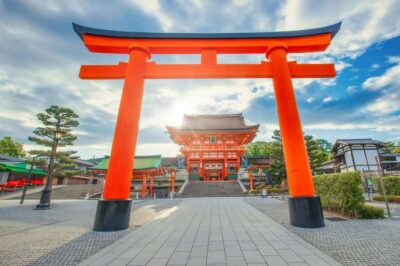 ★ 4.4Osaka/Kyoto: Arashiyama, Nara & Fushimi Inari Shrine w/LunchFrom $61754 reviews
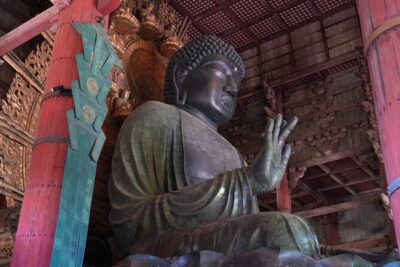 ★ 5.0Nara Early Morning Tour (Kyoto or Osaka Departure Available)From $61676 reviews
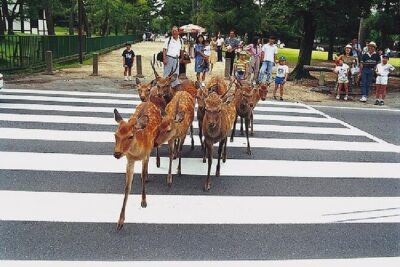 ★ 4.5Kyoto and Nara Day Trip from KyotoFrom $194445 reviews
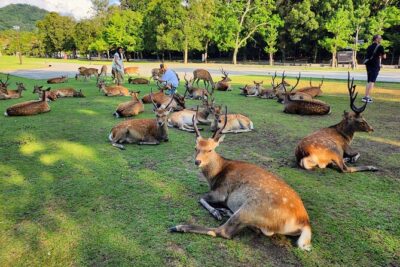 ★ 5.0Full Day Guided Tour to Kyoto and Nara from Osaka by VanFrom $106420 reviews
 ★ 4.5Nara Afternoon Tour from Kyoto or OsakaFrom $102390 reviews
Browse the lists this tour appears in