
Reviewed · ARASHIYAMA & BAMBOO GROVE TOURS
Private Customized 3 Full Days Tour Package: Discover Kyoto, Arashiyama and Nara
Three days, three icons: Kyoto, Arashiyama, Nara. This is a private tour you can customize in partnership with your guide, built around the biggest name sights plus a few smart breaks like Nishiki Market.
I like the way the schedule groups places that make sense together, so you are not bouncing across town all day. I also like the human factor, guides such as Kingo and Ahmed Abu Tayeh have a reputation for being organized and easy to follow. One consideration: you will still budget for temple entrance fees and lunch, since they are not included.
Key highlights worth knowing before you go
- Private group up to 10: your day-to-day pace is set for your group, not a busload.
- Three zones in one loop: Kyoto classics, Arashiyama nature, then Nara with deer and major temples.
- Time for iconic stops plus breaks: Nishiki Market and lunch time are built in rather than squeezed out.
- A guide you can work with: the itinerary is a guide, but you can adjust it with your person-on-the-ground.
- Car and driver support: an arranged private car helps keep the days moving efficiently.
How this Kyoto, Arashiyama and Nara route fits together
If you have limited time in Kansai, this kind of three-day route is a practical win. You hit the Kyoto sights most people come for, then you switch gears for Arashiyama, and you finish with Nara’s deer park and big-ticket temple stops.
What makes it feel worth it is the internal logic of the plan. Day 1 leans east and central Kyoto with famous temple clusters, Day 2 goes out toward Arashiyama and then back into Kyoto for Kiyomizu-dera and the Gion area, and Day 3 is a focused Nara outing with a clean return to Kyoto.
This is also the kind of private tour where you can actually use your guide. The schedule is shown, but you can arrange changes. That matters because Kyoto is famous for having more than one version of the same decision: do you want more photos, more walking, more shopping time, or a calmer pacing.
You can also read our reviews of more private tours in Kyoto

Day 1: Nijō Castle, Golden Pavilion, rock garden, Nishiki Market, Fushimi Inari
Day 1 has a classic Kyoto sweep, with stops that each deliver a different feel. You meet your guide at 09:00, then the day moves quickly but not randomly.
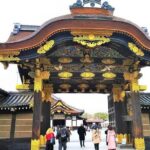
Nijō Castle is your opener at 09:30. This UNESCO site is known for Edo-period architecture and its gardens, and the highlight is the opulent Ninomaru Palace. If you like architecture and atmosphere, this is a strong start because it sets a formal, historical tone right away.
At 11:00 you head to Kinkaku-ji Temple (Golden Pavilion). The temple’s big draw is visual and immediate, that shimmering gold look across its pond backdrop. Plan to slow down here, because the whole site is designed for reflective looking, not just passing through.
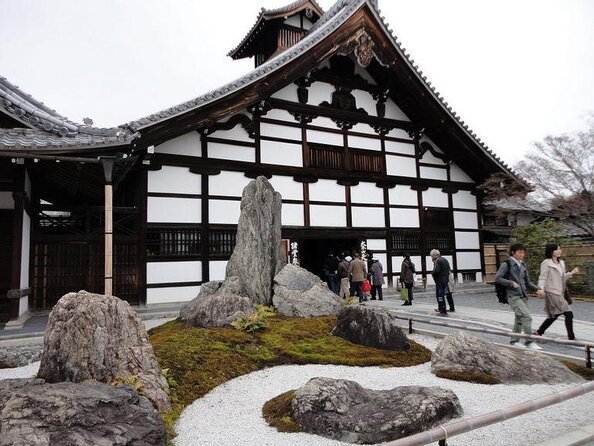
Then at 12:30 you shift to Ryoan-ji Temple and its Zen rock garden. The power of Ryoan-ji is in the restraint, and the layout is meant to be studied. Even if you are not a hardcore Zen person, the contrast with the Golden Pavilion is satisfying, golden and pond on one side, minimal rocks and quiet on the other.
At 14:00 the day builds in a lunch break paired with Nishiki Market. Nishiki is often called Kyoto’s kitchen for a reason. It is a long, walkable marketplace area with lots of food-focused stalls. Admission here is free, and it is a good place to sample small bites and reset your energy without turning the day into a restaurant quest.
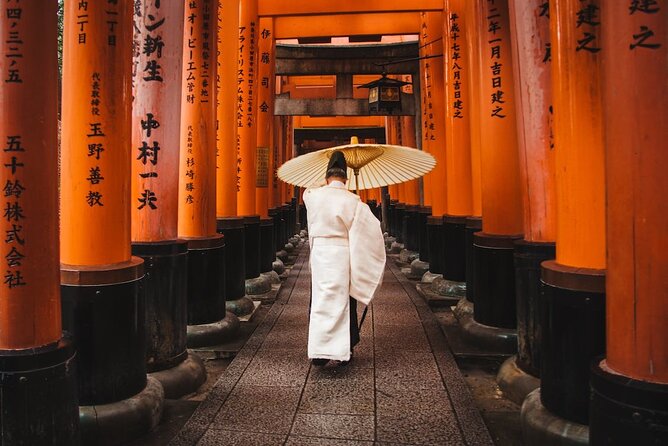
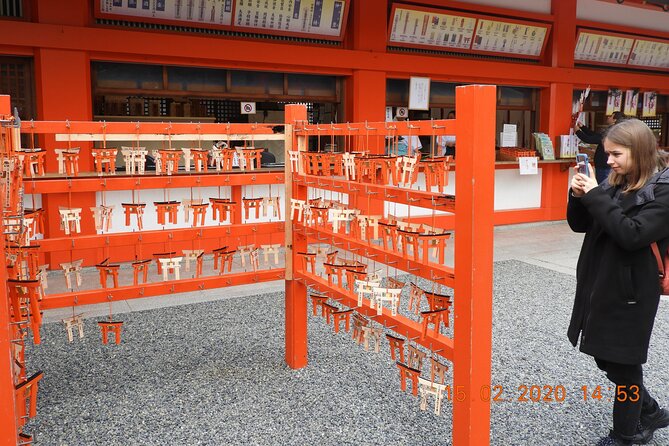
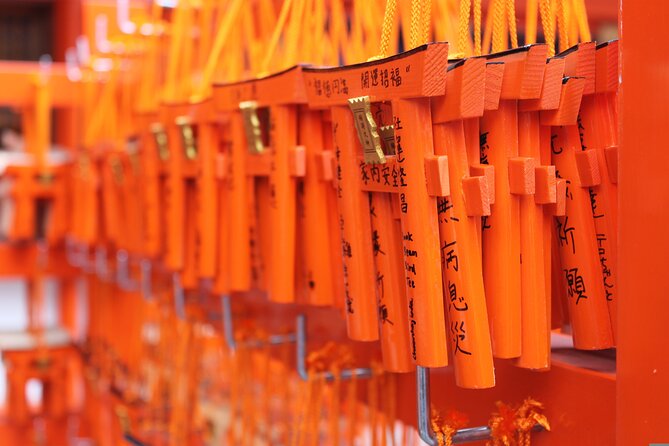
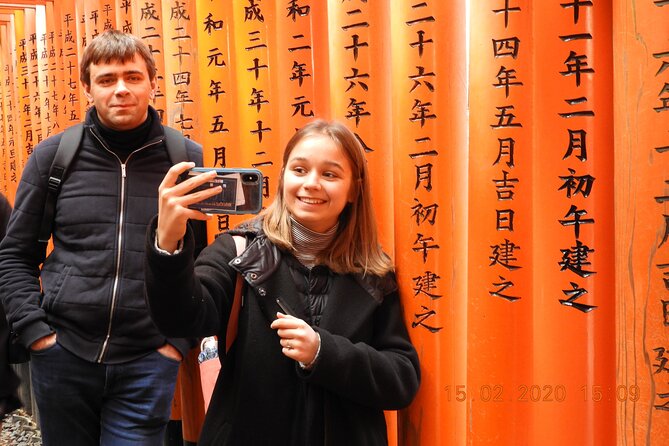
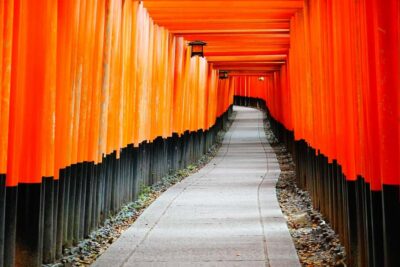
Finally, at 15:30 you end with Fushimi Inari-taisha Shrine. The famous part is the thousands of red torii gates creating paths through wooded trails. Admission is free here too, so this is one of the best “big wow” stops that does not add ticket cost.
A small reality check: this day is packed. If you hate walking between closely timed sights, Day 1 will test your stamina. If you are okay with a busy day and you want Kyoto’s best-known highlights in one go, it works.
Day 2: Bamboo, Hozu-gawa and Togetsukyo Bridge, Monkey Park, then Kiyomizu-dera and Gion
Day 2 reads like two days stitched together. You start in Arashiyama style territory, then you come back into Kyoto for two of the most iconic evening-feeling stops.
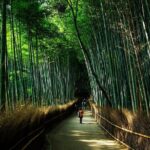
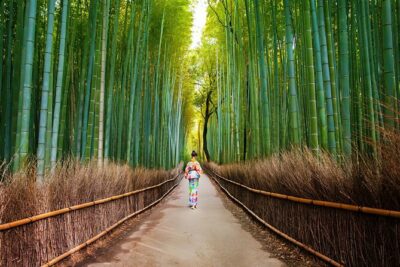
You meet your guide again at 09:00, then at 10:00 you are in the bamboo grove area, tied to Bamboo Forest Street, Nonomiya Shrine, and Tenryu-ji Temple Garden. Bamboo is the headline, but the timing matters. This cluster lets you see bamboo as a full scene, not just a quick photo stop, and you also get the shrine and garden pieces that help the bamboo feel less like a stage prop and more like a place.
At 11:30 the plan shifts to the Hozu-gawa River and Togetsu Bridge. This is a calmer visual segment than the bamboo. The river area is described as once a vital trade route, and you can also pair the river setting with boat tours through the valleys if that is offered during your timing. Even if you skip any extra activity, the bridge and river are a good change of pace before the next walking-heavy piece.
At 12:00 you go to Monkey’s Park. The park stop adds a different kind of Kyoto outdoors time, and it gives you a chance to look around beyond temple gates. The practical takeaway here is to wear shoes you can trust, because your energy will be spent by then.
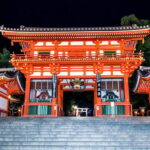
Around 14:00, lunch is included as a break on the day’s structure, then you move to Kyoto’s famous hillside landmark. At 15:30 you are at Kiyomizu-dera Temple, and the timing supports an evening stroll around Gion afterward. Kiyomizu-dera is UNESCO and is one of Kyoto’s best-known landmarks, perched on the hillside, with views that tend to be the point.
Gion at 17:00 is the finishing mood. Admission here is free because you are mostly strolling, but it is still one of Kyoto’s most atmospheric districts, famous for traditional machiya houses and teahouses. If you want a night-friendly ending that feels distinctly Kyoto, this is a good placement.
Day 3: Nara station, Deer Park, Kofuku-ji and the five-storied pagoda, Todaiji and Kasuga
Day 3 is the most straightforward day on the schedule, and that is a good thing. Meeting your guide happens at 09:00, then you head out to Nara with Nara station as the arrival point at 10:15.
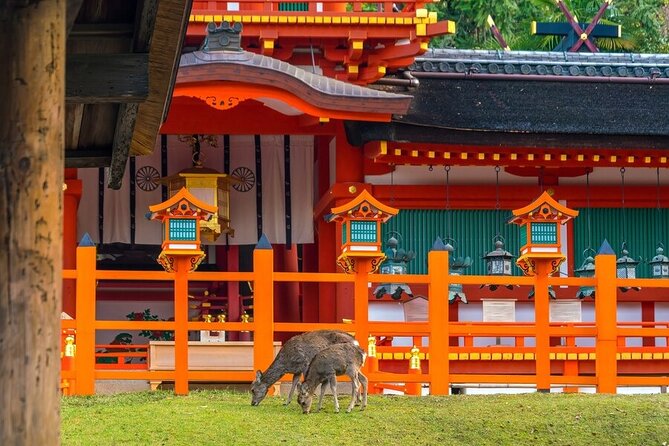
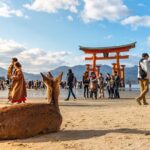
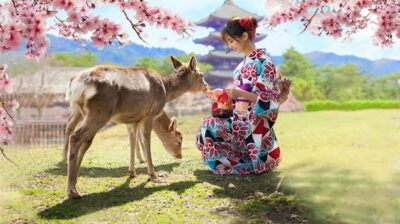
At 10:30, you land in Nara Deer Park. The charm is simple and direct: the deer are part of the experience, roaming freely through the park. Deer-feeding style behavior is not described in the tour info, so treat the park as a walk-through encounter, not a guarantee of contact. Either way, the park is a great decompression zone after two temple-heavy days.
At 11:30 you go to Kofuku-ji Temple and its Five-Storied Pagoda. This is another UNESCO site, and the focus is on the temple complex and the iconic pagoda silhouette. If you like dramatic architecture, this stop helps Nara feel like more than just a deer park with temples sprinkled around it.
By 12:30 the plan includes Todaiji Temple and Kasuga Shrine. Todaiji’s big draw is the Great Buddha Hall, which houses one of the world’s largest bronze Buddha statues. Kasuga Shrine follows, and the standout detail is the lantern setting: bronze and stone lanterns along the paths, with the shrine grounds described as forested. That lantern-and-forest combination is one of the reasons Kasuga is so distinct from other shrines you might see in Kyoto.
At 13:30 you get your lunch break, then at 14:00 you head back to Kyoto, with a tour finish around 15:00.
This day is longer-distance travel plus stops, but the pacing feels less frantic than Day 1 because you start with a park rather than a high-demand temple run.
Price and what you truly get for $1,480 per group
The headline price is $1,480 per group, up to 10 people, for 3 full days. On average, it is booked about 63 days in advance, which tells me demand is real for this specific mix of sights.
Here is how I think about the value. You are paying for a private guide plus tour management, and you also get pick-up in Kyoto city and arrangement of a car and driver. That part matters because Kyoto to Arashiyama to Nara involves real travel time. If you have ever tried to do this loop with last-minute transit juggling, you know the cost is not just money, it is stress.
Now for what is not included, because budgeting honestly is how you avoid surprise. You should plan for:
- Entrance fees for the temples listed, priced at ¥8,250 per person
- Lunch each day
- Transportation costs if they are not included in your specific purchase
- Gratuities (appreciated, never expected)
So the pricing logic is: you pay once for private guidance and time-saving movement planning, then you pay locally for entry tickets and meals. For a group, the private guide cost can be very efficient. For two people, it can still be worth it if you really want the customized format and you value not worrying about trains and bus transfers every few hours.
What you gain with a private guide you can actually customize
This tour is private by design, meaning only your group participates. That changes everything about how you experience the day.
First, your guide can help you choose what to linger on. You are visiting very specific “big” places, and within each place there are multiple ways to spend time, quiet looking versus faster sightseeing versus shopping stops. When your guide is adjusting based on your preferences, the same itinerary can feel totally different.
Second, you get practical pacing. In guest feedback, guides such as Kingo and Ahmed are praised as pleasant, professional, and well prepared. Another theme is organization, meaning the day runs in a way that feels smooth rather than chaotic. That fits the reality of Kyoto: timing matters because you want to see places without feeling like you are constantly sprinting.
Third, the car and driver arrangement helps keep the day usable. Even if you are not trying to avoid walking, it is nice to know that travel segments do not eat the mental bandwidth.
My advice: decide early what kind of Kyoto you want. If your group loves temples and gardens, keep the core list. If your group prefers more shopping and street wandering, use the customization option to rebalance time around Nishiki Market and the evening Gion area.
Small planning tips that make this feel like a win
I would treat this as a high-effort, high-reward trip. It is not a “pick one temple and linger for hours” kind of plan, but it is also not a rushed checklist if you respect the day structure.
Wear comfortable shoes. You are visiting multiple temple sites plus market walks plus Arashiyama stroll areas, plus Nara’s park.
Plan your lunch strategy. Lunch is not included, so decide what you want: sit-down meals, market snacks, or a mix. Nishiki Market is a great place to handle at least part of a meal break because it is admission-free and walkable.
Budget for entrance tickets in yen. The listed temple entrance total is ¥8,250 per person for the temples in the day plan. If you are paying for a group, sort out who collects and pays early so it does not become a last-minute awkward moment.
If you care about photos, bring patience for the gates and garden viewing zones. Fushimi Inari’s torii paths and Kiyomizu-dera’s viewpoints are the kind of places where you will want time to step back and look, not just pass through.
Who should book this private package, and who might skip it
This package is a strong match if you:
- Want to see Kyoto, Arashiyama, and Nara in one trip without doing transit research every day
- Prefer a private guide who can customize the balance of sights, breaks, and pacing
- Enjoy iconic temples, Zen gardens, shrine lantern settings, and classic districts like Gion
You might consider a different format if you:
- Hate structured days with fixed stop sequences
- Want all meals and entry fees fully included in one price
- Are traveling with very limited mobility, since the schedule includes multiple walking areas and stairs that are not described in detail but are typical for these kinds of sites
Should you book it?
I would book this if your goal is “classic Kyoto plus Arashiyama and Nara” and you want a guide to manage the flow. The private format and car-and-driver arrangement are the big value drivers, and the itinerary choices feel intentionally balanced: Zen rocks next to golden pavilion, bamboo next to river, and deer park next to major temple halls.
Before you commit, do two things. First, confirm whether the transportation cost is included for your exact purchase, since the info says transportation can be an extra cost if not included. Second, budget entrance fees and lunch upfront so your money math is smooth.
If you want Kyoto to feel organized and personal instead of stressful and improvised, this is a solid way to do it.
FAQ
What is the price for this 3-day private tour?
The price is $1,480 per group, for up to 10 people.
How long is the tour?
It runs for 3 full days, with total time listed as about 20 hours to 1 day (approx.) in the tour details.
Where does the tour start and end?
The tour starts and ends in Gion, Higashiyama Ward, Kyoto, Japan.
Who meets you at the start?
You meet your guide at 09:00 each day, with specific day start times shown in the schedule.
Is the tour private?
Yes. It is a private tour/activity, and only your group participates.
What is included in the price?
Included items are tour guiding and management, pick up in Kyoto city, and arrangement of a car and driver.
What is not included?
Entrance fees, lunch, and transportation are not included unless stated as included in your purchase. Gratuities are appreciated but never expected.
How much are temple entrance fees?
The entrance fee total listed is ¥8,250 per person for the temples mentioned in the itinerary.
Which sights are included across the 3 days?
You visit Nijo Castle, Kinkaku-ji, Ryoan-ji, Nishiki Market, Fushimi Inari-taisha, Arashiyama (including bamboo grove and related stops), Kiyomizu-dera, Gion area, and Nara (including Deer Park, Kofuku-ji, Todai-ji, and Kasuga Shrine).
What happens if weather is poor?
The experience requires good weather. If it is canceled due to poor weather, you are offered a different date or a full refund.
More Private Tours in Kyoto
More Tours in Kyoto
More Tour Reviews in Kyoto
Not for you? Here's more nearby things to do in Kyoto we have reviewed
Arashiyama & Bamboo Grove Tours, compared.
 ★ 4.8Fushimi Inari, Kinkakuji, Bamboo Grove 1 Day Bus TourFrom $1224,316 reviews
 ★ 4.1Osaka/Kyoto:Kinkakuji,Arashiyama,FushimiInariShrine,NaraParkFrom $661,596 reviews
 ★ 4.7Kyoto/Osaka: Nara, Fushimi Inari Taisha, Arashiyama Bus TourFrom $521,275 reviews
 ★ 5.0Kyoto Arashiyama Walking Tour: Bamboo, Monkeys, Gardens & SecretsFrom $651,216 reviews
 ★ 4.8Arashiyama Bamboo, Temple, Monkeys, or Secret Sake BreweryFrom $87886 reviews
 ★ 5.0Arashiyama Bamboo Forest, Monkeys, Matcha & Temple TourFrom $53759 reviews
 ★ 4.4Osaka/Kyoto: Arashiyama, Nara & Fushimi Inari Shrine w/LunchFrom $61754 reviews
 ★ 5.0Nijo, Kinkaku-ji, Arashiyama, Kiyomizu & Fushimi InariFrom $51699 reviews
Browse the lists this tour appears in