
Reviewed · GION & GEISHA DISTRICT TOURS
Treasures of Kyoto: Gion & historical Walking Tour
Gion looks different after sunset. I love Gion night streets lit by lantern glow, and this 3-hour walk is built to hit the sights you actually want without eating up your whole day. You get a guided route through the geisha district and the surrounding historical lanes, plus stories that help it make sense.
I also like how the guide explains maiko and geiko culture in a way that feels clear and useful. You are not just looking at pretty streets, you are getting ideas for other things to do in Kyoto from a real local perspective.
The tradeoff is that it is a walk, mostly at an evening pace, and food or drinks are not included. Also, seeing a geiko or maiko is possible but never guaranteed, since it is subject to availability.
Key points to know before you go
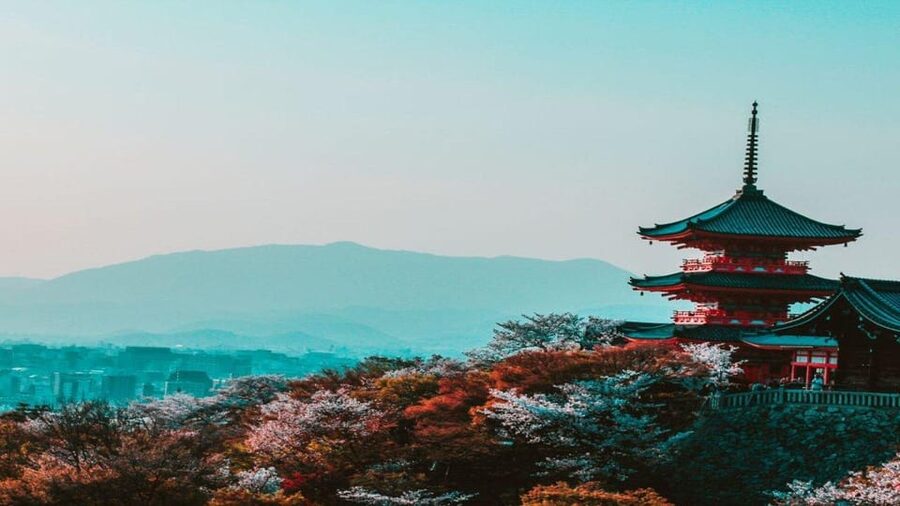
- Gion at night in 3 hours, focused on the main corners plus side streets
- Private or small group format, so the guide can answer your questions
- Lantern-lit photo stops plus named highlights like Hanamikoji Street and Yasaka Shrine
- Real culture context around maiko and geiko, with a chance for a glimpse (subject to availability)
- English, French, Spanish, Italian speaking guides
- Walking plus public transport included (car transportation is not part of this tour)
Gion after dark, why a short guided route works

Gion can feel like a movie set after sunset, but only if you know where to look and what you are looking at. This tour keeps you moving through the district during the evening atmosphere, with lanterns and traditional streets setting the scene. In just three hours, you get a focused picture of Kyoto’s geisha district instead of a scattered walk that leaves you tired and unsure.
What makes this route especially practical is that it is not only about the postcard spots. You also get stops that help you understand how the neighborhood works, where the flow of people goes, and why certain streets feel more preserved than others. That means you come away with context, not just photos.
And you will get the kind of guidance that matters on a time crunch. The highlights explicitly call out the guide’s advice for other things to do, and the reviews back that up with praise for guides who share helpful follow-up ideas.
You can also read our reviews of more walking tours in Kyoto
Price and what $44 buys you in Kyoto time
At $44 per person for a 3-hour private or small group tour, the value is mostly about time and guidance. You are paying to compress the key areas of Gion into one evening and to have someone explain what you are seeing, as you see it.
This is not a “sit down and listen” experience. It is walking with photo stops and named sights, plus support around public transport as part of the included experience (with the note that it depends on the option you choose). If your Kyoto schedule is tight, paying for structure is often cheaper than wasting an evening trying to stitch together your own route.
One more point that helps the math: food and drink are not included. That is normal for a walking tour, but it changes how you should plan your evening. If you want dinner afterward, think about this tour as the cultural warm-up before you eat.
Starting at 213 Nakanochō, and how the pace feels
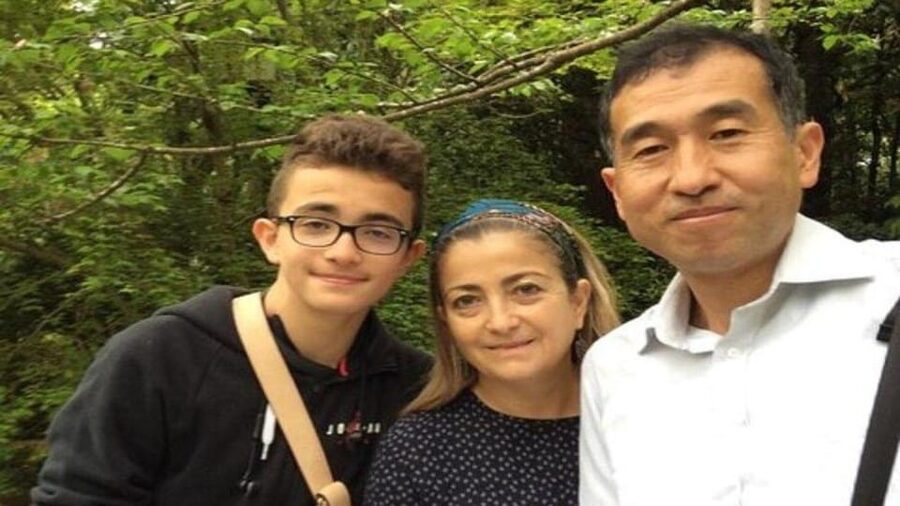
You meet at 213 Nakanochō in Higashiyama Ward, Kyoto. That area is part of the city’s older neighborhood fabric, so you start the experience close to where the atmosphere matters. From the beginning, the guide is setting up what you will notice as you walk.
The itinerary is clearly paced around short blocks, with photo stop and guided sightseeing at each location. That matters because Gion evenings can get crowded, and a guided flow helps you avoid wandering in circles. You get enough time at each stop to take photos, listen to the explanation, and then move on before you lose momentum.
For most people, the rhythm works well: walk, pause, learn, photo, then the next street. If you are the type who hates being rushed, choose the private group option if it is available for your dates, since it gives you more room to ask questions without the group pressure.
The full walk: from Pontocho Park to Kyoto Minami-za
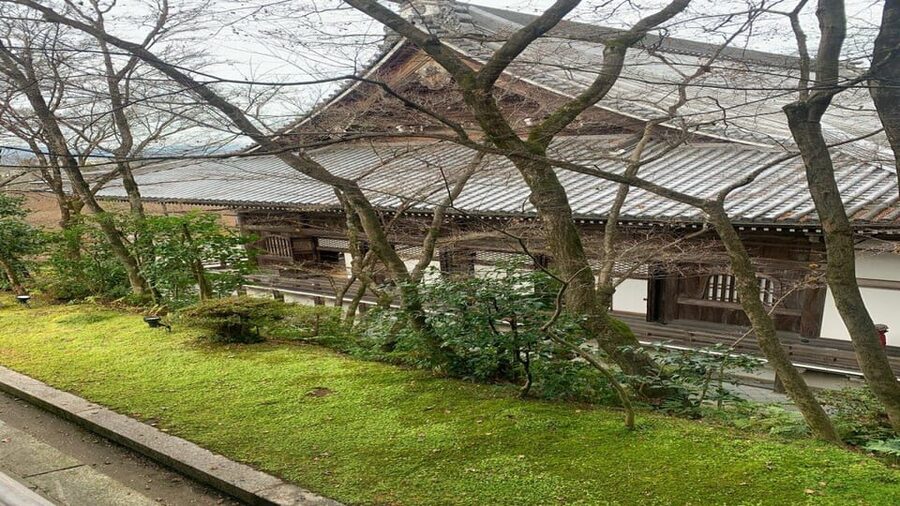
This is the heart of the experience, and each stop plays a specific role in building a clear Gion picture. The route moves from notable riverside-park energy and backstreet paths into landmark streets and shrines, then finishes in the area associated with traditional performance culture.
Pontocho Park (photo stop, 20 minutes)
This is your early “get oriented fast” stop. You take photos and begin learning how the evening scene works. It is a good place to calibrate, because once you walk further into Gion, you will keep noticing details that your guide highlights.
Nene-no-michi (photo stop, 20 minutes)
This is one of the smaller lanes that helps you see Gion beyond the most obvious main streets. A stop here is all about discovery, with the guide pointing out what makes the lane feel different from a bigger road. It is also a great spot if you like quiet corners where you can slow down for a moment.
Statue of Izumo-no-Okuni (photo stop, 20 minutes)
This is a history-focused waypoint. Even without going into long museum-style explanations, a named statue stop is useful because it gives you a specific reference point for the stories your guide tells. It also breaks the tour up visually, so you do not feel stuck only in street scenes.
Chion-in (photo stop, 20 minutes)
This stop is part of the tour’s temple and shrine element. The guide’s job here is to connect the site to Gion’s customs and the broader Kyoto atmosphere, so you understand why certain places matter to locals. Since the tour is short, you will not linger for hours, but the time is enough to get the meaning and snap a few photos.
Maruyama Park (photo stop, 20 minutes)
This is where the route starts to feel open and airy compared to the tighter backstreets. Even if you are mainly focused on the geisha district, park-side stops give you breathing space and a better sense of the neighborhood layout. Think of it as resetting your eyes before the more famous streets.
Hanamikoji Street (photo stop, 20 minutes)
This is the big named street, celebrated for its well-preserved historic charm. In practice, this is where the tour becomes most “Kyoto in one sentence.” You walk and stop for photos while your guide explains what people traditionally watch for and how the street’s character developed. If you only knew one street name before coming, this is the one that pays off.
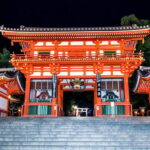
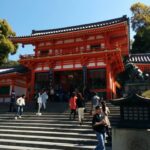
Yasaka Shrine, also known as Gion Shrine (photo stop, 20 minutes)
Yasaka Shrine is a key Gion landmark, and the tour uses it as an anchor point. Your guide connects the site to the district and helps you understand why it is tied to the Gion area identity. It is also a natural moment to pause, because shrines tend to create a different pace than shopping streets.
Shijo-dori (photo stop, 20 minutes)
This stop helps you connect Gion to the broader Kyoto street grid. It also gives you a contrast view: you have been in traditional lanes, then you cross into a more main-street feel. The guide’s narrative at this stage tends to help you see how the district fits into daily city life.
Kyōto Minami-za (photo stop, 20 minutes)
This is a fitting final stop because it points toward Kyoto’s performance traditions. The tour ends with another recognizable name, so you have a clear “I was here” moment at the end of your evening walk. It is also a good place to ask your guide about what performances or shows might make sense on your remaining days, since the tour is built around getting extra advice.
Maiko and geiko chances, and how to handle the moment
The tour description is clear that you might catch a glimpse of a geiko or maiko as they head out to entertain guests, and it notes that it is subject to availability. That means you should enjoy the possibility without building your entire evening around a guaranteed sighting.
The practical best move is to stay ready with your eyes, not just your phone. When the guide mentions something you should watch for, it is usually a cue to slow down, look calmly, and respect personal space. If you do spot someone, keep it low-key and follow the guide’s direction for where to stand.
One reason this part of the tour lands is that guides can explain the roles and traditions in a way that makes the sight more meaningful. The reviews include strong praise for guides who make the maiko and geiko world understandable, with examples like Raphaël’s clear explanations and Jérôme’s ability to point out what to look for while keeping the tone friendly.
You can also read our reviews of more historical tours in Kyoto


Why the guide’s advice is the real value
A guided walking tour only has so much “content.” The best ones do something else too, they help you plan the rest of your trip. This experience explicitly calls out valuable advice about other things to do, and the feedback ties it to real usefulness, including good tips and additional visit ideas.
What I like about that is how it changes your second half of the day. After an orientation-style evening, you are more confident choosing which temple, neighborhood, or market fits your interests. You also avoid the common trap of spending the rest of your Kyoto days trying to figure out logistics without local context.
If you want a simple example of how guides shape the experience, think about the difference between seeing lanterns and understanding why people associate certain streets, shrines, and performances with Gion. When a guide can connect those dots, your photos start to feel like memories with meaning.
Who should book this Gion walking tour

This is a strong match if you want:
- A compact introduction to Gion, especially if you are short on time
- A route built around named highlights, with additional discovery along the way
- A guide-led evening that includes context, not just sightseeing photos
- A private group option if you want more flexibility and easier questions
It is also a good choice if you like going beyond the obvious tourist frame. The tour includes well-known streets like Hanamikoji, plus other stops that feel more exploratory, such as Nene-no-michi and the statue waypoint.
If you are the type who loves long temple-hopping stops with lots of quiet time, you might find three hours a little tight. Also, because drinks and food are not included, plan to eat before or after so your evening stays comfortable.
Should you book Treasures of Kyoto: Gion & historical Walking Tour?
Yes, if your goal is an evening that helps you understand Gion, not just see it. At $44 for a three-hour guided walk, you are buying time, organization, and cultural context, and you are also getting extra ideas for the rest of Kyoto from a guide who can explain things clearly. The private or small group format is a real plus if you want conversation and questions.
Skip it if you want food included, you dislike walking at night, or you expect guaranteed geiko or maiko sightings. This tour can put you in the right places at the right time, but the district has its own rhythm, and the guide treats that with honesty.
If your schedule is tight and you want a well-structured Gion introduction, this is one of the smarter ways to spend an evening in Kyoto.
FAQ
How long is the Treasures of Kyoto: Gion & historical Walking Tour?
It lasts 3 hours.
Where is the meeting point?
The meeting point is 213 Nakanochō, Higashiyama Ward, Kyoto, 605-0075, Japan.
Is this tour private or small group?
It offers private or small group touring, and private group options are available.
What languages are the live tour guides?
English, French, Spanish, and Italian.
What is included in the tour price?
The tour includes the walking tour and public transport (except if you select one of the options).
What is not included?
Drink or food are not included, and local transportation around the city is not included beyond what the tour provides (it’s a walking tour, car transportation is not included).
Can I cancel for a refund, and is pay later available?
Yes. You can cancel up to 24 hours in advance for a full refund, and you can reserve now and pay later.
More Walking Tours in Kyoto

More Tours in Kyoto

More Tour Reviews in Kyoto
Not for you? Here's more nearby things to do in Kyoto we have reviewed




Gion & Geisha District Tours, compared.
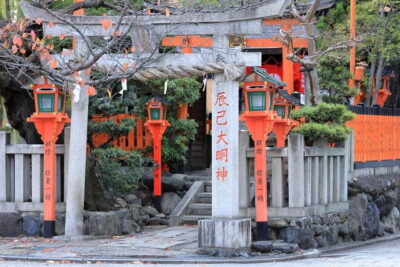 ★ 4.7Kyoto Geisha Walking Tour: Gion District & Hidden GemsFrom $253,273 reviews
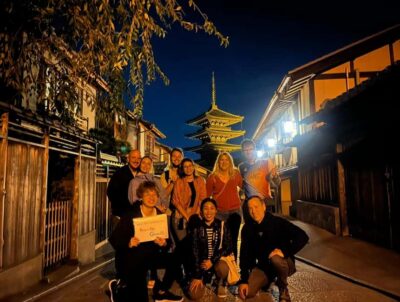 ★ 4.9Gion Magical Night Walking Tour with Geisha TriviaFrom $242,393 reviews
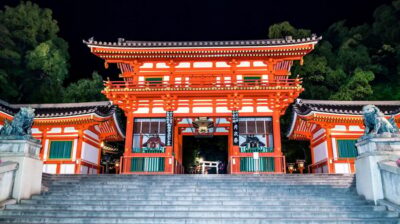 ★ 4.7Gion Geisha District Walking Tour – Stories of GeishaFrom $202,187 reviews
 ★ 4.9Best of Kyoto: Gion, Geisha, Pagodas & CobblestonesFrom $242,058 reviews
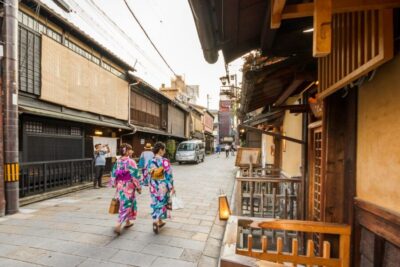 ★ 4.5Night Walk in Gion: Kyoto’s Geisha DistrictFrom $212,003 reviews
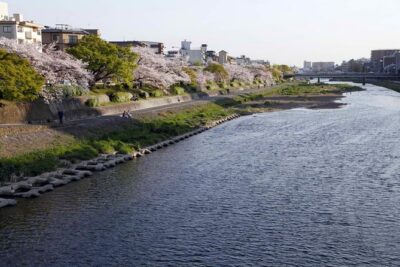 ★ 5.0Kyoto Night Foodie Tour in Gion (9+ dishes + 6 Sake tastings)From $1631,762 reviews
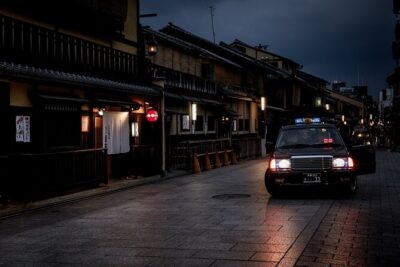 ★ 5.0Kyoto Gion Geisha District Walking Tour – The Stories of GeishaFrom $251,441 reviews
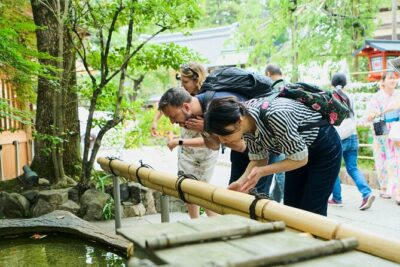 ★ 5.0Kyoto Gion: 2-Hour Geisha Culture & History Walking TourFrom $231,186 reviews
Browse the lists this tour appears in