
Reviewed · WALKING TOURS
Kyoto: Private 2.5 Hour Historical Walking Tour
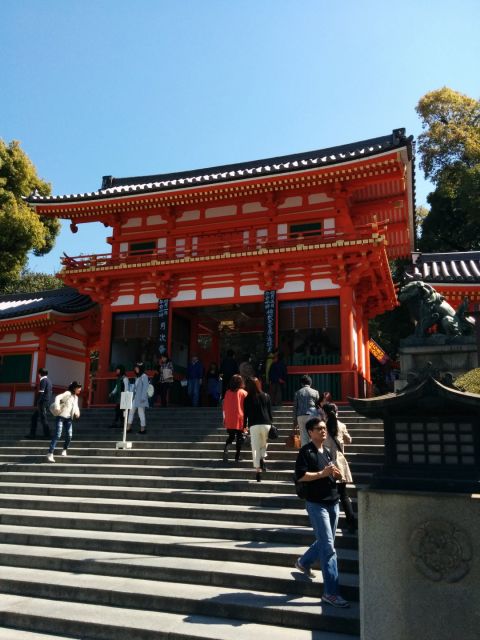
Kyoto makes sense on foot. This private historical walk starts at Yasaka Shrine’s red gate, then threads you through the places that explain how Kyoto thinks, worships, and builds. I like that the guide sets the tone right away, often with hand-drawn maps and practical talk, whether you meet Hisako or another English-speaking guide.
Two things I really like: you get a guided introduction to how shrine worship works at Yasaka Shrine, and then you slow down at a Zen temple where you can actually take in the calm, dry-stone garden feel at Entoku-in. One consideration, though, is that temple admission fees are not included, and the route includes stone steps and a fair amount of walking, so comfortable shoes are non-negotiable.
Key highlights you should not miss
- Yasaka Shrine’s west red gate start, with a map-led history rundown before you move
- Entoku-in Zen temple, where sliding-door art and a quiet dry-stone garden change the pace
- Maruyama Park and Nene-no-michi, a street loaded with Toyotomi Hideyoshi-era connections
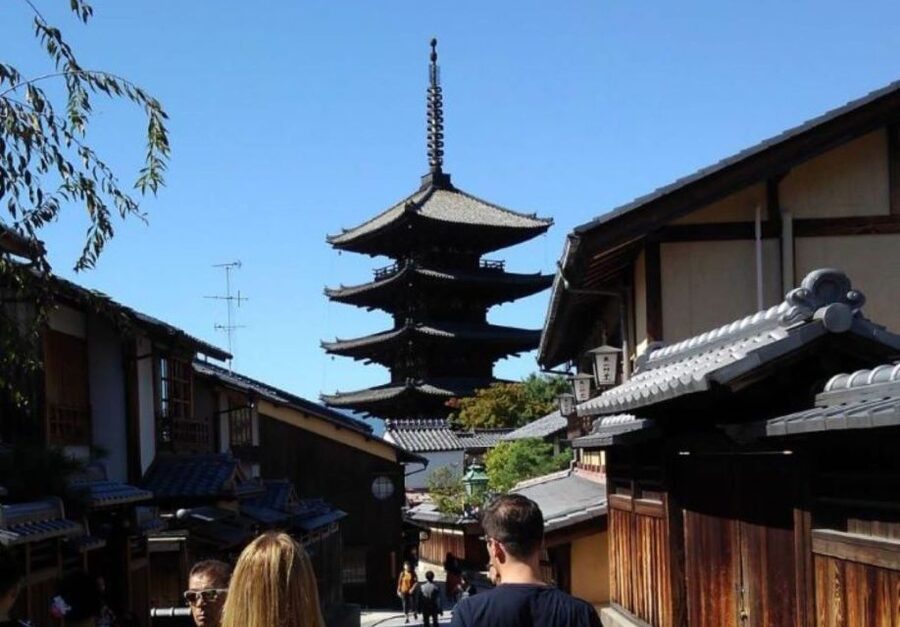
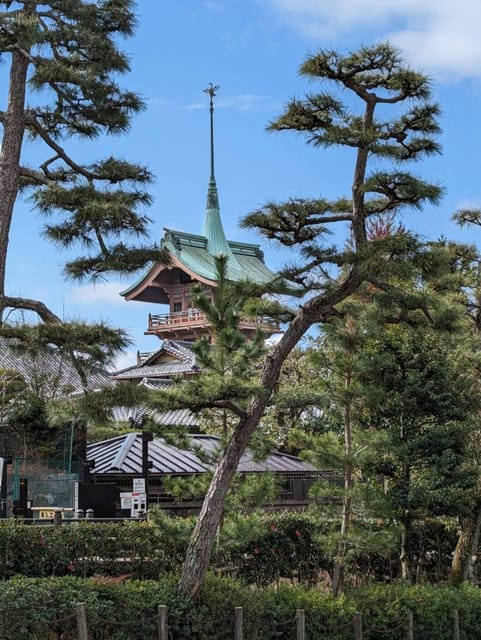
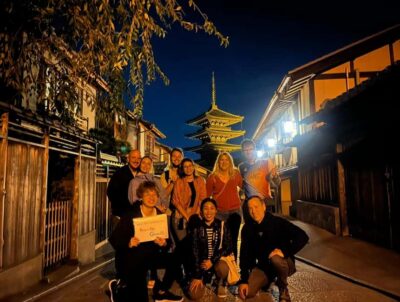
- A five-storied pagoda sightline, viewed from outside near Koshindo with a good photo setup
- Kiyomizu-dera from multiple angles, including the nail-less wooden stage and the Pure Water flow
- Jishu Shrine matchmaking context, explained before you head off on your own
From the red gate to a clear Kyoto map
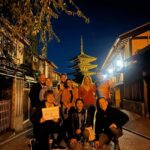
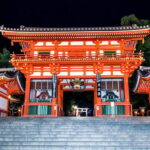
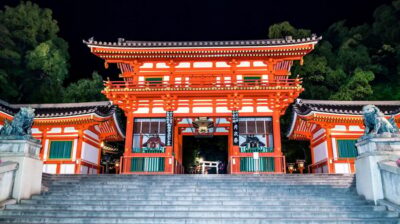
Your day kicks off at the west gate, the red gate, of Yasaka Shrine. Before you even wander, your guide gets you oriented with a map of Kyoto and a starter history lesson so the rest of the walk clicks into place. If you arrive on the early side, you will feel less rushed when people start moving through Gion area streets.
This is also one of those walks where the guide is not just talking at you while you scroll on your phone. Many guides come prepared with a folder of materials, including their own illustrations and notes, so you can follow what you are seeing instead of guessing. Guides I’ve seen associated with this experience include Hisako, Hiroshita, Takayuki Ishii, Hiroko, and Hidakosan, and the common thread is careful pacing.
A practical note for your timing: the experience is listed as 2 hours, but the experience can feel longer in a good way because you are not sprinting. You are stopping often enough to read details, look around, and ask questions, which is exactly why a private format works.
You can also read our reviews of more walking tours in Kyoto
Yasaka Shrine: the worship lesson you will actually use
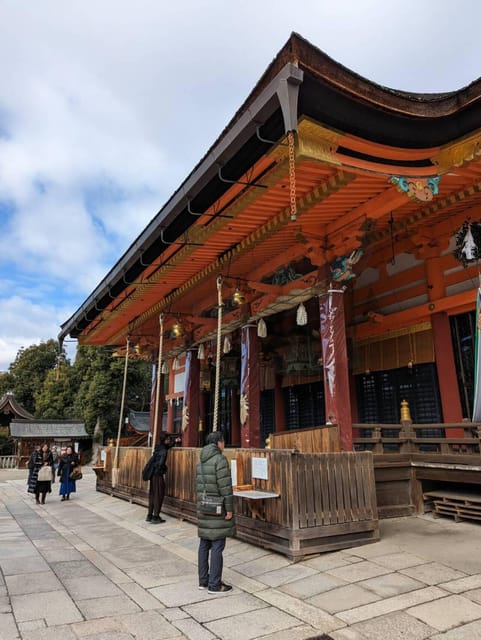
Yasaka Shrine is not just a famous landmark. It is where you learn how to approach a shrine in the first place. Your guide explains the shrine’s background and then covers how worship is done here, so you understand what you are seeing instead of treating everything as a photo prop.
Even if you have been to shrines in Japan before, I find that a short orientation lesson changes everything. Suddenly the gestures and spaces make more sense, and you stop feeling like you are doing it wrong.
The setting helps too. From the shrine area you start absorbing the layout and symbolism of Kyoto, including how a sacred space fits right into city life. That theme continues as you head toward Maruyama Park, where the scenery shifts from formal grounds to everyday lanes.
Maruyama Park and Nene-no-michi: history hiding in plain sight
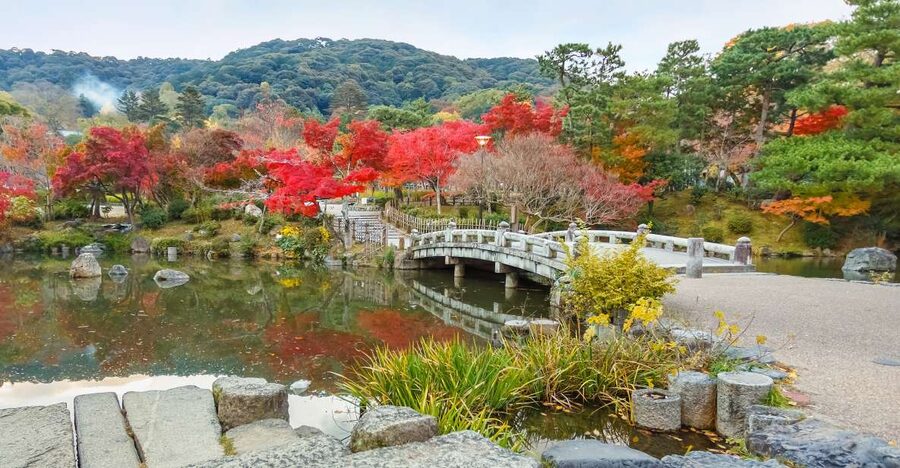
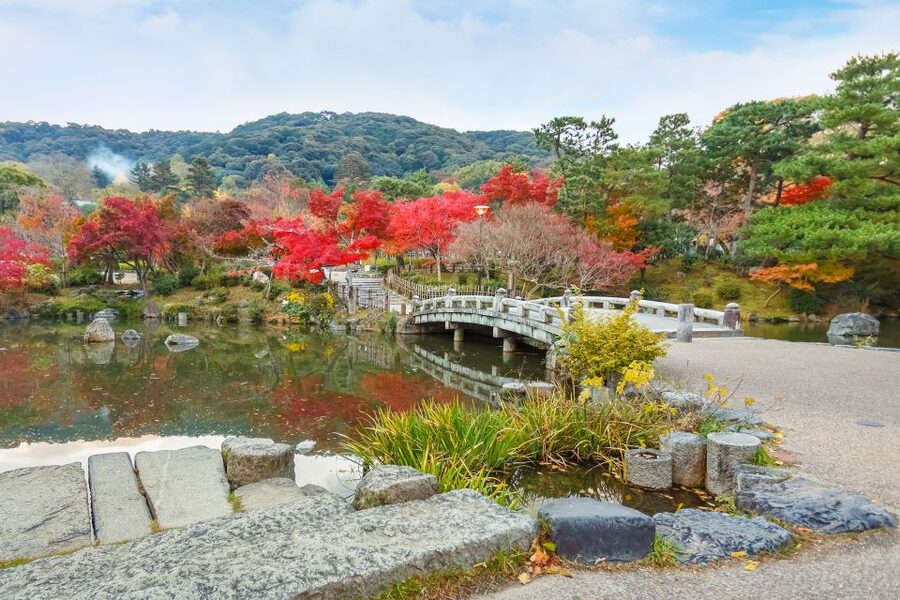
Walk through Maruyama Park, and you quickly hit the lively stretch called Nene-no-michi. It is the kind of street where you may think, I am just passing through. Your guide makes sure you do not. Nene is the wife of Toyotomi Hideyoshi, a major political figure of the late 1500s, and the story is woven into what you see along the way.
This is where the tour’s value shows. Instead of listing names and dates, your guide connects them to geography. When you know why a street got its name or why a temple is linked to a person, you look longer and notice more.
You also pass toward Entoku-in, which is associated with Nene. That connection turns your next stop into a living story, not a random temple on your map.
Entoku-in Zen temple: calm, dry gardens, and art on sliding doors
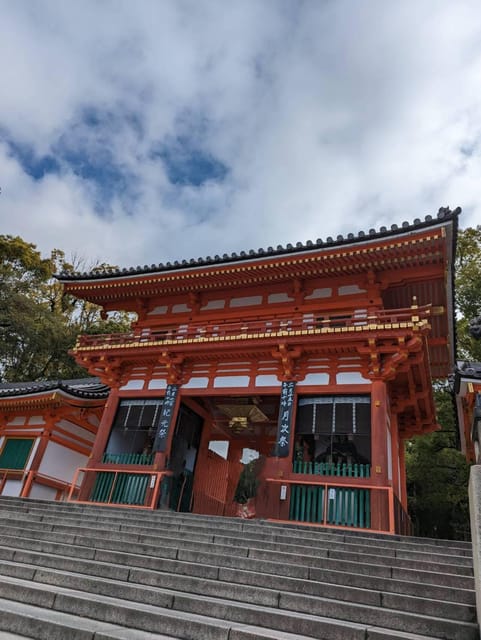
Entoku-in is the reset button on this walk. You spend about 40 minutes here, and that time matters. This is not a quick photo stop. It is a chance to settle into a Zen temple atmosphere and actually notice how the rooms and garden are designed for quiet viewing.
The Zen feature you are going for is the dry-stone garden style. You will see the garden as part of the temple experience, and the guide helps you look the right way, not just glance and move on. Many people love this stop most because it breaks the usual Kyoto rhythm of crowd, line, souvenir, repeat.
You will also see traditional Japanese rooms and sliding doors with pictured scenes. Those details are easy to miss if you are rushing, but once you understand what you are looking at, they become a whole layer of storytelling. If your guide includes extra hands-on elements, you might see add-ons like calligraphy-related time as part of the Zen visit, but the core value is the atmosphere plus context.
In a city full of big-ticket temples, this one feels personal because it gives you quiet space and time to think.
Yasaka Kōshin-dō temple and the five-storied pagoda view
After Entoku-in, you move on foot toward Yasaka Kōshin-dō Temple. The visit here is shorter, around 15 minutes, but the payoff is what you do with your eyes afterward.
Near the Koshindo area, you are looking for the five-storied pagoda commonly called Yasaka-no-to. You see it from outside, and that matters because you are not trapped behind rules or crowds inside a single viewpoint. There is also a famous photo spot nearby on the street, so you get a moment to frame the pagoda the way photographers do.
This part of the walk is a reminder that Kyoto is about sightlines. The guide’s job is to help you position yourself so the city’s architecture reads clearly. If you like taking photos, you will appreciate that you are guided to the right area rather than guessing where the best view is.
You can also read our reviews of more private tours in Kyoto




Kiyomizu-dera: Kannon, the nail-less stage, and Pure Water
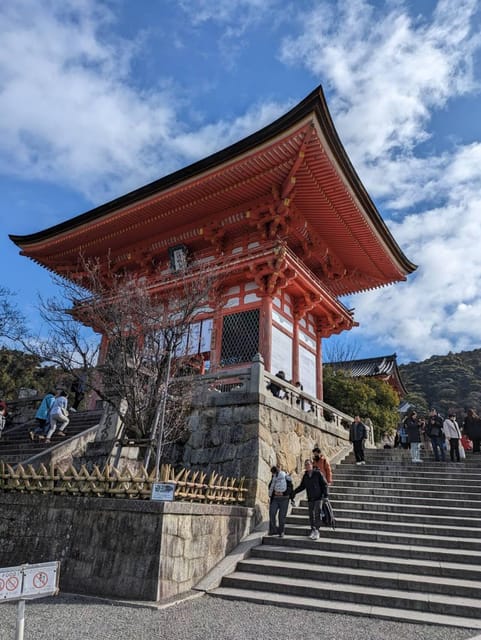
Then comes the big one: Kiyomizu-dera. You get about 35 minutes here, and that is enough time to enjoy the main worship area, understand the symbols, and still look out from the wooden structures.
First, you learn what the temple is centered on. The main object of worship is Kannon Bodhisattva, and you will see Buddhist statues connected to that devotion. Kiyomizu-dera is also tied to a dramatic physical feature, the wooden stage attached to the main hall.
What makes the stage special is practical craftsmanship. The wooden structure is described as using no nails. The guide points out why that matters, and when you stand there, you understand why people talk about this temple from the standpoint of views, not just buildings.
From the stage, the scenery opens up, including a view of a three-storied pagoda called Koyasu Pagoda. It is described as being prayed to for easy birth, and women visit specifically with that intention. Even if you do not plan to participate in that kind of prayer, you will feel how the temple’s design supports real human routines and beliefs.
Kiyomizu literally means pure water, and the temple lives up to its name. There is a stream of water running down from the mountain behind, and it has never been dried up. Expect the area around the water to have a line because many visitors come specifically to drink.
Two additional details can make this feel more like a temple and less like a sightseeing checklist: the guide will point out iron donation objects in the precincts, including an iron stick and iron clogs. The stick is very heavy, and it is there to try lifting, which turns the worship space into something more interactive than you might expect.
If you take one thing away from Kiyomizu-dera, make it this: the temple works on multiple layers at once. You have devotion, views, craftsmanship, and everyday rituals all happening in one concentrated stop.
Ending near Kiyomizu, with Jishu Shrine context
After you leave the main hall area, the tour ends. Before that happens, your guide adds one more connection point: Jishu Shrine, known as a shrine for match making.
Even though this is not the final stop you walk into on the tour, the explanation helps you connect why Jishu Shrine is famous and how it fits into Kyoto’s spiritual map. It also helps if you plan to keep exploring after the tour, because you will recognize the theme when you see the signs and spaces around town.
This is a good ending strategy. You are not hustled away right at the peak moment. You get the big temple, then one final piece of context so your next walk through Gion and Higashiyama areas feels less like wandering.
Price, time, and where value comes from
The price is listed as $80 per group up to 5 people, with the guide included. That can sound simple, but the value comes from how a private, short-format walk changes your experience.
For a group of 5, that breaks down to $16 per person, and you are not waiting on a bus schedule or sharing a headset with someone who wants only photos. You also get time to ask questions, pause for views, and adjust your pace. That matters in Kyoto, where the difference between enjoying a temple and rushing through it often comes down to minutes.
The experience is described as 2 hours, but plan for a bit more breathing room in real life, especially around Kiyomizu-dera. You will be moving between sites, then slowing down at Entoku-in and again at Kiyomizu. If you want the maximum payoff from your time, go in with comfortable shoes and a slightly curious mindset rather than a strict checklist mentality.
Also note: temple admission fees are not included. That means your total day cost will depend on which areas require tickets during your visit. The guide can still help you understand what you are looking at, but you should budget extra cash for entry.
What to wear and how to walk smarter
This tour is mostly on foot, with multiple short walks between stops and stone steps at the start. Bring comfortable shoes because your day includes stairs and uneven walking surfaces around shrine and temple areas.
If you are sensitive to weather, think of this as a morning or early afternoon style plan. You start at Yasaka Shrine, pass through Maruyama Park, and reach Kiyomizu-dera, which means you can end your day with your legs pleasantly tired instead of destroyed.
One more small tip: treat each stop like a chapter. Entoku-in is for quiet looking. Kiyomizu-dera is for viewpoint and devotion. The pagoda sightline is for composition. If you keep that rhythm, you will remember more, and your photos will look better too.
Who this tour suits best
This is a great fit if you want Kyoto that feels connected, not just stacked temples. You will like it if you care about how belief shows up in daily space, shrine behavior, and architecture.
It is also a strong choice for first-time visitors to Kyoto who feel overwhelmed by the sheer volume of temples. The route gives you a focused slice: shrine worship at Yasaka, Zen calm at Entoku-in, a pagoda sightline near Koshindo, and Kiyomizu-dera’s stage views plus Pure Water rituals.
If you want a tour that is more than a photo loop, this private format helps. Many guides on this walk use their own hand-drawn materials and will answer questions about culture and religion in plain language, which is exactly what you want when Japanese terms feel slippery.
Should you book this private walk?
Yes, if you want a guided walk that connects names to places and gives you time to actually understand what you are seeing. The standouts for me are the shrine worship orientation at Yasaka Shrine and the Zen pause at Entoku-in, then the payoff at Kiyomizu-dera where you get both devotion and big viewpoints.
Book it especially if you are the kind of person who likes asking why something is here, not just snapping a picture and moving on. Just budget for temple admission fees, and wear shoes built for steps and uneven ground.
FAQ
Where is the meeting point?
You meet at the west gate (red gate) of Yasaka Shrine.
How long is the tour?
The tour duration is listed as 2 hours.
How much does it cost and what group size is included?
It is $80 per group up to 5 people.
Is the tour private?
Yes, it is a private group tour.
Is there an admission fee included?
No, admission fees to the temples are not included.
What language is the guide?
The live tour guide is in English.
What should I bring?
Wear comfortable shoes for walking and stone steps.
Can I cancel and get a full refund?
Yes. Free cancellation is available up to 24 hours in advance for a full refund.
Where do I get off if I’m taking public transit?
If you use a train service, get off at Gion Shijo Station on the Keihan Line or Kawaramachi Station on the Hankyu Line. If you use a bus, get off at the bus stop named Gion.
More Walking Tours in Kyoto


More Tours in Kyoto

More Tour Reviews in Kyoto
Not for you? Here's more nearby things to do in Kyoto we have reviewed

Walking Tours, compared.
 ★ 4.7Kyoto Geisha Walking Tour: Gion District & Hidden GemsFrom $253,273 reviews
 ★ 4.9Gion Magical Night Walking Tour with Geisha TriviaFrom $242,393 reviews
 ★ 4.7Gion Geisha District Walking Tour – Stories of GeishaFrom $202,187 reviews
 ★ 4.5Night Walk in Gion: Kyoto’s Geisha DistrictFrom $212,003 reviews
 ★ 5.0Kyoto Gion Geisha District Walking Tour – The Stories of GeishaFrom $251,441 reviews
 ★ 5.0Nishiki Market Brunch Walking Tour (7 Tastings + Brunch)From $681,355 reviews
 ★ 5.0Kyoto Arashiyama Walking Tour: Bamboo, Monkeys, Gardens & SecretsFrom $651,216 reviews
 ★ 5.0Kyoto Gion: 2-Hour Geisha Culture & History Walking TourFrom $231,186 reviews
Browse the lists this tour appears in