
Reviewed · WALKING TOURS
Village to village walk: Japan’s oldest road, Yamanobe ancient trail (Private)
You’re walking like you belong here, not just visiting. This private Yamanobe Trail walk pairs Nara’s traditional town start in Naramachi with countryside steps on Japan’s oldest road, and you get real conversation support from an English-speaking guide. I like how the day balances easy pacing with meaningful stops, and I also like the local food tastings that make the scenery feel practical, not just scenic.
The main thing to consider is planning for your own train rides and lunch, since those costs are not included. Also, this kind of walking day depends on good weather.
What you really get from a private Yamanobe walk
This is the kind of tour where you can ask questions and actually hear the answers. You’ll move at a relaxed pace, stop for photos without feeling rushed, and get your guide’s full attention because it’s private for just your group.
If you’re after authentic rural life near Nara, not a long checklist of temples, this route makes sense. You’ll spend most of your time on the walking path itself, with villages and local connections woven in through your guide.
A few smart expectations before you go
Bring comfortable shoes and expect a moderate walking day. The route is described as mostly flat and not tiring, but it still adds up to a full half-day experience around 8 hours.
And because it’s a village-to-village style day, you’ll want to stay flexible about what you’ll find at small shops and lunch spots. Your guide can help you make the best choices on the spot, especially around Naramachi.
You can also read our reviews of more walking tours in Nara

Key takeaways before you lace up
- Private guiding means you set the pace and get answers, not just directions
- Yamanobe-no-michi is the core experience, walking Japan’s oldest route
- Naramachi time includes old-school shop culture and street-level crafts
- Omiwa Shrine stop gives you a chance to eat locally, with Miwa somen as a standout
- Local farm tastings keep the day grounded in real life, not just sightseeing
Why the Yamanobe Trail matters in Nara
The big draw here is that you’re not just sightseeing inside Nara City. You’re walking the historic thread between places, which changes how you understand the region. The Yamanobe-no-michi route is described as Japan’s oldest walking path, and that matters because it turns the day into a “follow the road” experience instead of a “check the boxes” one.
This trail also sits in the broader satoyama world, the mix of villages, fields, and woodland that shaped how people lived for generations. Even without deep technical lectures, the route helps you see why Nara is more than its famous temples. It’s also farms, small shops, and shrines you’ll pass on an ordinary day.
The pacing helps, too. The day is designed as a relaxed walk, so you can look around and talk. If you like travel days where you notice small details, this kind of route is a good fit.
Price and value: what $98.10 really covers

At $98.10 per person for about 8 hours, you’re mainly paying for private, English-speaking guiding plus the structured stops and tastings. What’s included is the guidance and the tasting of local farm products, which is exactly where a local guide can save you time and help you avoid bland tourist choices.
What you should budget separately:
- Train transportation between Nara and Sakurai station, and return
- Lunch
- Any temple or entrance fees (if applicable at specific stops)
So the value depends on your style. If you’d normally pay for a guide anyway, this is a practical way to add cultural access and food tastings to a walking day. If you’re planning to DIY everything and you hate paying for guidance, it might feel pricier. But for a private, language-supported rural walk, it’s a fair setup.
Also, the tour offers mobile ticketing and group discounts, which can help if you’re traveling as a small group.
Starting in Naramachi: shops, crafts, and everyday culture
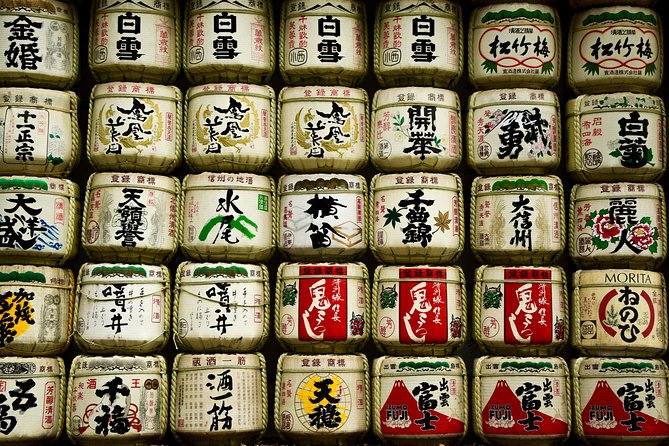
You begin at Kintsu-Nara Station at 9:00 am. That’s a good start time because it gets you into the old-capital atmosphere early, when you can walk without the day feeling already crowded.
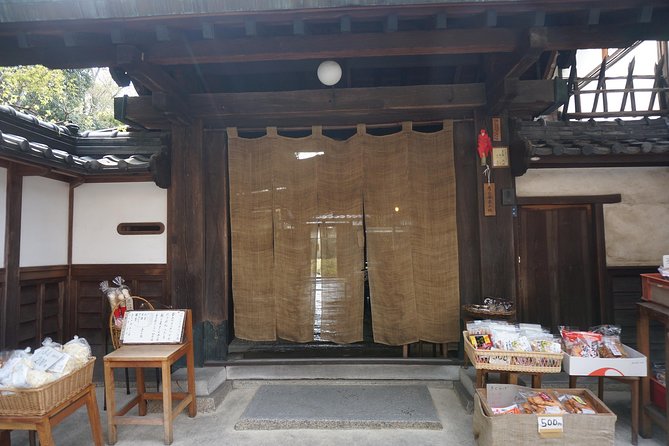
Your first stop is Naramachi, with about 2 hours there. This is where the tour opens the door to traditional Nara life at street level. You’ll have time around shops connected with things like:
- mochi pounding
- green tea and sweets stores
- linen cloth weaving
- knives
- traditional medicine
This isn’t just wandering. It’s guided wandering, which changes how you look at things. A guide can explain what you’re seeing, help you understand why certain crafts still matter, and point you toward simple food choices that make sense for later walking.
Practical note: Naramachi is a shop-and-snack zone. If you want a picnic later on the trail, this is the easiest part of the day to plan it.
You can also read our reviews of more private tours in Nara


Omiwa Shrine timing: lunch break with Miwa somen
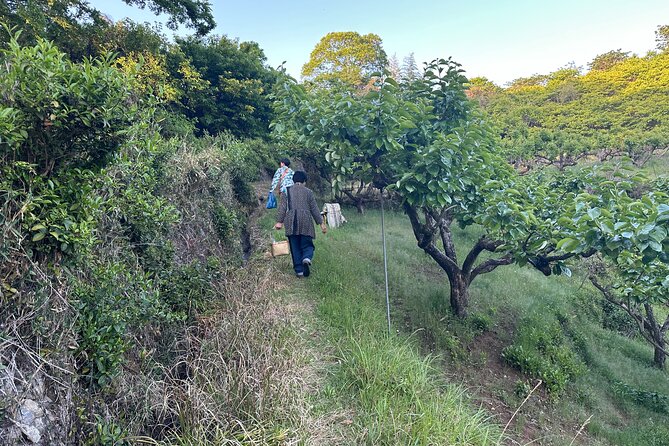
From Naramachi you head to Omiwa Shrine, with an hour set aside there. The plan includes lunch time at the shrine area, and Miwa somen is specifically recommended.
Why this stop works: shrines are often where daily food culture and local rhythms meet. Even if you’re not planning a big sightseeing detour, lunch here gives you a sense of place. You’re not just eating, you’re eating where the day’s story is happening.
One consideration is that lunch is not included in the tour price. That means you’ll want to use your time wisely:
- Decide what type of lunch you want
- Ask your guide for practical ordering help
- If you prefer a picnic, you can also plan ahead during the Naramachi window and carry it forward
Also, entrance fees for temples are not included, so keep an eye on any optional stops or ticketed areas during the day. Your guide will help you figure out what’s worth paying for.
Walking Japan’s oldest road: Yamanobe-no-michi in real life
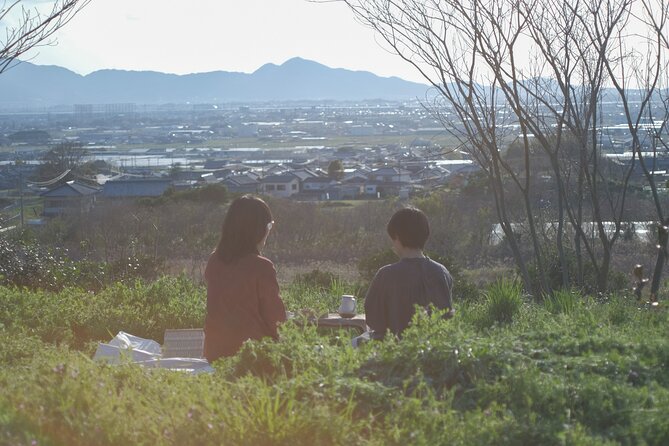
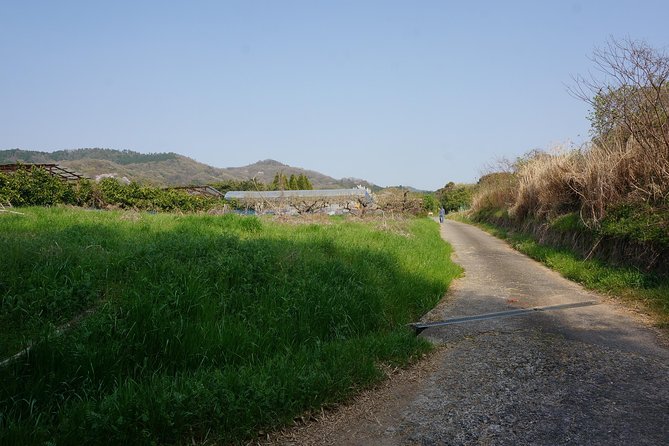
The heart of the day is the long stretch on Yamanobe Street or Yamanobe-no-michi, with about 4 hours for this segment. This is where you slow down and actually feel the route under your feet.
The oldest road angle is the headline, but what you’ll likely remember is how the trail makes you pay attention. You’re moving through countryside and village zones at a relaxed pace, so it’s easy to stop for photos without turning the day into a rushed sprint.
What makes this segment especially appealing on a private tour:
- You can pause whenever something catches your eye
- Your guide can translate what you’re seeing and connect it back to everyday life
- You do not have to match the speed or timing of other groups
Based on what guests describe, the walk is not overly strenuous, and it’s mostly flat. Still, it lasts several hours. Plan for steady walking time and take breaks when you feel you need them.
How the guide turns a route into an actual cultural exchange
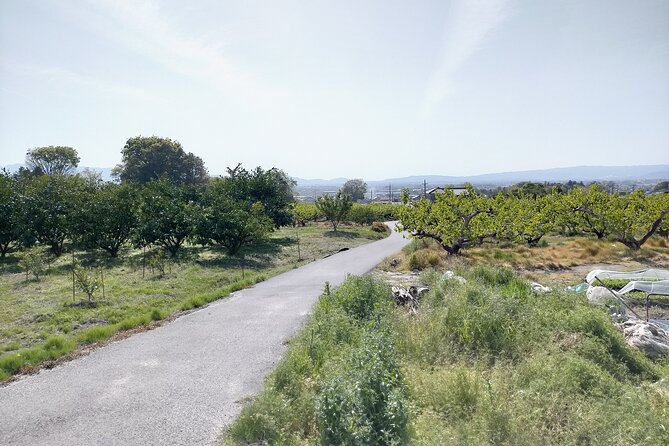
The tour is private, and that changes the whole tone. Instead of being one face in a crowd, you get undivided attention from your English-speaking guide. That’s what makes the “village-to-village” concept feel real, because you’re not just passing by houses. You’re able to interact through your guide’s help.
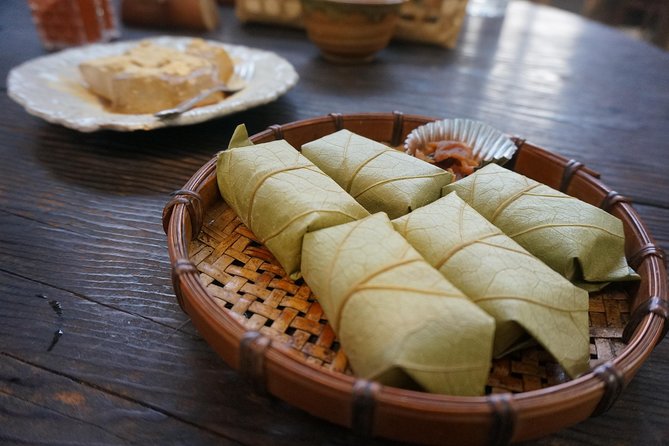
A key part of the day is tasting local farm products. This is not just a food stop tacked on at the end. It’s part of learning how people in the area think about ingredients and seasonal life.
In Naramachi, the guide’s role is also about connecting the dots. When you see mochi pounding, linen weaving, or small medicine shops, someone who can explain the context helps you understand why these aren’t random souvenirs. They’re part of how people once lived and still keep traditions alive.
And if you’re the type who likes conversation, the private format is what makes it work. You can ask about crafts, daily routines, or what the trail meant historically, and you can get direct answers rather than trying to translate on the fly.
Timing and comfort: what an 8-hour day feels like
The day runs about 8 hours total, starting at 9:00 am and returning to the meeting point afterward. That’s a full, half-day commitment, but the stops are spread out so you get movement plus breaks.
A realistic rhythm looks like:
- 2 hours in Naramachi for shops and culture
- 1 hour at Omiwa Shrine for lunch time
- 4 hours on the Yamanobe-no-michi walking segment
- Remaining time used for guiding transitions and keeping the pace comfortable
Because the walking is described as relaxed and mostly flat, you’re not training for a marathon. But you should still treat it like a real walking day. Wear shoes you trust. Bring a small water bottle. If you’re sensitive to heat or sun, plan accordingly even in cooler seasons.
Also, the tour requires good weather. If the weather turns, you’ll need a plan for rescheduling or accepting the provider’s alternate date options.
What to eat and taste, and how to plan lunch
The included tastings are a highlight: local farm products during the day. That’s a smart kind of inclusion because it saves you from hunting for “authentic” snacks on your own. Instead, the guide brings you to food that fits the area and helps you understand what you’re eating.
Lunch is not included, but the structure points you to good options. At Omiwa Shrine, Miwa somen is specifically recommended. And if you prefer a picnic, Naramachi is a good place to pick up food before you head onto the trail.
Here’s my practical advice: decide your lunch style before you arrive.
- If you want the simplest plan, use the shrine area lunch time.
- If you want the trail to feel like a day out in the countryside, prep a picnic in the morning.
Either way, keep it light enough that you enjoy the walking after.
Getting there: train logistics you should not ignore
Transportation is not included, and the tour notes a train ride from Nara to Sakurai station, then back on the way home. That means you should build time for transit into your day and not assume you can roll in right at the start time without any buffer.
The good news is the meeting point is near public transportation at Kintetsu-Nara Station. So you’re not locked into a complicated private pickup.
If you’re arriving by train the morning of your tour, aim to get to Kintsu-Nara Station with enough time to find the meeting spot, confirm your group details, and settle.
Who this tour suits best
This private walk is best for you if:
- you want a smaller, quieter way to experience Nara beyond the usual temple circuit
- you enjoy countryside walking at a relaxed pace
- you like food tastings and local explanations
- you value a guide who can translate and help you meet people you might otherwise miss
It’s also a good choice for history-minded travelers who don’t want a lecture style tour. Walking Japan’s oldest road gives you the “why” through motion, not just through facts.
If you want a packed itinerary with lots of marquee monuments every 20 minutes, this is probably not your ideal format. The strength is the long trail time and the village feel, not the number of stops.
Should you book this private Yamanobe Trail walk?
If you’re deciding between doing this on your own and booking a guide, I’d book it. The private guiding and translation support are exactly what make village routes work, because rural travel is where language and local connections matter most.
Also, the included local farm tastings and the time structure in Naramachi and Omiwa Shrine give you a well-shaped day. You get the historic walking road, plus enough cultural context to understand what you’re seeing, without turning it into a tiring slog.
One final check before you commit: be honest about your comfort with a full 8-hour outing and plan for weather. If you’re going on a clear day and you’re comfortable walking several hours at an easy pace, this is a strong choice for an authentic side of Nara.
FAQ
Where does the tour start, and what time?
The tour starts at Kintetsu-Nara Station at 9:00 am. It ends back at the meeting point.
How long is the private tour?
The walk runs for about 8 hours.
Is this tour private?
Yes. It’s a private tour/activity, so only your group participates.
What’s included in the price?
The price includes private guiding (English speaking) and tasting local farm products. A mobile ticket is also provided.
What should I budget for that is not included?
You’ll need to pay for train transportation (Nara to Sakurai station and back), lunch, and any entrance fees of temples.
What happens if the weather is bad?
The experience requires good weather. If it’s canceled due to poor weather, you’ll be offered a different date or a full refund. If you cancel for another reason, the amount paid is non-refundable and cannot be changed.
More Private Tours in Nara

More Walking Tours in Nara



More Tour Reviews in Nara
Not for you? Here's more nearby things to do in Nara we have reviewed






Walking Tours, compared.
 ★ 4.7Kyoto Geisha Walking Tour: Gion District & Hidden GemsFrom $253,273 reviews
 ★ 4.9Gion Magical Night Walking Tour with Geisha TriviaFrom $242,393 reviews
 ★ 4.7Gion Geisha District Walking Tour – Stories of GeishaFrom $202,187 reviews
 ★ 4.5Night Walk in Gion: Kyoto’s Geisha DistrictFrom $212,003 reviews
 ★ 5.0Kyoto Gion Geisha District Walking Tour – The Stories of GeishaFrom $251,441 reviews
 ★ 5.0Nishiki Market Brunch Walking Tour (7 Tastings + Brunch)From $681,355 reviews
 ★ 5.0Kyoto Arashiyama Walking Tour: Bamboo, Monkeys, Gardens & SecretsFrom $651,216 reviews
 ★ 5.0Kyoto Gion: 2-Hour Geisha Culture & History Walking TourFrom $231,186 reviews
Browse the lists this tour appears in