
Sushi rolls that look like a flower. In a Kyoto traditional home near Nijo Castle, you learn the story behind rolls and then create a patterned sushi look you will not find on many restaurant plates. I especially love the hands-on shaping (my rolls came out the way the class showed) and the instructor support, including patient coaching in both English and Japanese, often with extra help capturing your moment. One drawback to plan around is that video recording is not allowed, and the location can be confusing if your map app is out of date.
This is a 1 hour session that feels more like a craft lesson than a factory demo. You get fresh tea or water, rental sushi tools, and a recipe booklet so you can actually repeat the method later at home. The total time is short, so if you want a long meal experience with lots of waiting around, this probably will not be your fit.
Key highlights to know before you go
- Flower-pattern rolling practice using nori, rice vinegar rice, and set toppings like sesame and ginger
- Real Kyoto home setting with a small gate and noren curtain, plus bike parking
- Sushi roll history made practical, from Edo origins to later pattern styles
- Natural pigment rice coloring for the ornate look (edible, used for decoration)
- Recipe booklet you can use again, not just a one-time trick
- Private group feel, with individual help and lots of patience from the instructor
Sushi rolls taught like a craft, right near Nijo Castle
There are cooking classes where you watch. There are also classes where you make something, then immediately realize you can repeat it later. This one lands in the second camp. In one focused hour, you go from learning how rice and toppings behave to shaping rolls into a clear, flower-like design.
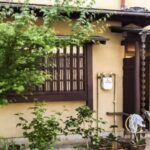
What makes it feel special is the setting. You are not in a big activity room. You are in an authentic style house, with that Kyoto house-at-a-glance vibe, down to the small front gate and the noren curtain. That matters, because it sets the tone: calm, careful, and hands-on.
I also like that the lesson connects technique to story. You are not just told what to do. You learn where sushi rolls come from and why patterns and flavors evolved. That small bit of context makes the finished roll feel more meaningful, and it gives you details you can explain when you serve it at home.
More Kyoto temple visits, food tours, tea experiences, and day trips to compare

Meeting point: how to find the house without stress
You meet by searching for Sakura Experience Japanese Culture in your map app. The host specifically notes that the location details have changed in Kyoto during COVID-19, so if you are relying on an older version of your map, you might get sent to the wrong place. My practical advice is to zoom in on the map before you arrive, then follow the street directions on your screen rather than trusting a random pin from memory.
The house is about 200 meters east from Nijo Castle. You will recognize it by the small wood gate and noren at the front. If you are traveling by subway, it is roughly a 3 minute walk from Nijojomae station. If you are using bus lines, plan on about 3 minutes from Fuchomae bus stop. From Kyoto station, it is around 10 minutes by taxi, which is useful if you are arriving with luggage or after a long day.
One small comfort: there is space to park your bike. That is not a big deal until you have one, then it becomes a surprisingly nice detail.
What you learn about sushi rolling, from Edo origins to modern patterns
Most sushi-making classes teach technique only. This one also gives you a story you can remember. You learn sushi roll history and trivia, then you apply it directly while rolling.
The lesson traces how sushi rolls developed during the Edo period, when popular culture was growing between 1603 and 1868. You learn that sushi using sake and vinegar spread during that era, and that by the early 1800s, vinegar-based sushi that could be made quickly became mainstream. Later, in the Showa period, sushi rolls began to appear with more complicated patterns.
Why you should care: when you understand that patterns became a bigger deal over time, you stop thinking of the flower design as random decoration. You see it as part of a broader tradition, where presentation is part of the food experience, not separate from it.
You also learn the core ingredient roles. Rice vinegar and sugar guide the balance and stickiness of the rice. Sesame and ginger bring aroma and punch. Vegetables add color and crunch. And nori (seaweed) is what holds everything together while still tasting clean and sea-like.
The flower-style sushi session: rice, pigments, and precise rolling
The main activity is making a patterned roll that looks like a beautiful flower. The class uses a structured approach, so even if you are starting from scratch, you are not left guessing.
You begin with rice preparation and seasoning concepts. The vinegar-sugar balance affects how the rice molds and how well it layers. Then you work with ingredients like sesame and ginger, plus vegetables, which help the pattern read clearly. Nori comes into play as the wrapping base, and the way you handle it changes both texture and how the roll holds.
Then comes the ornate part. For the decorative look, the class uses natural edible pigments to color the rice. That detail matters because it explains how the patterns stay food-safe and how the color shows up clearly enough for the design to read on the plate.
As you roll, you get feedback on shaping. You learn how to distribute the rice and filling so you get definition instead of a messy swirl. You also learn how to handle the pressure, because too much pressure can flatten the ingredients, and too little can make the pattern collapse.
By the end, your sushi should match the visual target the lesson demonstrates. One of the most praised parts of the experience is exactly that, the roll coming out like the picture, plus tasting delicious, not just looking pretty.
Komono, tea, and the homey details that make the hour feel long enough
You wear a beautiful komono during the class. For many visitors, that is the part they remember later because it changes how you experience the room. You are not just cooking, you are participating in a small slice of everyday Japanese visual culture.
You also get Japanese tea or water during the session. It sounds minor, but it helps the pacing. You are working with sticky rice and concentration, so having a drink at the right moment keeps you comfortable.
You will use rental tools for sushi making. That reduces friction because you do not need to buy anything before you come. If you are traveling light, this is a big deal. If you already own a bamboo mat at home, you will still benefit from the method you learn, since the class’s goal is repeating the pattern, not just assembling sushi.
One more detail that people often appreciate: the instructor helps you capture the moment. Some sessions include lots of photos focused on the rolling process and the final result. Even if you plan to take your own photos, video recording is not allowed, so you will want to rely on photos rather than filming.
How to get the best results when you are new to rolling
If you have never rolled sushi before, the fear is simple: will it turn into a rice disaster? This class is designed to reduce that risk with patience and step-by-step guidance.
Here is what I’d do to make your hour smoother:
- Pay attention to how the rice spreads. The rice thickness affects the final shape.
- Keep your fingers clean and lightly managed. Sticky rice is part of the experience, but you want controlled stickiness.
- Watch the pattern-building step, not just the wrapping step. The design comes from what you do before the final seal.
- Plan to follow the instructor’s pace. Sushi rolling is timing-sensitive, especially when you are aiming for the flower look.
The instructor support seems to be a standout. People call out patience and friendly coaching, and that matters because sushi-making is partly technique and partly confidence. When you feel guided, you stop second-guessing every move.
English support is available as well. That helps if you want to understand the why behind steps, not only copy them.
Price and value: what $82 buys you in Kyoto time
At $82 per person for a 1 hour private group class, the price is not an everyday bargain. But in Kyoto, short, focused, hands-on cultural experiences often price like this because you are paying for expert instruction, private coaching, and the ingredients and tools provided.
The value equation here looks strong because you leave with more than a quick snack. You get:
- Rental sushi tools
- A recipe booklet you can use at home
- A finished roll that matches what you see during the lesson
- The context behind the food, including Edo period trivia and later pattern evolution
If you were going to do a restaurant meal plus a separate cooking store shopping trip, costs would add up fast. Also, the home setting near Nijo Castle makes it feel like an intimate cultural moment, not just a ticketed activity.
If you are on a strict budget, you may decide this is a splurge. If you want an experience that teaches a repeatable skill, and you like the idea of making something visually impressive, this price can feel fair.
What you take home: skills, recipe, and a future dinner plan
The best souvenirs are the ones you use. This class aims for that, because you learn a method that works again when you get home.
You take away the ability to make the sushi rolls and the recipe details to repeat the process. The original recipe booklet is included, which matters because sushi steps are easy to forget once you are away from the kitchen setup.
You also take away ingredient knowledge you can actually shop for later: rice vinegar, sugar, sesame, ginger, vegetables, nori. Once you understand the role of each ingredient, it is easier to adapt at home without losing the core style.
And because the roll pattern is the point, you are more likely to feel proud serving it. A plain roll is still fun, but a flower-like design gives you instant wow when you lay it out.
Who should book this sushi class, and who might not
This is a great fit for:
- First-timers who want real instruction and patient help
- People who care about food history, even if they are not food scholars
- Travelers who like crafts with a visual payoff
- Anyone staying near Nijo Castle and looking for an easy, central plan
It is not ideal if:
- You want long meals or a full multi-hour cooking experience
- You need to record video during the class, because recording is not allowed
- You are traveling with kids under 4 years, since it is not suitable for them
One practical note: it is wheelchair accessible and baby stroller accessible. That is helpful for families and mobility needs, especially in Kyoto where older streets and entrances can be tricky.
Should you book this Kyoto sushi class?
I think it is worth booking if you want a hands-on Kyoto experience with a clear outcome. The combination of patterned rolling, a history lesson that connects to what you make, and the included recipe booklet pushes it beyond a simple tasting.
Before you go, make sure you:
- Update your map app and locate the house using Sakura Experience Japanese Culture
- Plan to take photos instead of video
- Arrive with the mindset of a craft lesson, because the magic is in the details and the careful steps
If that sounds like your kind of travel day, reserve a spot. This is the sort of activity where you leave with a skill, a story, and something you can plate again later.
More Workshops & Classes in Kyoto
More Tour Reviews in Kyoto
Not for you? Here's more nearby things to do in Kyoto we have reviewed

Kyoto Cooking Classes, compared.
 ★ 5.0Ramen Cooking Class at Ramen Factory in KyotoFrom $1311,937 reviews
 ★ 5.0Sushi Making in Kyoto! Same-day bookings welcome!From $53713 reviews
 ★ 4.9Ramen Cooking Class at a Ramen Factory with SouvenirFrom $127532 reviews
 ★ 5.0Ramen, Gyoza, and Onigiri Cooking ClassFrom $90445 reviews
 ★ 5.0The Original Small-Group Sushi Making Class in KyotoFrom $69436 reviews
 ★ 5.0Japanese Washoku Bento Small Group Cooking ClassFrom $58380 reviews
 ★ 5.0Kyoto Ramen and Gyoza Cooking Class with Professional ChefsFrom $86282 reviews
 ★ 4.9Afternoon Japanese Izakaya Cooking ClassFrom $67241 reviews
Browse the lists this tour appears in