
Reviewed · KYOTO BUS & SIGHTSEEING TOURS
KYOTO Explore Top Highlights by Private Walking Tour
Kyoto feels personal when your route can bend. This private walking tour lets you build a day around what you care about, then your guide drafts an itinerary and adjusts it during the walk. I like the mix of big-name sights with breathing room for your pace, and I especially like the Arashiyama bamboo-area start plus the Golden Pavilion stop. One possible drawback to consider: you pay most entrance fees and transit costs yourself, and English ability can vary by guide.
You’re booking for a small private group, up to 6 people, with a local guide who speaks English and Thai. Pickup is offered, the tour runs about 8 hours, and you get a mobile ticket, which makes day-of timing easier when you are hopping between neighborhoods.
The itinerary is designed for efficiency. Fushimi Inari is done via a short course (about less than 30 minutes, even though the full walking loop is around 2 hours), and Kiyomizudera involves a steep, stair-heavy approach through Ninenzaka and Sanenzaka shop streets. If you have limited mobility or you dislike climbing, this is the part to plan for.
Key Highlights That Matter
- Custom itinerary draft, then on-the-day adjustments so your interests and pace can steer the day
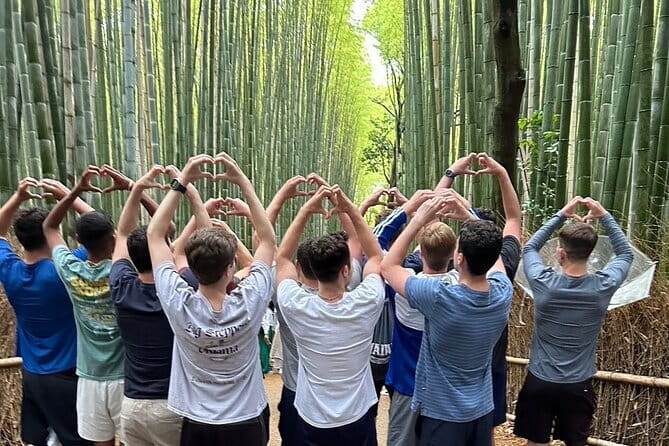
- Arashiyama Kimono Forest to bamboo-area stroll as a calmer first act before the heavier sights
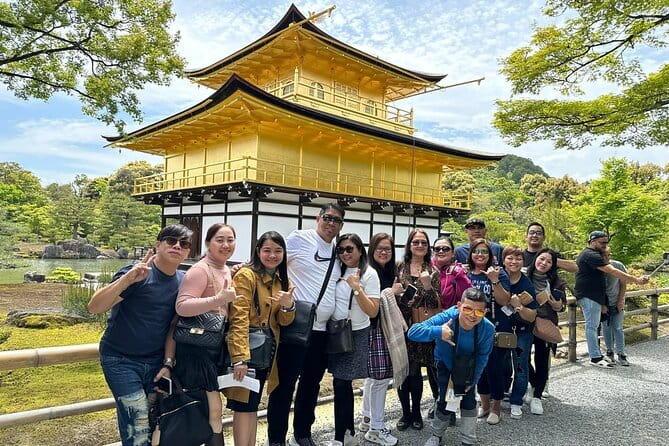
- Kinkakuji Golden Pavilion stop is short, but focused with a notable historic bonsai detail
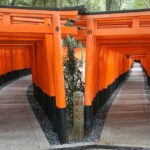
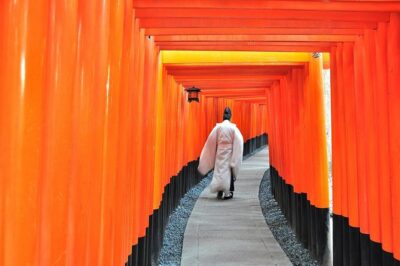
- Fushimi Inari short course, 30 minutes-ish, plus free entry for strong payoff per minute
- Nishiki Market and Gion walking time that balances shopping, possible lunch, and neighborhood atmosphere
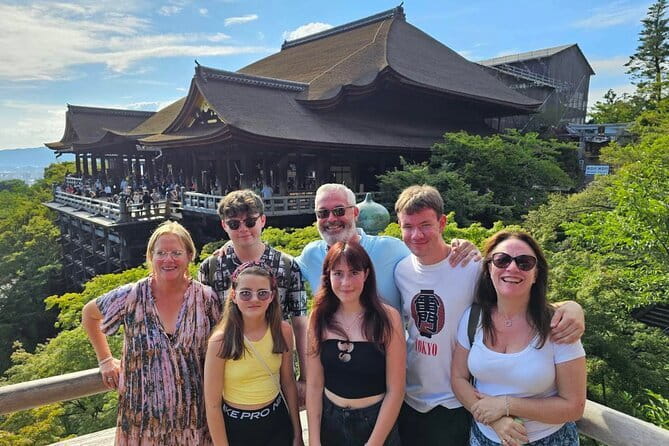
- Kiyomizudera approach includes steep stairs and shop lanes so wear shoes you trust
How This Kyoto Private Tour Gets Tailored to Your Day
The biggest reason this tour works is that it is not a rigid checklist. You share what you want to see and what you want to eat, then the route gets drafted around your preferences. That matters in Kyoto, because the real travel problem is not the sights, it is the time spent between them.
Instead of forcing you to march at someone else’s pace, this tour can be adjusted during the day based on how you are feeling. That is a big deal if you have kids, older family members, or you just want time to linger when a street photograph looks way better than your camera app preview.
A practical plus: the group stays private. Only your party joins, up to 6 people, so you are not bargaining your way through someone else’s schedule. And since the guide can speak English and Thai, you can ask direct questions and get clearer answers about timing, food choices, and the best way to move between stops.
You can also read our reviews of more walking tours in Kyoto
Price and Value: What You Pay for a Group Up to 6
The price is $192 per group, up to 6 people, for about 8 hours. That pricing structure is usually the right fit when you are traveling as a family, a pair of friends, or a small group that wants a guide without paying per person like a cab ride.
Here is the value math to think about. The tour includes the guide fee, plus a local English and Thai speaking guide. It does not include public transportation fees, private transportation fees, or entrance fees, and it does not include food and drink. So your real total cost will depend on how you travel that day and which temple or garden admissions you choose to cover.
Also budget for specific entrance fees that are listed for the route:
- Kinkakuji: 500 JPY
- Tenryuji: 500 JPY
- Kiyomizudera: 600 JPY
Fushimi Inari is listed as free, which is nice. When you add it up, the tour fee is what buys you time, direction, and local know-how, while admissions are what you still pay to actually enter the major sites.
If you are the type of traveler who hates hunting for the correct bus or standing in the wrong ticket line, a guide for an 8-hour day can be a good trade.
The Day Plan: Arashiyama to Kiyomizudera in One Organized Flow
This route strings together Kyoto’s best-known highlights in a way that tries to prevent backtracking. You start in the Arashiyama area, then move toward the Golden Pavilion, then Fushimi Inari, Nishiki Market, Gion, and finally the Kiyomizudera approach.
The timing is built for a long day without feeling like constant full-scale museum visits:
- Arashiyama Kimono Forest area: about 1 hour
- Kinkakuji Golden Pavilion: about 30 minutes
- Fushimi Inari Shrine short course: about 30 minutes or less
- Nishiki Market: about 1 hour
- Gion and walking through the neighborhoods: about 3 hours
- Kiyomizudera: about 2 hours
And because the itinerary can be adjusted based on your pace, you can usually slow down at the parts you care about and speed up at the parts you find less interesting.
Arashiyama Kimono Forest: A Nice Start Before the Big Attractions
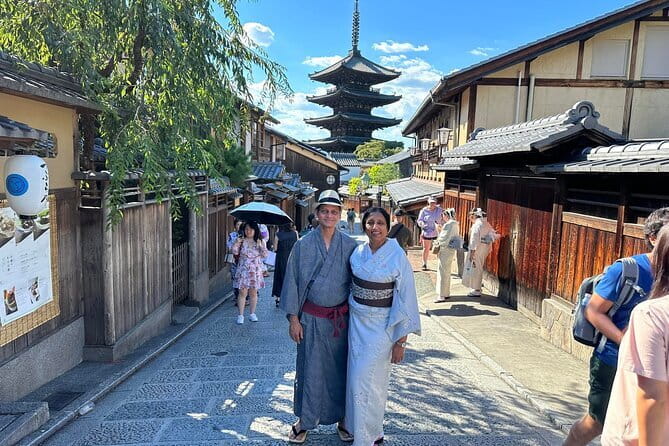
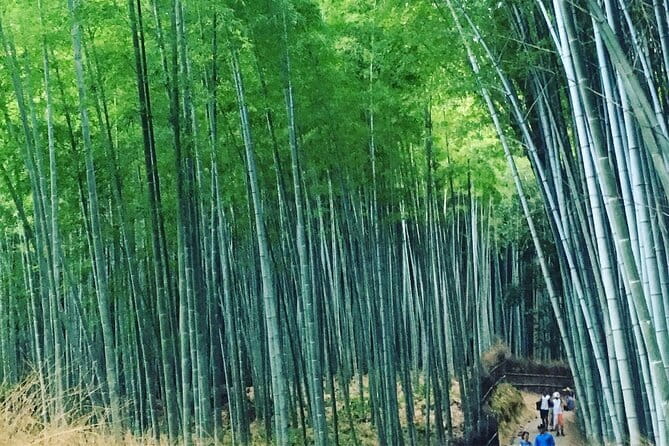
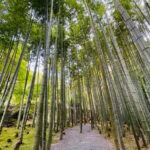
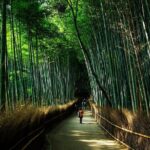
Stop 1 is Arashiyama Kimono Forest, followed by a walk toward the bamboo forest area and the town. You get about 1 hour here, and admission tickets are not included for this stop.
Why this opening works: it is a way to ease into the day. Arashiyama can feel photo-heavy, but starting here gives you a visual anchor early, before you hit the more structured temple admissions later. It also sets you up with a sense of how your guide plans the next transitions.
What to expect, practically:
- You will walk, not just arrive and pose.
- You are not spending the whole morning in a single admission-ticket location, which keeps you flexible.
One planning note: since admission for this stop is not included, decide early whether you will want to pay for any specific experiences inside the area. If you are tight on budget, focus on what you can do outdoors and use your time efficiently.
Kinkakuji Golden Pavilion: Short Visit, Big Visual Impact
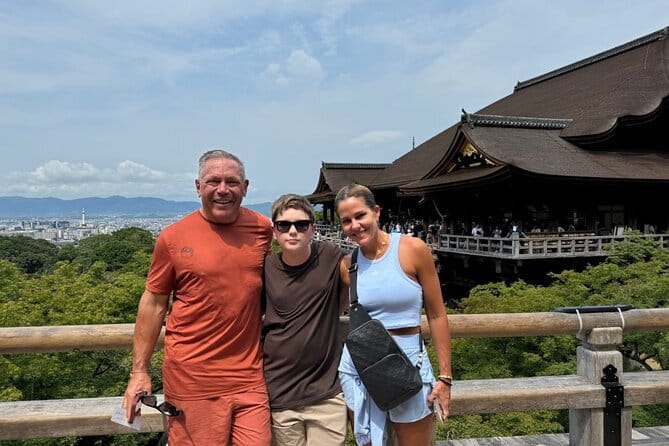
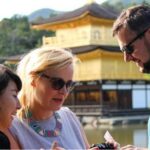
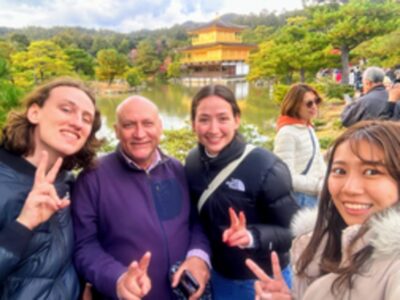
Stop 2 is Kinkakuji Temple, the Golden Pavilion. This stop is scheduled for about 30 minutes, and admission tickets are not included.
A detail worth knowing: the route description mentions a bonsai tree that is over 600 years old in the Golden Pavilion area. That is the kind of small fact a good guide can turn into a meaningful moment, because it changes your looking from tourist snapshots into appreciation.
There is also an admissions layer here. The listed entrance fees include both Kinkakuji (500 JPY) and Tenryuji (500 JPY). So when you plan your day budget, assume you may be paying for more than one ticket within the Golden Pavilion complex.
How to make your 30 minutes count:
- Keep your camera ready, but also take 1 or 2 moments to just look.
- If your phone battery runs low during the day, ask your guide for the best place to pause, because this day uses a lot of walking time.
You can also read our reviews of more private tours in Kyoto

Fushimi Inari Shrine: The Shortcut That Still Gets You There
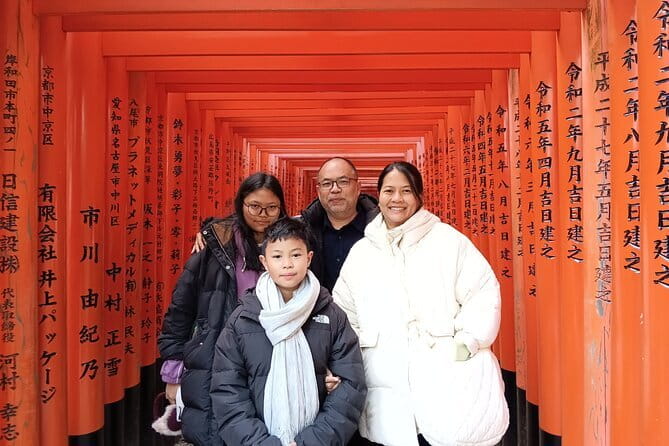
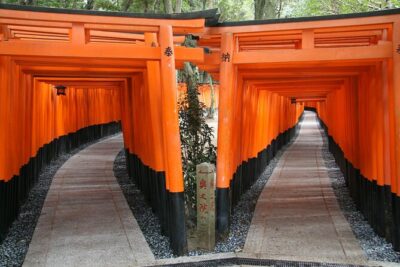
Stop 3 is Fushimi Inari-taisha Shrine. The whole walking is described as about 2 hours, but this itinerary takes a short course of less than 30 minutes. The admission is free.
This is one of the tour choices that signals good thinking. Many people try to do the full walk and end up exhausted before they reach the later neighborhoods. Here, you still get the core shrine experience while protecting energy for Nishiki Market and the Gion to Kiyomizudera stretch.
What I like about this approach is that it balances effort and payoff. You get a meaningful visit without turning the day into a single long stair-and-step slog.
Practical consideration: even on the short course, you are in a shrine area with lots of people and movement. Build in patience and keep your pace steady.
Nishiki Market: Kyoto Kitchen Shopping and a Stand-and-Eat Reality
Stop 4 is Nishiki Market Shopping District for about 1 hour, and the admission is free. This area is well-known for Kyoto kitchen, and your guide can support lunch options here if you do not mind standing and crowded conditions.
This is where the tour can get especially useful. Nishiki Market is not just shopping. It is a food neighborhood with tight lanes and lots of foot traffic. Without a guide, you might spend time searching for what is worth it or you might miss opportunities to sample what fits your tastes.
How to use your hour well:
- Decide early if you want lunch here or you prefer snacks only.
- Bring a little cash cushion, because markets tend to be pay-as-you-go.
- If you get overwhelmed by crowds, ask your guide to adjust the pace, not push through.
Also, since food and drink are not included on this tour, you will pay for what you eat. That is normal. Just do yourself a favor and set a rough food budget before you arrive.
Gion and the Walk Toward Ninenzaka: Neighborhood Time, Not Just Photos
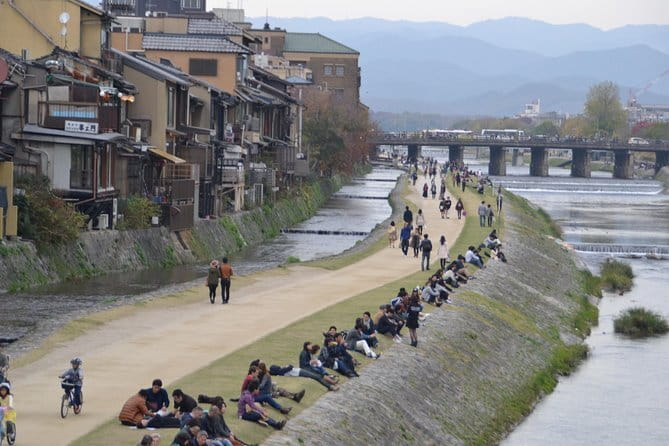
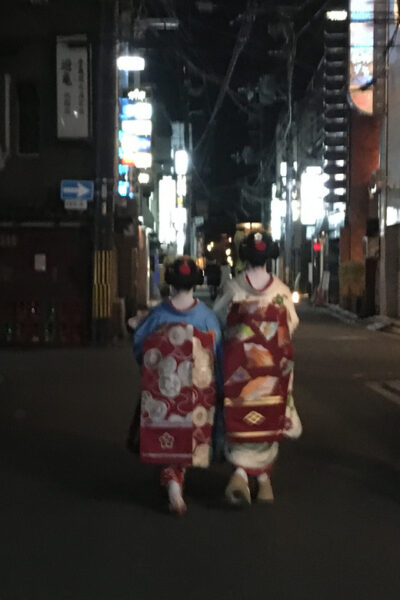
Stop 5 is Gion for about 3 hours, and the plan continues on foot toward Ninenzaka up to the Kiyomizudera area. The route hopes you can spot geisha, but it is framed as a possibility rather than a guarantee. Admission is free for this part.
This long walking block is where Kyoto starts to feel like a place you are living in, not just passing through. You are moving through streets that are part of the city’s visual identity, and your guide can point out what to look for and when it is worth pausing.
I also like that the tour keeps some weather and energy flexibility here. A guide can slow you down for photo angles or speed you through if you feel tired.
One small reality check: geisha sightings are never something you can schedule. But you can still enjoy this segment for the streets, the atmosphere, and the way your day builds toward the temple finale.
Kiyomizudera and the Steep Stair Approach Through Ninenzaka and Sanenzaka
Stop 6 is Kiyomizu-dera Temple for about 2 hours. To reach it, you walk past Ninenzaka and Sanenzaka, and the description specifically says the area is steep with stairs and shops on both sides. Entrance tickets are not included, and the listed entrance fee for Kiyomizudera is 600 JPY.
This is the point where the tour shifts from casual strolling to a more physical effort. The steep stairs matter. Choose shoes with good grip and plan for slow, steady steps.
If you are traveling with kids, or you have anyone in the group who gets tired easily, this is where the flexibility of the guide matters most. Your pace can be adjusted during the day, and that includes deciding how you handle the climb.
Also note the shop-lane reality. You will see a lot of tempting storefronts along the way. If you are trying to stick to a food or souvenir budget, set a rule before you start climbing.
Guide Quality, Photos, and That Small Practical Stuff You Actually Need
This tour lives or dies on the guide. The guide fee is included, and you get a local English and Thai speaking guide. That is the core of what you are paying for.
From the guide names that appear in the experiences shared, you might be paired with people like Marin, Shoji, Senji, or Shinji. The common theme in those names is support beyond just walking you from A to B.
A few practical examples of what a strong guide can do on this route:
- Help with logistics like finding a cash machine for yen withdrawal when you realize you are short on cash
- Take good photos and know the best spots to stand for pictures
- Send photos after the day, which is a nice bonus if you are traveling as a couple or with a friend
There is also a consideration. One experience described a guide with English that was harder to understand and with limited explanations along the way. That does not mean every guide will be the same, but it is a reason to set your expectations and come prepared with simple questions and clear preferences.
If English matters a lot to you, I suggest you send your must-see list in advance in a clear, bullet-style message. Simple requests get the best results, even if the language skills are not perfect.
What to Know Before You Book: Timing, Transit, and Comfort
A few details you can plan around:
- Duration is about 8 hours, so plan for a full-day commitment.
- Public transportation fees, and any private transport fees, are not included. The route may use bus or train, like on the Kinkakuji leg.
- Entrance tickets are not included for some major stops, so budget for Kinkakuji, Tenryuji, and Kiyomizudera.
On footwear: Kiyomizudera access includes steep stairs. Do not gamble on fashionable shoes.
On food: food and drink are not included, and Nishiki Market is crowded with a stand-and-eat style. If you hate crowds, treat that market hour like a quick mission, not a relaxed picnic.
On timing: the tour is commonly booked around 32 days in advance. That usually means popular days fill up, so earlier booking is a safer move if your dates are fixed.
Who This Tour Suits Best
This private walking tour is a strong fit if:
- You want a guided day that stitches together Arashiyama, Kinkakuji, Fushimi Inari, Nishiki Market, Gion, and Kiyomizudera without you doing the routing math
- You are traveling as a small group up to 6 and want the price to stay reasonable
- You care about someone adjusting the plan for your pace, including families with children
It may be less ideal if:
- You want every entrance fee included in one single payment
- You prefer a fully structured temple circuit with no crowd walking, since Kyoto highlights are popular by nature
- You have very limited mobility due to the steep stair approach toward Kiyomizudera
Should You Book This Private Kyoto Walking Tour?
Book it if you want a day that feels organized but not rigid, with a guide who can shape the order and pacing around what you actually want. The price makes sense for small groups, and the short-course approach to Fushimi Inari is a smart way to balance time.
Skip or compare other options if entrance fees are a deal-breaker for you, or if you know you need very detailed, uninterrupted explanations in English. In that case, ask questions before booking and confirm how the guide will handle explanations during each stop.
If your ideal Kyoto day is part temple, part market, part neighborhood walk, with a human steering the route, this one is a solid bet.
FAQ
Is pickup included in this Kyoto tour?
Pickup is offered. The tour description also says you are near public transportation, so you will likely get a clear plan after booking confirmation.
How many people are in a group?
It is a private tour, and the group size is up to 6 people. Only your group participates.
What entrance fees are included or not included?
Entrance fees are not included. The listed entrance fees for the route include Kinkakuji 500 JPY, Tenryuji 500 JPY, and Kiyomizudera 600 JPY. Fushimi Inari-taisha is listed as free, and other stops note admission as not included.
Are transportation costs included?
No. Public transportation fees (train, bus, taxi) and private transportation fees are not included.
What ticket type do I receive?
You receive a mobile ticket.
What is the cancellation policy?
Free cancellation is available up to 24 hours in advance for a full refund. If you cancel less than 24 hours before the start time, the amount paid is not refunded.
More Walking Tours in Kyoto
More Tours in Kyoto
More Tour Reviews in Kyoto
Not for you? Here's more nearby things to do in Kyoto we have reviewed
Kyoto Bus & Sightseeing Tours, compared.
 ★ 5.0PERFECT KYOTO 1-Day Bus TourFrom $12913,518 reviews
 ★ 4.8Fushimi Inari, Kinkakuji, Bamboo Grove 1 Day Bus TourFrom $1224,316 reviews
 ★ 4.9Best of Kyoto: Gion, Geisha, Pagodas & CobblestonesFrom $242,058 reviews
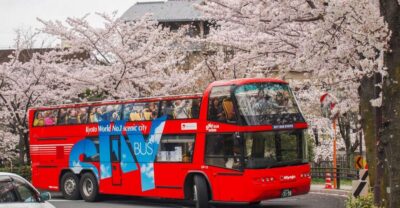 ★ 3.9Hop-on Hop-off Sightseeing Bus TicketFrom $272,034 reviews
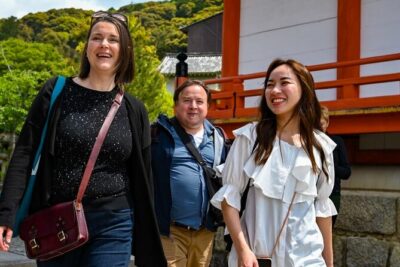 ★ 5.0Private Kyoto Tour with a Local, Highlights & Hidden Gems, PersonalisedFrom $1021,543 reviews
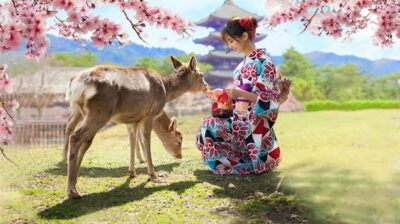 ★ 4.7Kyoto/Osaka: Nara, Fushimi Inari Taisha, Arashiyama Bus TourFrom $521,275 reviews
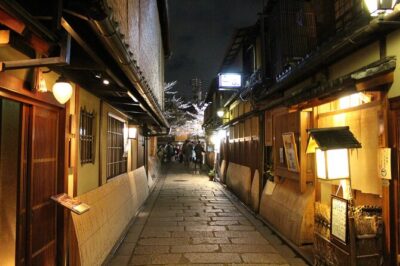 ★ 5.010 Must-see Spots in Kyoto One Day Private Tour (up to 7 people)From $1791,108 reviews
 ★ 4.5One-Day Tour of Kyoto’s Highlights from Osaka/KyotoFrom $661,092 reviews
Browse the lists this tour appears in