
Reviewed · KYOTO TEA CEREMONIES
Kyoto: Uji Matcha Tea Museum Entry Ticket
A tea museum in Uji is a smart Kyoto add-on. The Kyoto Uji Matcha Tea Museum lets you learn how Uji tea gets made, why it matters historically, and how different green teas connect to real production choices, using touch and digital exhibits in a way that actually feels playful. If you love turning travel time into useful knowledge, this one delivers.
I especially like the Uji Tea Room (Uji-cha no Ma), where questions like Gyokuro versus Sencha and the story behind Uji tea are explained right where you can handle and experience the ideas. I also like the museum’s photo spot in the last corner, because it gives you something fun to do instead of just reading labels. The main drawback is that it is very exhibit based, so if you hate self paced learning and prefer a hands on class with lots of talking, you may wish it were more guided.
Key things to know before you go
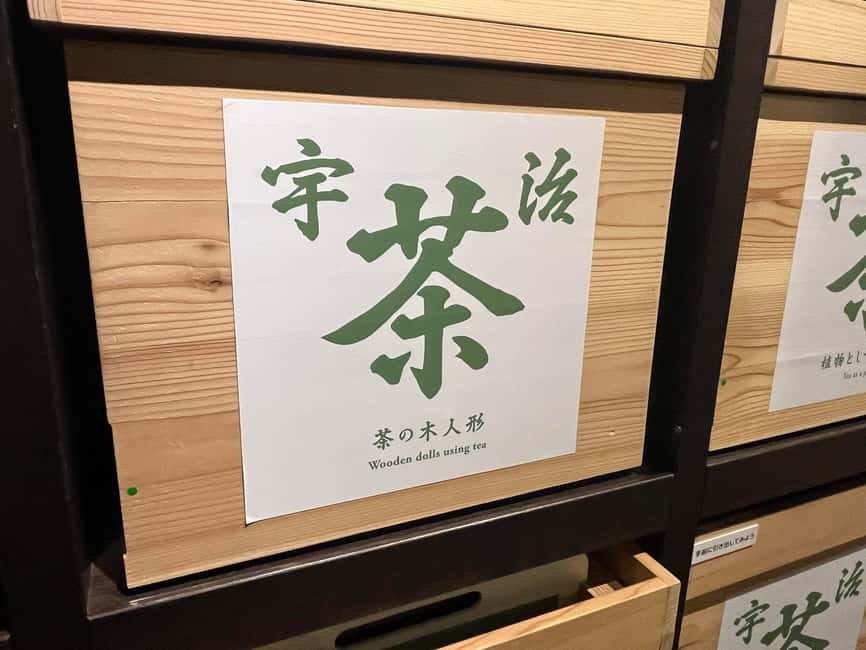
- Uji Tea Room (Uji-cha no Ma) answers practical questions about tea production and what makes Uji tea special
- You can touch and experience the tea via the museum’s interactive displays
- Learn the production and history angle in two clear sections: tea making plus town history
- A huge 10-yen coin featuring the Byodoin Phoenix Hall helps anchor Uji’s story
- A 4K HDTV screen with Meisho-zue townscape drawings is a standout visual moment
- There is a dedicated tea themed photo spot near the end, built for easy fun
Uji matcha museum energy: small ticket, big tea questions
Uji is the kind of place where tea is not a background detail. It is the point. This museum fits neatly into a Kyoto day because it is focused, ticket friendly, and designed to keep both kids and adults engaged with clear themes and interactive moments.
What makes it feel worth your time is that the exhibits do more than name drop tea culture. They push you toward understanding, like what differences you can actually taste or expect from different styles, and how production choices shape the cup. You do not have to be a tea nerd to enjoy it, but you will probably become one a little.
More Kyoto temple visits, food tours, tea experiences, and day trips to compare


Uji-cha no Ma: the tea room built around real questions
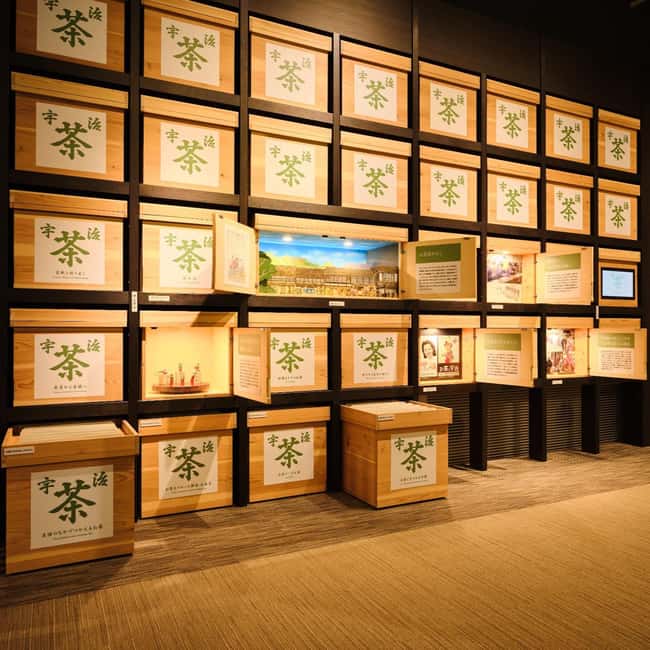
The first major stop is the Uji Tea Room (Uji-cha no Ma). This is where the museum leans into curiosity. You are confronted with the kinds of questions people always wonder, like how tea is made, where Uji tea comes from, and what makes Uji tea distinct.
The museum uses digital exhibitions to present answers, and the best part is that it is not just screen time. The description is clear that you can actually touch and experience the tea as part of these displays. Translation: you get to connect the story to the object, not just watch a slideshow.
One section tackles the difference between Gyokuro and Sencha. That is a big deal if your matcha buying habits are currently based on labels instead of knowledge. Even if you do not memorize every detail, you leave with a better framework for why two cups can taste different even when both are green teas.
Another thread covers the process of making Uji tea and what the museum calls the birth story behind Uji tea. If you have ever felt that tea history is vague, this room is trying to fix that. You will see the town and the production linked, which makes the information feel less abstract.
Practical tip: take your time in this room, especially if you want to connect the production ideas to the teas you plan to try later in Uji. The exhibits are organized around question and answer style prompts, so lingering works in your favor.
Touch, taste mindset, and why interactive tea knowledge sticks
A lot of museums give you facts. This one tries to give you understanding. The touch based element matters because it turns a concept like tea production into something your hands and senses can anchor.
You can think of it like learning travel basics with a map you can actually hold. When the exhibits invite you to touch and experience, you remember more. You also get more confident about ordering tea afterward, because you know what to ask yourself about what you are tasting.
The museum also uses digital formats to present common tea questions in a way that feels approachable. You will see content that aims at beginners, including children. That does not mean it is dumbed down. It means it is structured so you can follow the logic even if you have never studied tea production before.
If you are the kind of traveler who likes to leave a destination with one or two useful skills, this is the right place to do it. You can walk out able to explain at least the general difference between types like Gyokuro and Sencha, and you will understand the production story behind Uji tea more clearly than when you arrived.
History Room: Byodoin Phoenix Hall, Uji River change, and Meisho zue
After the tea focused room, you move into the History Room. This is where the museum shifts gears from production to place. A huge 10 yen coin featuring the Byodoin Phoenix Hall welcomes you, and it works as a fast attention grab. It signals that Uji is not just a tea brand, it is tied to real landmarks and real time.
Inside, you get digital exhibitions about how the town of Uji and the Uji River changed over time. You also learn about Uji’s history in a structured way, not as a single long timeline with everything lumped together. For many people, that town history helps explain why tea production became such a defining feature here.
One must see moment is the large 4K HDTV digital screen that shows townscape drawings called Meisho zue. The fact that this is called out as a masterpiece in the exhibit description tells you it is not filler. If you like visual history, this is where you slow down. Screens like this can feel flashy elsewhere, but here it is tied directly to the idea of place, view, and change over time.
Practical tip: if you are short on time, still prioritize the 10 yen coin moment and the 4K Meisho zue screen. Those two are designed to give you the strongest sense of scale and context quickly.
Make the Gyokuro versus Sencha info practical for your next cup
The museum’s tea room highlights differences between Gyokuro and Sencha, plus special ways to make delicious tea. Even though the exhibits are educational, the goal feels practical. The content nudges you to think about tea as a product shaped by choices, not just a flavor label.
When you step out and try teas in Uji, you will likely notice you taste with better questions in mind. You might pay more attention to how the style feels, how it sits on the palate, and what production choices might be behind that impression.
One smart way to use what you learn is to bring it into your ordering. You do not need to recite technical definitions. Instead, ask yourself what type of tea you want to compare. If you learned how Gyokuro differs from Sencha in the museum, you can look for opportunities to taste or compare those styles during your Uji day.
That is the best kind of museum value: information you can use the same afternoon.
You can also read our reviews of more museum experiences in Kyoto




The last corner photo spot: why it matters more than you think
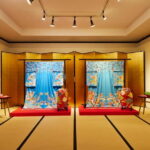
Most people think photo spots are just tourist bait. This one is small but useful. The museum specifically mentions a tea themed photo spot in the last corner, which means you can use it as a natural finishing point.
I like ending on something visual because it helps your brain summarize the day. You stop taking in new facts, you look back at what you saw, then you capture a souvenir that matches the theme. The photo spot also gives you a low effort way to engage, especially if you came with kids.
Practical tip: if you want clean photos, do the photo spot when you notice a quieter pocket of space. Museums can be busy in short bursts, so timing helps.
Price and value: why this ticket feels like a bargain
The ticket cost is listed as $3.87 per person, and the value comes from focus. This is not a half day walking tour that tries to do too much. It is a museum experience built around two concentrated themes: Uji tea production and Uji town history.
If you like your travel time to be efficient, this is a good fit. You get interactive tea learning, plus the historical context through things like the 10 yen coin and the Meisho zue display. For under four bucks, that is a very low commitment price to gain real understanding.
Also, the museum experience is described as enjoyable for both children and adults, which usually means it is built with simple entry points and clear storytelling. That makes it less risky if you are traveling with mixed interests.
If you are already in Uji or planning a Kyoto day that includes tea stops, this ticket is an easy “yes” because it gives you depth without eating up your whole schedule.
Timing, pacing, and how to plan your Uji day
The experience is listed as valid for 1 day, with starting times based on availability. That matters because you can match the visit to your Kyoto routing. If your day is already full, a museum like this can still work well since it is focused and indoor.
I recommend you treat it like a structured curiosity walk. Start with the Uji Tea Room to build context, then move into the History Room to understand why the tea matters to the town and the river. Finish with the photo spot so you wrap up with something fun.
Because the exhibits are described as digital and touch based, you will likely spend more time than you think if you read carefully. If you want a faster pass, you can still prioritize the Gyokuro versus Sencha section, the 10 yen coin entrance, and the Meisho zue 4K screen.
Who should book this Kyoto Uji matcha museum ticket
This museum ticket is a great match if you:
- Want practical tea education without needing a long formal class
- Like interactive exhibits where you can touch and experience the ideas
- Are traveling with kids or mixed ages and want something that works for everyone
- Are in Uji for matcha and want context beyond just shopping
It may not be the best choice if you are looking for a long guided tasting session or a hands on cooking style activity. The information here is primarily exhibit based, so your enjoyment will depend on whether you like learning by looking and doing small interactions.
Should you book the Kyoto Uji Matcha Tea Museum entry ticket?
Yes, with a few smart checks. Book it if you will be in Uji anyway and you want a low cost way to understand Uji tea production and history. The Uji Tea Room (Uji-cha no Ma) gives you the kinds of tea answers you can actually use, and the History Room anchors everything with clear place based context, plus that standout 4K Meisho zue visual.
Skip it only if you prefer fully guided experiences with lots of spoken commentary, or if you know you will not enjoy museum style learning. Otherwise, this ticket is one of those practical Kyoto adds that pays off later when you taste teas with better questions.
FAQ
FAQ
How long is the Kyoto Uji Matcha Tea Museum ticket experience?
It is valid for 1 day, and you can check availability for starting times.
What is the price per person?
The price is listed as $3.87 per person.
What is included with the ticket?
The ticket includes museum admission.
What can I learn inside the museum?
You can learn about the history and production methods of high quality Uji tea, including questions like how tea is made and differences between Gyokuro and Sencha.
Is there an interactive part, or is it just reading?
The exhibits include digital displays where you can actually touch and experience the tea.
Is the museum good for families?
Yes. The experience is described as enjoyable for everyone, from children to adults.
Is the museum wheelchair accessible?
Yes, it is listed as wheelchair accessible.
Who provides the experience?
The experience provider is Chazuna.
More Museum Experiences in Kyoto
More Tickets in Kyoto


More Tour Reviews in Kyoto

Not for you? Here's more nearby things to do in Kyoto we have reviewed




Kyoto Tea Ceremonies, compared.
 ★ 4.9Tea Ceremony in a Traditional Tea House in KiyomizuFrom $493,519 reviews
 ★ 4.9Tea Ceremony Ju-An at Jotokuji TempleFrom $293,207 reviews
 ★ 4.345-Minute Tea Ceremony Lesson ExperienceFrom $222,378 reviews
 ★ 5.0World Heritage Kyoto & Nara Uji Authentic Matcha ExperienceFrom $1291,573 reviews
 ★ 4.9Table-Style Tea Ceremony at a Kyo-MachiyaFrom $451,211 reviews
 ★ 5.0Kimono Tea Ceremony at Kyoto Maikoya, NISHIKIFrom $65911 reviews
 ★ 5.0Arashiyama Bamboo Forest, Monkeys, Matcha & Temple TourFrom $53759 reviews
 ★ 4.9Tea Museum Tickets and Matcha Grinding ExperienceFrom $23739 reviews
Browse the lists this tour appears in