
Reviewed · KYOTO COOKING CLASSES
Kyoto: White Miso Cooking Class & Fermented Food Course Lunch
White miso is one of those flavors you think you know, until you make it. This Kyoto class focuses on fermentation you can feel, from hands-on mixing to tasting what you made in a warm bowl. It also turns an abstract topic into food you can actually eat.
I especially like two parts of this experience. First, you get true hands-on time making white miso from scratch with a miso expert. Second, the class includes both a white miso potage meal and a fermented food lunch, so you get immediate context for why fermentation matters.
One thing to consider is the take-home reality. You will not be able to take miso home due to customs rules, so think of this as a done-and-eaten experience, not a souvenir project.
Key highlights you should know
- Hands-on white miso making with expert guidance and a practical step-by-step feel
- White miso potage cooking and tasting, so the flavor lands right away
- Fermented food lunch built into the experience, not tacked on
- Small group size (max 6), which usually means more attention while you work
- Kyoto meeting point at a food research space, easy to find once you locate the building
Why Kyoto white miso is the main event
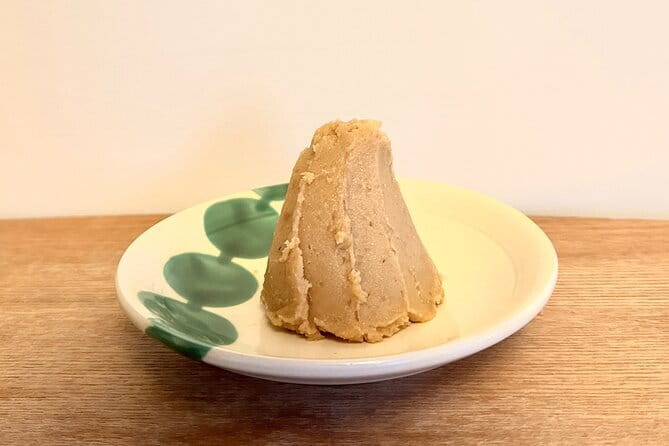
White miso is a staple in Japanese cooking, and this class makes that idea concrete. You are not just learning what it is. You are learning why it exists, then turning that knowledge into something you can taste.
In plain terms, fermentation is the engine behind miso. This tour leans hard into that concept. You start with the history and secrets of miso making, then you apply what you learn with your hands. That sequence matters. By the time you taste the potage, the flavor feels less random and more like the result of decisions you just made.
White miso also has a reputation for being delicate compared with darker types, and that helps beginners. It gives you a gentler on-ramp to fermentation. If you usually skip unfamiliar fermented foods, this is a friendly way to get your bearings.
You can also read our reviews of more food & drink experiences in Kyoto

Finding the Kyoto food lab, meeting point, and timing
The tour begins at 9:20 am at 和想日々 京都Japan. The exact spot is listed as 〒604-0085 Kyoto, Nakagyo Ward, Higashitakeyachō, 416 京都食と暮らしの研究所1F奥. The activity ends back at the meeting point.
That “1F奥” detail matters. It means you should not just arrive and wander. Look carefully for the office entrance on the first floor and follow any on-site signage toward the back area. If you are using a navigation app, double-check the address text so you do not end up at the wrong building entrance.
You get a mobile ticket, which is convenient on a day when you might also be hopping between temples and side streets. Still, keep your ticket ready on your phone screen, plus a backup plan if your battery is low. Japan’s transit is reliable, but you do not want a phone dead moment to derail a cooking start time.
This is a 3 hours 40 minutes experience, give or take. Plan it as a main activity, not a quick stop between sightseeing blocks. You will be doing hands-on work, then cooking, then eating.
Who you meet, and why the teaching style matters
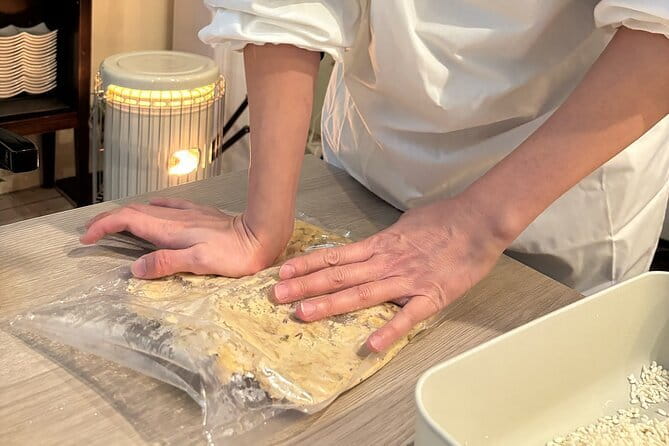
The class is led by a miso expert. In the past, the instructor has been Miyuki Toko, and the teaching approach really comes through in how guests describe the session. You get more than a recipe. You get the origins of miso and the reasoning behind fermentation in the modern Japanese diet, and even a broader take on fermentation’s role across diets.
That matters if you are the kind of traveler who likes to understand what you are tasting. It also helps if you worry you will be “bad at cooking.” A good instructor explains what you are doing and why, so the process stops being mysterious.
One practical tip you can borrow from the experience is to arrive a little early if you want an extra question. If the schedule feels relaxed when you show up, you can often ask about ingredients, timing, or how white miso shows up in everyday meals. Even a few minutes of conversation can make the class stick in your memory.
The white miso workshop: what you’ll do step by step
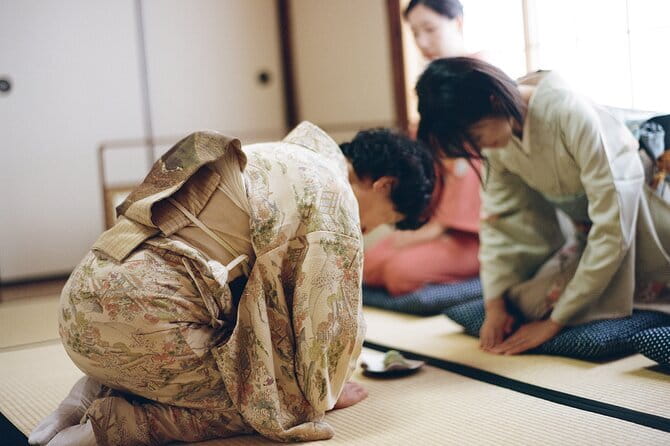
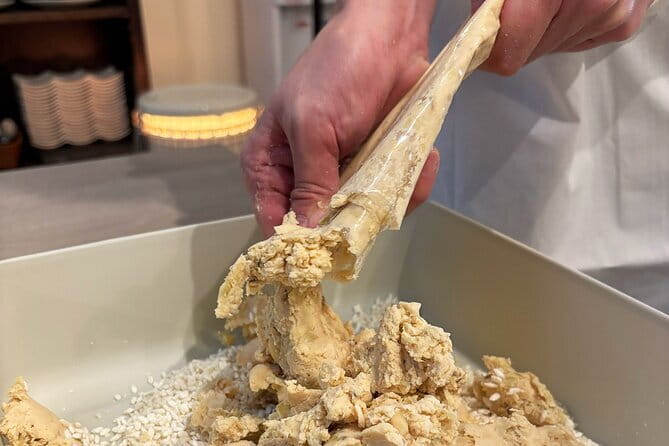
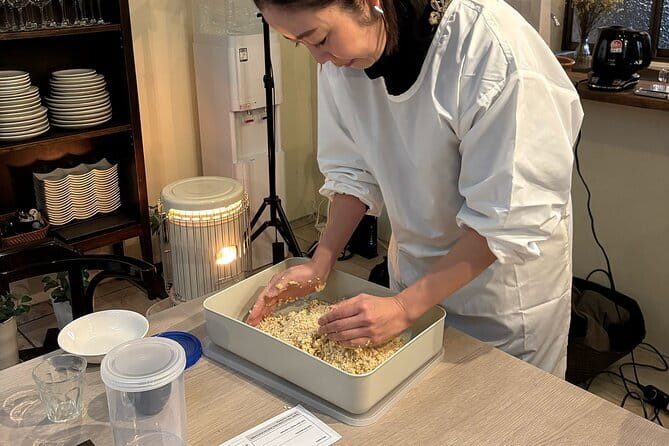
This tour centers on a hands-on workshop where you make white miso from scratch. The class walks you through the process with guidance, and you learn the history and secrets behind miso making as part of the experience, not as a separate lecture.
Here is what you can reasonably expect during the workshop portion:
- You’ll work directly with the miso mixture rather than watching from the sidelines.
- You’ll follow instructions from the expert so your texture and consistency land where they should.
- You’ll learn the fermentation mindset, meaning you understand the “why” behind each action, not just the “how.”
Because the workshop is practical, wear clothes you feel comfortable getting a little messy in. Cooking classes can be surprisingly physical, and this one involves mixing and working with ingredients in a way that takes attention.
Also, remember the tour has a max 6 travelers limit. That size is ideal for a cooking class. It helps you stay engaged, and it makes it easier for the instructor to notice if you need a hand right when you need it.
Potage soup with white miso: the tasting that connects food to technique
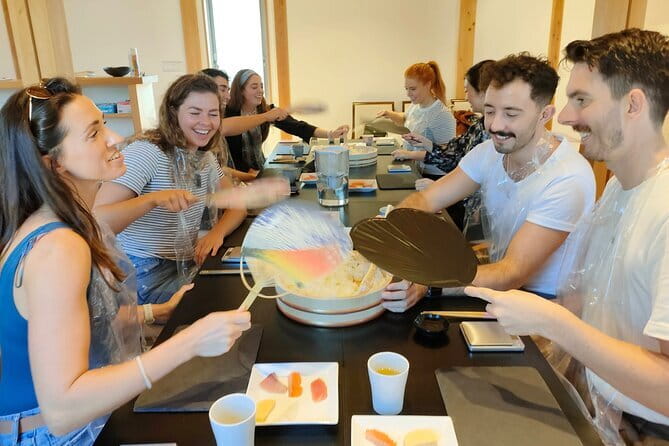
After making your white miso, you cook and taste potage soup with white miso. This part is where the lesson clicks.
Potage is forgiving, warm, and comforting, so it gives you a clear read on the miso’s character. You are eating the result of fermentation knowledge, not just hearing about it. That shift from theory to taste is a huge part of the value here.
What I like about including the potage is that it turns your miso from a project into a meal. The workshop could have ended with just a finished paste, but it goes further. You experience flavor in context, then you connect that flavor back to what you did with your hands.
If you are a foodie, this is also a chance to compare your expectations with reality. Many people try miso soup and call it a day. Potage changes the texture and the overall feel, so you taste white miso in a different culinary role.
More Kyoto temple visits, food tours, tea experiences, and day trips to compare

The fermented food lunch: why it is not just a meal
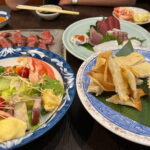
The class ends with a fermented food lunch designed to “nourish your gut,” in the tour description. Even if you do not want to think too hard about health claims, this lunch has one simple advantage: it reinforces what fermentation tastes like when it becomes part of an actual day of eating.
A fermented lunch also helps you avoid the most common cooking-class problem. Sometimes the class is fun, but you leave hungry or unsure what else to do with what you learned. Here, the food is part of the teaching arc. You taste fermentation beyond the miso you made, and you get a fuller picture of how it can show up on a plate.
It is also a practical win in Kyoto. Between shrines, markets, and temple lines, food planning gets complicated. This lunch gives you a scheduled, included meal so you can keep exploring without hunting for something at the exact right time.
Price and value: is $120 worth it?
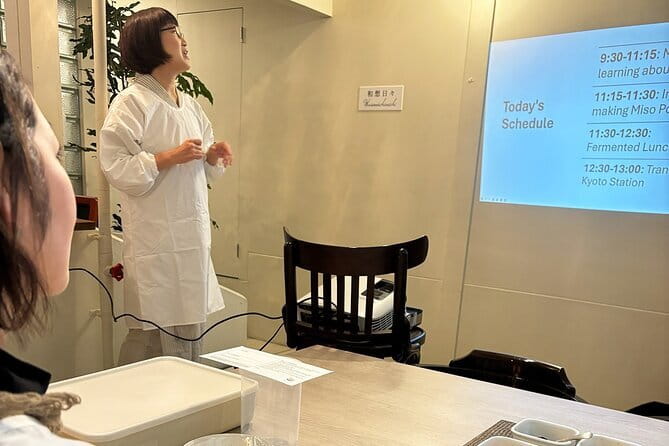
At $120 per person, this is not a budget snack workshop. But cooking classes rarely are. The better question is what you are paying for.
You are paying for:
- A miso expert who shares history and secrets, plus hands-on instruction
- A small group experience (up to 6 travelers)
- A full active session lasting about 3 hours 40 minutes
- Not one, but two eating moments tied to fermentation, potage and a fermented lunch
The big caution about value is the take-home rule. You cannot take miso home due to customs regulations. That means you are paying for the experience and the meals, not for a jar you can keep in your fridge for months.
If you want the chance to actually make white miso, learn the fermentation logic, cook potage, and eat a fermented lunch in a structured timeline, the price starts to make sense. If you only want a souvenir or you love eating but dislike hands-on work, you might find it less worth it.
Group size, ticket type, and what to expect on the day
This tour runs with a minimum of 2 participants. If that minimum is not met, the operator will cancel and you should receive a full refund. This kind of small-group requirement is common for specialist food classes.
The group cap is 6 travelers, and that’s a real quality-of-life factor. Smaller groups typically mean:
- Less waiting while you try to get attention
- More chances to ask quick questions
- A smoother flow from miso making to cooking to eating
You also use a mobile ticket. Bring your ticket up before you arrive and have a screen brightness you can manage outside, since Kyoto light can make phones harder to read.
Finally, this experience is offered by Tranquwell, and confirmation is typically handled within 48 hours of booking, depending on availability. If you are traveling around busy seasons, you’ll usually feel more secure locking it in earlier.
Who this Kyoto class is best for
This workshop is a great match for you if:
- You like food learning with your hands, not just tasting
- You are curious about Japanese fermentation beyond miso soup
- You want an authentic Kyoto activity that fits well between sightseeing blocks
- You enjoy small-group classes where you are not lost in a crowd
It is also a good pick if you are traveling with someone who loves Japan’s food culture and wants a shared activity that is different from walking temples and taking photos.
You might skip it if:
- You hate mess, mixing, and active cooking steps
- You specifically want to take your own miso home as a souvenir
- You are looking for a quick 60-minute food stop rather than a full session
Should you book this white miso workshop in Kyoto?
If you want a hands-on way to understand Japanese fermentation, I think this class is worth booking. The structure makes sense: you learn miso origins and secrets, you make white miso yourself, you taste it in potage, and you finish with a fermented lunch that keeps the theme going.
The main reason not to book is the take-home limitation. If your goal is a jar to bring back, customs rules remove that option. But if your goal is a real food lesson, a warm meal, and the satisfaction of making something from scratch, this is exactly that kind of Kyoto day.
FAQ
Where is the meeting point and what time does the tour start?
The tour starts at 9:20 am at 和想日々 京都Japan, located at 京都食と暮らしの研究所1F奥, 416, in Nakagyo Ward, Higashitakeyachō, Kyoto. The activity ends back at the same meeting point.
How long is the white miso and fermented food course?
The duration is approximately 3 hours 40 minutes.
Do I receive a mobile ticket?
Yes, the tour uses a mobile ticket.
Can I take the miso home after the class?
No. You will not be able to take miso home due to customs regulations.
What happens if the tour does not meet the minimum number of participants?
The tour requires a minimum of 2 participants. If it does not meet the minimum, it may be canceled in advance and you should receive a full refund.
What is included in the experience?
You will make white miso hands-on, cook and taste potage soup with white miso, and enjoy a fermented food lunch. A miso expert also shares the history and secrets of miso making.
More Food Experiences in Kyoto
More Food & Drink Experiences in Kyoto
More Tour Reviews in Kyoto
Not for you? Here's more nearby things to do in Kyoto we have reviewed

Kyoto Cooking Classes, compared.
 ★ 5.0Ramen Cooking Class at Ramen Factory in KyotoFrom $1311,937 reviews
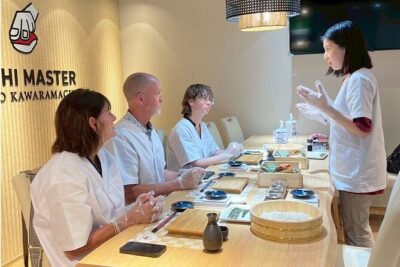 ★ 5.0Sushi Making in Kyoto! Same-day bookings welcome!From $53713 reviews
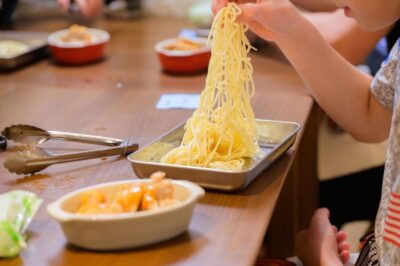 ★ 4.9Ramen Cooking Class at a Ramen Factory with SouvenirFrom $127532 reviews
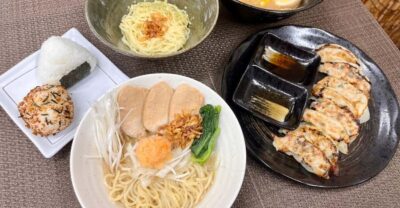 ★ 5.0Ramen, Gyoza, and Onigiri Cooking ClassFrom $90445 reviews
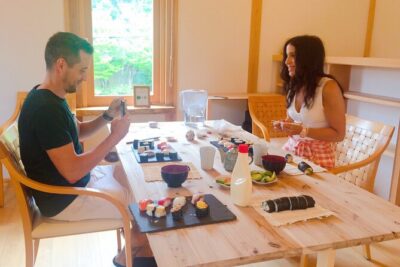 ★ 5.0The Original Small-Group Sushi Making Class in KyotoFrom $69436 reviews
 ★ 5.0Japanese Washoku Bento Small Group Cooking ClassFrom $58380 reviews
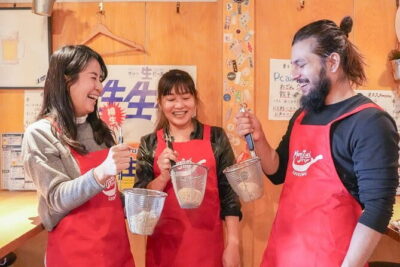 ★ 5.0Kyoto Ramen and Gyoza Cooking Class with Professional ChefsFrom $86282 reviews
 ★ 4.9Afternoon Japanese Izakaya Cooking ClassFrom $67241 reviews
Browse the lists this tour appears in