
Reviewed · NARA DAY TRIPS FROM KYOTO
Nara: Todai-ji y parque de Nara (Spanish Guide)
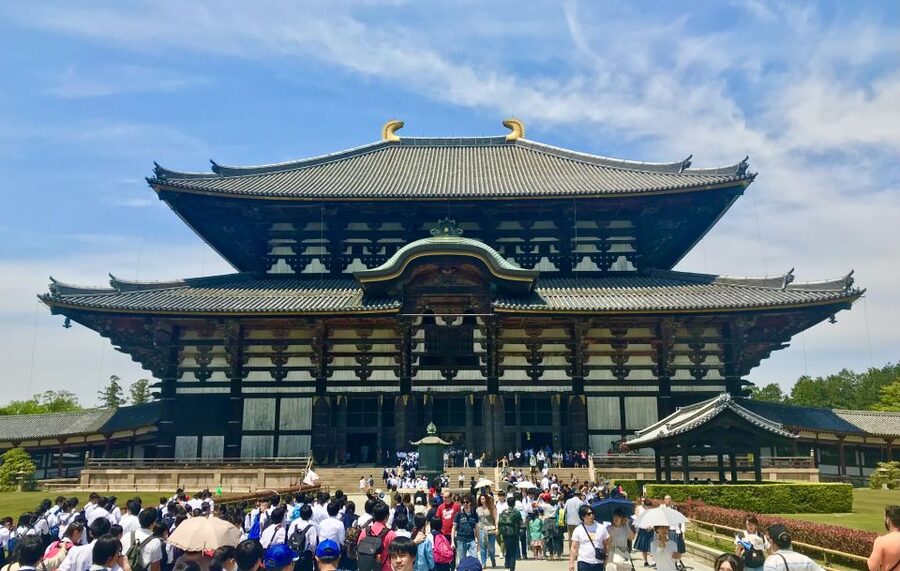
Todai-ji hits you like a knockout. This 5-hour Spanish walk layers Todai-ji and Nara Park deer into one easy day plan. I love how the guide makes the big sites feel connected, and I love the built-in pauses that keep the pace realistic. One drawback to plan for, it is an all-on-foot route, so comfortable shoes and a bit of stamina matter.
You start at Kintetsu-Nara Station exit 5 and work through classic Nara highlights in a tight loop. At Nigatsu-do, you get panoramic views over Nara, and in spring the cherry blossoms around the area are a bonus. You will be doing lots of picture stops plus guided walking, with deer sighting time baked into the schedule.
The tour is led in Spanish, and when guides like Alex, Diego, or Federico are on the route, expect clear, history-focused storytelling. I also like that Todai-ji entrance is included, so you can focus on the experience instead of ticket logistics. If you do not speak Spanish, this is a harder sell, since the guide is live in Spanish.
Key highlights you will actually feel in 5 hours
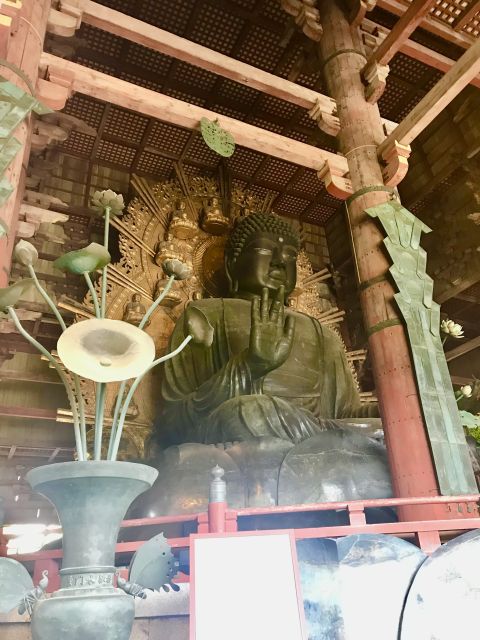
- Todai-ji Great Buddha first, with the included entrance ticket and guided time inside
- Nigatsu-do panorama for city views, plus spring cherry blossoms when in season
- Kasuga Taisha lanterns in a forest setting, a very different mood from the main temple area
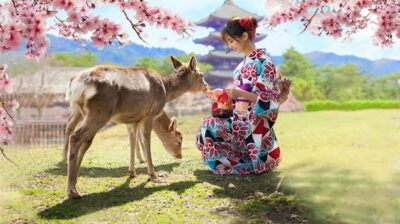
- Ukimido pavilion at a pond in Nara Deer Park, where the deer feel like part of the scenery
- Kofuku-ji five-story pagoda stop, finishing with classic Nara temple architecture
- Live Spanish guidance that keeps the route organized and the meaning of each stop clear
Meeting at Kintetsu-Nara Station and how the walking pace works
The day begins at Kintetsu-Nara Station, exit 5. That matters more than you might think, because Nara highlights can spread out, and a good start point helps you avoid the usual first-15-minutes chaos.
From there, you are walking the whole time. The activity is listed as involving some physical effort, and it is entirely on foot. That does not mean it is a grind, but you should plan for real walking on temple paths and around park areas. I would treat it like a solid half-day excursion, not a sit-and-ride sightseeing circuit.
You also have guided time at most stops, plus short scenic walks between them. The schedule includes breaks at Nigatsu-do and Ukimido, so you are not stuck continuously moving for the full five hours. Still, come prepared: comfortable clothes and comfortable shoes are the main rule.
One more practical note, baby strollers are not allowed, and the tour is not suitable for people with mobility impairments. If you are traveling with someone who uses mobility support, you should look for a different format.
You can also read our reviews of more guided tours in Nara

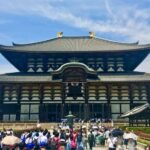
Todai-ji and the Great Buddha, why this is the anchor stop
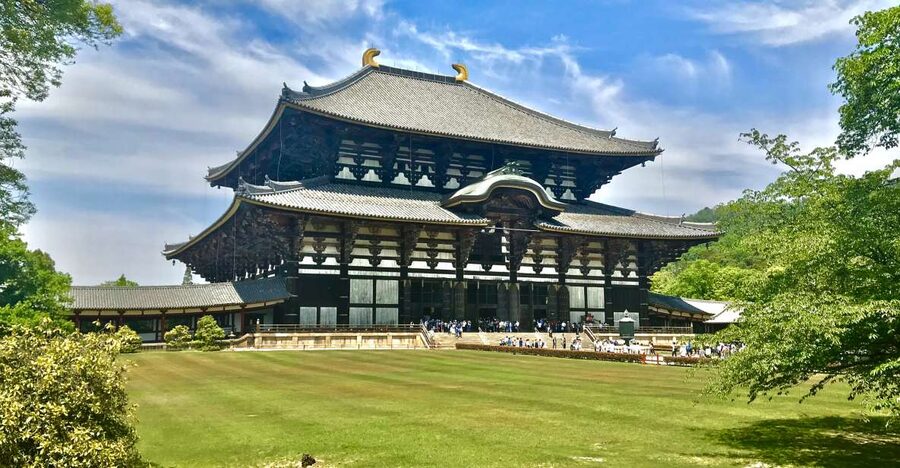
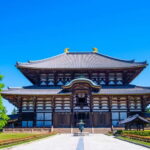
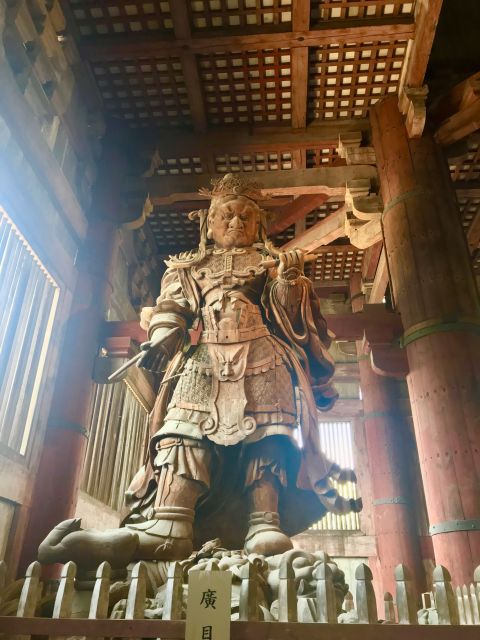
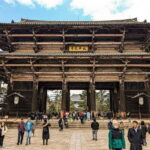
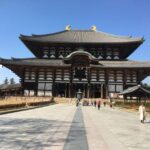
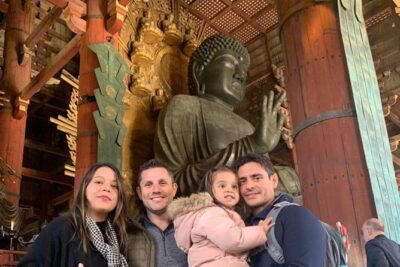
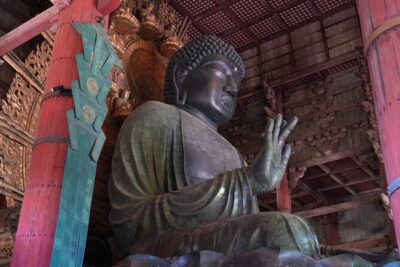
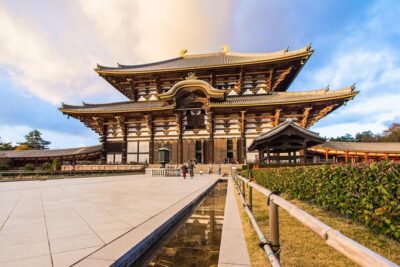
Todai-ji is the first big hit, and the reason is simple: the temple houses the Great Buddha statue, described as one of the largest religious figures in the world. You will not just see it, you get guided time there, with a mix of photo stop, guided tour, sightseeing, and walking.
What I like about doing Todai-ji early is that it sets your mental reference point for the rest of Nara. Once you have seen this scale in person, the smaller shrine details and lantern structures later in the day land with more meaning. The architecture also feels easier to read when you start with the main landmark.
During the Todai-ji portion, the schedule includes a wildlife viewing window. In practical terms, that means you should stay alert with your camera or phone, because animals are part of the Nara experience and not just a distant thought. The guide also helps you slow down at the right moments, so you do not rush through the parts that take the most effort to fully absorb.
Also, Todai-ji entrance is included. That is real value. It reduces friction on a day where you have multiple stops, and it lets you keep your attention on what you came for: the Great Buddha and the temple atmosphere.
Nigatsu-do (February Hall) for panoramic views and spring cherry blossoms
After Todai-ji, you move into Nigatsu-do, also known as the February Hall. This is where the day gets a bit more visual and less purely monumental. You get a guided experience here plus sightseeing and walking around the area.
The headline feature is the panoramic viewpoint. The schedule explicitly calls out city views, so you are going to get a different perspective on Nara, not just the flat front-of-a-temple postcard angle. If you like understanding where you are geographically, this is the stop that helps.
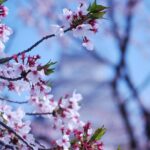
There is also a seasonal note: beautiful cherry blossoms in spring are highlighted as a thing you can admire from this perspective. So if you are visiting in warmer months, this is one of the best chances in the schedule to catch that extra layer of atmosphere.
A big plus for your energy: there is break time included during the Nigatsu-do stop. That helps if you started the day with nerves, jet lag, or a quick breakfast you regret. Use the break to drink water, reset your feet, and maybe reposition your camera for the view.
And yes, there is another wildlife viewing window during this segment too, so keep an eye out while you are moving between picture points.
Tamukeyama Hachimangu and Kasuga Taisha’s lantern forest mood
Next up is Tamukeyama Hachimangu. You will have guided tour time here with sightseeing and walking, plus a pass-by moment. The key value of this stop is not just the shrine name, it is the pacing. It breaks up the heavy Todai-ji scale, then sets you up for a totally different visual world in the next location.
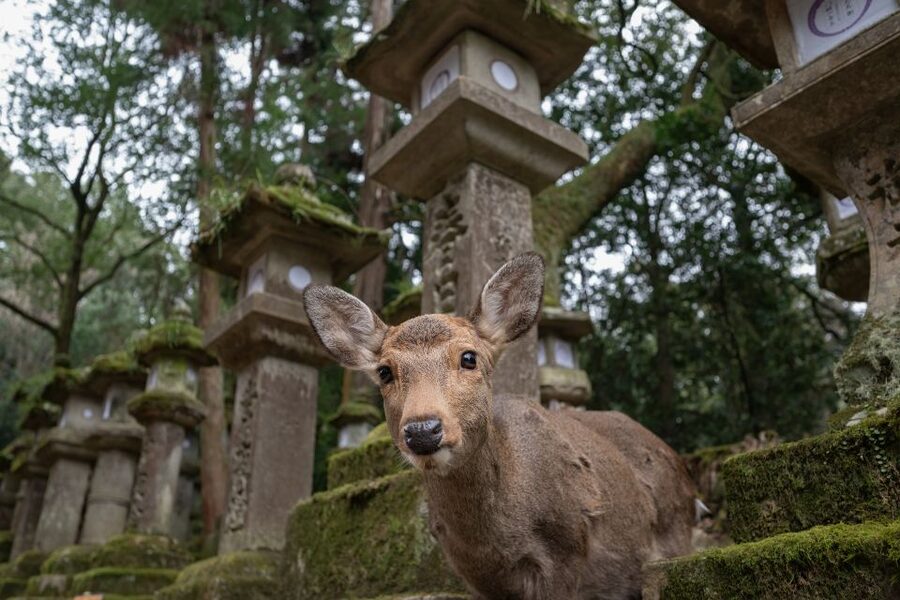
Then comes Kasuga Taisha, and this is one of the most memorable shifts of the whole day. Kasuga Taisha is known for its thousands of stone lanterns and its forested surroundings. That combo changes the feel immediately. Instead of one main object dominating the frame, you get layers of lightlike shapes and a canopy-like setting that makes the area feel calmer and more ceremonial.
You will be guided through Kasuga Taisha with sightseeing and walking. There are also wildlife viewing moments around the general area, so the deer presence can keep popping into your photos even while you are focused on lanterns and shrine details.
What I find practical here is that a guide helps you notice what matters. When lanterns are everywhere, it is easy to miss the overall composition. With direction, you can spend your time looking at the patterns and the setting, not just counting lights.
Nara Park and Ukimido: deer time in the pond pavilion
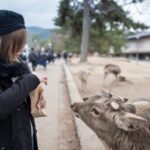
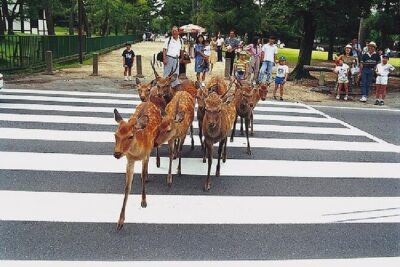
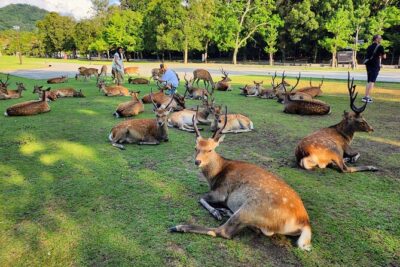
After Kasuga Taisha, the route moves through Nara Park, then to Ukimido. Nara Park is where the deer are impossible to ignore. Your schedule explicitly includes guided time around the park plus short pass-by moments and wildlife viewing windows. So you are not just walking past the deer, you are getting planned time to observe them.
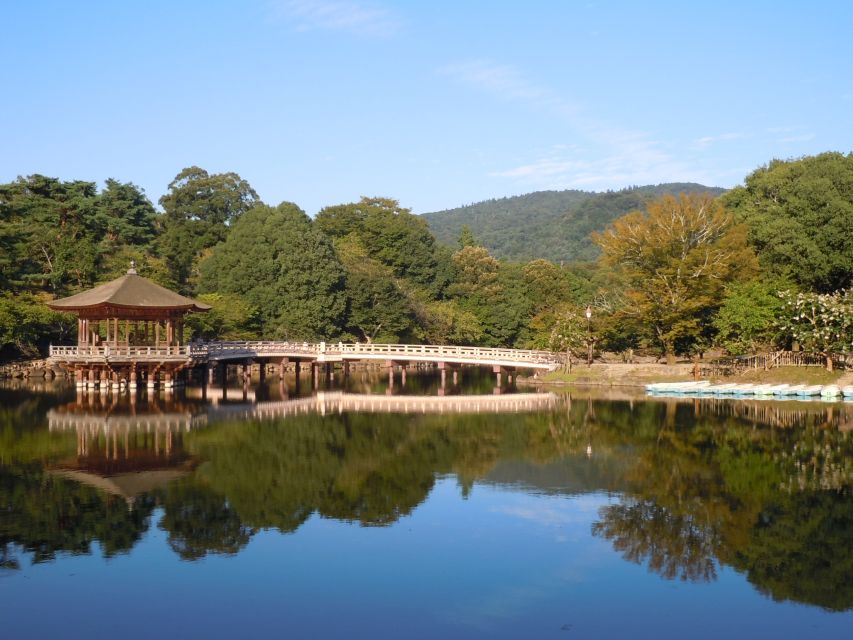
Then you reach Ukimido, a small pavilion in the middle of a tranquil pond in Nara Deer Park. This is the day’s calm break. The schedule calls out break time plus photo stop and sightseeing, with scenic views along the way and wildlife viewing during the stop.
The setting matters. A pavilion on a pond changes how you see everything. It gives you the chance to slow down, watch reflections or still water moments, and just enjoy the quiet side of Nara while deer are around as part of the scene.
One of the most interesting details here is cultural: the deer are described as divine messengers in Japanese culture. That does not turn the park into a theme park. It makes the deer feel like they belong to the place, not like random wildlife you are competing with for a photo.
If you want a mental balance to the giant Buddha and lantern forest, Ukimido is the stop that provides it. You finish the day calmer than you started.


Kofuku-ji and the five-story pagoda way to close
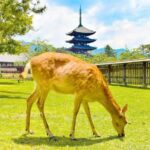
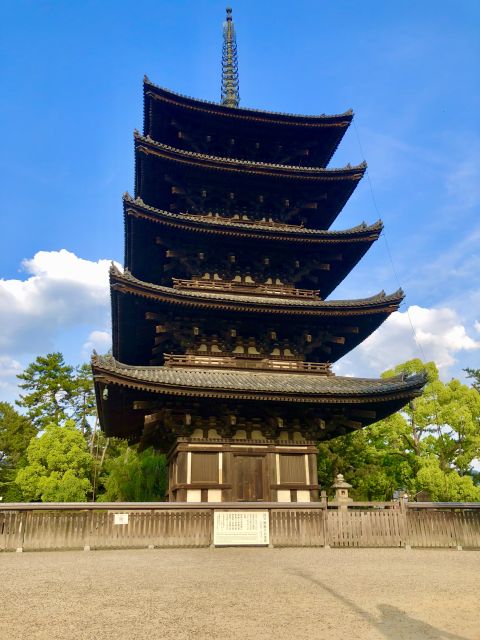
Kofuku-ji is the final major stop before returning to Kintetsu-Nara Station. This historic temple is known for an impressive five-story pagoda. You get a photo stop here, plus a guided tour and sightseeing with walking and pass-by moments.
Why end here? The five-story pagoda is a classic Nara visual, and it works as a strong capstone after your other big experiences. Todai-ji gives you the massive Great Buddha presence. Kasuga Taisha gives you lantern density in a forest setting. Ukimido gives you quiet pond-side atmosphere. Then Kofuku-ji ties it together with a temple landmark that feels built for long looks.
The Kofuku-ji segment also includes gardens and ancient structures, which matters because it gives you a chance to slow down and see temple space as more than a single photo location. Even if you only have 30 minutes at this final stop, guided attention makes the gardens and structures easier to appreciate rather than just rush past.
When you are ready, you head back to Kintetsu-Nara Station, ending the loop cleanly.
Price, value, and who this Spanish guide tour is for
The price is $85 per person for a 5-hour experience. That can look steep until you think about what you are actually getting: a live Spanish guide taking you to multiple major landmarks, plus guided time at each stop, plus the Todai-ji entrance ticket included.
This is one of those tours where the value is not only in access. It is in the sequence and interpretation. Instead of spending your half-day bouncing between temples and figuring out what each place means, you get an organized route: Todai-ji, Nigatsu-do, Tamukeyama Hachimangu, Kasuga Taisha, Nara Park, Ukimido, and Kofuku-ji. All of it is built around a walking loop that keeps you moving but not sprinting.
This tour is a great fit if you:
- want the major Nara hits in one day
- appreciate context from a live Spanish guide
- like photography, scenic viewpoints, and deer viewing time
- are comfortable walking for several hours
It is not the best fit if:
- you need mobility support, since the route is on foot and not suitable for mobility impairments
- you use a baby stroller, since strollers are not allowed
- you prefer a self-paced tour in your own language, since the guide is Spanish
Should you book the Todai-ji and Nara Park tour?
Book it if you want a structured, high-impact Nara day with a live Spanish guide, entrance handled for Todai-ji, and a route that balances the monumental with the peaceful. The standout pieces for me are the Great Buddha scale at Todai-ji, the panoramic viewpoint at Nigatsu-do, and the calm deer-and-pond moment at Ukimido.
Skip it or look for an alternative if your group needs step-free access or stroller-friendly routing, because the tour is entirely on foot and not suitable for mobility impairments, and baby strollers are not allowed.
One last nudge: bring comfortable shoes and plan on walking. If you do that, this half-day loop is an efficient way to see Nara’s big personalities, from lantern forests to a five-story pagoda finish.
FAQ
How long is the tour?
The tour duration is 5 hours.
Where do I meet the tour?
You meet at Kintetsu-Nara Station, exit 5.
What language is the live guide?
The live tour guide speaks Spanish.
How much does it cost?
The price is $85 per person.
What is included in the tour price?
You get guided tours for Todai-ji, Nara Park, Nigatsu-do, Tamukeyama Hachimangu, Kasuga Taisha, Ukimido, and Kofuku-ji. Todai-ji entrance is also included.
Is the tour mostly walking, and can I bring a stroller?
Yes, the route is entirely done on foot and involves some physical effort. Baby strollers are not allowed.
Can I cancel and pay later?
There is free cancellation up to 24 hours in advance for a full refund. You can also reserve now and pay later to keep your plans flexible.
More Guided Tours in Nara


More Tour Reviews in Nara
Not for you? Here's more nearby things to do in Nara we have reviewed



Nara Day Trips from Kyoto, compared.
 ★ 5.0World Heritage Kyoto & Nara Uji Authentic Matcha ExperienceFrom $1291,573 reviews
 ★ 4.7Kyoto/Osaka: Nara, Fushimi Inari Taisha, Arashiyama Bus TourFrom $521,275 reviews
 ★ 5.0Nara Half Day Trip Walking Tour (Private Option Available)From $105937 reviews
 ★ 4.4Osaka/Kyoto: Arashiyama, Nara & Fushimi Inari Shrine w/LunchFrom $61754 reviews
 ★ 5.0Nara Early Morning Tour (Kyoto or Osaka Departure Available)From $61676 reviews
 ★ 4.5Kyoto and Nara Day Trip from KyotoFrom $194445 reviews
 ★ 5.0Full Day Guided Tour to Kyoto and Nara from Osaka by VanFrom $106420 reviews
 ★ 4.5Nara Afternoon Tour from Kyoto or OsakaFrom $102390 reviews
Browse the lists this tour appears in