
Reviewed · KYOTO BUS & SIGHTSEEING TOURS
Perfect Nara Park Half-Day Bus Tour with English Speaking Guide
Nara can feel like a whirlwind, this tour keeps it focused. I love that you get a guided run through Todaiji Temple and Kasuga Taisha Shrine without having to figure out logistics between sites. I also like that the tour adds the fun, hands-on moment in Nara Park with rice-cracker feeding plus a deer fortune you can read in English. One thing to consider is that the schedule depends on conditions and walking time, and it is best suited to a moderate fitness level.
What makes this especially good for first-timers is the mix of world-famous sights and local rhythm. You start with the scale of Todaiji, shift to the shrine atmosphere at Kasuga, then finish up with views from Mt Wakakusa and deer time in Nara Park, all in about 4 hours. A possible drawback: lunch is not included, so you’ll want to plan your meal around the late-afternoon drop-off.
Key highlights that make this tour worth your time
- English-speaking guide throughout, including explanations that make shrine customs feel practical, not confusing
- UNESCO stops with admission included, so you spend your time seeing and learning, not lining up
- Deer fortune in English plus rice-cracker feeding, so you get a memorable Nara moment
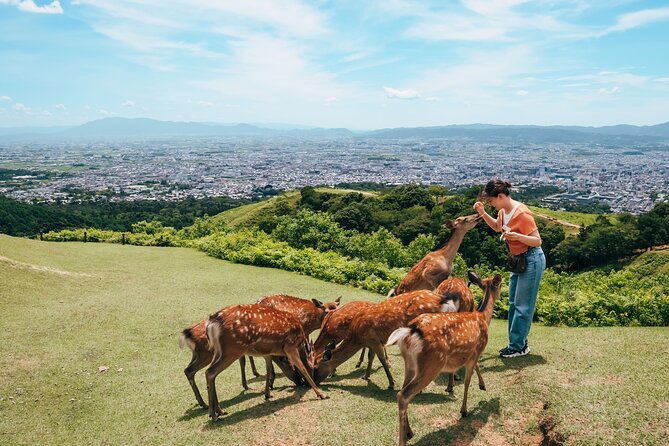
- Mt. Wakakusa summit viewpoint, giving you a big-picture view of the city from above
- Small group size, up to 25, which keeps questions from getting lost
- Nara-Yamatoji 2-Day Pass, a real bonus for using local buses after the tour
A 4-hour Nara circuit that hits the UNESCO must-sees efficiently
This is a half-day bus tour built for travelers who want the headline sites without turning the day into a puzzle. With a total duration of about 4 hours, it’s a smart move if you’re trying to see Nara while still keeping energy for the rest of your trip.
The structure is also helpful. You’re not bouncing around randomly; you visit major landmarks in a logical flow. That matters because Nara’s sights are spread out, and time can disappear fast when you’re paying for trains, buses, and walking distances back-to-back.
You’ll be on an air-conditioned vehicle with a guide who stays with you and shares context as you go. The group size is limited to 25, which usually makes it easier to ask questions and get help at stops, especially if you’re not fluent in Japanese.
One more practical note: you’ll use a mobile ticket and should be at the bus stop about 10 minutes early with your boarding pass. When a tour is tight on time, that small step helps everything run smoothly.
You can also read our reviews of more guided tours in Nara
Todai-ji Temple and the Great Buddha Hall: what to focus on
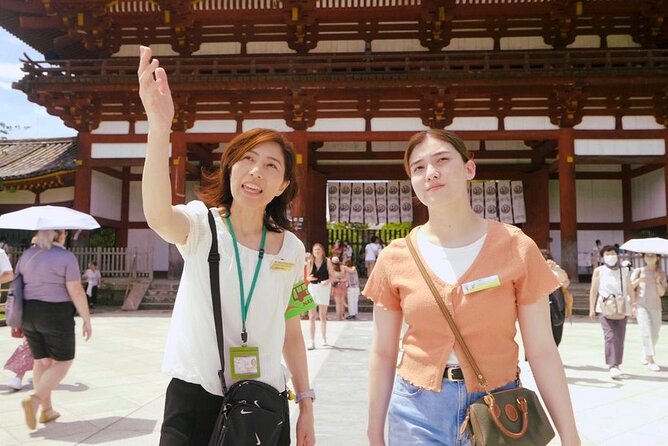
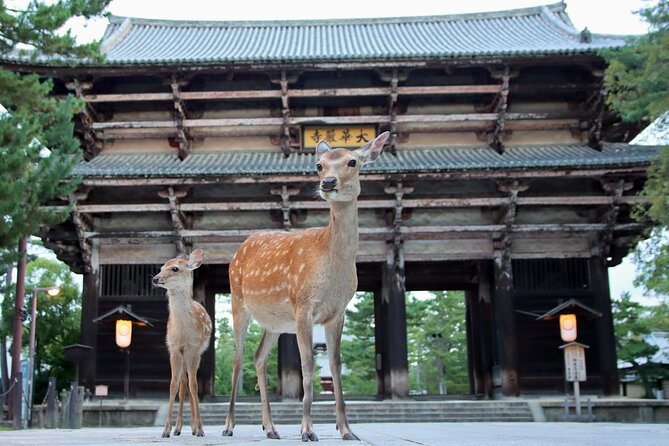
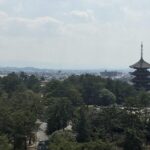
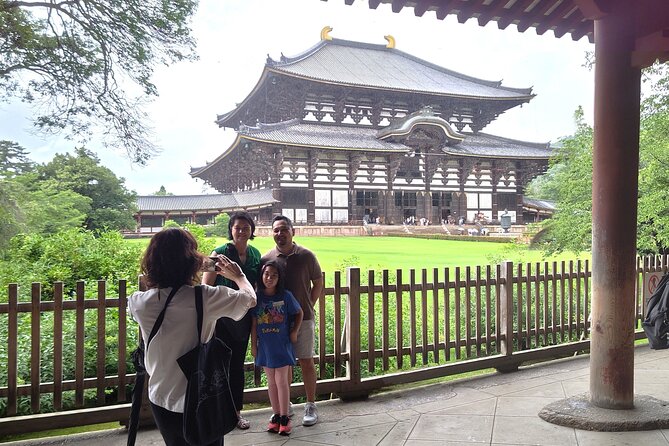
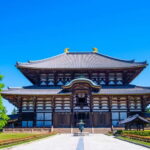
Todai-ji Temple is the kind of place that makes you pause even if you’ve seen photos before. The big draw here is Nandaimon Gate and the Great Buddha Hall, with admission included, so you can go straight into the experience.
Expect about 1 hour and 10 minutes at Todai-ji. That might sound short, but it’s a workable window because the guide can point you toward the essentials fast. Instead of wandering and wondering what matters most, you get a guided path through the major sights.
Here’s how to get the most value out of that time. First, give yourself a moment at the major gates and halls before you start reading details. You want your brain to register scale, then the information clicks faster. Next, ask your guide questions as you go, because shrine and temple etiquette in Japan can have small rules that are easier to learn in the moment.
This stop is also where the guide’s English really pays off. The reviews highlight that the guide explains things clearly and can help you understand what you’re seeing. I like tours where you can ask, then immediately apply the answer, and this one fits that style.
Kasuga Taisha Shrine: deer fortunes and a calmer kind of wonder
Kasuga Taisha Shrine is the quieter counterpoint to Todaiji. The atmosphere feels different right away, and that shift is exactly why this stop matters. You get about 1 hour here, with admission included, and you’ll visit the main shrine.
The standout detail is the deer fortune experience. You can draw a deer fortune at the main shrine, and it’s described as having an English version. That means you are not stuck with a mystery slip of paper. It also turns a sightseeing stop into an interactive moment you can actually use.
This is the kind of stop where guidance helps. Shrine etiquette can be confusing when you’re new, especially with timing and where to stand. A good English guide keeps you oriented, and the tour is designed for that, not for you to figure everything out alone.
Also, the time is well matched. An hour is long enough to absorb the mood and do the fortune, but short enough to avoid turning the day into a shuffle of half-finished experiences. If you’re the type who likes a calm pause in your itinerary, this is your moment.
Kasugayama Primeval Forest and the Nara Okuyama Driveway stop
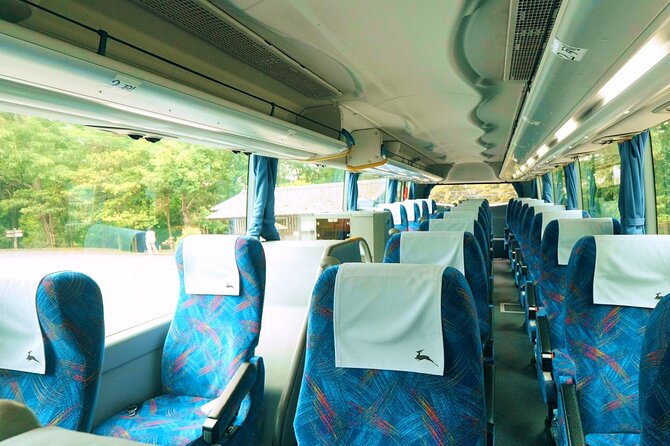
Between the big shrine moments and the mountain viewpoint, you’ll also pass through an area tied to the Kasugayama Primeval Forest, listed as a World Heritage Site. The stop is described as the Nara Okuyama Driveway located within that primeval forest region.
This segment can be a nice breathing space. Even if your main memories will be Todaiji, Kasuga, and the deer, the forest context helps Nara feel like more than just temples on a checklist. It also gives your feet a break between stops, since the tour is bus-based.
That said, the data you’re given doesn’t list a detailed duration for this specific stop. So treat it as a short, scenic add-on rather than a full hike. If you want serious nature time, you might still plan an extra walk on your own elsewhere in Nara, but this stop gives you a taste without stealing too much of your half-day.
Mt. Wakakusa summit views, then rice crackers and deer in Nara Park
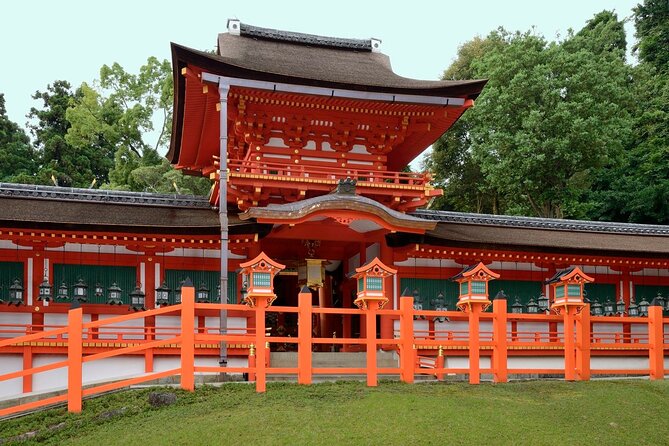
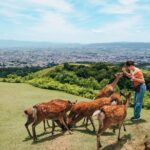
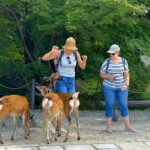
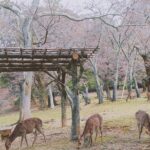
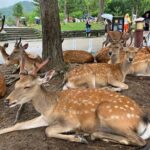
Mt. Wakakusa is where the tour earns a big share of its fun factor. You go to the summit for panoramic views of Nara, and you’ll then spend time in Nara Park, feeding deer with rice crackers. This is one of those experiences that feels silly at first, then ends up being one of your favorite photos.
You get 40 minutes for this part. That’s enough time to enjoy the view, do the deer feeding, and not feel rushed into the next bus departure. If you’ve got photo gear, this is the time to use it, but keep your expectations realistic. Nara Park deer are friendly, yet the experience still moves with human flow and safety rules.
A practical tip: keep your crackers ready and follow your guide’s cues. Deer can approach quickly, and you’ll have a much better time if you let the guide manage the sequence rather than improvising.
This is also where your guide can make the experience smoother. The reviews mention that the tour is interactive, with explanations that make the customs feel doable. When deer feeding is part of a structured tour, it tends to be more comfortable for first-timers, especially if you’re unsure how close to get or when to move.
More Kyoto temple visits, food tours, tea experiences, and day trips to compare
Price and what you really get for $66.05
At $66.05 per person for about 4 hours, this tour is priced like a convenience package plus value-added experiences. You’re not just paying for transport and a guide. You’re also getting entrance and viewing fees for the listed sites, plus the deer-related extras.
Here’s what is included that affects value:
- English Guide
- Temple entrance and viewing fees
- Deer fortune paper fee and deer cracker fee
- Air-conditioned vehicle
- Consumption tax
- Nara-Yamatoji 2-Day Pass
Lunch is not included, so you’re responsible for that cost. If you plan to eat right after the tour, you may spend a bit more than you expect. Still, the price is strong for what it covers, especially if you would otherwise buy separate tickets for major attractions and scramble for transit between them.
Who is this best for? I’d put it in the sweet spot for:
- First-time visitors to Nara who want UNESCO highlights
- People who prefer guidance, context, and an organized pace
- Small groups who do not want to plan and book multiple legs of transport
- Travelers who want the deer experience but do not want to guess how to do it safely and smoothly
Comfort, group size, and how the timing feels in real life
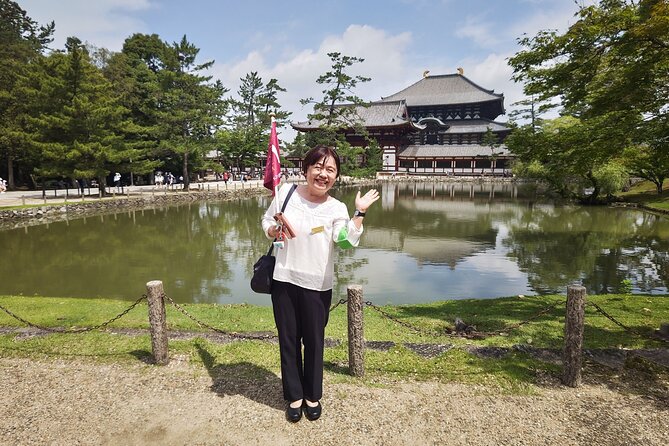
The tour runs with a maximum of 25 travelers, which is usually a comfortable size for a guided bus outing. You can hear instructions, and you’re not stuck waiting behind a huge crowd when it’s time to enter major sites.
Timing is clearly built into the plan. You’ll spend about 1 hour 10 minutes at Todai-ji, 1 hour at Kasuga Taisha, and 40 minutes at Mt. Wakakusa and Nara Park. That adds up to most of your time, while transit and brief breaks fill the remaining gaps.
There is also a late-afternoon arrival flow. You’re scheduled to arrive near Kofukuji at 16:20, then drop off at Kintetsu Nara Station around 16:25, with additional rail drop-off at JR Nara Station later in the same window. In plain terms, you’ll have enough time afterward to go eat, shop a little, or connect to your next plan.
One more practical expectation: the tour requires good weather. If conditions are unsafe, the provider may adjust, suspend, or switch dates. So build a little slack into your Nara day, especially if you’re traveling during rainy or variable seasons.
The Nara-Yamatoji 2-Day Pass bonus you can use right away
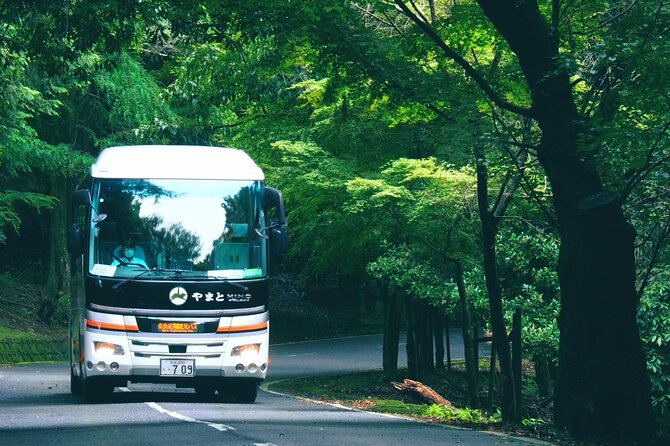
The tour includes a Nara-Yamatoji 2-Day Pass plus an original handkerchief. The pass is described as allowing unlimited rides on local buses within the designated area for two days.
This is more than a nice extra. It can cut down on your decision fatigue after the tour. Once you’ve finished your half-day itinerary, you still might want to explore neighborhoods or hop between sights without paying for every ride again.
If you’re a traveler who enjoys local buses for short jumps, this bonus is especially helpful. If your plan is to stick to one walkable zone after the tour, you might not use the full value, but you’ll still get something you can likely apply during your next day in Nara.
Should you book this Perfect Nara Park half-day bus tour?
I’d book it if you want a clean, guided hit list of Nara’s top experiences in a tight time window. The big selling points are the English-speaking guide, the UNESCO visits with admission included, and the hands-on Nara Park moment with deer feeding plus an English deer fortune.
I would hesitate if you are traveling with very specific interests that require lots of independent time, or if you strongly prefer to eat without planning around a fixed tour return window, because lunch is not included. Also, if weather is unpredictable when you’re in town, have a backup plan for how you’ll handle a possible date change.
Overall, this is a practical choice for first-timers who want less stress and more meaning per hour.
FAQ
What places does this tour visit?
You’ll visit Todaiji Temple (including Nandaimon and the Great Buddha Hall), Kasuga Taisha Shrine (main shrine), the Nara Okuyama Driveway in the Kasugayama Primeval Forest area, and Mt. Wakakusa with time in Nara Park to feed deer.
How long is the tour?
The tour is listed as about 4 hours total.
What is included in the price?
The price includes an English guide, temple entrance and viewing fees, deer fortune paper fee, deer cracker fee, consumption tax, and the Nara-Yamatoji 2-Day Pass. The tour also uses an air-conditioned vehicle.
Is lunch included?
No. Lunch is not included.
Do I need good weather for this experience?
Yes. The experience requires good weather, and if it is canceled due to poor weather, you’ll be offered a different date or a full refund.
How big is the group and will I have time at each stop?
The maximum group size is 25 travelers. The itinerary includes 1 hour 10 minutes at Todai-ji, 1 hour at Kasuga Taisha, and 40 minutes for Mt. Wakakusa and Nara Park time.
More Guided Tours in Nara
More Tours in Nara
More Tour Reviews in Nara
Not for you? Here's more nearby things to do in Nara we have reviewed


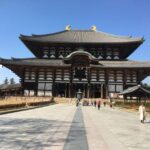
Kyoto Bus & Sightseeing Tours, compared.
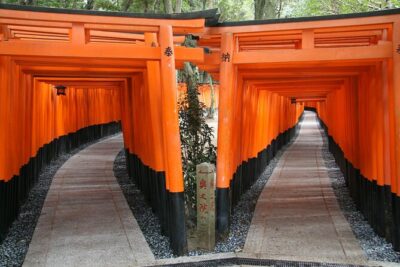 ★ 5.0PERFECT KYOTO 1-Day Bus TourFrom $12913,518 reviews
 ★ 4.8Fushimi Inari, Kinkakuji, Bamboo Grove 1 Day Bus TourFrom $1224,316 reviews
 ★ 4.9Best of Kyoto: Gion, Geisha, Pagodas & CobblestonesFrom $242,058 reviews
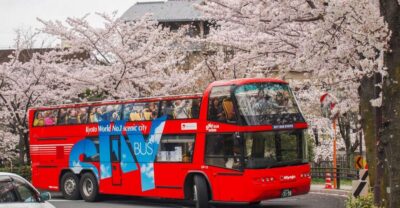 ★ 3.9Hop-on Hop-off Sightseeing Bus TicketFrom $272,034 reviews
 ★ 5.0Private Kyoto Tour with a Local, Highlights & Hidden Gems, PersonalisedFrom $1021,543 reviews
 ★ 4.7Kyoto/Osaka: Nara, Fushimi Inari Taisha, Arashiyama Bus TourFrom $521,275 reviews
 ★ 5.010 Must-see Spots in Kyoto One Day Private Tour (up to 7 people)From $1791,108 reviews
 ★ 4.5One-Day Tour of Kyoto’s Highlights from Osaka/KyotoFrom $661,092 reviews
Browse the lists this tour appears in