
Reviewed · KYOTO CRAFT & CALLIGRAPHY WORKSHOPS
Osaka: Kyoto Highlights Tour and Pottery Workshop Experience
One-day Kyoto can feel like a whirlwind. This driver-guided share tour strings together Kiyomizudera and Fushimi Inari with a hands-on pottery stop in between, all starting from Osaka. It is a good way to see multiple big-name sights without spending your whole trip planning trains and timing.
I like two parts most: the chance to make your own ceramics at Zuiko-gama Kiln, and the fact that you still get dedicated time at each Kyoto highlight. The pottery piece is practical too, because you choose glazes and your item gets fired, so you are not just watching from the sidelines. The likely downside is how the day runs, because it is more transport plus basic introductions than a deep, English-forward guided lecture.
If you care a lot about history commentary, or if you are sensitive to vehicle comfort and crowd flow, you should go in with realistic expectations for a share tour setup. Some departures can feel more self-guided between short guide moments, and English support may be limited depending on the group.
Key things to know before you go
- You are buying access to Kyoto highlights plus a studio session, not a full-day specialist history tour.
- Kiyomizudera and Fushimi Inari each get real walking time, so you can experience the sites, not just pose and leave.
- Pottery is hands-on at a 150-year-old kiln, using an electric wheel with guidance for beginners.
- Kinkaku-ji and Kiyomizudera entry tickets are not included, so budget for temple fees on the day.
- Lunch is free time, which is great for flexibility, but you will be on your own for food choices.
- Drop-off includes Shinsaibashi-suji, so you can pivot straight back into Osaka evening plans.
One-day Kyoto for about $116: what this tour really sells
At $116 per person for a 10-hour day, the value is not the speeches, it is the logistics. You get roundtrip transportation from Osaka, an air-conditioned vehicle, and time-blocks for multiple Kyoto icons, plus a pottery workshop entrance ticket. For many people, that is the trade: convenience and structure in exchange for less in-depth guiding.
Think of it as a greatest-hits sampler with a craft break. You will hit Kinkaku-ji, then Kiyomizudera area, then Fushimi Inari, with Gion and the traditional slopes of Sannenzaka and Ninenzaka added in. The pottery stop is the most memorable “hands on” moment of the day because you leave with a fired ceramic item you can ship later.
More Kyoto temple visits, food tours, tea experiences, and day trips to compare
Meeting in Osaka: Nipponbashi Exit 2 and pickup timing
The tour starts at 08:30, meeting at Nipponbashi Exit 2 in Osaka (1-chome-3-6 Nipponbashi, Chuo Ward, Osaka, 542-0073). Your guide will be holding a yellow flag, which makes it easier to spot the group.
If you want a pickup, it is optional for most of Osaka around the Osaka Loop Line, but the tour requires at least two people for pickup. In either case, you should arrive about 10 minutes early to avoid delays. Food and drinks are not allowed in the vehicle, so plan water breaks on the stops instead.
The ride to Kyoto: when “share tour” shows up
You travel by bus or coach, with about 1 hour scheduled for the outbound run. This is not a private van where you can ask questions one-on-one. Expect a group rhythm: travel, short orientation, then free time inside the attraction areas.
That can be great if you like to move at your own pace and you do not need a lot of narration. But if you want constant commentary, you may feel the gaps between short guide segments. Also, parking is sometimes tricky in busy areas, so you might be dropped a short walk away from a location rather than at the exact entrance.
Kinkaku-ji in 60 minutes: Golden Pavilion photo strategy
Kinkaku-ji, the Golden Pavilion, is one of the most recognizable UNESCO World Heritage sights in Japan. This tour schedules 60 minutes for photo opportunities, visiting, and general sightseeing around the temple grounds.
What to do with your time:
- Focus first on the main pavilion views so you get the classic photos before the light changes.
- Use the gardens and viewpoints for a second round of photos, especially if the crowd density shifts.
- Keep moving, but do not sprint. The timebox is tight, and the best temple experience comes from slowing down for a couple of angles.
One practical note: Kinkaku-ji admission is not included. Adults pay JPY 500 (children JPY 300). If you are planning to pay on the spot, have cash ready so you do not lose time in line.
Kiyomizudera area: wooden-stage views and narrow-street charm
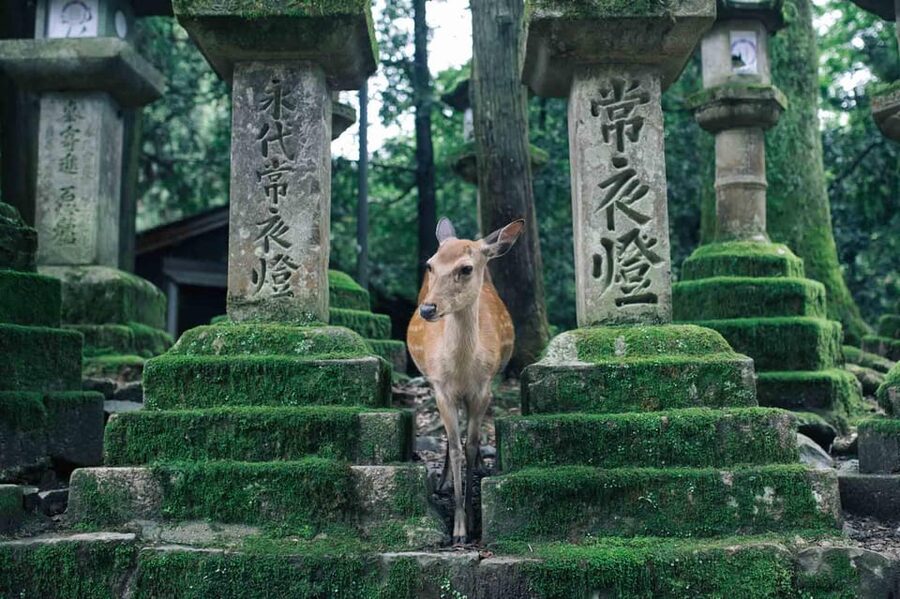
After Kinkaku-ji, the schedule moves into the Kiyomizudera area, with about 170 minutes allocated there. This is one of your most important stretches of the day because it mixes a major temple with the surrounding lanes that make Kyoto feel like Kyoto.
Kiyomizudera itself gets about 2 hours for break time, free time, and wildlife viewing time. The highlight here is the wooden stage and sweeping viewpoints, a signature for anyone who wants that postcard perspective from inside an old temple complex. If you prefer calmer photos, go a little earlier within your time slot and be ready to work around crowds.
Do not forget the entry ticket is also not included. Adults pay JPY 400 (children JPY 200). For this portion, it helps to carry the ticket quickly and keep moving so you do not disrupt your group timing.
Zuiko-gama pottery at a 150-year kiln: what you actually make
This is the most hands-on part of the day. Your schedule sets you at Zuikou Kyoto-Kiyomizu Studio for about 1.5 hours including break time, and within that you get 40 minutes for the pottery experience at Zuiko-gama Kiln.
This workshop connects to Kyoto’s famous pottery tradition, with the session styled as Kiyomizu-yaki. The best thing about the setup is how beginner-friendly it is: you can use the electric wheel with guidance, and you are not required to come in knowing pottery.
What you can do during your session:
- Choose from multiple glazes, such as white, lemon, or candy colors.
- Create your own ceramic piece during the wheel time.
- Have your work fired after the session.
What to budget for the souvenir:
- The pottery fee covers the session itself (wheel use and guidance).
- Shipping costs to your country are not included, and customs or import fees may apply depending on where you live.
- Those extra costs vary by destination and quantity, so you should expect to pay separately if you want it sent home.
If you have ever bought a small ceramic souvenir in a shop, this feels different because you get to control the colors yourself. It also breaks up the long walking day, which is useful if you want one activity that feels active instead of just sightseeing.
Gion and the slopes: short stops that still feel like Kyoto
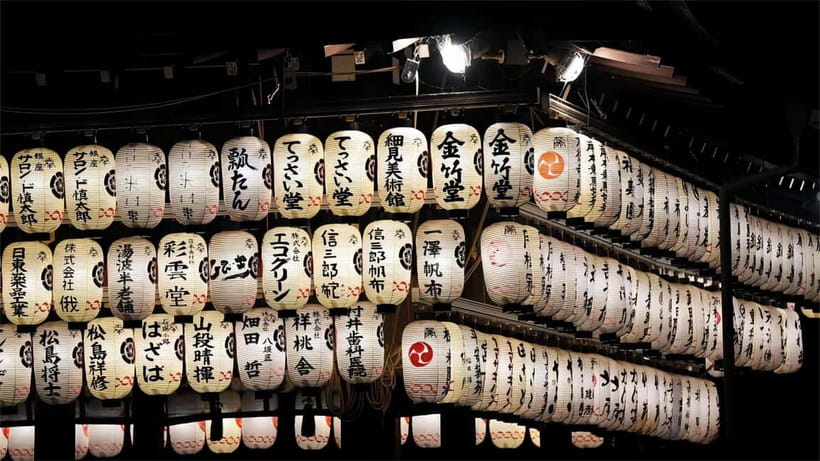
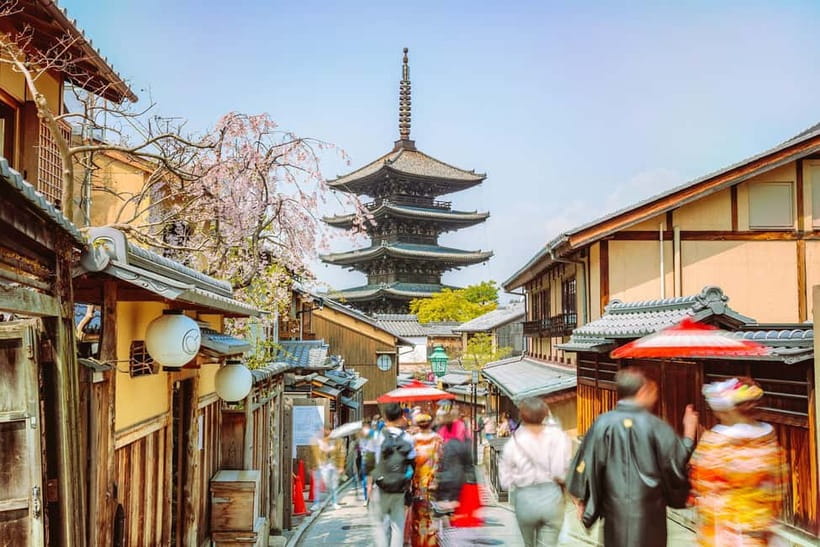
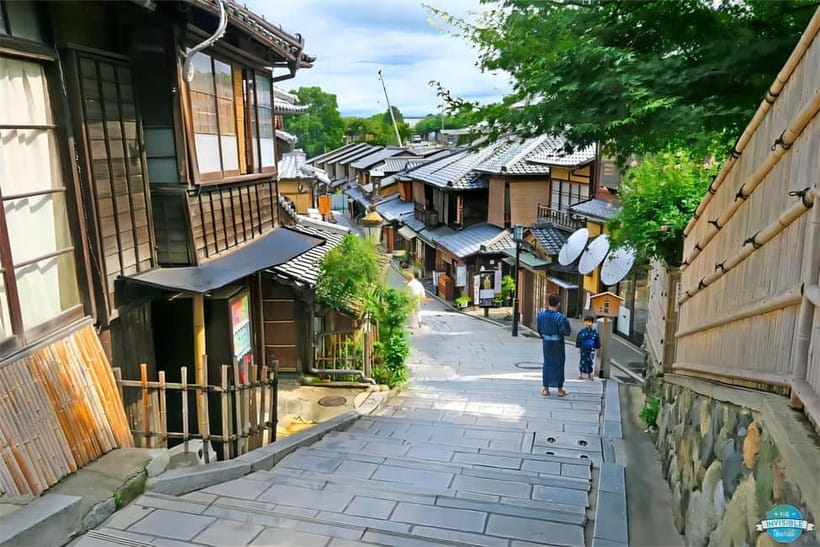
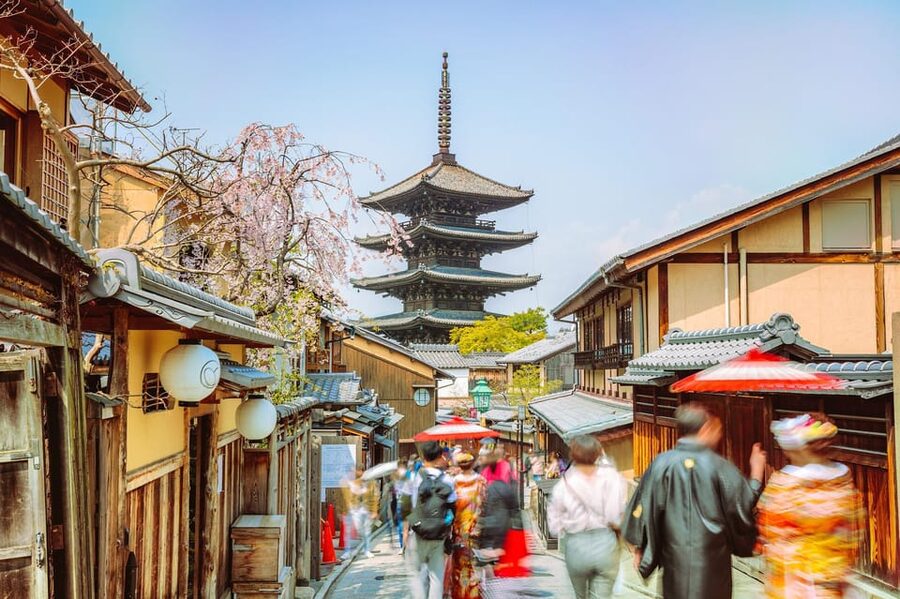
After Kiyomizudera and the pottery break, the itinerary brings you through Kyoto street scenes that are famous for a reason. You get a Gion photo stop and a 30-minute window for visit and free time, plus quick access to Ninen-zaka and the Sannenzaka area as you wander.
In practical terms, this is where you slow down for sensory stuff: shopfronts, traditional lanes, and snack moments if you want them. Lunch is listed as free time, so you can choose what fits your appetite and budget without the tour making a group meal call.
Because time is tight, pick one or two lanes to savor rather than trying to see every corner. I suggest doing a quick sweep for photos first, then returning to the lane sections that have the shop windows or craft displays you like most.
Fushimi Inari Taisha: torii gates time and wish plaques
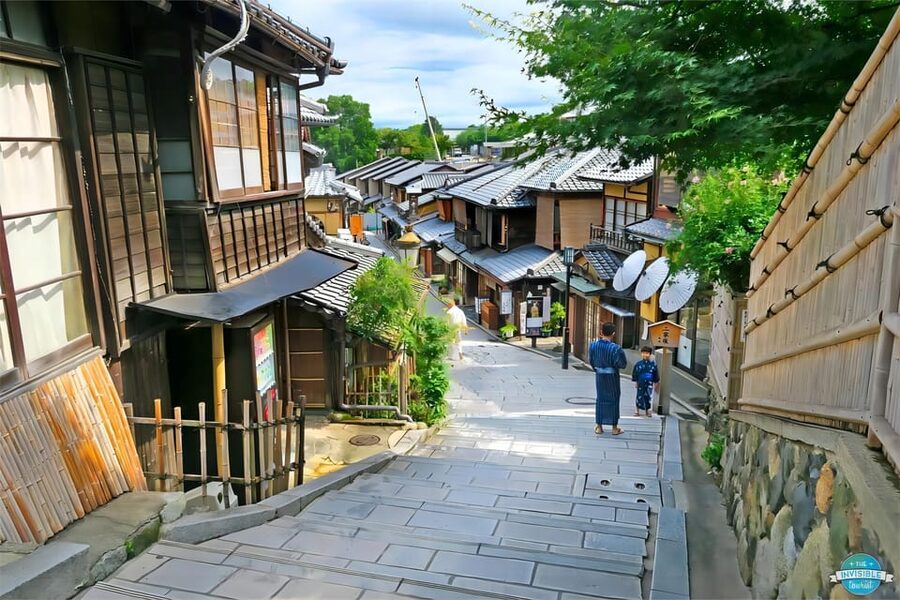
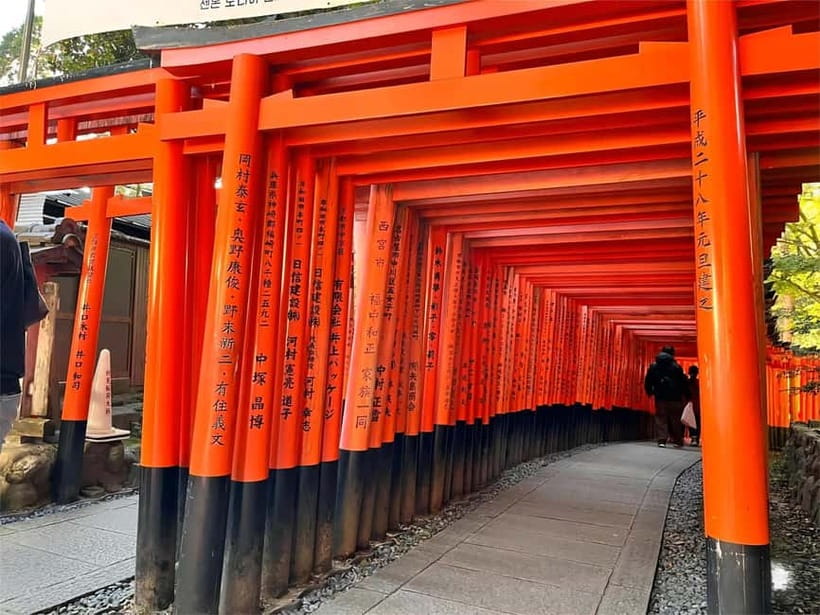
Fushimi Inari Taisha is the iconic torii tunnel experience, and this tour gives you about 80 minutes (listed as around 1 hour in the overall schedule). That is enough time to walk the torii-lined path, pause for photos, and still come back before your group timing gets tight.
This stop is also where you will likely notice how your “share tour” pacing matters. The gates are spread out, and the more you stop for photos and side paths, the more quickly your scheduled time disappears. If you want the full feeling of the torii sequence, commit to a steady pace and save any deep exploration for a return trip.
Cultural touches included in the experience:
- The tour introduces the shrine complex and the fox theme (fox deities).
- You can write wishes on unique fox-shaped ema plaques, which adds a playful ritual moment to the walk.
If you want to get your best photos, look for angles that show repeating gate layers rather than only close-up signage. And wear shoes you trust, because the path is a lot of walking.
Coming back to Osaka: Shinsaibashi-suji and Dotonbori dinner plans
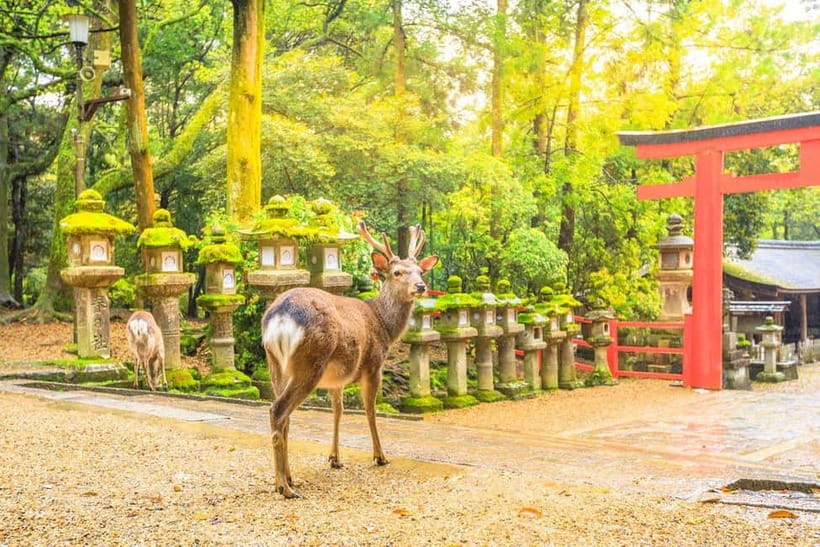
The return to Osaka is scheduled to land around 17:10, with drop-off in Shinsaibashi. This is ideal if you want an evening without planning a second commute.
Since Shinsaibashi-suji Shopping Street is mentioned as part of the tour’s payoff, I treat this as your buffer zone for gifts, snacks, and dinner. If you are continuing toward Dotonbori, keep your energy for the evening walking, because you have already done a full day of temple stairways and shrine paths.
Price and ticket math: where the real cost shows up
The headline price is about $116 per person for a 10-hour day. What you get for that price:
- Roundtrip transportation from Osaka
- Air-conditioned vehicle
- Multilingual guide and driver
- Toll and parking fees
- Pottery workshop entrance ticket
What you should add:
- Kinkaku-ji ticket: adults JPY 500, children JPY 300
- Kiyomizu-dera ticket: adults JPY 400, children JP 200
- Lunch is not included
- Pottery shipping and any customs or import fees are not included
This matters for value. If you were hoping the price covers every expense, it does not. But if you are comfortable budgeting for two temple entries and your shipping decision for pottery, the total can still feel fair for what you get: transport plus a structured itinerary that hits major sites.
Who should book this Kyoto highlights and pottery day
This is a good fit if you:
- Want a one-day sampler that covers Kinkaku-ji, Kiyomizudera, and Fushimi Inari without train planning.
- Are excited about doing pottery, not just buying a factory-made souvenir.
- Prefer free time inside attractions and you are happy with basic introductions rather than constant detailed guiding.
It might not be your best choice if you:
- Need extensive English narration the entire day.
- Expect a fully guided experience between every viewpoint.
- Are very picky about bus comfort and space, since this is a share-coach format.
Should you book it?
I would book it if you want structure and you are mainly after the big Kyoto sights plus a real workshop moment. The pottery at a 150-year-old kiln, with electric wheel time and glaze choices, is the strongest reason to consider this tour, especially because you can end the day with a personalized souvenir.
I would hesitate if your priority is deep historical context delivered continuously in English. The day is built around scheduled stops and independent time, and the guide support may be short and intermittent depending on what language and group setup is happening that day. If you fall into that group, you might get more satisfaction by hiring licensed guides on-site for the parts you care about most.
FAQ
What time does the tour depart from Osaka?
The tour departs at 08:30.
Where is the meeting point in Osaka?
Meet at Nipponbashi Exit 2 (1-chome-3-6 Nipponbashi, Chuo Ward, Osaka, 542-0073). The guide will be holding a yellow flag.
Is pickup available from hotels or BnBs?
Yes, pickup is optional for most of the Osaka area around the Osaka Loop Line, but it requires a minimum of two people.
What languages does the guide speak?
The live guide is available in Chinese, English, and Japanese.
Are the temple tickets included for Kinkaku-ji and Kiyomizudera?
No. Tickets are not included. Kinkaku-ji is JPY 500 for adults (JPY 300 for children). Kiyomizudera is JPY 400 for adults (JPY 200 for children).
How long is the pottery workshop, and is shipping included?
The pottery session itself is about 40 minutes (within a longer studio block). The session fee covers the workshop, but shipping is not included, and customs or import fees may apply.
How much time do you have at Fushimi Inari Taisha?
You get about 80 minutes for Fushimi Inari Taisha, which is also listed as around 1 hour in the schedule.
Where do you return to in Osaka?
The tour return includes drop-off in Shinsaibashi (Shinsaibashi-suji Shopping Street).
Can I cancel and get a refund?
Yes. You can cancel up to 24 hours in advance for a full refund.
More Workshops & Classes in Nara
More Tours in Nara

More Tour Reviews in Nara

Not for you? Here's more nearby things to do in Nara we have reviewed



Kyoto Craft & Calligraphy Workshops, compared.
 ★ 5.0Chopsticks Making Workshop in Gion with Engraving OptionFrom $15958 reviews
 ★ 4.8Authentic knife making experience at a blacksmith in KyotoFrom $154350 reviews
 ★ 5.0Calligraphy class at Buddhist temple in city centerFrom $55167 reviews
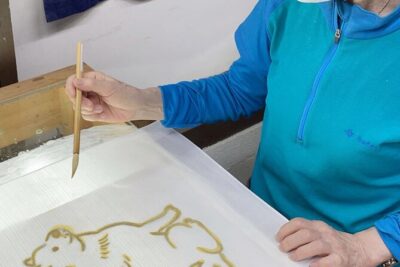 ★ 5.0Roketsu dyeing experience: M course Roketsu Dyeing ExperienceFrom $25163 reviews
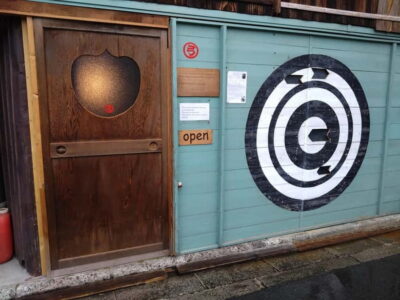 ★ 4.9Japanese Archery Workshop with Experienced InstructorFrom $38132 reviews
 ★ 4.8Japanese Calligraphy ClassFrom $5189 reviews
 ★ 5.0TAIKO, Japanese Drum Experience from KyotoFrom $11586 reviews
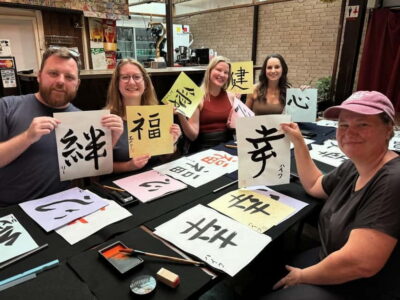 ★ 4.7Japanese Calligraphy WorkshopFrom $3284 reviews
Browse the lists this tour appears in