
Reviewed · KYOTO COOKING CLASSES
Nara: Cooking class, learning how to make authentic sushi
Sushi starts with vinegar, not fish. This Nara class gives you real hands-on training plus the chance to make and eat your own sushi with an English-speaking instructor. I also love how they explain the rice step carefully, because that is what makes sushi work at home, not just in class.
One thing to consider: the experience is listed as 90 minutes, but the full flow can run longer if you stay for the ceremony, photos, and wrap-up. So give yourself a little buffer in your afternoon plans.
Key Takeaways Before You Go
- You start with shari or sumeshi: the vinegar rice is the foundation, not an afterthought.
- Beginner-friendly setup: ingredients are already cut, so you can focus on technique.
- You can ask about fish cuts: if you want to level up beyond what’s prepared, you can.
- Dietary accommodations are planned: vegetarian, vegan, and Muslim-friendly menus are available, plus allergy options.
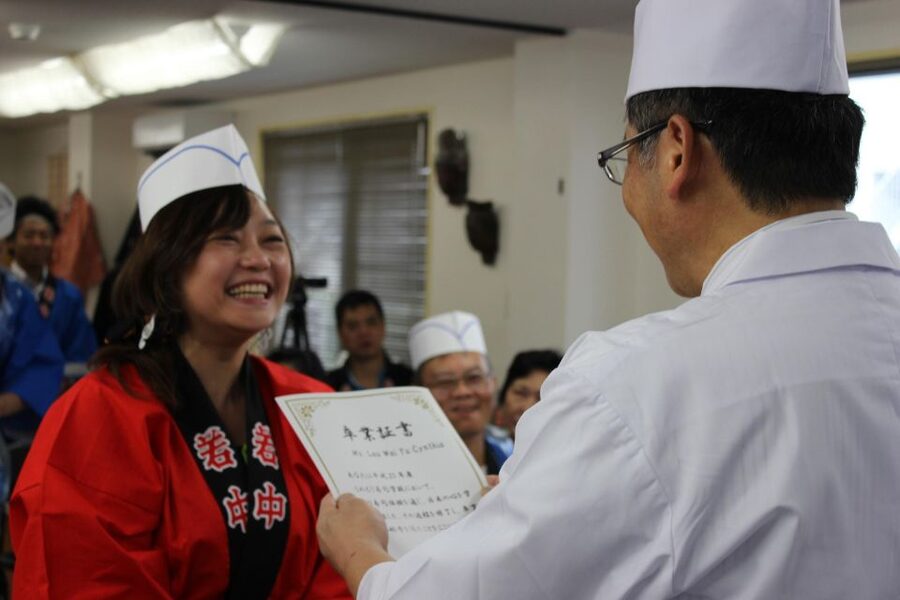
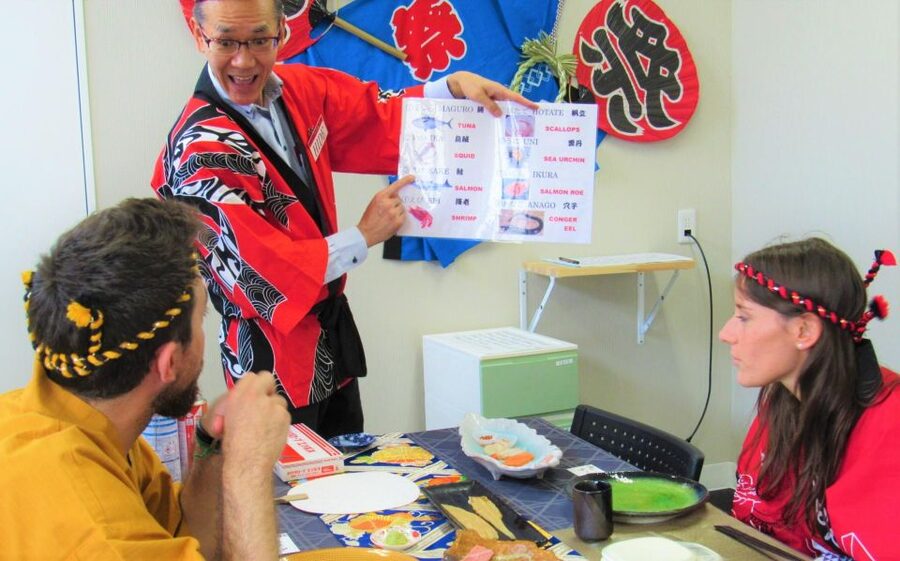
- You get culture, not just cooking: you dress in a rented happi and experience Japanese spirit-focused moments.
- You leave with proof and photos: completion certificate, graduation ceremony, and souvenir photography.
Getting There: The Shin-Omiya Station To Nara Loyal Hotel Walk
This class is easy to find if you follow the directions closely. Meet at the south entrance of Shin-Omiya Station on the Kintetsu Line. Turn right into the narrow street, walk until you see a railroad crossing, then turn right. The school is in front of the Nara Loyal Hotel and behind a parking area.
A practical tip: build in extra time for the walk the first time. Japan directions are usually clear, but narrow streets mean you should avoid rushing, especially if you’re carrying a camera bag or rental gear.
You can also read our reviews of more cooking classes in Nara
Your 90 Minutes Of Sushi Making, What Actually Happens
You’re signing up for a true how-to class, not a tasting. The goal is simple: you learn the techniques so you can make sushi in your home country afterward.
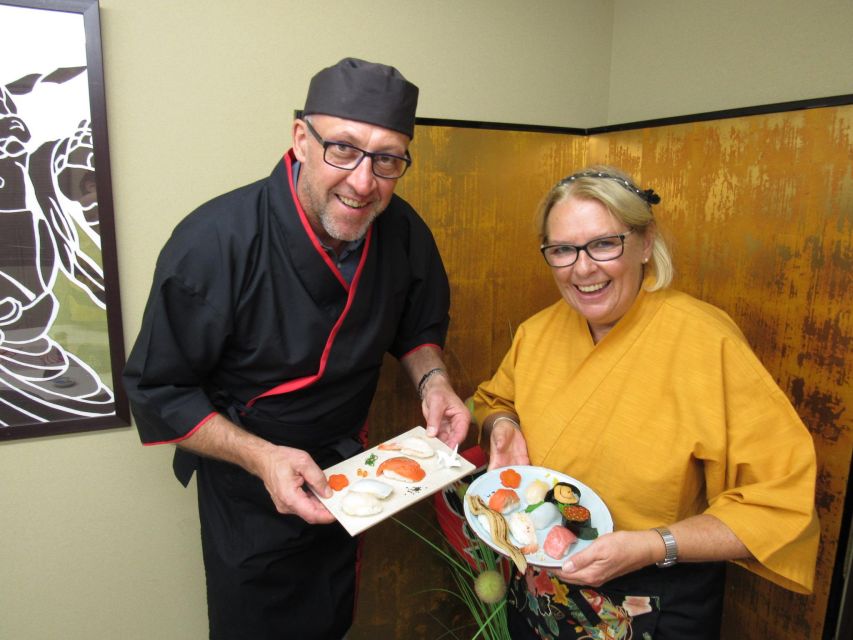
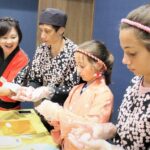
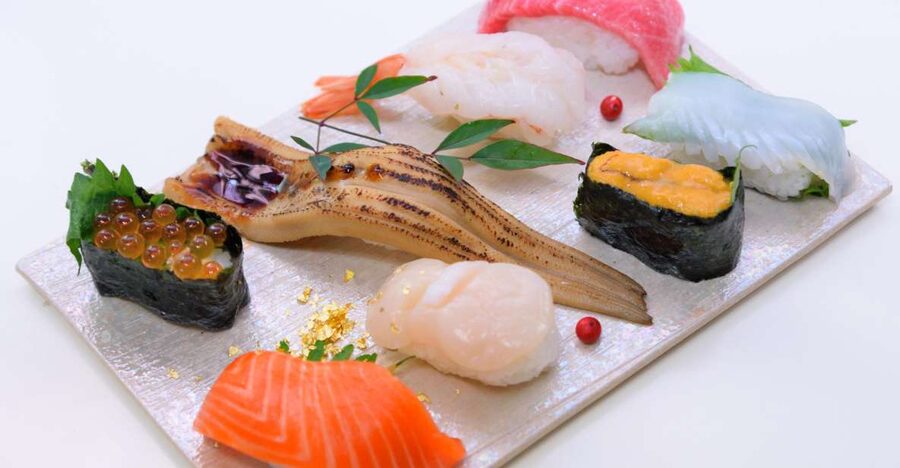
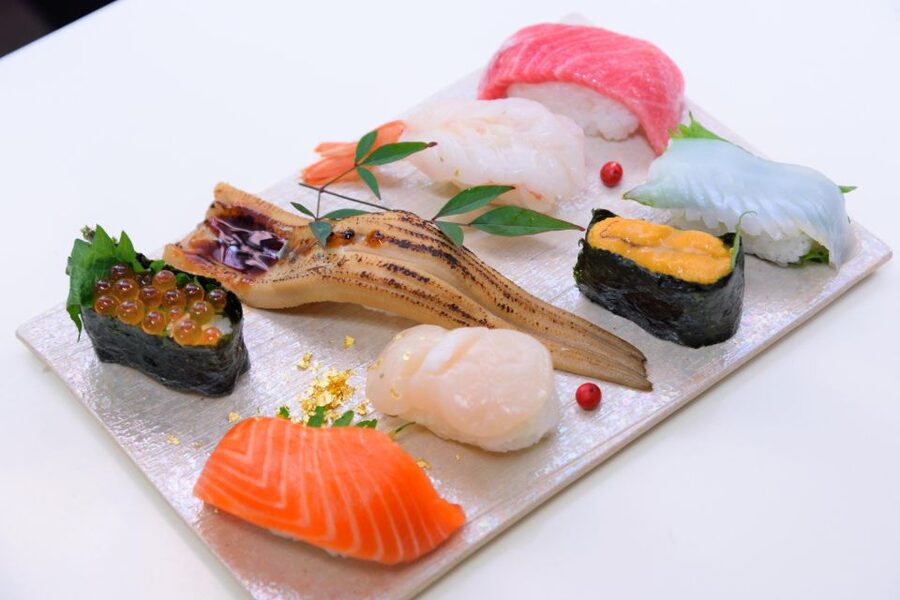
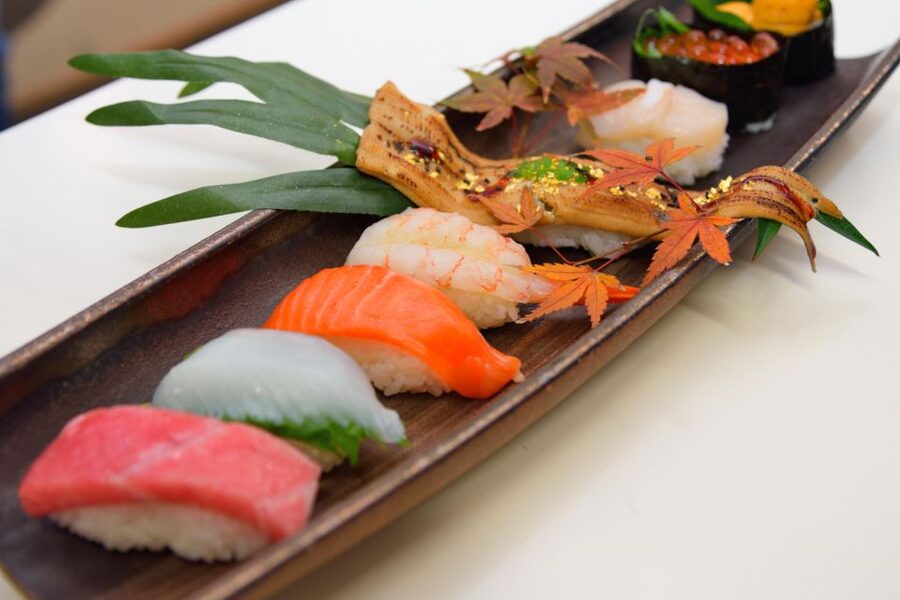
The structure is hands-on and step-based. You first get a lecture about sushi making, then you practice the key steps. By the end, you eat sushi you helped create, including 8 pieces. Seasonal variation is part of the deal, too, so toppings can change depending on what’s available.
One more timing note: the class includes ceremony elements, and some students may find that the day’s final minutes run past the 90-minute mark. If you have a tight reservation after, schedule it with breathing room.
The Happi Dressing Moment And The Japanese Spirit Portion
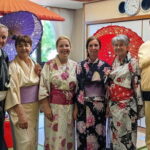
A big part of the experience is how they turn a kitchen lesson into something you remember. You can rent traditional Japanese cloth and choose from various options, and you’ll wear a happi during the class.
That costume piece matters more than you might expect. It makes the class feel ceremonial, and it helps you shift from casual tourist mode into, I’m here to learn mode. You also get an experience of Japanese spirits, which is presented as part of the sushi-making atmosphere and mindset, not just a history lecture.
If you like hands-on cultural activities, this is the part that gives the cooking class its personality.
The Most Important Skill: Shari, Or Sumeshi Vinegar Rice
If you take only one thing from sushi school, it should be rice. Here, they teach you how to make shari (sushi rice), also called sumeshi. You’ll mix sushi vinegar, made with a specially blended vinegar, into freshly cooked rice.
This is where many do-it-at-home attempts fail. The difference between good rice and disappointing rice comes from technique, especially in mixing. The course emphasizes there’s a trick to getting it right, and you’ll practice rather than just watch.
You should come in with the mindset that rice is the star. Once the rice is right, the rest becomes much easier: shaping, balancing toppings, and creating rolls that hold together.
Pre-Cut Ingredients, Pick Your Toppings, And Learn by Doing
One reason beginners feel comfortable here is that the ingredients are prepared in advance. Toppings are already cut, so you can focus on assembly and how to handle each topping.
You’ll also get to choose from a variety of toppings like green onion and ginger, and there are other topping options. The key idea is choice plus technique. You’re not just making one standardized roll.
They also mention that the course uses special ingredients you can taste in a way you can’t easily replicate at home, such as extra fatty tuna and sweet, almost creamy fresh red shrimp. That’s a real value point: you’re learning with higher-end ingredients that show you what sushi texture should feel like.
And if you want more than the basics, you can ask about fish cuts. That’s a smart option if you’ve done sushi at home already and you’re curious about how professionals handle portioning and cutting.
More Kyoto temple visits, food tours, tea experiences, and day trips to compare

From Rice To Sushi: Assembly, Portioning, And Eating What You Made
After the rice work, the class moves into assembly. You’ll build sushi so you understand the “why” behind the shapes, not just the final look.
The experience is designed so you can produce sushi even if you’re new. That matters because sushi technique is mostly about consistency: rice temperature, vinegar distribution, and topping placement. When ingredients are already pre-cut, you reduce variables and can learn what you need to learn first.
At the end, you eat what you made, and it’s 8 pieces of sushi. This is a satisfying part of the class because you immediately connect technique to taste. If something doesn’t go right, you notice it right away while the method is still fresh in your mind.
Allergies, Gluten-Free, And Food Options Without Stress
Food constraints can make classes stressful, but this one is set up to handle them. They say they can offer menus friendly to vegetarians, vegans, and Muslims, and there are allergy and other options available, including gluten-free.
That flexibility is a big deal in Japan. You want to enjoy the class instead of worrying about ingredients you cannot eat. If you have allergies, mention them when you book. The course specifically says they can adjust for allergies, and the class is structured so you don’t have to sit out the main cooking portion.
Also note what’s not in the default meal: drinks are not included. There is an optional warm udon menu, but it is not part of the included price, and other Japanese dishes like tempura, tofu, or pork shabu-shabu are not included.
What You Get Besides Sushi: Certificate, Photos, And Graduation Feel
Most sushi classes end when the food is gone. This one adds a closure moment.
Included in the experience:
- a certificate of completion
- a graduation ceremony
- souvenir photography
There’s also rental cloth and the chance to choose from different outfits. The photo setup and ceremony are part of what makes the class feel like an achievement, not just a meal.
The potential downside is time. If you have a hard stop after class, you might want to plan a little extra buffer so ceremony and photos do not collide with your next commitment.
Price And Value: Why $113 Can Be Worth It
The price is listed at $113 per person, and the value comes from a few specific things you’re paying for.
First, you’re paying for instruction that targets the sushi basics: vinegar rice technique and proper sushi assembly. Second, you’re paying for ingredients plus the convenience of having many elements prepared for beginners. Third, you’re getting the “experience package” that includes the happi rental, certificate, ceremony, and souvenir photos.
If you were to learn sushi solo, you would spend time figuring out rice ratios, vinegar blending, ingredient sourcing, and the little handling details. This class compresses that learning into a short session with real guidance and a meal built from your own work.
Is it expensive? Compared to a casual DIY meal, yes. Compared to buying ingredients plus trial-and-error lessons, it starts to feel like a fair deal.
Who Should Book This Class In Nara
This is a great fit if you want:
- a beginner-friendly sushi experience with structure
- a clear take-home skill for making sushi after you leave Japan
- cultural touches like dressing in a happi and participating in Japanese spirit moments
- an option for special diets and allergy needs
It might be less ideal if:
- you have zero flexibility after 90 minutes
- you want only the fastest possible lesson, without ceremony or photos
- you’re traveling with a child under 3, since the class is not suitable for children under that age
Also, if you’re sensitive to indoor environments, note that smoking indoors is not allowed.
Logistics And Practical Tips That Make The Day Easier
The school is located near public transportation, which is helpful if you’re moving around Nara and beyond. The building does not have an elevator, but staff can help the elderly or disabled go up the stairs.
If you’re bringing a phone or camera, think about battery life and storage, since you’re also getting souvenir photography as part of the package.
Finally, come hungry, but come calm. Sushi technique rewards focus, not speed. And because they provide pre-cut ingredients, you can spend your energy on the parts that actually matter: rice mixing, assembly, and tasting the result.
Should You Book Nara Cooking Class Sushi Making?
I think you should book this class if you want to leave Japan with a skill you can repeat, and you like learning through doing. The biggest win is the rice instruction, because that is the foundation of sushi at home. Add the happi dressing, ceremony, and souvenir photos, and you get more than a quick meal.
Skip or rethink it if your schedule is extremely tight, because the experience can stretch beyond the listed time once photos and graduation wrap-up are included. If you can build in buffer time, this is a fun, practical way to learn sushi while experiencing a slice of Japanese culture that feels genuinely part of the lesson.
FAQ
Where is the meeting point?
Meet at the south entrance of Shin-Omiya Station on the Kintetsu Line, then turn right into the narrow street. Continue until you see a railroad crossing, turn right again, and you should see the school in front of the Nara Loyal Hotel behind a parking area.
How long is the cooking class?
The duration is listed as 90 minutes. Check availability for starting times.
What is included in the price?
Included are a lecture on how to make sushi, an experience of Japanese spirits, 8 pieces of sushi, rental cloth (you can choose), various toppings (you can choose your favorites), a completion certificate and graduation ceremony, souvenir photography, and an English-speaking instructor.
Are there vegetarian, vegan, or Muslim-friendly menu options?
Yes. The class can offer menus friendly to vegetarians, vegans, and Muslims.
Is the class wheelchair accessible?
Yes, it is wheelchair accessible. However, the building has no elevator. Staff can help the elderly or disabled go up the stairs.
Is the class suitable for young children?
It is not suitable for children under 3 years old.
Are drinks included?
No. Drinks are not included. Warm udon is an optional menu and is not included in the base experience.
More Workshops & Classes in Nara
More Cooking Classes in Nara
More Tour Reviews in Nara






Not for you? Here's more nearby things to do in Nara we have reviewed









Kyoto Cooking Classes, compared.
 ★ 5.0Ramen Cooking Class at Ramen Factory in KyotoFrom $1311,937 reviews
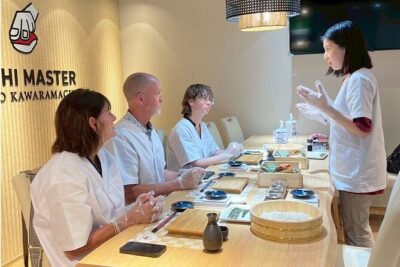 ★ 5.0Sushi Making in Kyoto! Same-day bookings welcome!From $53713 reviews
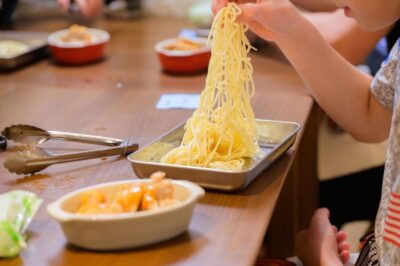 ★ 4.9Ramen Cooking Class at a Ramen Factory with SouvenirFrom $127532 reviews
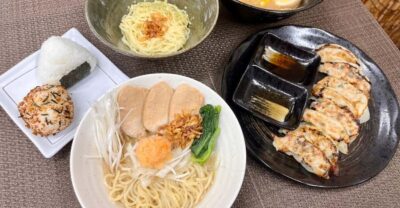 ★ 5.0Ramen, Gyoza, and Onigiri Cooking ClassFrom $90445 reviews
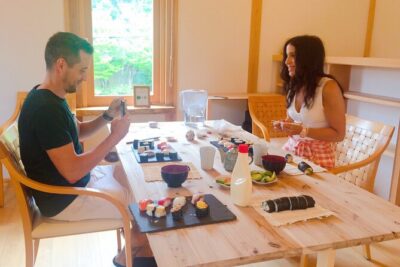 ★ 5.0The Original Small-Group Sushi Making Class in KyotoFrom $69436 reviews
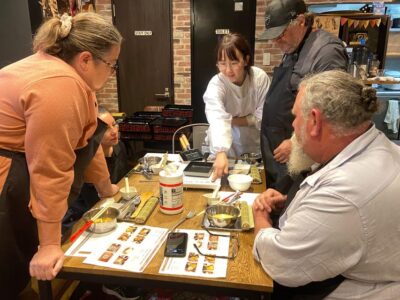 ★ 5.0Japanese Washoku Bento Small Group Cooking ClassFrom $58380 reviews
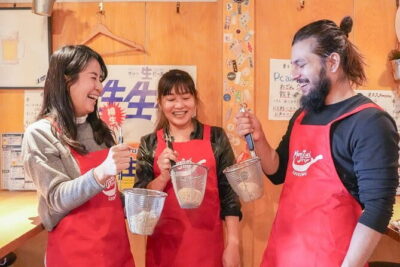 ★ 5.0Kyoto Ramen and Gyoza Cooking Class with Professional ChefsFrom $86282 reviews
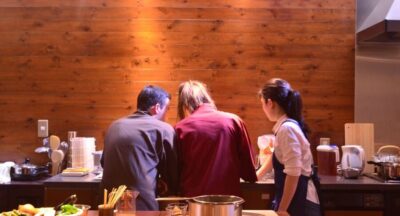 ★ 4.9Afternoon Japanese Izakaya Cooking ClassFrom $67241 reviews
Browse the lists this tour appears in