
Reviewed · NARA DAY TRIPS FROM KYOTO
Nara: Half-Day Private Guided Tour
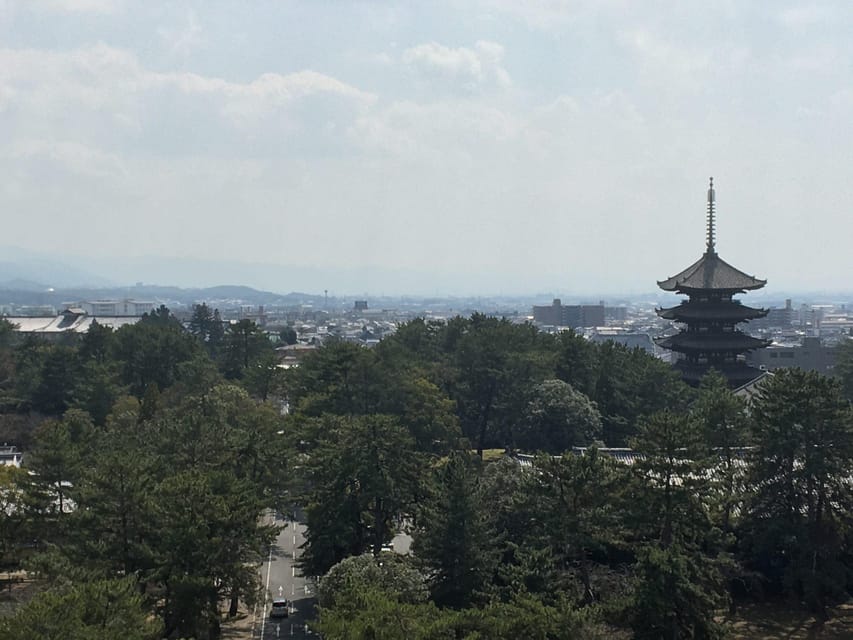
Deer everywhere, then a giant Buddha hall. This private, 4-hour walk through Nara pairs Tōdai-ji’s Great Buddha with Nara Park’s famous shika deer energy.
I love how the pacing keeps you moving, but not rushed, while still hitting the big-ticket sights.
The main drawback is that the top temples cost extra, with Kasuga Taisha priced separately from the tour. So you’ll want a small budget buffer for entry fees and snacks, not just the $135 price.
Key Highlights You Will Notice Fast
- A true private format with a live guide in French, English, or Japanese
- Tōdai-ji in about an hour, with time for photos and a guided walkthrough
- Kasuga Taisha plus nature time, including the shrine setting around the deer area
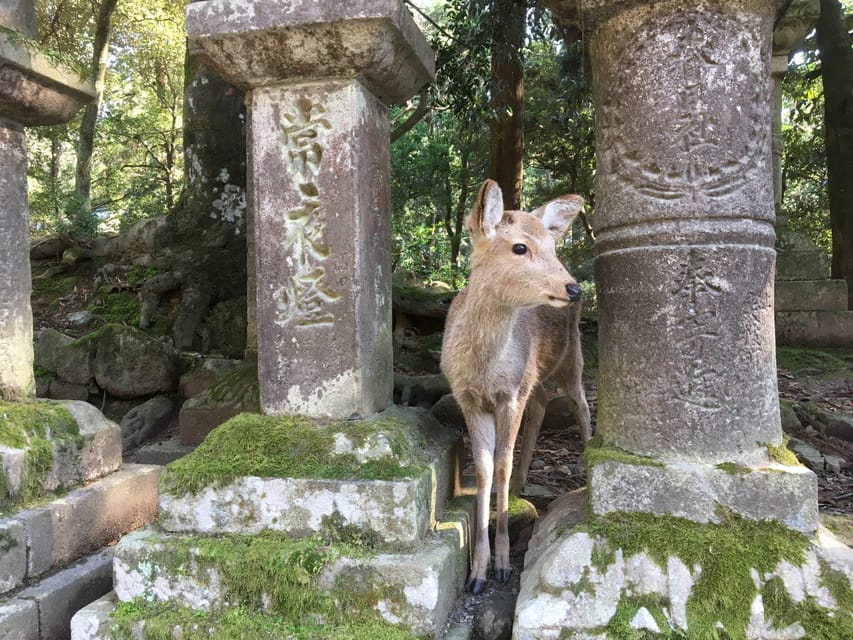
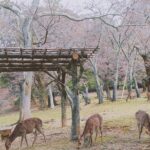
- Nara Park wildlife viewing with the famous shika deer in the open
- Naramachi’s traditional streets and the Koshi-no-Ie lattice house stop
- Kōfuku-ji included as a final temple moment before you head back
Nara in Four Hours: Why This Half-Day Feels Just Right
Nara has a different tempo than many Japanese cities. It’s not only temples and photos, it’s also airier, calmer, and easy to feel “in place” even when you only have half a day.
On this tour, I like that you get a mix of major landmarks and small streets without spending the whole day in transit. You walk, you stop, you look, and you get straight answers from your guide, so the city stops feeling like a checklist and starts feeling like a place you could return to.
One more practical win: the guide handles the flow for you. You are not trying to connect temple names, shrine facts, and park logistics on your own while your time window shrinks.
You can also read our reviews of more guided tours in Nara

Pickup Points, Walking Pace, and How the Tour Actually Runs
You start with pickup at one of two stations, so you can choose what’s easiest once you’re in town. The two options are Kintetsu-Nara Station or JR Nara Station, with pickup happening near the station gates and exits as specified for each station.
The plan is built around walking for the whole experience, with public transport used if needed. Transportation is listed as optional, and if you do use it, plan around a small per-person fare (300 JPY). That matters because the walking is part of the charm here, you get to actually see the city instead of only arriving at entrances.
Also, this is a private group. That means your guide can keep the pace aligned with your questions and your attention span, which is especially helpful when sights like Todaiji can be visually overwhelming.
Tōdai-ji: Japan’s Giant Buddha and the World’s Biggest Wooden Building
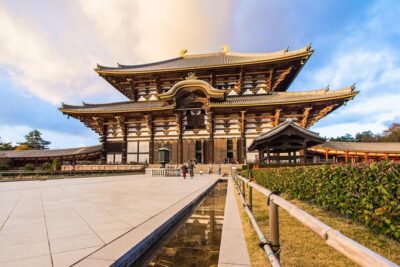
Your first major stop is Tōdai-ji, one of Japan’s loudest, most memorable religious spaces. You get a photo stop plus a guided visit, then a walk through the area for about an hour total.
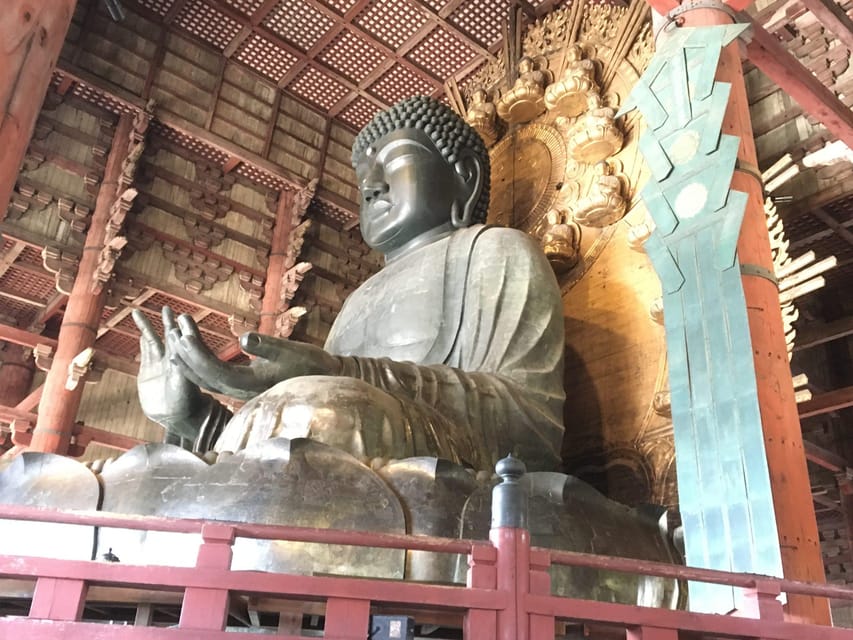
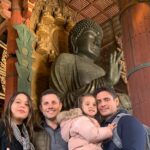
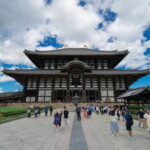
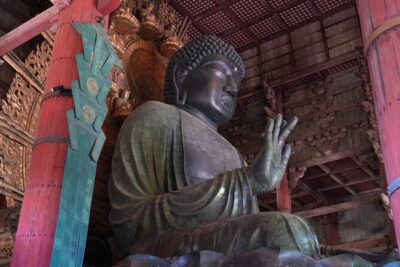
The headline here is the Great Buddha. Tōdai-ji is known for the largest sitting Buddha in Japan, and the hall itself is famous for being the largest wooden building in the world. Even if you already know the story on paper, seeing the scale in person is what makes it hit.
What I think is most valuable about a guided visit at this moment is context. A guide can point out what you are seeing in a way that turns the building from impressive scenery into something you can actually understand. It also helps you avoid the common trap of spending all your time looking up, then forgetting to look around.
Practical tip: with a giant indoor hall, lighting and crowds can vary. A photo stop early or mid-visit helps you get a usable shot without losing your place, so you don’t end up rushing at the end.
Kasuga Taisha: A Shinto Shrine Wrapped in Nature
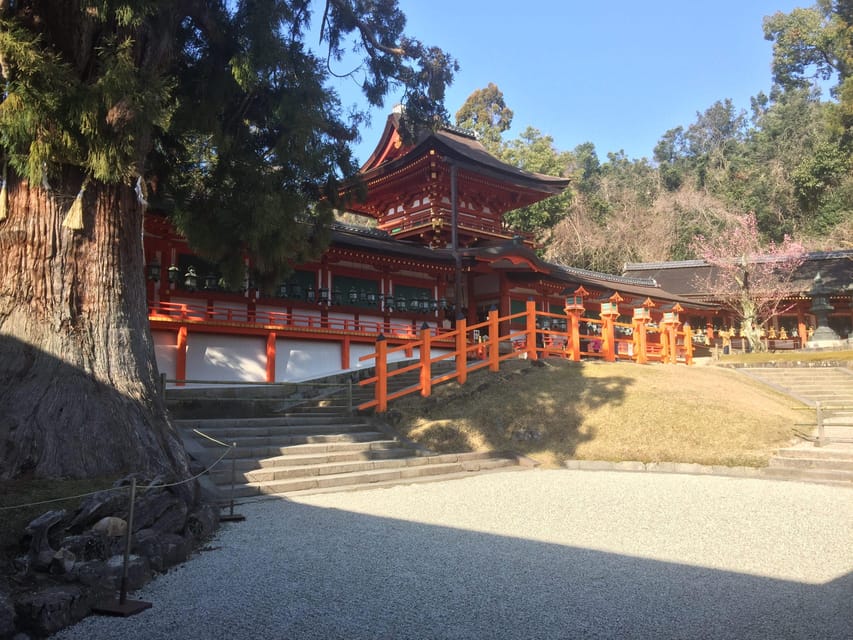
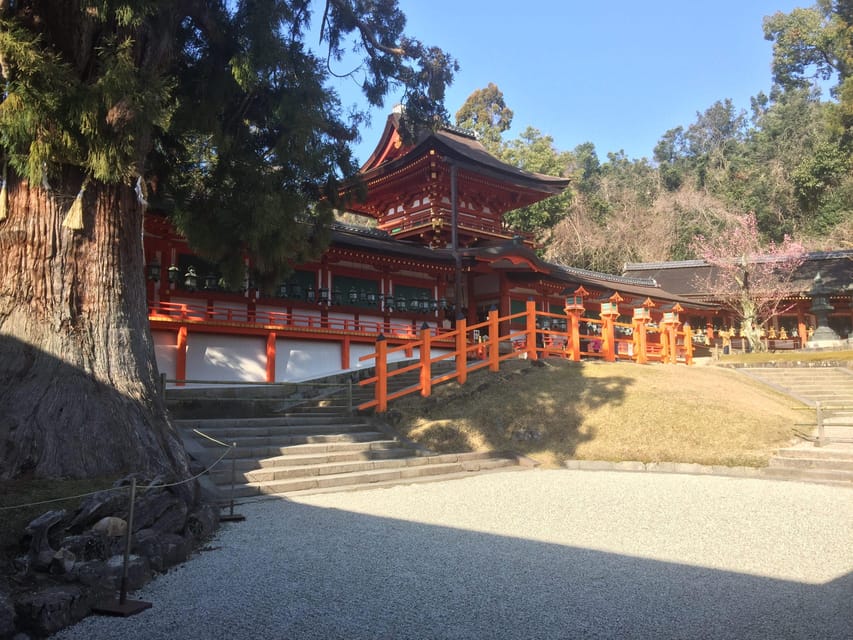
After Tōdai-ji, you head to Kasuga Taisha, another top Nara name with a very different feel. The time here is about 45 minutes, including a photo stop and a guided visit with time to walk around.
What makes Kasuga Taisha stand out is the setting. It’s described as a sacred shrine surrounded by nature, and that matters because the experience becomes less about a single monument and more about how the shrine sits within the environment.
This is also where the tour’s deer theme becomes more than a photo-op. Nara Park’s famous shika deer are part of the wider experience, and Kasuga’s natural surroundings help you understand why people tie the deer, the shrine space, and the park together.
If you care about explanations, this is a great stop to ask your guide questions. Shrines can feel complicated because you are looking at signs, paths, and sacred boundaries, but a guide can translate what you are seeing without turning it into a lecture.
Nara Park and the 1,200 Shika Deer: What to Expect
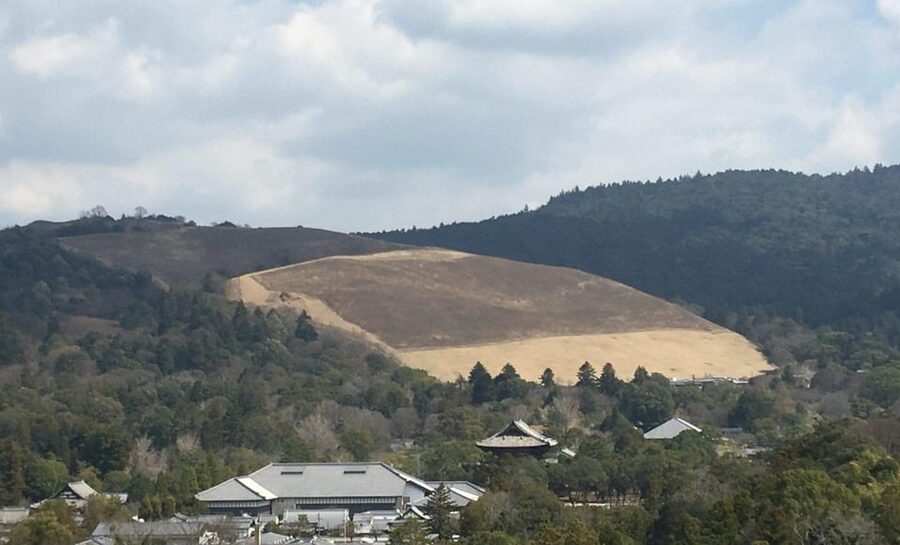
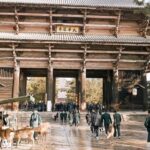
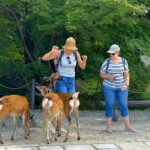
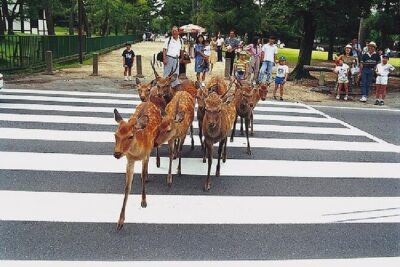
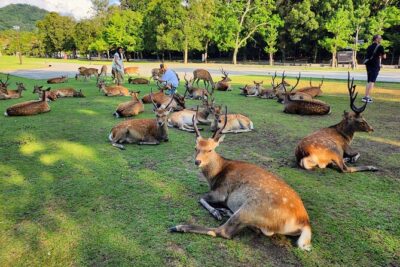
Next up is Nara Park, with about 45 minutes of guided time plus wildlife viewing. This is the moment most people come for, and it lives up to the hype: there are 1,200 shika deer associated with the area, and they are out in public space.
The key is setting expectations. The deer are not staged in a zoo-like way. You will see them moving around like they belong there, because in Nara, they effectively do.
Here’s what to do to keep the experience smooth:
- Stay aware of where you step near groups of deer
- Give them space if they approach you
- Keep your eyes up and down at the same time, paths can be uneven
A guide helps here too, because they can manage traffic flow around you so you can keep walking without feeling like you are constantly dodging. It turns deer viewing from chaos into calm observation.
You can also read our reviews of more private tours in Nara

Naramachi Koshi-no-Ie: Traditional Streets and the Lattice House Detail
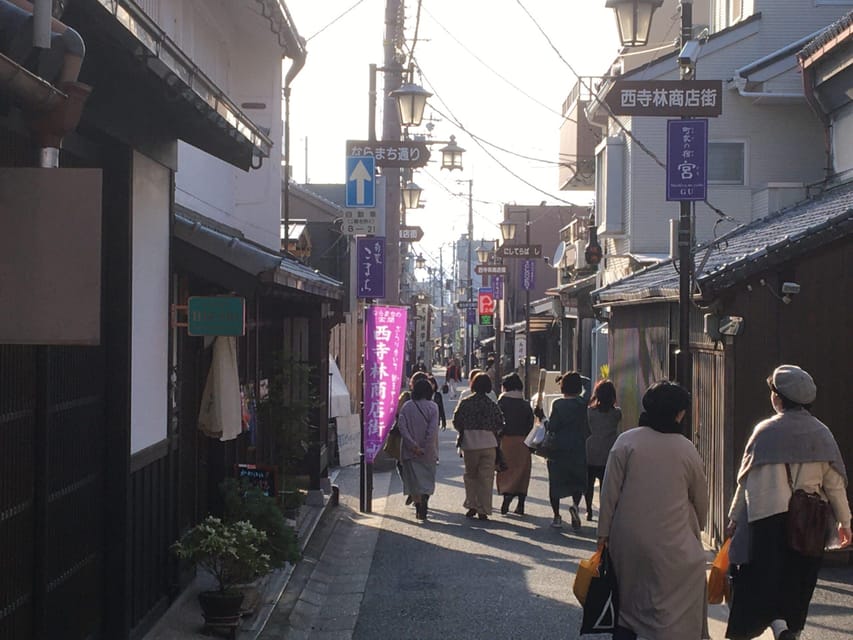
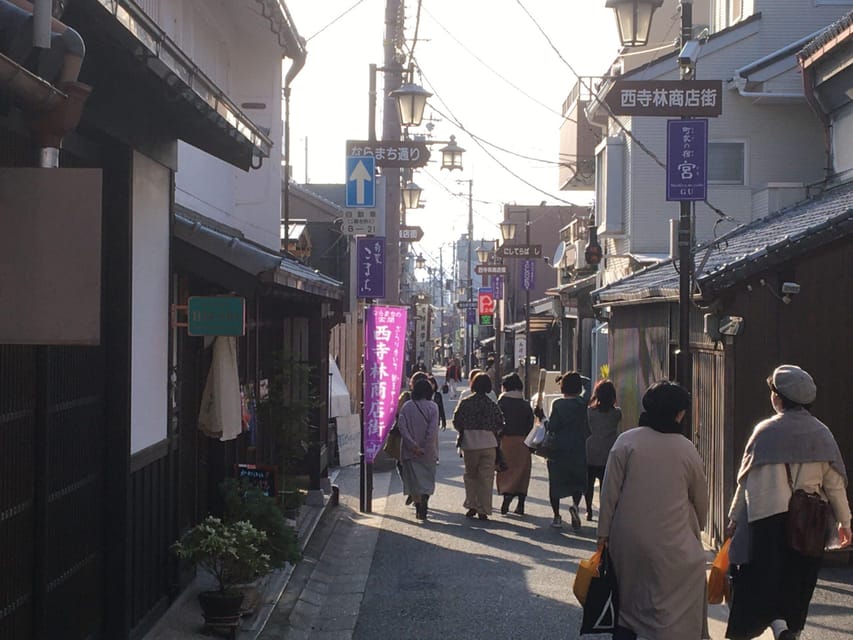
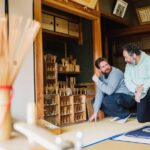
After the big scenery stops, you shift into a quieter kind of Nara: the Naramachi district and the Koshi-no-Ie (lattice house) stop.
You get time for a visit and guided tour, with about 45 minutes here. This is where you start seeing Nara not just as a set of famous temples, but as a living town with traditional architecture and street character.
What makes the lattice house stop special is the design detail. The koshi-no-ie concept is about a particular look and function of the lattice-style structure, and seeing it in person helps you understand why these houses are part of the district’s identity, not just a decorative relic.
This section also gives your feet a small change of pace. After the shrine and park walking, narrow streets and traditional building fronts can feel like a reset, and it’s a good moment to slow down and take in the texture of the city.
And yes, some versions of the experience market a Kyoto-style traditional street feel, including the idea of spotting geisha. I treat that as a bonus, not a promise, because Nara and Kyoto have different rhythms, and real sightings depend on timing and what you happen to see while you are out.
Kōfuku-ji: One More Temple Stop Before You Return to Station Life
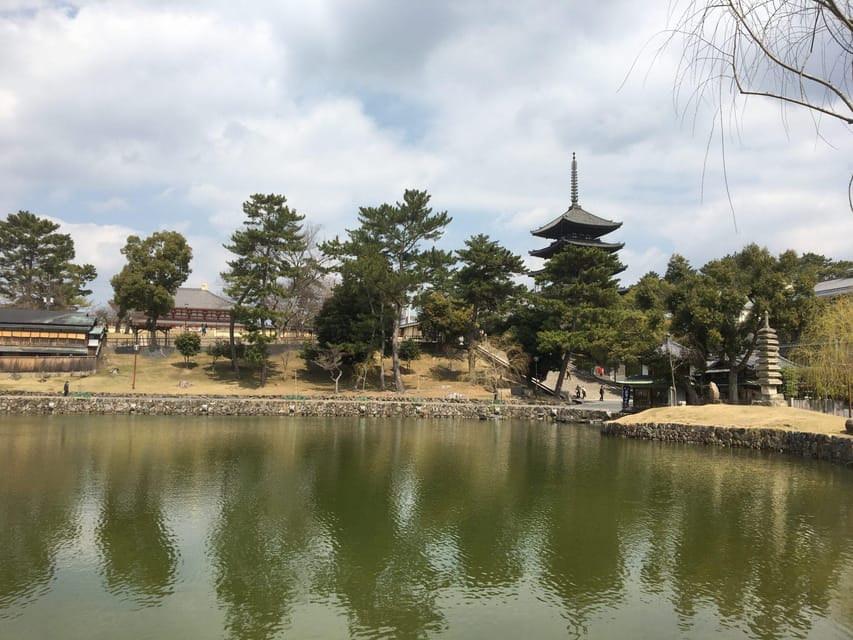
The final temple moment is Kōfuku-ji, again with a photo stop plus a guided visit and walk for about 45 minutes.
This stop matters because it rounds out the tour’s religious map. You start with the giant Buddha at Tōdai-ji, shift to Shinto space at Kasuga Taisha, experience the deer park, then return to another major temple area. By the end, you see that Nara is not one style, it’s layers.
In practice, Kōfuku-ji is a strong closer because it gives you something to look at without requiring a huge time commitment. You get the guided context, then you can finish with a sense of closure before heading back to your pickup-to-drop-off route.
Price and Value: What $135 Covers, and What to Budget Extra
The tour price is $135 per person for a 4-hour private guided experience. That price is paying for the guide time, the private format, and the coordination of stops so you can spend your energy on seeing instead of figuring.
The not-included costs are important:
- Tōdai-ji entrance fee is listed at 600 JPY per person
- Kasuga Taisha entrance fee is listed at 6000 JPY per person
- Lunch is not included, and if you do eat, a typical estimate given is around 2,500 JPY per person
- Snacks or drinks are not included
- Transportation is listed as optional at 300 JPY per person
So is it good value? For me, it makes sense if you want a guided day without spending hours planning routes and if you care about explanations, not only photos. For a solo traveler, the fee can feel high if you don’t value private guidance. For a couple or small private group, it often feels more reasonable because you are splitting the cost of having your own guide time.
Also, because Kasuga Taisha’s entrance fee is quite steep in the provided pricing, you’ll get the most “value-per-minute” if you show up ready to actually spend time there and not treat it like a quick stop.
Guide Language Choices: French, English, or Japanese
The guide is offered in French, English, or Japanese, and that can change how much you get out of the experience.
If you are comfortable in Japanese, choosing that option can add a small authenticity edge, especially at shrines and temples where vocabulary matters. If you are not, English or French will still get you what you need, and you can ask follow-up questions during walking time.
I also appreciate how flexible a good guide can be. In real use cases like limited time or a schedule that needs adjusting, a guide such as Mouloud has shown the ability to shift the flow while keeping the key sights covered. That flexibility can be the difference between a stressful afternoon and a smooth one.
Who This Tour Fits Best
This is a strong fit if you:
- Want a half-day that covers the big Nara names without racing all day
- Like guided context at temples and shrines, not just photo time
- Prefer a private experience where questions are welcome
- Need wheelchair accessibility, since the tour is listed as wheelchair accessible
It can also be a good first stop if you are new to the area. Nara is compact enough that walking works, and you get a clear sense of how the religious sites and the park connect.
If you are someone who hates paying separate entrance fees, you might feel the extra costs more than others. In that case, you may want to price-check those admission amounts in yen ahead of time so there are no surprises later.
Should You Book This Nara Half-Day Private Guided Tour?
Book it if you want a smart, walkable introduction to Nara with a guide who keeps the day flowing and helps you understand what you are seeing. The combination of Tōdai-ji, Kasuga Taisha, Nara Park deer time, Naramachi’s traditional streets, and a final temple stop gives you good coverage for a 4-hour window.
Skip it or at least think twice if the added entrance fees feel like a stretch for your budget, especially given the high Kasuga Taisha entrance price. Also consider your priorities: if you want a purely self-paced experience with no guide decisions, a private guided route may feel like overkill.
My call: this is worth it when you want the sights plus the meaning, and when you’re happy to plan a little extra money for temple entry and a snack break.
FAQ
How long is the Nara half-day private guided tour?
The tour duration is 4 hours.
Where does pickup happen?
Pickup is available at two locations: Kintetsu-Nara Station (near and after the east gates) and JR Nara Station (near and after the gates, only one exit).
Which temples or areas are included during the 4 hours?
The tour includes Tōdai-ji, Kasuga-taisha, Nara Park (for wildlife viewing), Naramachi Koshi-no-Ie (lattice house), and Kōfuku-ji.
What entrance fees are not included?
Tōdai-ji entrance fee (600 JPY per person) and Kasuga Taisha shrine entrance fee (6000 JPY per person) are not included.
Is transportation included?
Transportation is not mandatory. It is listed as 300 JPY per person if used.
What languages are the live guides available in?
The live tour guide is available in French, English, and Japanese.
Is the tour wheelchair accessible, and is it a private group?
Yes, the tour is wheelchair accessible and is listed as a private group.
More Guided Tours in Nara


More Tours in Nara

More Tour Reviews in Nara
Not for you? Here's more nearby things to do in Nara we have reviewed




Nara Day Trips from Kyoto, compared.
 ★ 5.0World Heritage Kyoto & Nara Uji Authentic Matcha ExperienceFrom $1291,573 reviews
 ★ 4.7Kyoto/Osaka: Nara, Fushimi Inari Taisha, Arashiyama Bus TourFrom $521,275 reviews
 ★ 5.0Nara Half Day Trip Walking Tour (Private Option Available)From $105937 reviews
 ★ 4.4Osaka/Kyoto: Arashiyama, Nara & Fushimi Inari Shrine w/LunchFrom $61754 reviews
 ★ 5.0Nara Early Morning Tour (Kyoto or Osaka Departure Available)From $61676 reviews
 ★ 4.5Kyoto and Nara Day Trip from KyotoFrom $194445 reviews
 ★ 5.0Full Day Guided Tour to Kyoto and Nara from Osaka by VanFrom $106420 reviews
 ★ 4.5Nara Afternoon Tour from Kyoto or OsakaFrom $102390 reviews
Browse the lists this tour appears in