
Reviewed · KYOTO COOKING CLASSES
Private Cooking Class Udon in Kyoto Japan
Udon in a 130-year Kyoto house. That is what makes this private class different: you make handmade udon inside a 130-year-old traditional home near Nishi Honganji Temple. It is a short, focused lesson, but you still get to eat what you make right after.
I love how practical it feels. You get step-by-step help and a relaxed place to work, plus the meal includes tempura so you are not scrambling to arrange food after class.
One possible drawback: you do not do every cooking step. The boiling and the full meal prep are handled by the instructors, so if you want to manage everything yourself, you might find it a bit more guided than DIY.
Key things I’d mark on your Kyoto plan
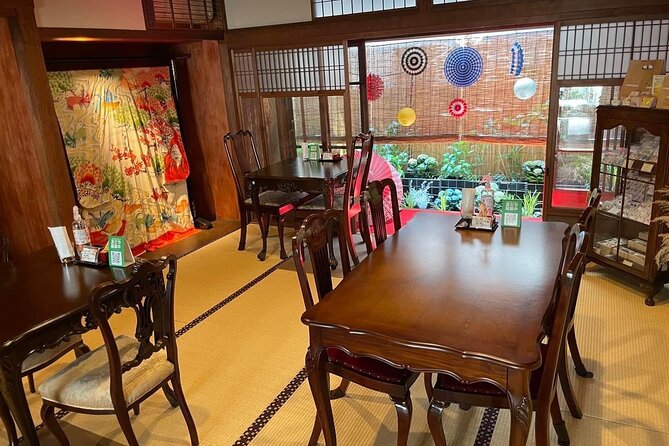
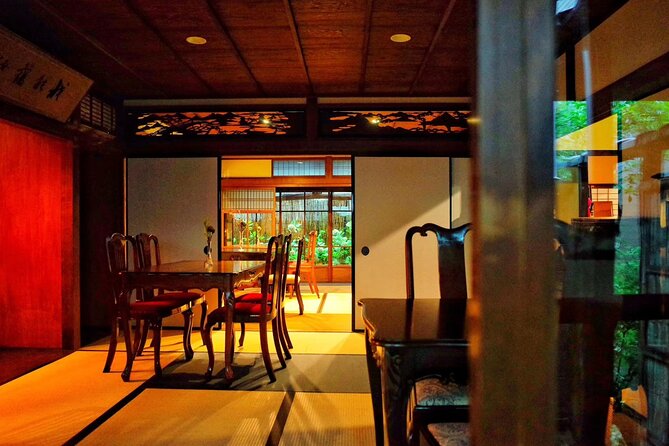
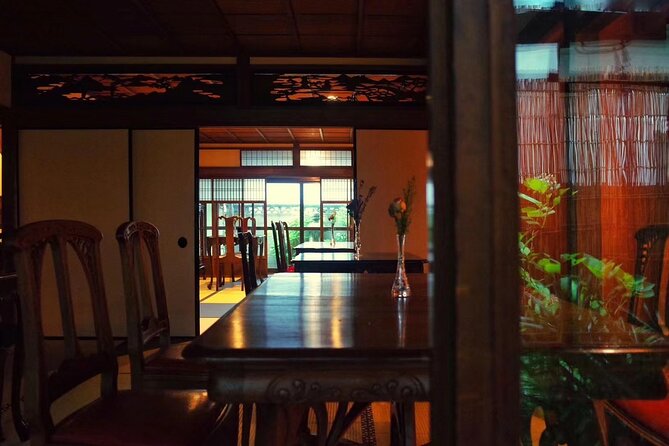
- A Kyomachiya-style classroom in a beautifully renovated 120-year space, with antique furniture around you
- A private lesson where only your group participates, taught by local Kyoto instructors
- You make the noodles, but you do not boil them, which makes it easier for kids
- After-class meal included with your udon plus a separate tempura set
- Recipe support for home cooking, so you can repeat the results later
- Central location near Kyoto Station, plus it is close to Nishi Honganji Temple
Where you meet, and why the location makes sense
This class starts at 364 Momijichō, Shimogyo Ward, and it runs at 12:00 pm. You meet in an area that is convenient for the first half of the day or as a lunch anchor. The address is also close to Kyoto Station (about a 12-minute walk), so you are not committing your whole afternoon to getting there.
You are also near Nishi Honganji Temple. That matters because it turns the class into part of a normal walking day, not a special logistics puzzle. If your Kyoto days include trains, buses, and temple stops, this is the kind of activity that fits without stress.
The meeting point is the same place you finish, so you are not stuck tracking down a second location later. That is a small thing, but it saves time and mental load.
You can also read our reviews of more private tours in Kyoto


Inside the 120 to 130-year Kyoto house classroom
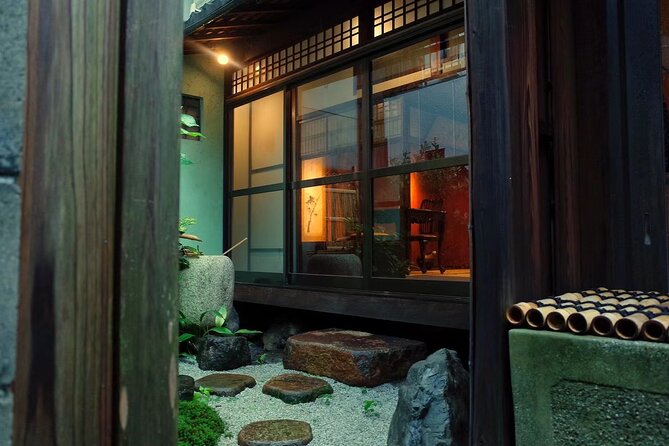
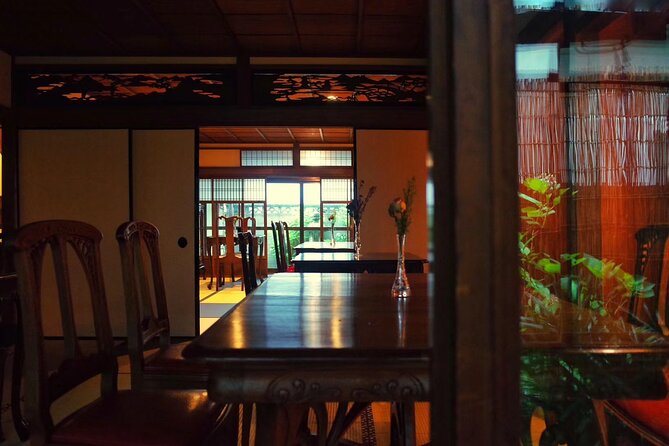
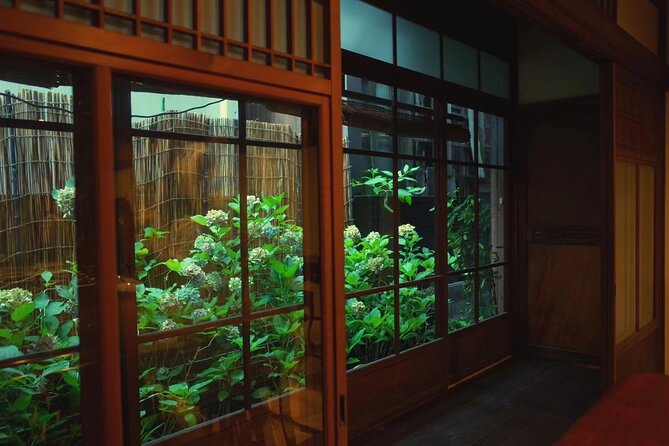
The setting is a big part of the value. You train in a renovated traditional Japanese house that dates back about 130 years, and the rooms include antique furniture and artifacts that are over 110 years old. It feels like you step into a quieter Kyoto rhythm, not a modern workshop.
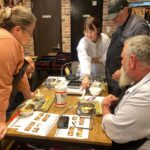
You are also in a proper classroom space, which helps a lot when you are learning something physical like dough handling. From the way the tables are set up and the ingredients are laid out, the lesson is clearly designed for hands-on work.
And yes, there is traditional Japanese music during the experience. It is not a gimmick. It helps you slow down, focus, and treat the lesson like a cultural moment instead of a fast food demo.
How the private udon lesson flows step-by-step
This is a private tour/activity, so only your group participates. That can change the whole feel of a cooking class. You can ask questions, move at your pace, and your instructor can adjust how they explain the process without rushing to cover a larger crowd.
The lesson is about 1 hour in duration. In practice, many groups spend longer, because you keep talking while you eat and settle into the space. Plan on a half-day mood, even if the main class clock is short.
What you actually do
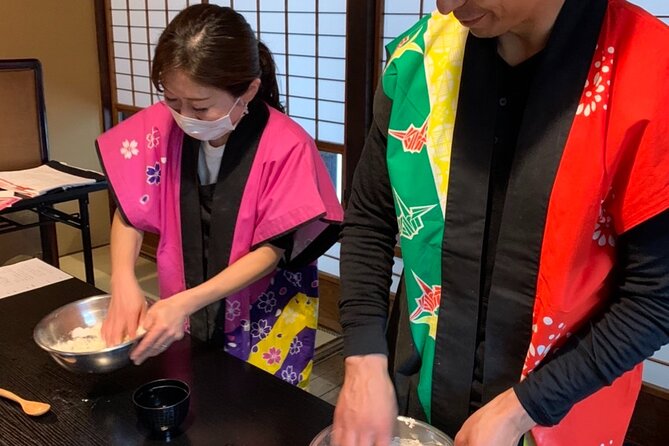
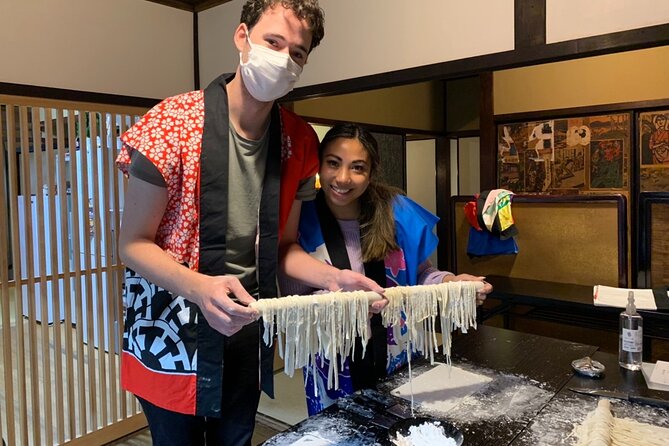
You will walk through the udon-making process in a clear sequence, with the instructor guiding you through each stage. The steps you may work on include:
- Making saltwater
- Rinsing the water
- Steps described as footsteps
- Maturing the dough
- Stretching the dough fabric
- Knife cutting
- Moving toward boiling, though the instructor handles the boiling
The key detail is right in the instruction style of the class: you make the udon, but you do not boil it. That keeps things safer and simpler, especially if you bring kids. One family highlighted that this structure made it easy for children ages 4 and 10 to participate without getting overwhelmed.
Who teaches and what the instruction feels like
The teachers are local to Kyoto. From the teaching style described, the explanations are in English, with lots of encouragement and patience. Names that come through clearly in the experience include Tanaka San and Hisayu.
Tanaka is described as friendly, helpful, and upbeat, and there is also mention of an assistant helping during the process. You can expect the kind of instruction where you are not just watching someone else make noodles. You are doing the work at the table.
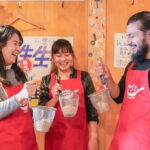
A bonus detail that shows this is a well-run operation: the ingredients are presented ready to go, and you get aprons. Some groups noted the ingredients were pre-measured and laid out, which makes the lesson feel smooth instead of chaotic.
You can also read our reviews of more cooking classes in Kyoto

The after-class meal: what you eat, and how it’s served
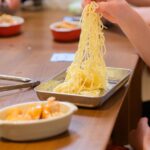
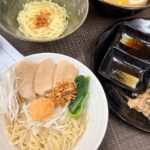
After you cut and shape your noodles, you get to eat your udon. This class is built for lunch convenience, because the meal is part of the experience rather than an optional extra.
The udon you make is served with sauce and a tempura set. The tempura is included separately, so you do not have to make tempura yourself. Multiple groups described the meal as a highlight, with one noting tempura vegetables plus ginger and green onion toppings, along with a dashi dipping broth and a bubbling pot of udon.
That means you are not just tasting a bite. You are sitting down with what you made and eating it properly, while the instructors finish the boiling and prep the rest of the components.
The practical benefit of an included lunch
Cooking classes can turn into scheduling problems. If food is not included, you end up finding a restaurant after you are already hungry and a little wired. Here, you get a complete eating moment right after class, so you can keep your day on track.
If you are traveling with kids, this also helps. The class is fun during the hands-on portion, but the reward is immediate. You make, you eat, and everyone leaves full.
Step-by-step with kids, teens, and even adults who hate cooking
This is one of the most family-friendly cooking formats I have seen. The big reason is the division of labor. You handle the noodle work, but the boiling and hotter tasks are managed by the instructors. That gives you a safer workflow and keeps the class calm.
Groups in the feedback included children and teenagers, and also older adults. One group described a party that included someone who had just turned 83, and everyone still enjoyed making the noodles. That tells me the pacing is adjustable and the teaching style is patient.
If you have teens, it also works. One review framed it as a highlight, not just a kid activity. You still get real hands-on technique, and you can take the recipe home.
Confidence you can take home
A strong theme is that you leave with the ability to repeat the lesson at home. Several groups said they felt confident after the class, and one mentioned that the staff provided a recipe you can use later.
Even if you never become the household noodle boss, that is the kind of value you want from a cooking class. It is not just a one-off experience. It becomes a story you can recreate.
Price and value: what $60.43 buys you in Kyoto
At $60.43 per person, this is not a budget snack, but it does not feel overpriced for what you get either. You are paying for a private setting, an instructor-led lesson, and an included meal.
Here is what you are effectively buying:
- A private group experience in a historic wooden home
- Hands-on udon-making guidance
- Aprons and ingredient setup
- Lunch with your udon and a tempura set
- A recipe and the support to replicate the basics later
Also, the location helps the value. Being near Kyoto Station reduces the time cost of your day. You are not paying only for food and instruction, you are paying for convenience and a good environment to learn in.
If you are comparing to cooking classes that are group-size based, private usually costs more. Here, the private format seems like the point, especially for families who want attention and a calmer pace.
Booking timing and how the schedule fits a Kyoto lunch plan
On average, this is booked about 16 days in advance. That is a clue to plan ahead if you are visiting in peak season or you have a tight schedule.
The start time is 12:00 pm, which means it is best as a lunch-centered activity. It can slot in between temple walks and a museum stop, and it saves you from the common problem of eating too late after activities.
The duration is about 1 hour, but the experience can run longer once you include eating and settling in. So I suggest you keep your next commitment flexible.
If weather is a factor, note that the experience is described as requiring good weather for operation. The class is indoors, so you might assume weather will not matter, but the policy is still tied to weather conditions. It is worth booking with some cushion.
Practical tips before you go
- Wear comfortable clothes. You will knead and stretch dough. Aprons help, but you are still working with flour.
- Plan to eat well. The tempura set and udon meal are included after class, so go easy on heavy snacks beforehand.
- Arrive a few minutes early. Meeting at a specific address is easier if you give yourself a little buffer around Kyoto Station crowds.
- Bring questions. This style of class works best when you ask about steps and technique, especially during cutting and dough handling.
- Use the recipe afterward. If you want this to matter beyond the day, treat the provided instructions as your plan for a home redo.
Should you book this private Kyoto udon class?
If you want a cooking class that is both hands-on and realistically paced, I think you should book it. The private format, the historic setting, and the fact that you make the noodles but do not boil them make it a smart choice for families, multi-generational groups, and anyone who wants an authentic Kyoto experience without needing advanced cooking skills.
I would skip it only if you are specifically looking to do every step yourself, including boiling broth and managing hot equipment end-to-end. For most people, though, the balance here is the point: you get the technique, the lesson, and the reward, all in one lunch stop.
If you are building a Kyoto itinerary around temples like Nishi Honganji and want a learning activity near Kyoto Station, this is a clean, practical fit.
FAQ
What is the meeting point for the private udon class?
You meet at 364 Momijichō, Shimogyo Ward, Kyoto, 600-8345, Japan. The activity ends back at the meeting point.
What time does the class start?
The start time is 12:00 pm.
How long is the experience?
The class duration is listed as about 1 hour.
Is this a private activity?
Yes. It is private, and only your group participates.
What do I make during the class?
You make handmade udon as part of the lesson. The boiling step is handled by the instructors.
Do I also make tempura?
No. A separate tempura set is provided for the meal, so you do not need to make tempura yourself.
What is included in the meal after the lesson?
After class, you eat the udon you made, and you receive a tempura set.
Is the location near public transportation?
Yes. It is near public transportation.
What ticket do I get?
You receive a mobile ticket.
Is confirmation guaranteed after I book?
Confirmation is received within 48 hours of booking, subject to availability.
Is cancellation possible?
Yes, free cancellation is available. You can cancel up to 24 hours in advance for a full refund.
More Cooking Classes in Kyoto
More Private Tours in Kyoto

More Tour Reviews in Kyoto

Not for you? Here's more nearby things to do in Kyoto we have reviewed
Kyoto Cooking Classes, compared.
 ★ 5.0Ramen Cooking Class at Ramen Factory in KyotoFrom $1311,937 reviews
 ★ 5.0Sushi Making in Kyoto! Same-day bookings welcome!From $53713 reviews
 ★ 4.9Ramen Cooking Class at a Ramen Factory with SouvenirFrom $127532 reviews
 ★ 5.0Ramen, Gyoza, and Onigiri Cooking ClassFrom $90445 reviews
 ★ 5.0The Original Small-Group Sushi Making Class in KyotoFrom $69436 reviews
 ★ 5.0Japanese Washoku Bento Small Group Cooking ClassFrom $58380 reviews
 ★ 5.0Kyoto Ramen and Gyoza Cooking Class with Professional ChefsFrom $86282 reviews
 ★ 4.9Afternoon Japanese Izakaya Cooking ClassFrom $67241 reviews
Browse the lists this tour appears in