
Reviewed · KYOTO COOKING CLASSES
Private Guided Traditional Buddhist Cooking in Japan
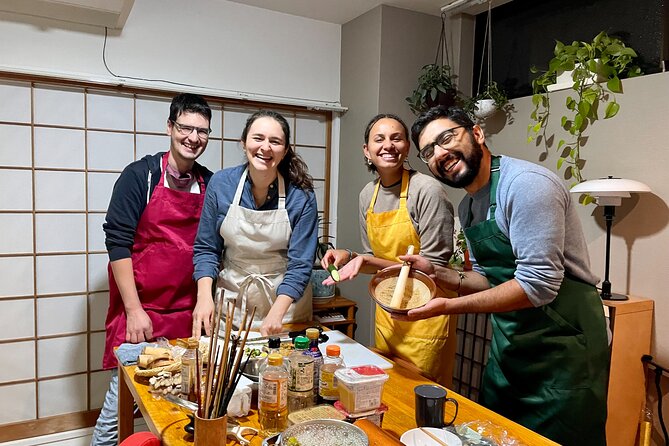
A morning that starts at temples ends with your own vegan meal. This private guided Shojin-ryori cooking experience pairs Kyoto ingredient talk with hands-on teaching. I love how you learn the logic behind Buddhist cooking, not just recipes, and I love the seven-dish menu that turns tofu and vegetables into something far from boring. One thing to consider, it is vegan and gluten-free is only available if you tell them ahead.
You also get a rare combo: temple time plus practical kitchen skills. The class is run by Yukari’s Japanese Home Cooking, and the reviews consistently point to her warmth, patience, and deep knowledge, including written recipes you can use later. The main drawback is simple, it lasts about 2.5 hours, so you have to arrive ready to cook, eat, and move at a calm but efficient pace.
Key things worth knowing before you go
- Private group only so the pacing stays comfortable for you
- Shojin-ryori, vegan Buddhist cooking using seasonal vegetables, soybeans like tofu, grains, seaweed, and fermented foods
- A temple route with three stops: Enkoji, Shisendo, and Ginkakuji
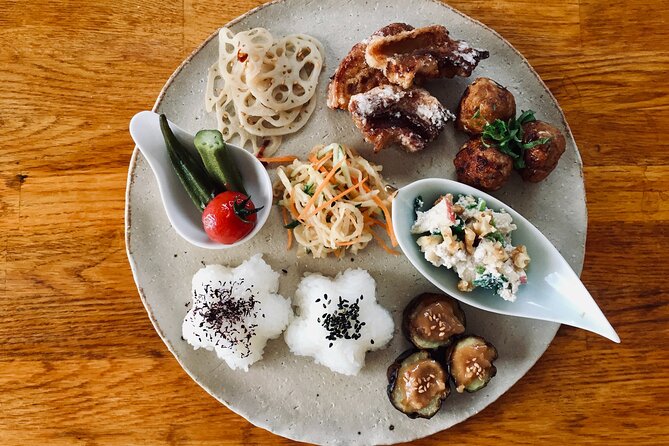
- Hands-on cooking of 7 dishes plus rice balls, then you eat a beautiful plate lunch
- You get recipes so you can remake what you learn at home
- Gluten-free is possible if you request it in advance
Kyoto cooking meets temple etiquette at Enkoji
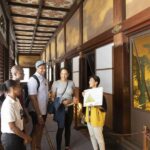
Enkoji Temple is your first stop, and it sets the tone. Shojin-ryori is rooted in Buddhist ideas, especially the strict avoidance of killing animals, which is why the food stays free of meat and fish. Standing in a temple setting helps you understand why this cooking style is so careful and ingredient-driven. You’re not just learning techniques, you’re learning the why.
I like this first stop because it gives you context before you pick up a knife. It also nudges you into a slower mindset. You’ll be more focused when you hear about ingredients tied to Kyoto, since you’ve already started the day in the right place.
A practical consideration: temple visits mean you should dress for comfort. Expect to walk and stand longer than a typical cooking class that stays entirely indoors.
You can also read our reviews of more guided tours in Kyoto


Shisendo Temple, where plant-based food starts to make sense
Shisendo Temple is stop two, and it keeps the day moving through Kyoto’s traditional spaces. The best part here is the momentum: you move from one place to the next, while the cooking theme stays consistent. That continuity matters. When the teaching later explains why certain textures and flavors work together in Shojin-ryori, the temple context is already fresh.
This also helps with what many people worry about in vegan Japanese cooking. They think it will feel like a compromise. But Buddhist cooking in Japan has its own flavor logic, built around vegetables, tofu, grains, seaweed, and fermentation. Seeing the cultural setting up front makes it easier to taste those choices later without constantly comparing to meat-based meals.
If you’re sensitive to crowds or daylight heat, plan to pace yourself during temple walking. The class is only about 2 hours 30 minutes total, so you want energy for the kitchen part.
Ginkakuji Temple, then straight into the hands-on menu
Ginkakuji Temple is the final stop on your route, and it’s a strong way to end the sightseeing portion. By the time you reach the cooking stage, you’ll likely be ready for something practical: not just looking, but doing. And Shojin-ryori is a very “hands-on” type of cooking. You’ll learn how seasonings cling, how tofu gets shaped into salads, and how vegetables turn tender without relying on meat flavor.
This part of the flow is smart for your time. A lot of Kyoto food experiences are either full-on sightseeing or full-on cooking. This one connects the two, so you don’t spend your day switching modes. It also helps the meal feel earned, since you’ve spent the earlier part of the morning in the tradition behind the food.
The kitchen lesson: Yukari’s teaching style and what you actually learn
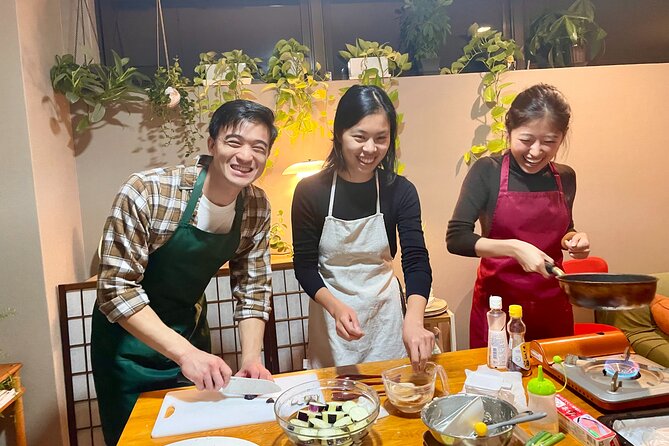
The class is guided by Yukari’s Japanese Home Cooking. The standout theme from the experience is her teaching. In the reviews, people describe her as welcoming, patient, and detailed in her explanations. Some also mention that she keeps kids engaged, which tells you her instruction style works for different attention spans.
For you, that means you should feel comfortable even if you’ve never cooked Japanese food. Shojin-ryori isn’t about rare techniques. It’s about precision, timing, and flavor balance. You’ll learn the significance of local ingredients and products first, then you’ll put on aprons and cook.
One very practical bonus: you get recipes. Reviews highlight written recipes you can use later, which is huge value if you want more than a one-time meal. You’ll leave with a plan for recreating the dishes, not just a nice memory.
Your 7-dish Shojin-ryori menu, plus rice balls
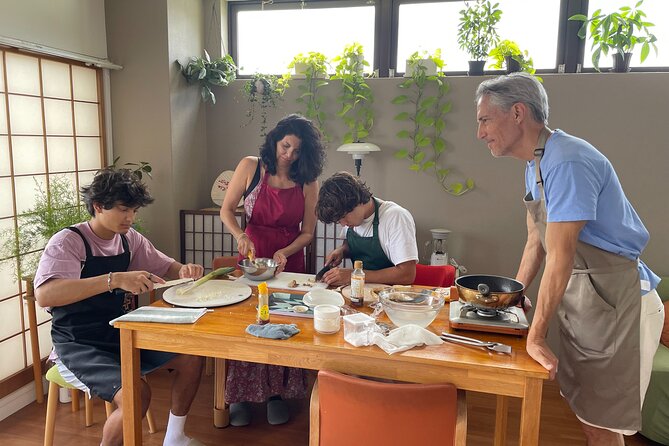
This class is built around a specific lineup. You’ll cook seven dishes inspired by classic Buddhist cooking, then finish with rice balls and a plated meal at the end.
Here’s what you should expect to cook:
- Simmered seasonal vegetables
You’ll practice gentle cooking and seasoning so vegetables taste rich on their own. This is a cornerstone idea in Shojin-ryori: flavor comes from careful treatment of vegetables, not from meat stock.
- Dried strips of daikon salad
This one teaches texture. You’re working with dried daikon strips that need proper treatment to become pleasant and not overly chewy. It’s also a great example of how Japanese Buddhist cooking uses preservation and balancing.
- Kinpira of lotus (braised thinly sliced lotus)
Lotus root is a classic ingredient, and kinpira style is about braising and coating. You’ll get hands-on experience with how braising creates depth even when the ingredient list stays plant-based.
- Nasu dengaku (miso-grazed eggplant)
Expect technique and timing. Eggplant becomes tender, then miso provides a glossy, savory finish. It’s one of the dishes that often makes people realize vegan Japanese food can be deeply satisfying.
- Shiraae (mashed tofu salad)
This teaches you how tofu can work like a creamy base, mixed and seasoned into a salad format. It’s also a reminder that tofu is more than bland protein. With the right mix, it becomes a full-flavor component.
- Spicy teriyaki balls
You’ll learn how sticky-sweet savory flavors can work without traditional meat. These balls are also a good texture exercise, since the shape and coating matter.
- Vegetarian fried chicken using wheat gluten
The name is a clue to what you’ll practice: creating a familiar crisp-style feel using wheat gluten instead of chicken. Reviews repeatedly praise the “wow” factor here because the dish lands like comfort food without animal products.
- Two rice balls
These are your finishing touch and help round out the meal. You’ll see how simple carbs fit into a multi-dish Japanese plate.
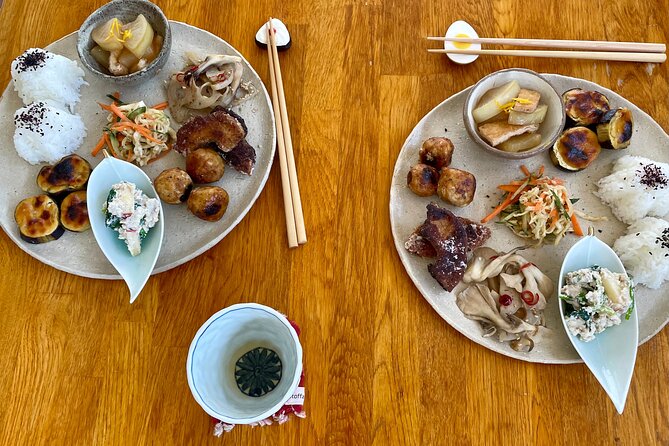
You’ll enjoy your plate lunch (or dinner, depending on what they label for you that day) after cooking. The point is not only eating, it’s tasting what you made, right after you learned the steps.
You can also read our reviews of more private tours in Kyoto

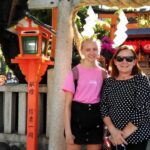
What makes the meal feel special: balance, seasonality, and fermentation
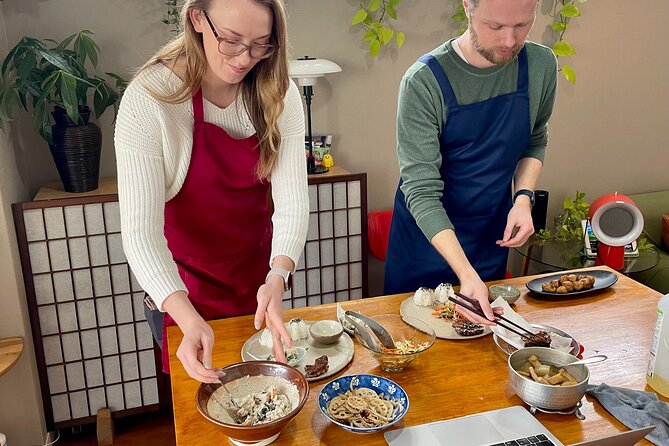
Shojin-ryori is healthy partly because it avoids animal products. But it’s also balanced because the flavors are built from several categories. The experience focuses on seasonal vegetables, soy-based items like tofu, grains, seaweed, and fermented foods.
In practice, that balance shows up on your plate. You’ll likely taste a mix of tender cooked vegetables, a creamy tofu dish, a miso-glazed eggplant, a salad with texture, and something fried or ball-shaped that brings savory punch. The variety prevents the classic vegan problem of feeling like everything tastes the same.
Also, because you’re cooking each component, you learn the “why” of flavor. When you make miso coating work on eggplant, you understand the method. When you season tofu into shiraae, you learn how thickness and seasoning change the result.
Price and value for a 2.5-hour private Kyoto experience
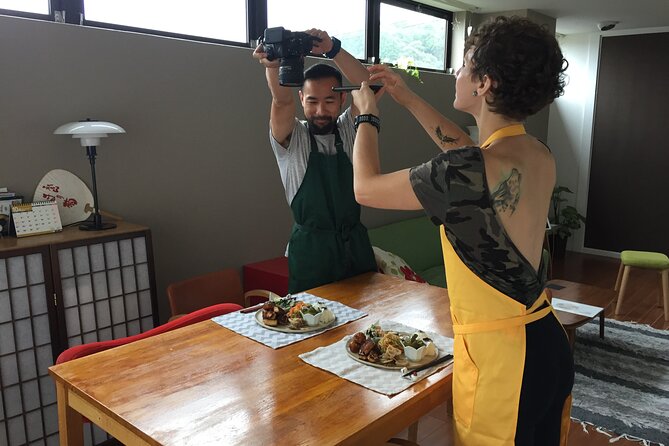
At $70.94 per person for about 2 hours 30 minutes, this sits in the “worth it if you’ll actually use the skills” category. Here’s why.
You’re paying for:
- Private instruction for your group only
- The guided cultural stops at Kyoto temples (three named stops)
- All ingredients and equipment, plus recipes
- The meal you cook and eat, served as a plated lunch
- A host with serious teaching credibility, including written materials
If you only care about eating, you could find cheaper meals. But if you want to learn a specific cooking tradition and leave with a recipe set you can repeat, the cost starts to make sense.
One value clue from the booking pattern: it’s commonly reserved about 51 days in advance on average. That suggests people plan ahead, often because the day combines two experiences that are hard to DIY. You can’t easily replicate the temple context and the Shojin-ryori sequence at home.
Gluten-free and dietary reality checks
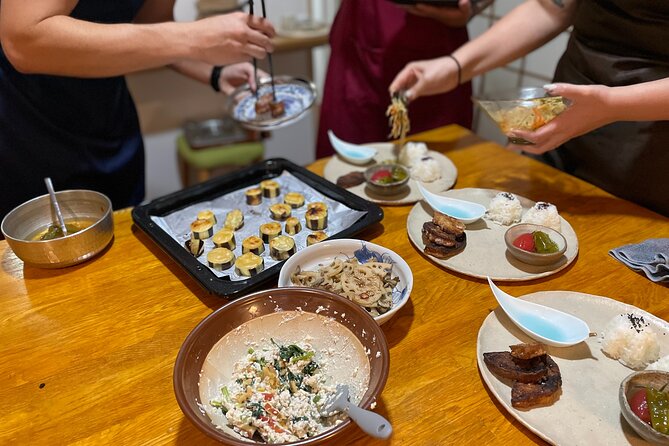
The class can accept gluten-free if you let them know. That’s important because one of the dishes uses wheat gluten for the vegetarian fried chicken style.
So if you’re gluten-free, contact or message ahead during booking. Don’t wait until you arrive. You want them to have enough time to adjust ingredients and keep the menu aligned with what you’re expecting.
Also, since this is a strictly vegan Shojin-ryori style class, it should fit many dietary needs related to avoiding meat and fish. If you have additional allergies beyond gluten, the provided info does not list details, so you’ll want to ask before the day.
Logistics: how to show up and have a smooth morning
The meeting point is in Kyoto: Japan, 606-8165 Kyoto, Sakyo Ward, Ichijōji Nodachō, 16 フェアモントビル. Start time is 10:00 am, and the activity ends back at the meeting point.
A few logistics notes that matter:
- Private transportation is not included, so you’ll need to handle getting there and between stops if the route requires it.
- You’ll receive a mobile ticket.
- Service animals are allowed.
- It’s near public transportation, which helps if you’re already using transit for Kyoto.
What I’d do: build some buffer around the start time. Temple routes can run on their own rhythm, and you’ll want to be present for the whole flow. Wear comfortable shoes and bring something light to drink. The class includes a drink, water or tea, so you’re covered there.
Who this Kyoto class is best for
This is a great fit if:
- You want an education in Japanese Buddhist vegan cooking, not just a single recipe
- You enjoy learning ingredients and techniques you can actually reproduce later
- You’re traveling with a range of ages. Reviews mention an 11-year-old being kept entertained, which speaks to clear, engaging instruction
- You care about thoughtful food choices tied to Japanese culture and temple life
It may be less ideal if:
- You’re looking for a pure sightseeing day, because the cooking happens after temple stops
- You dislike hands-on cooking, since you’ll be actively preparing multiple dishes
- You need a very slow pace. The experience is structured and efficient within about 2.5 hours
Should you book Private Guided Traditional Buddhist Cooking in Japan?
Yes, you should book it if you want a real Kyoto food story with practical payoff. This class gives you more than a meal. You learn a method, you cook a full set of dishes, and you leave with recipes you can use again. The temple route also makes the whole idea of Shojin-ryori feel grounded, not random.
I’d especially recommend it to vegetarian and vegan travelers, but it works for everyone curious about how Japanese cuisine can create depth without meat. Just be sure to message about gluten-free needs in advance if that applies, and show up ready to cook. If you do, you’ll likely come away feeling like you discovered a Kyoto cooking skill, not just a one-time experience.
FAQ
What is Shojin-ryori?
Shojin-ryori is traditional Japanese Buddhist cooking made without animal products such as meat and fish. This class focuses on that plant-based style and the ingredients and techniques behind it.
Is the cooking vegan?
Yes. The experience is described as Buddhist cooking made without animal products, so the dishes are generally vegan.
What dishes will we cook in the class?
You’ll cook seven dishes plus rice balls. The listed dishes are simmered seasonal vegetables, dried strips of daikon salad, kinpira of lotus, nasu dengaku, shiraae (mashed tofu salad), spicy teriyaki balls, and vegetarian fried chicken using wheat gluten, and you’ll also make two rice balls.
Can the class accommodate gluten-free diets?
Gluten-free can be accepted. You need to let them know in advance when you book.
How long is the experience?
It runs about 2 hours 30 minutes.
Is this a private tour?
Yes. It is a private tour/activity, and only your group participates.
What is included in the price?
Included are lunch ingredients, a drink (water or tea), an apron, all equipment, utility charges, facility fee, and recipes.
Is transportation included?
No. Private transportation is not included, so you’ll need to arrange how you get to and between the stops.
Where do we meet, and what time does it start?
You start at Japan, 606-8165 Kyoto, Sakyo Ward, Ichijōji Nodachō, 16 フェアモントビル, at 10:00 am, and it ends back at the meeting point.
More Private Tours in Kyoto
More Guided Tours in Kyoto


More Tour Reviews in Kyoto
Not for you? Here's more nearby things to do in Kyoto we have reviewed

Kyoto Cooking Classes, compared.
 ★ 5.0Ramen Cooking Class at Ramen Factory in KyotoFrom $1311,937 reviews
 ★ 5.0Sushi Making in Kyoto! Same-day bookings welcome!From $53713 reviews
 ★ 4.9Ramen Cooking Class at a Ramen Factory with SouvenirFrom $127532 reviews
 ★ 5.0Ramen, Gyoza, and Onigiri Cooking ClassFrom $90445 reviews
 ★ 5.0The Original Small-Group Sushi Making Class in KyotoFrom $69436 reviews
 ★ 5.0Japanese Washoku Bento Small Group Cooking ClassFrom $58380 reviews
 ★ 5.0Kyoto Ramen and Gyoza Cooking Class with Professional ChefsFrom $86282 reviews
 ★ 4.9Afternoon Japanese Izakaya Cooking ClassFrom $67241 reviews
Browse the lists this tour appears in