
Reviewed · ARASHIYAMA & BAMBOO GROVE TOURS
Arashiyama’s Best Vegan Ramen & Gyoza Class
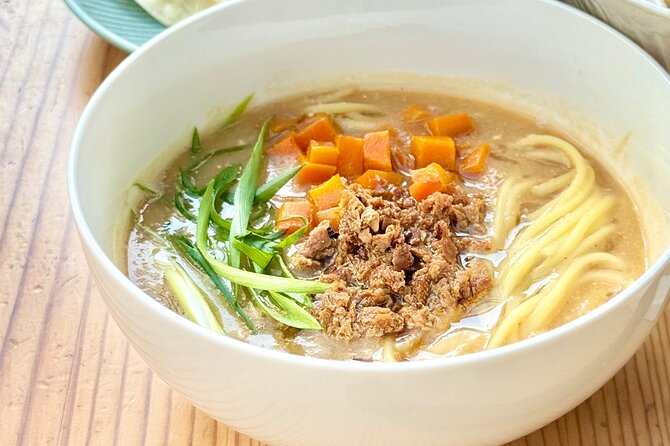
Vegan ramen can be a revelation. I love the umami broth technique, built from kombu, shiitake, and Kyoto vegetables, and I love that you cook with English-speaking instructors Satoru and Akiko in their clean home kitchen. One catch to consider: there is a dog on site, so if you have animal allergies, this may not be the best match.
This Arashiyama class runs about two hours and stays hands-on, from simmering and mixing to assembling and eating ramen plus crispy gyoza. You also get aprons, bottled water and tea, and take-home recipes, so it feels like training you can use again at home.
Key takeaways before you go

- 100% plant-based and dashi-free broth aimed at serious depth, not apology-food flavor
- Two types of ramen broth made from scratch in the class
- Crispy gyoza from scratch as a hands-on payoff
- English-speaking instruction with Satoru and Akiko, clear steps and a relaxed pace
- Lunch or dinner included, so you cook and eat with the instructors
- Gluten-free options available, plus aprons, towels, water, and tea
From Arashiyama Station to a private home-kitchen setup

You meet at Arashiyama Station (Arashiyama Higashiichikawacho, Nishikyo Ward, Kyoto). From there, your class happens in a home kitchen environment, not a showroom. The experience is private, meaning only your group participates, so it is easier to ask questions and slow down if you want to understand a step.
A practical bonus is that you have a mobile ticket. You do not have to hunt for paper. Also, the location is described as near public transportation, which matters in Kyoto when you do not want to waste time.
The class is priced at $65.15 per person for about two hours. That can feel like a splurge until you remember what you are paying for: real instruction, ingredients and equipment for cooking, and the chance to eat what you make on the spot.
More Kyoto temple visits, food tours, tea experiences, and day trips to compare



Two broth styles and gyoza, taught step by step
This is a ramen-focused class, with two main components: ramen broth and gyoza. The plan is to learn how to make two types of rich ramen broth plus crispy gyoza from scratch. You are not just tasting or watching.
The big idea is that even though the class is vegan, the goal is not light and bland. The broth is built for body and satisfaction, using layered ingredients like kombu (kelp) and shiitake along with fresh Kyoto vegetables. In other words, the flavor target is umami and richness, not a thin veggie soup.
For the gyoza side, crispy texture is the hard part. You will be shown how to get the kind of crunch you expect from good Japanese gyoza, not soft dumpling mush. If you have ever tried making gyoza at home and felt like yours turned out soggy, this is the part you will likely care about most.
And because it is a private class, you can ask about the exact technique you want to improve. That is one of the reasons cooking classes can be more valuable than a meal at a restaurant: you can focus on what will actually work for you.
The dashi-free umami broth built from kombu and shiitake
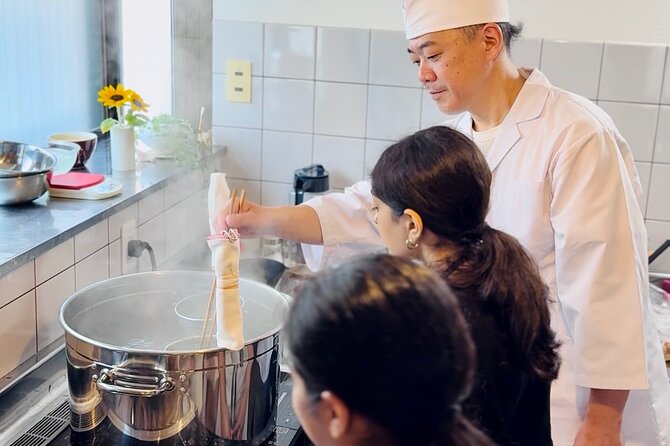
What makes this class stand out is the way it talks about flavor. The instructors are clear that they are aiming for something that does not feel like vegan food with limits. The broth is described as 100% plant-based and dashi-free, which is a big deal if you have strong opinions about Japanese cooking styles.
The flavor engine is kombu, shiitake, and Kyoto vegetables. Instead of relying on shortcuts, they layer umami until the broth has richness that rivals meat-based soups. If you have ever had good ramen, you know the difference between a broth that tastes fine and one that tastes deeply satisfying.
In practice, you should expect the class to teach you how to think about broth as a process:
- Build flavor gradually, not all at once
- Use umami ingredients correctly so the broth tastes rounded
- Treat the broth as something you can replicate later, not a mystery you cannot repeat
Also, the class offers gluten-free options. That matters if your ramen habits are limited by wheat-based ingredients. You will want to tell the instructors about any dietary needs in advance so they can guide you to the right approach during the class.
Lunch or dinner: cook, eat, and take recipes home
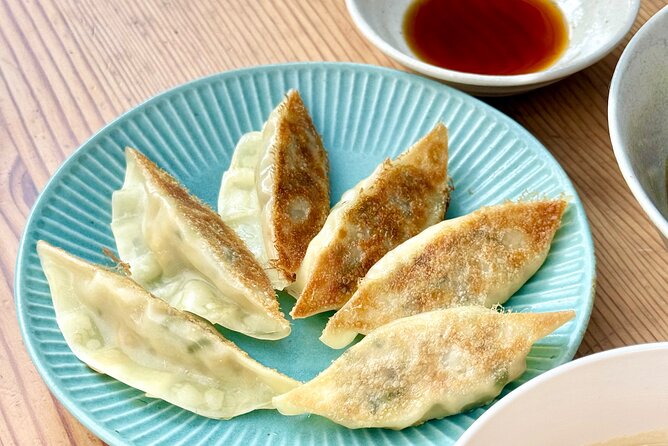
The experience includes food in two ways: lunch or dinner, depending on your reservation. Either way, you cook and eat with the instructors. That is a big practical difference from classes where you finish cooking and then go eat somewhere else.
Along with the meal, you get bottled water and tea that are freely available. You are also provided aprons and towels free of charge. Those small details matter because they lower the friction. You can focus on learning the cooking steps instead of worrying about gear.
Alcoholic beverages are not included, and soda or pop is also not included. So if you like pairing food with a drink, plan that outside the class.
The most valuable part of the included materials may be the cooking recipes. The instructors explicitly want you to leave with a method you can use at home. A good recipe is not just a list of ingredients. It helps you remember timing, technique, and what the final texture and taste should feel like.
Based on the teaching style, I would expect the class to feel organized and friendly. People have described the environment as clean, relaxed, and well guided, with clear instructions. That tends to be what you want for a ramen class, because broth work is easier when you know what success looks like.
Dog in the house, allergy notes, and who should skip this
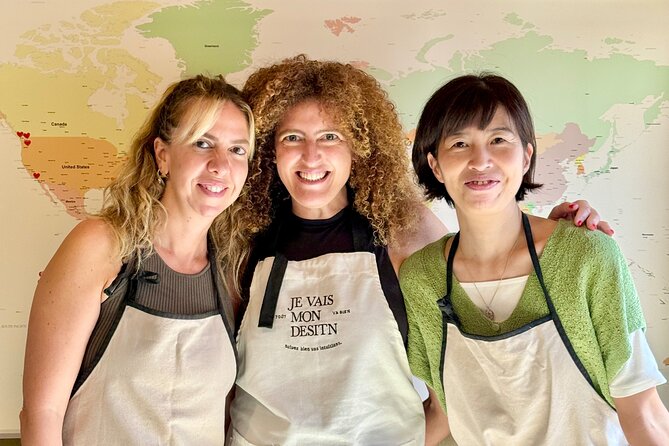
This is one area where you should take the info seriously. The experience notes that the hosts have a dog, and it says it is not recommended for animal allergy. If you are sensitive to dogs, I would treat this as a hard filter, not a maybe.
There is also an allergy instruction for food. If you have food allergies, you should tell them in advance. The class notes this because cooking a ramen and gyoza spread involves multiple ingredients that can overlap with common allergy categories.
On the upside, the class can work for multiple diets. It is explicitly plant-based, and it offers gluten-free options. It is designed so that vegans, vegetarians, and omnivores can all enjoy the same meal without feeling like someone compromised the flavor.
If you do not have pet or food allergies, you should feel comfortable. And if you do, the key is simple: message ahead with what you need. That is how you get a class that stays fun instead of stressful.
More Kyoto temple visits, food tours, tea experiences, and day trips to compare

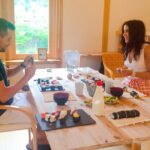
English instruction with Satoru and Akiko, plus room for questions
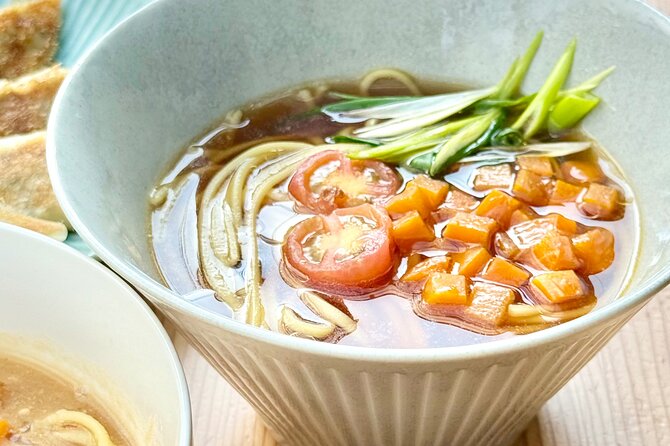
The class includes an English-speaking instructor, and the hosts behind Kyoto green cuisine are Satoru and Akiko. In real life, that combination is what turns a cooking lesson from “watch and hope” into “learn and repeat.”
People have specifically praised the clarity of instruction and the fun, friendly, relaxed vibe. That kind of teaching matters for ramen because a broth can go from perfect to too flat if you miss a step, or if you do not know what to look for.
You should also expect a lesson style where questions are welcome. One participant mentioned liking the basics and being able to ask for details. Even if you come in with beginner skills, ramen and gyoza training is easier when you can ask follow-up questions like:
- How do I tell when the broth is ready
- What texture should the filling feel like
- How do I avoid gyoza going soggy
If you already cook, you can still get value. Ask about ratios, timing, and the logic behind each ingredient. The hosts position themselves as culinary professionals with decades of experience, and the teaching focus matches that: learn the method, not just the steps.
Price and value of a 2-hour ramen and gyoza class

At $65.15 per person for about two hours, you are paying for more than food. You are paying for instruction, ingredients, and the right to eat what you make. In Kyoto, a lot of meals are expensive, but they do not teach you how to recreate the flavor.
Here is why I think the value makes sense for many people:
- You leave with recipes, so you can cook at home
- You make both ramen broth and gyoza, not one small component
- You get lunch or dinner included, so your time directly turns into a meal
- It is private, which usually means better attention per person
The one tradeoff is time. If you want to cram Kyoto sightseeing into every hour, a two-hour class can feel like a block. But if you care about food and want something more personal than restaurant dining, this class is a strong use of time.
Also, it is described as something that is often booked about 11 days in advance on average. If you are traveling around busy periods, book sooner rather than later.
Who this vegan ramen and gyoza class fits best
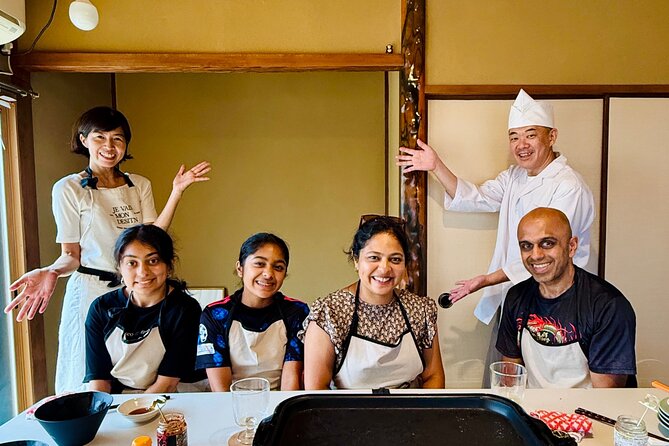
This class is for you if you want Japanese cooking that tastes serious, not just ethical. The instructors are clear that they are not trying to create a ramen that is merely vegan-friendly. Their goal is that you enjoy the bowl as ramen, period.
It is a good fit if you:
- Love ramen and want a plant-based version with depth
- Prefer hands-on learning over a food tour
- Want a private experience in Kyoto with English guidance
- Appreciate recipes you can actually use later
It may not be the best fit if you:
- Have a dog allergy, since the dog is on site
- Have complex allergies and have not informed the hosts ahead of time
If you are traveling with friends who eat differently, this format can still work well. The meal is designed for vegans, vegetarians, and omnivores, so you are not splitting into separate plans.
Should you book this Arashiyama vegan ramen and gyoza class?
If your main goal is to learn how to make deep, satisfying vegan ramen broth plus crispy gyoza with clear English instruction, I would book it. The best sign is that the class focuses on replicable technique, not just serving a bowl and moving on.
I would only pause if you have pet allergies, or if you know you need careful handling for food allergies and you cannot or will not message in advance. If you are good on those points, this is the kind of Kyoto experience that feels practical: you get a great meal now, and you bring home the process to make it again later.
FAQ
What is included in the Arashiyama vegan ramen and gyoza class?
The class includes bottled water and tea, and you cook and eat either lunch or dinner with the instructors. You also get aprons and towels, an English-speaking instructor, and cooking recipes.
How long does the class last?
It runs for about two hours.
Is this experience private?
Yes. It is a private tour or activity, so only your group participates.
Are there gluten-free options?
Yes, gluten-free options are available.
Where do I meet for the class?
You start at Arashiyama Station, at Arashiyama Higashiichikawacho, Nishikyo Ward, Kyoto 616-0002, Japan.
Are alcoholic drinks included?
No. Alcoholic beverages are not included, and soda or pop is not included either.
What should I know about allergies and the dog on site?
The hosts have a dog, and the experience notes it is not recommended for people with animal allergies. If you have food allergies, you should inform the provider in advance.
What is the cancellation policy for a full refund?
You can cancel up to 24 hours in advance for a full refund. If you cancel less than 24 hours before the start time, the amount paid will not be refunded.
More Workshops & Classes in Kyoto


More Food Experiences in Kyoto


More Tour Reviews in Kyoto


Not for you? Here's more nearby things to do in Kyoto we have reviewed





Arashiyama & Bamboo Grove Tours, compared.
 ★ 4.8Fushimi Inari, Kinkakuji, Bamboo Grove 1 Day Bus TourFrom $1224,316 reviews
 ★ 4.1Osaka/Kyoto:Kinkakuji,Arashiyama,FushimiInariShrine,NaraParkFrom $661,596 reviews
 ★ 4.7Kyoto/Osaka: Nara, Fushimi Inari Taisha, Arashiyama Bus TourFrom $521,275 reviews
 ★ 5.0Kyoto Arashiyama Walking Tour: Bamboo, Monkeys, Gardens & SecretsFrom $651,216 reviews
 ★ 4.8Arashiyama Bamboo, Temple, Monkeys, or Secret Sake BreweryFrom $87886 reviews
 ★ 5.0Arashiyama Bamboo Forest, Monkeys, Matcha & Temple TourFrom $53759 reviews
 ★ 4.4Osaka/Kyoto: Arashiyama, Nara & Fushimi Inari Shrine w/LunchFrom $61754 reviews
 ★ 5.0Nijo, Kinkaku-ji, Arashiyama, Kiyomizu & Fushimi InariFrom $51699 reviews
Browse the lists this tour appears in