
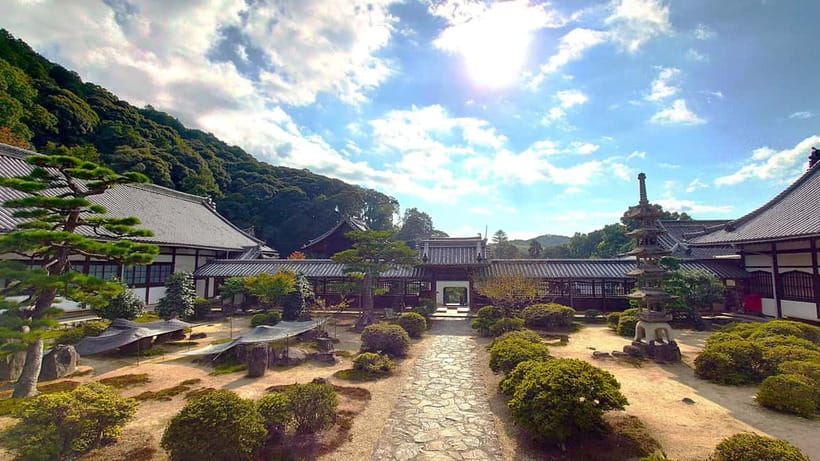
Reviewed · KYOTO TEA CEREMONIES
Cycling Tour at Uji’s Matcha Green Tea Fields and Heritage
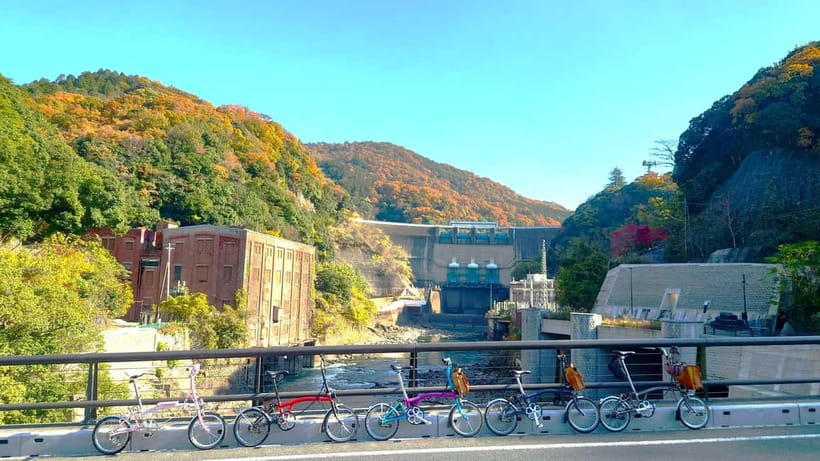
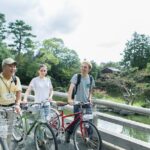
Tea, temples, and wheels along the Uji River. This Uji day is fun because you ride BROMPTON bikes with a local navigator, which turns matcha town sightseeing into a calm, easy loop you would not easily stitch together on your own.
I especially like two things: the matcha-and-tea focus in Chazuna, plus the quiet Uji River route that includes Tō-no-shima Island for excellent photo breaks. One thing to plan for, though, is extra cost for optional entrances, like the Byodoin Phoenix Hall and the Chazuna entry if you choose to go in.
Key things that make this Uji cycling tour worth your time
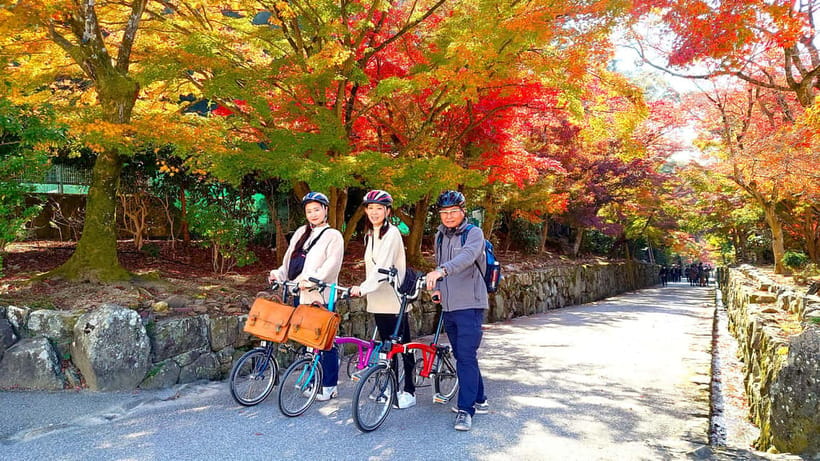
- Brompton comfort for non-racers: slow, controlled riding makes it feel approachable
- Small group size: capped at 6 people, so you are not constantly stopping for crowds
- Tea learning built into the day: matcha process context at the Chazuna stop
- Quiet river route: a calmer Uji River course that supports scenic photos
- UNESCO stop without rushing: dedicated time at Byodoin Temple with Phoenix Hall optional access
- Local navigator who adjusts the pace: you can ask for course changes based on your wishes
Why Uji works better on a Brompton than on foot
Uji is famous for matcha, but it is also packed with older shrines and temples that sit in between neighborhoods, river bends, and small roads. Walking can get choppy fast, especially if you want to move beyond the most obvious streets. This tour solves that by putting you on compact bikes that keep the day light on your feet and heavy on the scenery.
The BROMPTON bike is the real vibe check here. It is not just transportation. It makes you slow down and look, because you are not doing long stretches or fighting stairs. You also get a rhythm: ride, pause, listen, taste, then ride again. That rhythm is exactly what you want for Uji, where the best moments often come from quiet details.
You can also read our reviews of more cycling tours in Kyoto

Meeting at the Tea Jar post outside JR Uji Station
Your day starts right outside JR Uji Station, at the Tea Jar post. You meet a navigator with a Brompton bike, and you go from there with helmets and ride gear already sorted. This is one of those small conveniences that matters in Japan, where organizing rentals and meeting points can take energy away from the fun.
Because the group is limited to 6 participants, the guide can manage traffic and spacing without turning every stop into a logistics puzzle. It also means you are more likely to get personal attention, like pacing you if you prefer an even slower roll.
One practical tip: bring the basics you like for walking comfort, since you will still be stopping and standing for temple and shrine time, even though the biking is gentle.
Chazuna and the matcha-focused stop that sets the tone
The tour begins with a Chazuna bike segment, around 30 minutes, and Chazuna is the start of Uji’s tea story. This is where you shift your brain from Kyoto sightseeing mode into matcha mode. You get a tea-centered stop tied to local exchange, and it also connects to optional entry if you want to go deeper.
What I like about a guided start like this is that matcha stops can easily turn into just a drink and a souvenir powder. With a navigator guiding the flow, you get context for what you are seeing and tasting. In particular, the tour is designed to help you understand the beginnings of tea and the process that makes matcha special.
If you want a takeaway product, this is also the kind of day where matcha shopping feels purposeful. You are not just buying because it is cute. You are buying because you know what to look for and how it fits into Uji’s reputation.
Optional note for your budget: Chazuna’s entrance is an add-on option (600 yen). If you skip it, you can still enjoy the time around the tea shop area.
Shrines and temple time: Uji’s spiritual stops without the chaos
After Chazuna, the route moves through several shrine and temple stops, each with a relaxed ride segment and dedicated time on foot. Think of these as “chapters” rather than a checklist. You get the feeling that Uji is a layered place, shaped over centuries, but still lived in today.
You visit:
- Uji Shrine (about 20 minutes cycling segment)
- Ujigami Shrine (about 20 minutes cycling segment)
- Uji Kosho-ji Temple (about 20 minutes cycling segment)
What makes this trio work is the pacing. You are not trying to sprint from one sacred site to the next. You roll up by bike, pause for photos and viewing, then move on. The guide keeps the day calm, and that matters because shrines and temples are best when you can actually look, not just pass.
A possible drawback: if you dislike walking short stretches, you still will. The tour is “slow cycling,” but it is still a sightseeing day with stops, so plan for some standing time. The good news is you are doing it with a guide and a steady tempo.
The Uji River quiet course and Tō-no-shima Island photo breaks
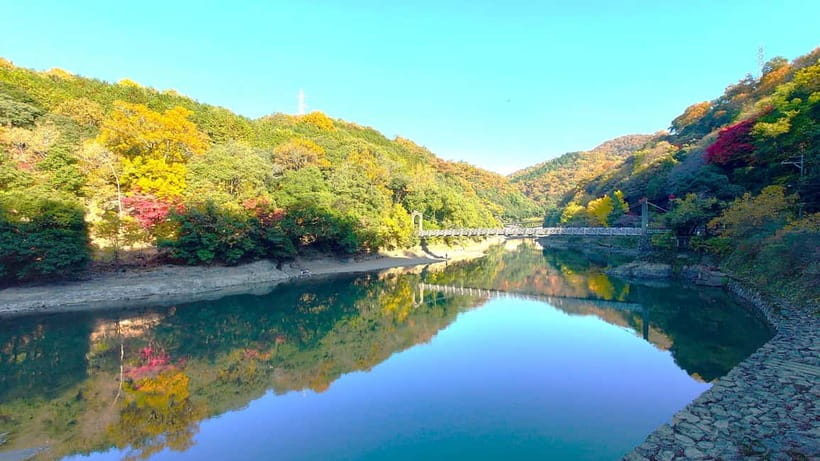
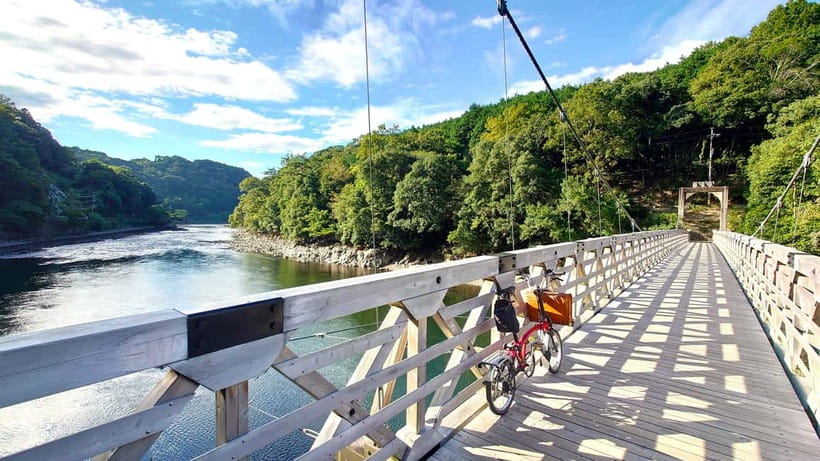
This is where the day turns scenic in the best way. After the temple stops, you switch into a calmer biking mode along the Uji River, including a ride to Tō-no-shima Island.
The Uji River section is praised for a reason: it feels different from city sightseeing. You get open views, calmer paths, and photo moments that do not rely on people traffic. Even when you stop for pictures, the environment helps you breathe.
Tō-no-shima Island is a strong highlight because it gives you a sense of Uji as a river town, not just a shrine town. If you like composition, reflections, and wide shots, you will enjoy the variety. It is also a good spot to slow down, take a break, and mentally reset before the UNESCO stop.
You can also read our reviews of more historical tours in Kyoto
Byodoin Temple and the UNESCO Byodoin Phoenix Hall
The anchor of the tour is Byodoin Temple, with about 1 hour of time for this UNESCO experience. Byodoin Phoenix Hall is a UNESCO World Heritage Site, and this stop is worth treating as the main event rather than a quick photo stop.
Here is how to get value out of the time: start by looking at the structure and layout, not just the famous parts. Then let the guide’s context put it into perspective. When you have a guide handling the “what and why,” you spend less time guessing and more time appreciating details you might otherwise miss.
Important budget note: entrance fees for Byodoin Phoenix Hall are an optional add-on (700 yen). If you are trying to keep costs tight, decide ahead of time whether you want to pay for Phoenix Hall entry. If you want the full UNESCO experience, plan to include it.
Local snacks in Uji, plus matcha shopping that feels grounded
Around the end of the tour, you get local snack time in Uji, with about 30 minutes set aside. Snacks are not included, but the navigator will suggest places based on your preferences. That is actually a smart setup for a food day, because you can steer toward what you like, rather than getting assigned something random.
If you are matcha-leaning, this is also where it pays off that your day already built a tea framework. You are more likely to order something you understand, and you know what to look for if you want to buy matcha powder to take home.
One practical note: since snacks are on you, it is worth planning a small budget for this part. The $160 tour price covers the cycling experience and guide, but food choices will depend on what you pick.
Price and value: what $160 really buys for 270 minutes
At $160 per person for about 270 minutes, the value comes from what is included, not just the biking. You are paying for:
- the bicycle rental
- the exclusive navigator fee
- riding equipment like helmets and bags for wheeled transport
- an English guide
Then there are the optional items:
- insurance fee option (500 yen)
- tea and Chazuna entrance fee option (600 yen)
- Byodoin Phoenix Hall entrance fee option (700 yen)
- snacks (not included)
When entrance fees and food are optional, you get control. If you pay all add-ons, the price rises, but you are choosing the depth. If you only pay for the core sights and skip some extras, you still get a structured day that is hard to replicate without local help.
Also, the small group size changes the feel. You get a guided day with less crowd noise, and the guide can adjust pacing. For many people, that is exactly what makes a half-day tour feel worth it.
Who this Uji Brompton tour suits best
This tour fits best if you want:
- a calm sightseeing day
- matcha culture plus shrines and temples
- a route that includes river scenery you might not find by yourself
- help with navigation, especially between older sites
It is also a good option if you are not super confident physically. The cycling is described as slow and relaxed, and the bike setup removes the stress of bringing gear.
You might prefer something else if:
- you want a fully self-guided day with no structure at all
- you are not comfortable cycling outdoors, even at an easy pace
- you are hoping that every major entrance is automatically included in the base price, because Phoenix Hall and Chazuna entry are optional add-ons
Should you book this Uji cycling tour?
I would book it if you want Uji in one smooth block: matcha first, spiritual stops next, river scenery in the middle, and UNESCO as the finish. The structure is simple, and the day is long enough to feel satisfying without dragging on endlessly.
The biggest decision for you is how you handle optional entry and food. If you are ready to pay for Phoenix Hall and you want to try tea and snacks that match your tastes, the tour clicks. If you are trying to minimize extras, you can still enjoy a lot of the experience, just plan to prioritize what you want to enter.
If you want a peaceful Uji day with a guide who can steer you around the quieter parts, this is the kind of tour that earns its place.
FAQ
How long is the Uji cycling tour?
The tour lasts 270 minutes.
What is included in the $160 price?
The price includes bicycle rental, an English guide, an exclusive navigator fee, and cycling equipment such as helmets and bags for wheeled transport.
Are entrance fees included for Chazuna and Byodoin Phoenix Hall?
Chazuna entrance is an option (600 yen), and Byodoin Phoenix Hall entrance is an option (700 yen). Entrance fees are not listed as included.
Do I need to bring a bicycle or helmet?
No. The tour provides the bicycle rental and bicycle equipment such as helmets and bags for wheeled transport.
How big is the group and what languages are offered?
The group is limited to 6 participants. The tour offers Japanese and English.
What is the cancellation policy?
You can cancel up to 24 hours in advance for a full refund.
More Cycling Tours in Kyoto

More Tours in Kyoto

More Tour Reviews in Kyoto
Not for you? Here's more nearby things to do in Kyoto we have reviewed

Kyoto Tea Ceremonies, compared.
 ★ 4.9Tea Ceremony in a Traditional Tea House in KiyomizuFrom $493,519 reviews
 ★ 4.9Tea Ceremony Ju-An at Jotokuji TempleFrom $293,207 reviews
 ★ 4.345-Minute Tea Ceremony Lesson ExperienceFrom $222,378 reviews
 ★ 5.0World Heritage Kyoto & Nara Uji Authentic Matcha ExperienceFrom $1291,573 reviews
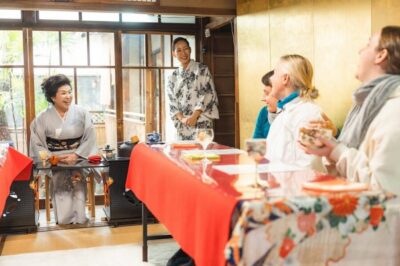 ★ 4.9Table-Style Tea Ceremony at a Kyo-MachiyaFrom $451,211 reviews
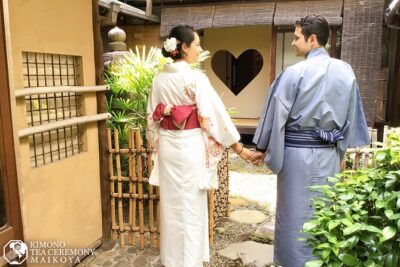 ★ 5.0Kimono Tea Ceremony at Kyoto Maikoya, NISHIKIFrom $65911 reviews
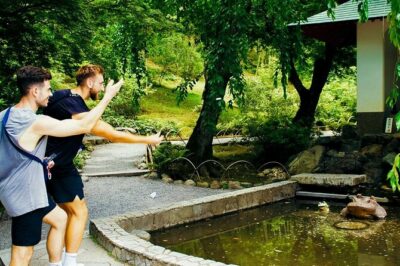 ★ 5.0Arashiyama Bamboo Forest, Monkeys, Matcha & Temple TourFrom $53759 reviews
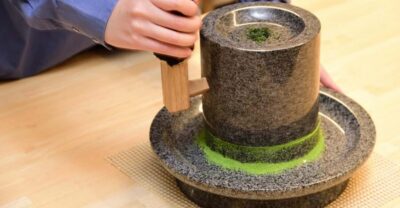 ★ 4.9Tea Museum Tickets and Matcha Grinding ExperienceFrom $23739 reviews
Browse the lists this tour appears in