
Reviewed · KYOTO COOKING CLASSES
Gyoza Cooking Class in Kyoto: Traditional Japanese Dumplings
Kyoto’s gyoza workshop turns dinner into a skill you keep. In 90 minutes, you learn traditional dumpling making with an English-speaking instructor, then eat what you cook fresh from the pan. You also get a fun Samurai photo moment that makes the whole experience feel extra Kyoto.
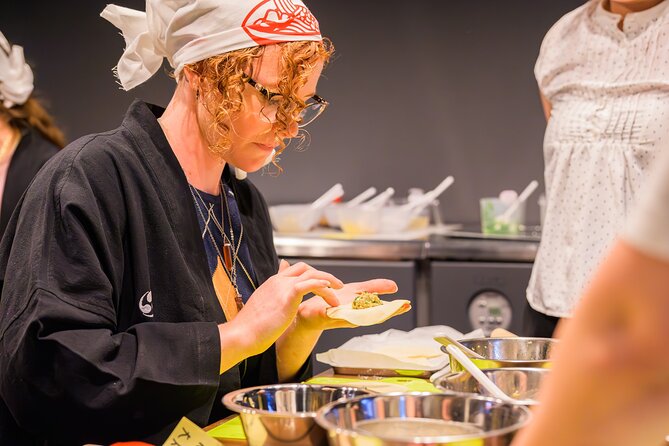
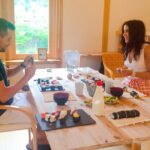
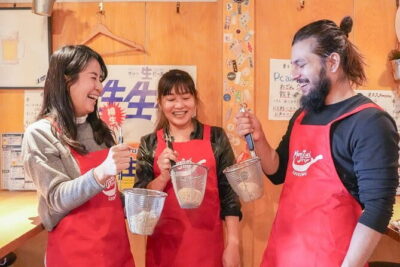
What I really like here is the focus on doing, not just watching. You choose from meat and vegetable fillings, and the class is paced so even beginners can get to that crisp, juicy end result.
The main thing to consider: it is not suitable for wheelchair users, so check mobility needs before you book.
Key Things to Know Before You Make Kyoto Gyoza
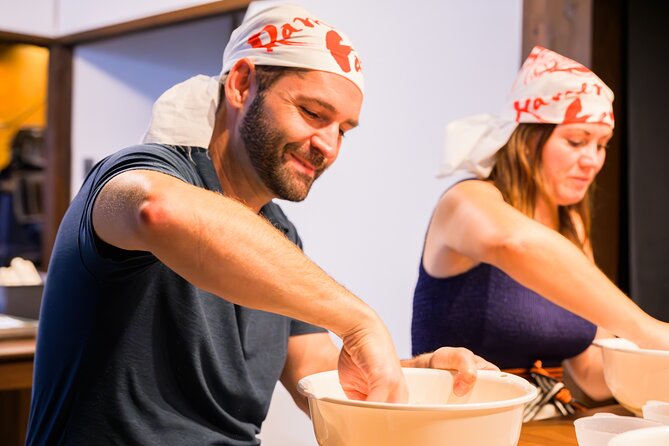
- You get to customize fillings with options across meat and vegetables, so your gyoza can match your tastes
- Wrapping is taught step by step, with guidance that helps you shape dumplings instead of guessing
- You cook the gyoza yourself in class, then eat your own pan-fried dumplings right away
- A full recipe is included, so you can recreate your gyoza at home
- Tools and an instructor are included, which keeps the experience practical and beginner-friendly
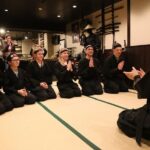
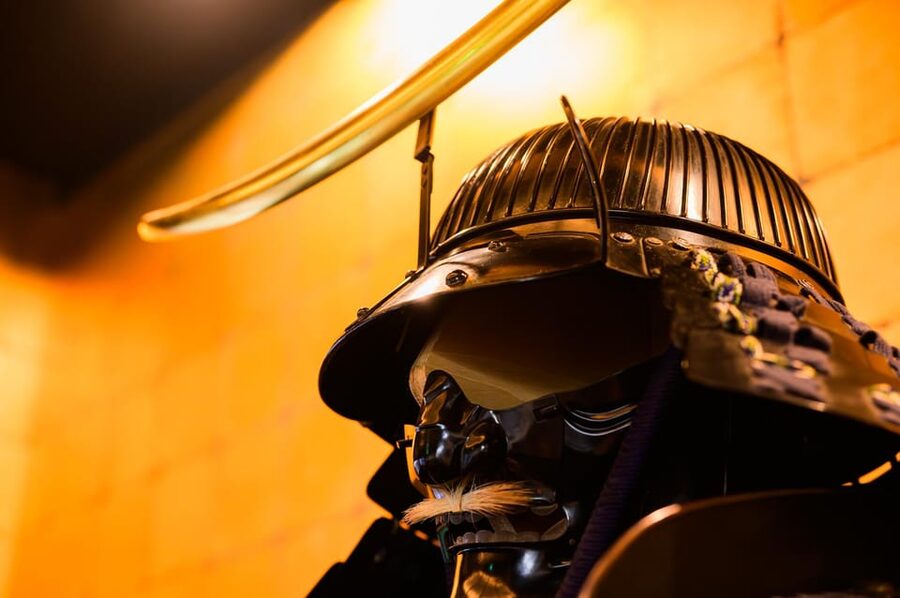
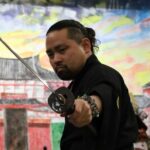
- A photo with a Samurai adds a memorable, playful moment beyond the cooking
Finding the Class: Karasuma Oike Meeting Point Made Simple
This class is easy to reach because it sits near Kyoto City Subway Karasuma Oike Station. Your meeting point is a 5-minute walk from Exit 2 on the Karasuma Line and Tozai Line, and it is about 362 meters from the station.
In Kyoto, that kind of access matters. You are less likely to lose time circling streets or arrive stressed while your hands are about to be covered in gyoza filling. If you want this to feel smooth, plan to arrive a few minutes early, especially if you are pairing the class with dinner nearby.
One practical note: transportation costs are not included. So if you are coming from a temple day or another neighborhood, keep your subway plan in mind when you pick your start time.
You can also read our reviews of more cooking classes in Kyoto
The 90-Minute Game Plan: What Happens After You Walk In
The session runs for 90 minutes, and it moves like a good cooking class should, steady and hands-on. You will spend the time learning core gyoza skills you can actually repeat at home: ingredient selection, filling prep, wrapping technique, and pan-cooking.
Here is the flow you can expect:
- You start with how to choose and prepare ingredients for gyoza filling.
- You shape and wrap your dumplings using an authentic technique, not just a quick shortcut.
- You cook them on the pan until they reach that classic stage: crispy on the bottom, juicy inside.
- You eat what you made, rather than leaving hungry or relying only on snacks.
You also get one free drink as part of the class. It is a small extra, but it helps you settle in without feeling like you have to budget for every bite and sip during your activity.
A nice bonus is that the class includes cultural context and stories about the dish while you work. That matters because gyoza is not just a recipe, it is part of Japanese everyday eating, especially for casual gatherings.
Picking Fillings: Meat and Vegetable Options You Can Tailor
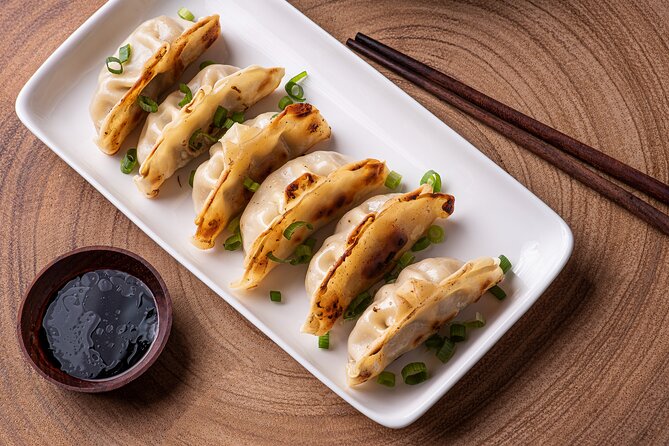
One of the biggest values here is that you do not have to accept a single filling. You get to choose from a variety of meat and vegetable fillings, which means you can steer the final flavor profile.
If you like classic comfort, meat fillings will feel familiar and satisfying. If you prefer something lighter or more veggie-forward, the vegetable options let you keep the experience without turning the class into a compromise.
The instructor also supports customization. When you ask for what you prefer, you are more likely to end up with dumplings that match what you actually want to eat that evening, not just what the class assumes everyone wants.
And because you learn the ingredient selection process, you are not stuck copying a single version. You leave with a framework you can use again later.
Wrapping Technique: The Skill That Makes Gyoza Feel Like Magic
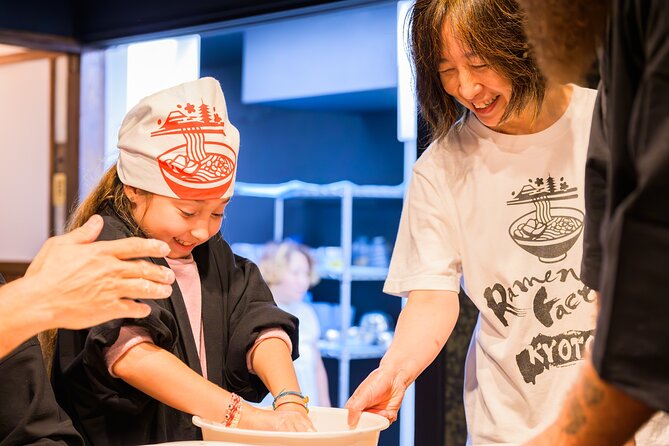
Wrapping is where most people get nervous before they start. But the class is built so you can learn the technique without having to be a confident home cook first.
You get guided help on:
- portioning filling correctly (so dumplings do not burst or end up dry)
- folding and sealing so they hold their shape
- getting that familiar pleated look
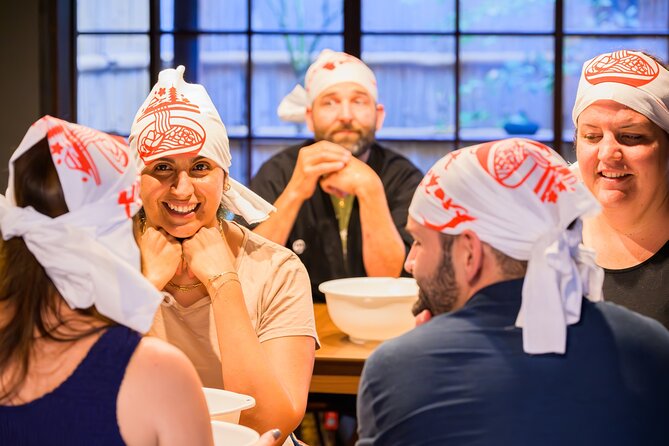
What helps is the pacing and patience. You are not rushed through the hard part. The room tone is relaxed and welcoming, so if your first dumpling looks imperfect, you are not punished for it. You are learning.
I like that the emphasis is on technique you can repeat. A lot of cooking experiences show you how to do something once, then hand you a vague takeaway card. Here, wrapping is taught as a real skill, and that changes how enjoyable the class feels.
Pan-Cooking for Crisp Bottoms: How to Get That Just-Right Texture
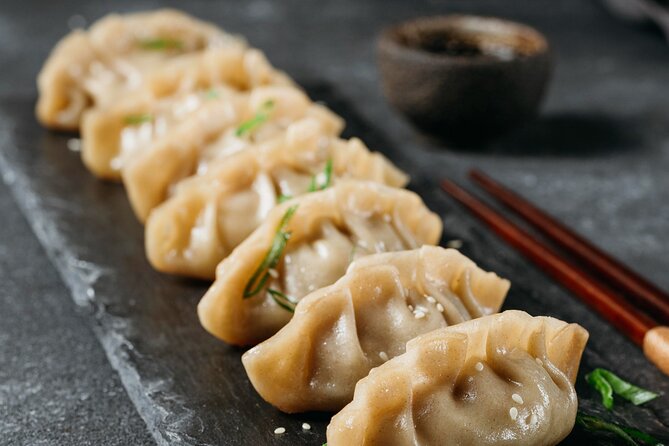
After you wrap your dumplings, you cook them to perfection and eat right away. That timing is smart. You learn the cooking process while everything is fresh and the results are immediate.
The key outcome you are aiming for is simple to describe and tricky to nail:
- crisp, browned bottom
- tender inside
- dumplings that taste like they were made for you, not like a factory version
In class, you get guidance on cooking your gyoza on the pan. You are not guessing heat levels or timing blindly. That is a big reason this class feels worth it, especially if you have only eaten gyoza from restaurants and never cooked them yourself.
Also, you get to enjoy the results as you go. That reduces the common cooking-class problem where you spend 60 to 75 minutes working and then eat food you barely remember making. Here, the best part comes fast enough to stay fun.
More Kyoto temple visits, food tours, tea experiences, and day trips to compare
Meeting the Instructor: English Support and a Calm, Friendly Style
This workshop is led by an English-speaking instructor (with Japanese also used as needed). You also have tools provided, so you are not showing up and realizing you need equipment you did not pack.
A standout detail from the experience: the teaching style is patient and clear. One guide named Hama shows up in the way the class is described as friendly, sweet, and encouraging. If you are worried about language barriers, this is reassuring because the class is structured to keep you moving forward.
I also like that there is enough support for different skill levels. The class is fun for experienced cooks who want authenticity, and it still works for beginners who need basic guidance without feeling overwhelmed.
And if you are bringing kids, this kind of step-by-step instruction matters. One family described the class as a great activity that worked for children around age 11. That tells you the experience is structured in a way that keeps younger participants engaged while still teaching real skills.
The Samurai Photo Moment: A Cute Kyoto Extra You’ll Actually Remember
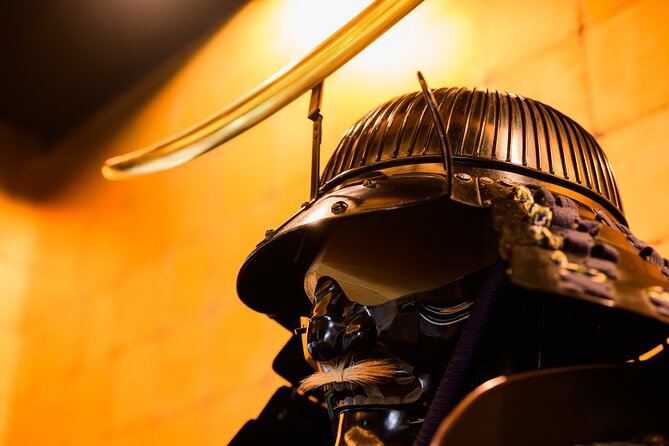
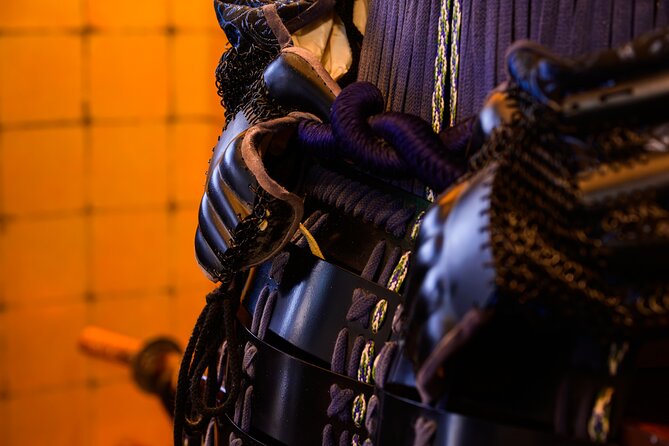
The highlights include a photo with a Samurai. That is the kind of extra that could feel gimmicky in some places, but here it works because it is tied to your overall time in the class, not tacked on as a random stop.
Photos are not why you book a cooking class, but a photo opportunity can turn a great evening into something you remember on command. It is also useful if you are traveling with others and you want an easy shared memory that does not require planning.
If you are the type who likes a little play in between structured activities, this part adds charm without taking over your whole experience.
Take the Recipe Home: The Part That Makes This More Than a One-Off
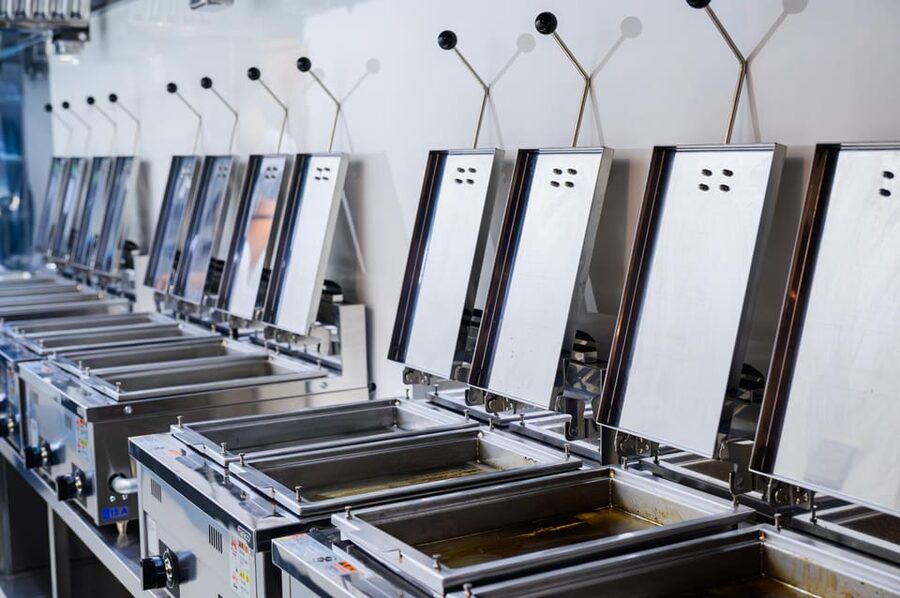
You do not just learn gyoza and eat it once. You get the full recipe to cook Japanese gyoza at home.
That is the difference between a class that feels like entertainment and one that gives you something lasting. If you have ever made a dish once on vacation, then watched the skill evaporate when you got home, you will appreciate having a written recipe.
Also, because the class teaches how to select ingredients and how to wrap and cook, the recipe is not just a list of steps. It is a reminder of technique. That makes it much easier to get back on track when your first batch at home does not match what you remember from class.
Practical tip: when you get the recipe, take a moment to note what filling option you chose, and what your finished dumplings looked like. That way, when you cook again, you can adjust heat and portioning with confidence instead of guessing.
Price and Value: Is $127 for 90 Minutes Fair?
At $127 per person for a 90-minute class, you are paying for a guided, hands-on experience. The value is not just the food. It is the combination of:
- an English-speaking instructor
- cooking tools provided
- a free drink
- the gyoza you make in class
- the full recipe to bring home
For me, the value comes from what you avoid. You avoid figuring out gyoza equipment, sourcing ingredients, and learning technique from scratch. You also avoid the frustration of a first attempt where dumplings stick, burst, or turn out soggy.
This is one of those experiences where the fee makes sense because the class covers the learning curve. If you like cooking, or you want a Kyoto activity that is more than sightseeing, this tends to justify itself fast.
One consideration is that transportation is not included. If you are staying far from Karasuma Oike, your total cost may creep up a bit. Still, the meeting point is close to transit, so it is rarely a deal-breaker.
Who This Gyoza Class Fits Best
This class is a strong match if you:
- want a hands-on Kyoto activity instead of another walking tour
- like Japanese food and want to understand how it is made
- are a beginner and want clear guidance, not trial and error
- want a recipe you can use later, not just a meal you ate and forgot
It is also a good option for mixed groups, including families. The class format is structured enough to keep different ages engaged, as long as everyone can comfortably work seated and follow instructions.
If you need wheelchair accessibility, this is not suitable for wheelchair users, so plan a different Kyoto food experience.
Quick Decision: Should You Book This Gyoza Class?
Yes, you should book it if you want a fun, practical Kyoto night where you leave with a real cooking skill and a recipe you can use again. The combination of wrapping technique, guided pan-cooking, and the fact that you eat what you make is exactly how a cooking class should feel.
Skip it only if you are mainly shopping for a passive experience. This is hands-on by design. You will be shaping dumplings, working with filling, and cooking on a pan. If you enjoy that kind of involvement, this is one of the more satisfying ways to connect with Japanese food while you are in Kyoto.
FAQ
Where is the meeting point?
The meeting point is a 5-minute walk from Exit 2 of Karasuma Oike Station on the Kyoto City Subway Karasuma Line and Tozai Line. It is about 362 meters from the station.
How long is the gyoza cooking class?
The class lasts 90 minutes.
What does the price include?
The price includes an English-speaking instructor, cooking tools, one free drink, and the gyoza you make during the class.
What is not included?
Transportation expenses are not included.
Can I choose different fillings?
Yes. You can choose from a variety of meat and vegetable fillings.
Is there an English-speaking instructor?
Yes, the class includes an English-speaking instructor (with Japanese also available).
Is there a photo opportunity?
Yes, the experience includes a photo opportunity with a Samurai.
Is the class wheelchair accessible?
The activity is not suitable for wheelchair users.
What should I do if I have allergies or dietary restrictions?
Inform the provider in advance if you have any allergies or dietary restrictions.
What booking and cancellation options are available?
You can reserve now and pay later, and you can cancel up to 24 hours in advance for a full refund.
More Workshops & Classes in Kyoto

More Cooking Classes in Kyoto
More Tour Reviews in Kyoto

Not for you? Here's more nearby things to do in Kyoto we have reviewed


Kyoto Cooking Classes, compared.
 ★ 5.0Ramen Cooking Class at Ramen Factory in KyotoFrom $1311,937 reviews
 ★ 5.0Sushi Making in Kyoto! Same-day bookings welcome!From $53713 reviews
 ★ 4.9Ramen Cooking Class at a Ramen Factory with SouvenirFrom $127532 reviews
 ★ 5.0Ramen, Gyoza, and Onigiri Cooking ClassFrom $90445 reviews
 ★ 5.0The Original Small-Group Sushi Making Class in KyotoFrom $69436 reviews
 ★ 5.0Japanese Washoku Bento Small Group Cooking ClassFrom $58380 reviews
 ★ 5.0Kyoto Ramen and Gyoza Cooking Class with Professional ChefsFrom $86282 reviews
 ★ 4.9Afternoon Japanese Izakaya Cooking ClassFrom $67241 reviews
Browse the lists this tour appears in