
Reviewed · KYOTO COOKING CLASSES
Kyoto: Cooking class, learning how to make authentic sushi
Sushi starts with vinegar rice. This Kyoto class is a hands-on way to learn the foundation, shari (sumeshi), then turn it into sushi you actually eat. You’ll also dress in traditional Happi and get a taste of the Japanese spirit theme, all within a 90-minute session.
I like that the ingredients are pre-cut, so beginners aren’t stuck hunting for basics. You also get to make and eat 8 pieces of sushi, plus a graduation-style certificate and souvenir photos. One possible drawback: if you’re hoping for lots of variety, advanced fish cutting, and multiple roll styles, the core menu is still fairly focused.
Key points to know before you go
- Shari (sumeshi) is the real lesson, with guidance on the vinegar rice mixing trick
- Happi rental plus Japanese spirits activity adds atmosphere, not just cooking
- You eat what you make, including 8 pieces of sushi, not a small taste
- Beginner-friendly setup uses pre-cut ingredients, with optional fish-cut questions
- Dietary accommodations exist for vegetarians, vegans, and Muslim-friendly options
Why This Kyoto Sushi Class Feels More Like a Craft Than a Show
Kyoto already has a way of slowing you down, and this class matches that mood. You’re not just watching sushi happen, you’re building it piece by piece. The structure is designed for a short session, so you focus on the essentials that make nigiri taste right.
What I like is the balance between technique and vibe. You learn sushi fundamentals, then you do a themed part around Japanese spirits, and finish by wearing traditional Happi. It’s a lot more fun than sitting through a lecture with no results.
Still, temper your expectations on depth. The learning is concentrated, and the finished plate centers on a set number of pieces. If you want a broad sushi buffet of roll styles and fish-cut demonstrations, you may feel the session is a bit tight for the price.
You can also read our reviews of more cooking classes in Kyoto
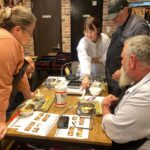
Your First Win: Mixing Shari (Sumeshi) Like You Mean It
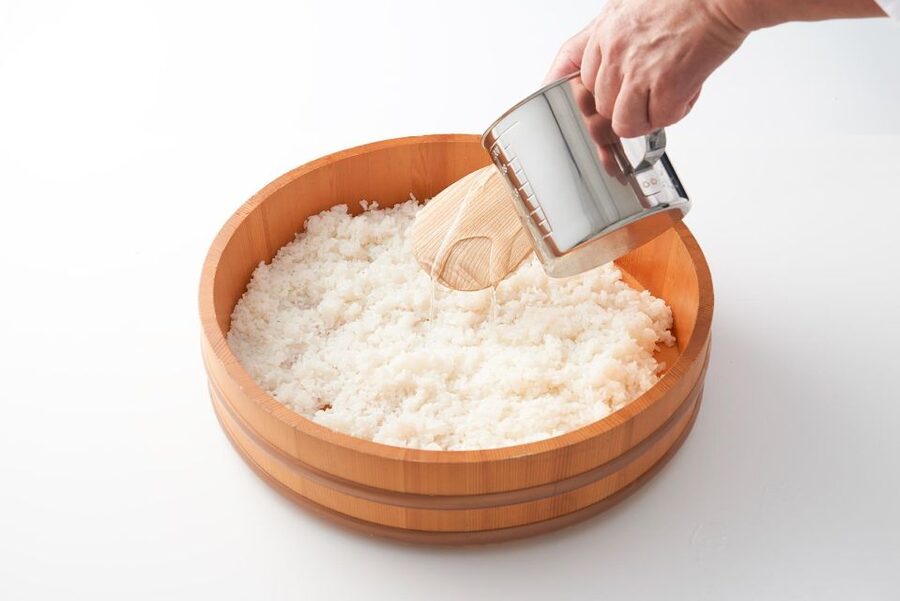
Sushi lives or dies on the rice. The course starts there, with shari (sumeshi), which is vinegared sushi rice. You mix a specially blended vinegar into freshly cooked rice, and the instructor emphasizes that the mixing has a trick to it.
Here’s why that matters for you: a lot of people can form rice, but the rice can taste flat or sticky if the vinegar and mixing are off. Learning how to do it correctly in a guided setting is the part you’ll remember when you try sushi later at home.
The class is also set up for real beginners. Ingredients are prepared in advance, so you’re not waiting around for every step. If you want to keep moving, it’s a smooth pace.
Happi, Japanese Spirits, and the Fun Part of Learning
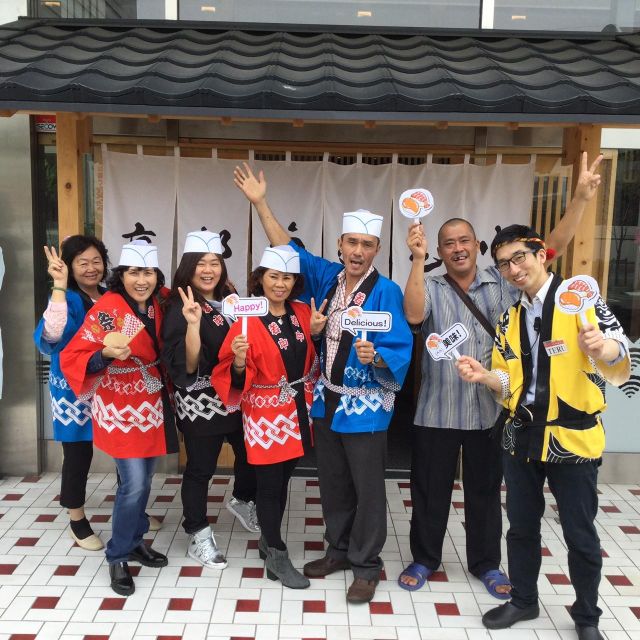
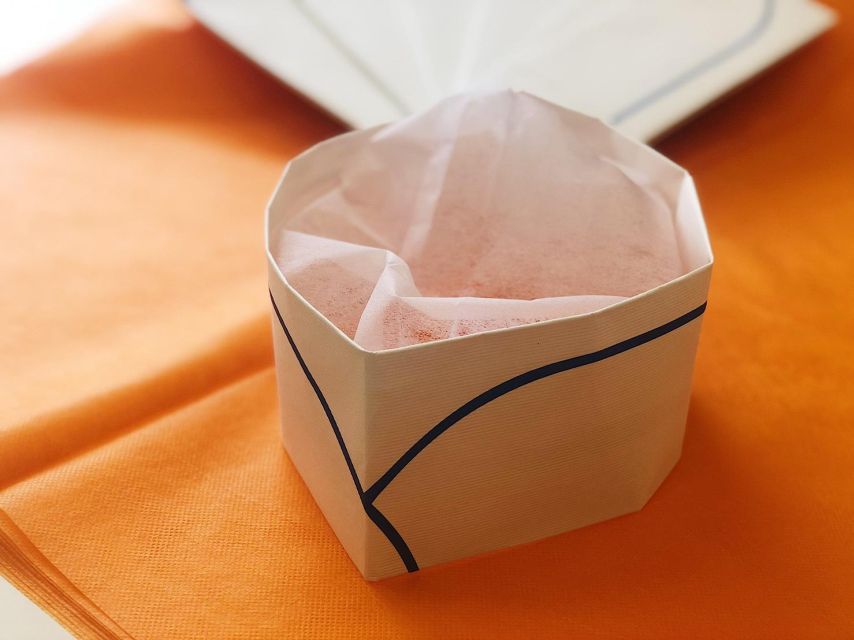
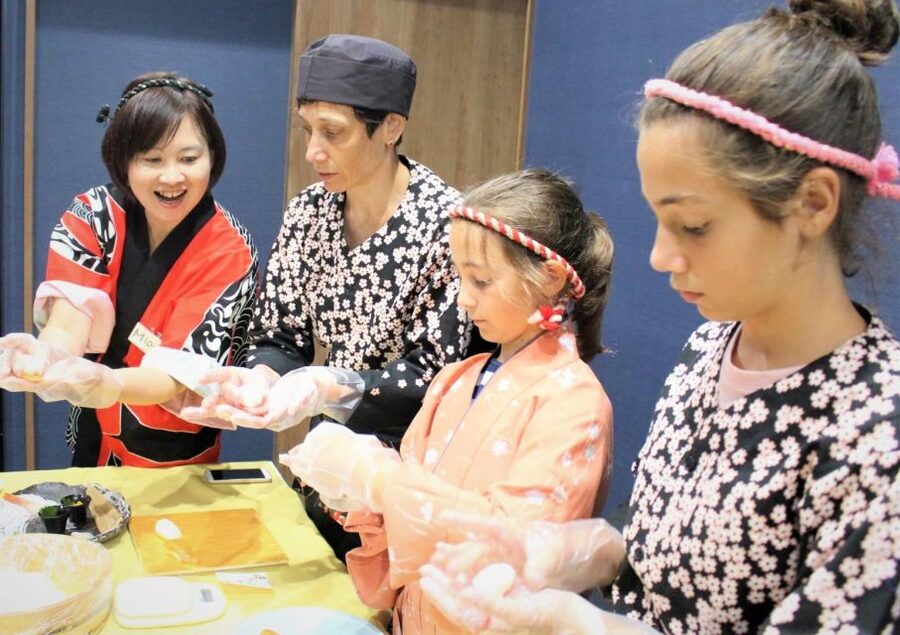
This isn’t a silent kitchen workshop. You’ll experience something tied to Japanese spirits during the class, and you’ll wear a traditional Japanese cloth, Happi.
Why I think that’s valuable: sushi is not just food, it’s ritual. When you dress the part and follow a guided flow, you pay attention. You’re more likely to notice how the rice texture changes, how toppings sit, and how careful portions look on your finished nigiri.
You also get souvenir photography. That matters more than people expect because sushi classes can turn into blurry food shots. With set photo time, you leave with actual memories, not just crumbs.
What You Make in 90 Minutes: 8 Nigiri and a Simple Roll
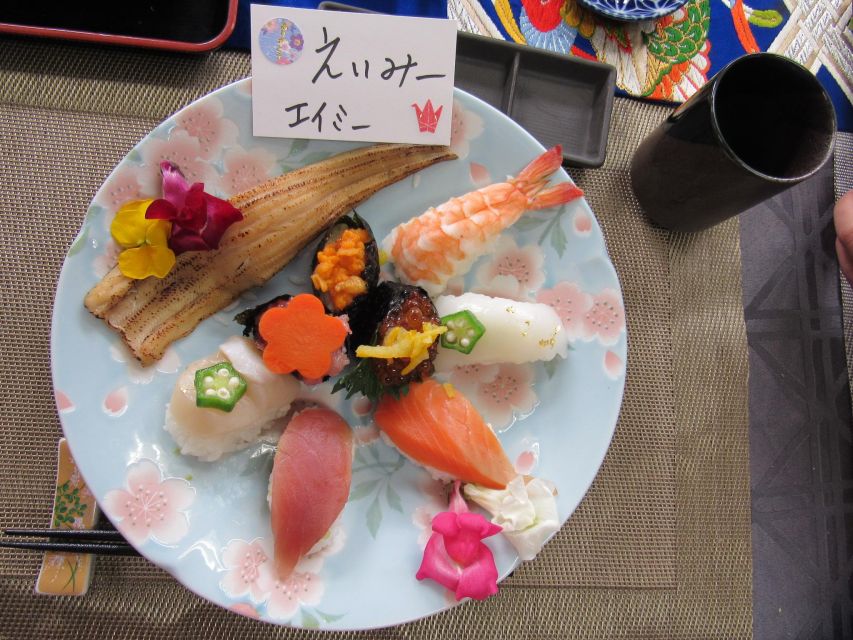
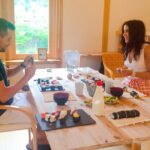
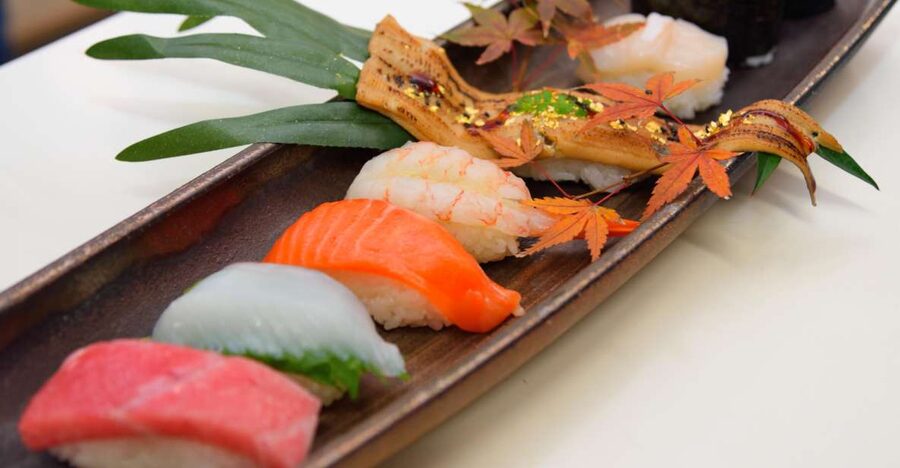
In this class, you’ll make enough sushi to eat a full set at the end. The core is 8 pieces of sushi, and there is also a simple roll included. Toppings can be chosen by you, including options like green onion and ginger.
What you’re really practicing is the assembly that makes nigiri work. You learn how to form rice properly and how to top it so the bite feels balanced. That hands-on practice is what separates this from a demo.
The seafood and premium toppings can be special, depending on the season. You might see choices like extra fatty tuna or a sweet, almost creamy fresh red shrimp. When that happens, it’s a chance to taste high-quality ingredients without needing an expensive meal plan.
One practical note: if you specifically want fish cutting skills, the class invites you to ask. That means you can try to steer the conversation toward what you care about most. But the overall course is still built around making and eating, not turning the whole session into a knife skills seminar.
Seasonal Ingredients, Allergy Options, and Dietary Respect
If you’re traveling with dietary needs, this class is worth a close look. The menu is described as friendly to vegetarians, vegans, and Muslims. You’ll also find that allergies, non-raw options, and gluten-free and other options are available.
For you, the key point is flexibility. They’re not just saying yes, they’re offering practical adjustments. Also, they mention that there is no special infant meal, so if you’re traveling with very young children, you’ll want to plan accordingly.
Another useful detail: toppings can vary by season. That means you’re less likely to feel like you’re repeating the same generic sushi everywhere. But it also means you should keep your expectations flexible when it comes to specific fish or topping availability.
More Kyoto temple visits, food tours, tea experiences, and day trips to compare

How Much Is $113 Worth for Sushi You Actually Eat
At $113 per person for 90 minutes, the price is not cheap. So the value question comes down to what’s included and how much real work you do.
Here’s what you’re paying for, in practical terms:
- A lecture on sushi making
- Hands-on experience assembling your sushi
- English-speaking instructor support
- Japanese spirits experience
- Rental Happi and souvenir photography
- 8 pieces of sushi you eat
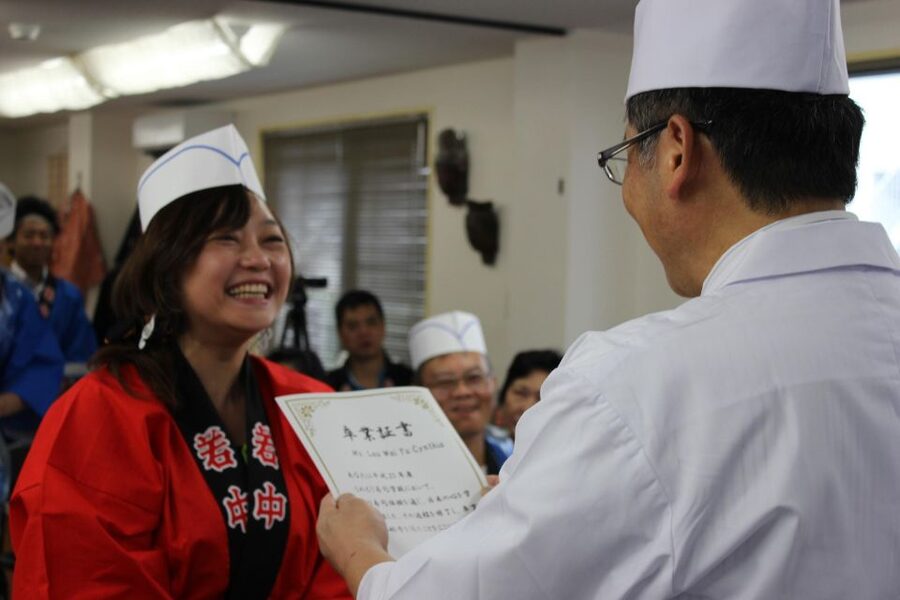
- Certificate of completion and a graduation ceremony
The big value driver is that you eat the result. Many cooking classes either feed you lightly or mostly teach you and then send you on your way. Here, the output is built into the experience, so your money turns into something you can taste, not only learn.
I’ll also flag the potential miss. One person felt the workshop content was a bit basic and that the variety was limited, with eight nigiri plus a very simple roll. That criticism is something you should weigh if you’re the type who wants multiple styles and more technique variation.
If you’re a beginner, the pre-cut ingredient setup can actually be a plus. It means your time goes to sushi rice mixing and assembling, not endless prep.
Getting There From Takeda Station Without Stress
The meeting point is near public transportation, which is good news for Kyoto. You start by getting off at the west entrance of Takeda station on Kintetsu or Subway Line.
From there, take a city bus and get off at the bus stop in front of Puls Plaza. Walk down the street, turn right at the first corner. If you turn left at the first corner after that, you should see the school on your right.
On access: there is no elevator. Staff can help if you’re elderly or have a disability, and the activity is described as wheelchair accessible. If you rely on step-free routes, it’s smart to plan for stairs.
Who This Class Suits Best (And Who Might Prefer Something Else)
This is a strong pick if you want a guided sushi session without needing prior skills. The pre-cut ingredients are a big help, and the course builds around rice and assembly, which are the parts most visitors can learn fast.
It also fits families who can travel safely, but there’s an age note: it’s not suitable for children under 3 years. If your group includes kids under that threshold, you’ll need another option.
If you are someone who loves advanced knife work, fish cutting detail, and lots of different roll variations, you might feel the course is narrow. The class does invite you to ask about fish cuts, but the main flow is still centered on the set sushi pieces you make.
Finally, it suits travelers who enjoy cultural extras. The Happi rental and Japanese spirits experience are included, not tacked on. If you want cooking plus atmosphere, this hits that mark.
Should You Book This Kyoto Sushi Lesson?
I’d book this if you want a beginner-friendly way to learn the part that matters most, vinegar rice and proper nigiri assembly. You’ll eat what you make, and the included Happi, certificate, and photos give the class a real sense of occasion.
Skip or compare if you’re chasing variety and advanced technique for the price. The menu focus is clear: eight pieces of sushi, plus a simple roll, with seasonal topping choices. If you’re expecting a bigger menu and multiple sushi formats, you may want a longer class or a different style of course.
If you can tell me your dietary needs and how comfortable you are with cooking at home, I can help you decide whether this is the right match for your Kyoto plans.
FAQ
How long is the Kyoto sushi cooking class?
The class lasts 90 minutes.
What will I eat at the end of the class?
You’ll eat 8 pieces of sushi made during the course.
Are vegetarian, vegan, or Muslim-friendly options available?
Yes. The menu is described as friendly to vegetarians, vegans, and Muslims.
What is included in the price?
The included items are a lecture on how to make sushi, an experience of Japanese spirits, 8 pieces of sushi, rental cloth (Happi), various toppings you can choose, a certificate of completion and graduation ceremony, souvenir photography, and an English-speaking instructor.
Are there options for allergies or special diets like gluten-free?
Yes. Allergies, non-raw, gluten-free, and other options are available.
Is the class held in bad weather?
Yes. The tour is held no matter what the weather is.
What languages are used during the class?
The class uses English and Japanese.
Where is the meeting point, and is there an elevator?
Meet at the west entrance of Takeda station, then take a city bus to the stop in front of Puls Plaza, walk down the street, and follow the turning directions to see the school on your right. There is no elevator, but staff can help elderly or disabled participants go up the stairs.
More Workshops & Classes in Kyoto

More Cooking Classes in Kyoto
More Tour Reviews in Kyoto

Not for you? Here's more nearby things to do in Kyoto we have reviewed





Kyoto Cooking Classes, compared.
 ★ 5.0Ramen Cooking Class at Ramen Factory in KyotoFrom $1311,937 reviews
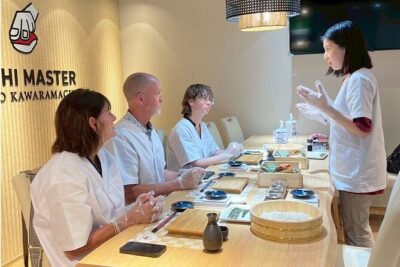 ★ 5.0Sushi Making in Kyoto! Same-day bookings welcome!From $53713 reviews
 ★ 4.9Ramen Cooking Class at a Ramen Factory with SouvenirFrom $127532 reviews
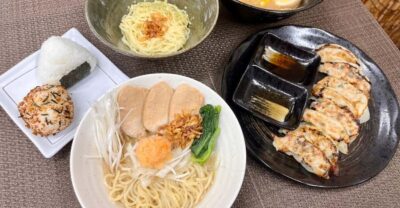 ★ 5.0Ramen, Gyoza, and Onigiri Cooking ClassFrom $90445 reviews
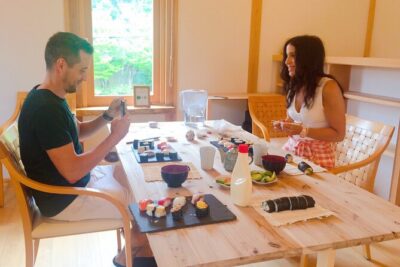 ★ 5.0The Original Small-Group Sushi Making Class in KyotoFrom $69436 reviews
 ★ 5.0Japanese Washoku Bento Small Group Cooking ClassFrom $58380 reviews
 ★ 5.0Kyoto Ramen and Gyoza Cooking Class with Professional ChefsFrom $86282 reviews
 ★ 4.9Afternoon Japanese Izakaya Cooking ClassFrom $67241 reviews
Browse the lists this tour appears in