
First you paint dinnerware, then you get the ramen. It is a hands-on Kyoto workshop where the souvenir is part of the fun. I love the two-part flow (ceramics first, then eating what you build), and I also like that the ramen is made with seriously methodical in-house prep. The one thing to consider is that this class is more about assembling and tasting Musoshin’s finished flavors than fully cooking every component from scratch.
The hosts I met are fast, friendly, and very good at keeping kids involved without slowing adults down. You’ll also get real context on how Musoshin approaches noodles, broth, and seasonings, not just a quick demo. If you’re expecting an all-day, from-scratch ramen seminar, plan for a shorter, guided experience that moves at a cozy pace.
Key things I’d bank on before you go
- Paint a custom ramen bowl or spoon as your take-home souvenir
- Eat Michelin-nominated Musoshin ramen after the class, right there in the workshop
- Free kiln firing for your painted ceramic, ready the next day
- Family-friendly format that works for kids and teens
- Dietary options including gluten free, vegetarian, and vegan ramen
- Small group feel, plus hosts who help with photos and participation
Kyoto ramen, plus a kiln-fired souvenir
This is the kind of activity that makes sense in Kyoto, especially if you want something more personal than a typical cooking class. You start by painting a Musoshin ramen bowl (or choosing the ramen spoon option), wearing an apron and getting a bandana as part of the experience. It’s creative time first, then you shift gears to eating.
What makes this work is the order. The painting gives you something calming to do right away. Then, when you taste the ramen, it feels earned, like the bowl you decorated is actually tied to the meal you’re eating. Several hosts in the room, including Shin, Sherry, Amir, Miki, and Mickey in different sessions, are big on guiding you through each step without fuss.
You can also read our reviews of more cooking classes in Kyoto
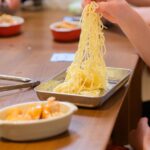
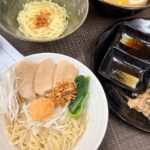
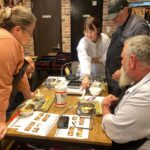
What Musoshin does with noodles and broth
Now let’s talk ramen quality, because that is the main event. The class is run by Musoshin Ramen, which started in Kyoto in 2022. Today Musoshin has six restaurants in Kyoto and Toronto, and the Toronto restaurant has been nominated for Michelin for three consecutive years. The recipe is shared across locations.
Here is the key idea Musoshin emphasizes, and it shows in the flavor:
- Noodles are made in-house every morning, then left to sit overnight for the next day.
- Soup is made for 12 hours.
- Ramen soy sauce and roast pork are handmade.
That’s a lot of time and effort for ingredients you mostly do not see in action during the class. But you feel it when you eat. The broth tastes deeper because it isn’t a last-minute shortcut, and the noodles have that chew you want in ramen.
Enter Musoshin’s ramen workshop, not a studio
One of the more unusual bits here is the setting. The workshop is described as the only ramen workshop in Kyoto that actually has a ramen restaurant. Translation: you are not just painting in a generic classroom and then walking across town for food. The people running the class are operating a real ramen shop, with ingredients sourced from their Musoshin Gion location.
In practical terms, that means the class benefits from shop-level discipline. Your experience is guided, but it is still grounded in how ramen is handled day to day. A few reviews also mention the atmosphere, including Japanese décor, which helps the whole thing feel like you are stepping into a working ramen world.
The class flow: paint, assemble, then slurp
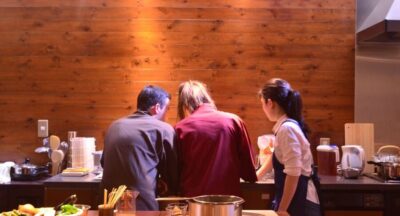
Your time is typically 1 hour to 90 minutes, depending on the session. Expect a structured rhythm: painting first, then an interactive ramen process where you assemble your own bowl.
Painting time, with real guidance
If you want a smooth first step, you’re in luck. Hosts help you get started and keep things moving. People often choose the spoon option when they want to save space in luggage, and the spoon ceramic is described as large and sturdy, not the tiny plastic souvenirs you sometimes see.
Practical tip: you’ll do best if you already know what you want on the bowl. One review noted there is not much time to plan designs on site. If you arrive with a rough sketch or a few color ideas, you’ll leave with something you genuinely like.
More Kyoto temple visits, food tours, tea experiences, and day trips to compare

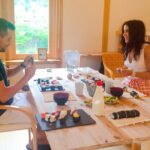
Ramen assembly that feels hands-on
During the ramen part, you bring together components Musoshin has professionally prepared and sourced from their Gion location. The class focuses on building your bowl with the right toppings and timing, and on learning the reasons behind what tastes good.
A helpful reality check from feedback: some people described it as more of a ramen construction experience than a full cooking class where you make every sauce and component from scratch. That’s not necessarily bad, but it is worth knowing. If you want to grind and simmer everything yourself, you may feel a bit shorted. If you want to eat Michelin-nominated-style ramen and learn the method enough to appreciate it, this is right on target.
The tasting
The class ends by you eating the ramen you assemble. That matters, because this is where the Michelin-nominated ingredient philosophy becomes obvious. Even if you only do a couple of quick steps in the kitchen, the broth and noodle base are the star, and those are the parts Musoshin treats like a craft.
Ceramic details that affect your planning
The souvenir part is not just a cute add-on. It has logistics, and it can save you stress later in the trip.
- You can take the ceramic you painted home the same day for decoration.
- You can also choose to have it fired in a kiln for free.
- If you choose kiln firing, it is ready after the next day for pickup.
That means you can travel light if you expect your schedule to allow a return visit or pickup. Or, if you need the item immediately for a day-trip exit, you can keep it same-day as a decoration piece.
If you ask for shipping of the painted items to a future hotel, shipping cost is not included. So if you think you might want to mail it, factor that cost into your budget.
Dietary options, and why this class works for families
Ramen is easy to love and not always easy to customize. Here you have multiple options built into the experience: gluten free, vegetarian, and vegan ramen are available. That’s a huge plus for families and groups with different needs.
It also helps that the class is described as family-friendly and a good experience for kids. Several reviews specifically praise how hosts keep children participating and engaged, and how they help with photos. The activity balances creativity and food, so different personalities find something to enjoy.
Another reason families like it: it gives you a shared project. Everyone can paint, everyone can assemble toppings, and then everyone eats together. One review noted the group included kids across a wide age range, from 9 up to teens, and the whole group still had fun. That’s the kind of flexibility you want when you’re booking activities in Kyoto.
Who might enjoy this most
This is a strong match if you:
- Want a Kyoto activity that produces a tangible souvenir you made yourself
- Care about eating excellent ramen, not just watching a kitchen demo
- Travel with kids and want something interactive but not overly long
- Prefer small group experiences so you can actually ask questions
You might not love it if you’re the type who wants a full cooking marathon and to cook every component from scratch. The soup base and many key prep items are handled by the restaurant. Your role is building and learning within that framework.
Value check: how $64 makes sense here
Let’s get practical about money. At $64 per person for 1 to 90 minutes, you are paying for three things at once:
- The ramen meal itself from a Michelin-nominated brand philosophy
- The interactive assembly experience
- The ceramic souvenir, plus optional free kiln firing
In many Kyoto food experiences, you pay for the meal or you pay for the activity. Here you’re getting both, plus a keepsake. That makes the price feel more reasonable if you compare it to paying for a special ramen lunch and also booking a separate craft workshop.
Also, the included items matter: you can get a ramen bowl or spoon, plus a bandana, and the kiln step is free if you choose it. For souvenir shoppers, that is where the cost can start to feel like it pays you back.
Small-group pacing and what you should bring
Because this is a guided, hands-on session, the pacing is part of the experience. Reviews repeatedly mention that hosts are accommodating and help the group participate without chaos. Some sessions even sound like they can feel intimate, with hosts giving extra attention and time when the group needs it.
What you should bring is mostly mindset:
- Come with a design idea for the bowl or spoon if you can.
- Wear comfortable clothes you are fine getting paint on, since you’ll be working at the table.
- Plan to be ready to eat after assembling, not right before a long walking stretch.
If you want photos, look like you want photos. Hosts seem to take a lot and help families get good shots.
Should you book this Kyoto ramen painting and Michelin cooking class?
Book it if you want a Kyoto experience that mixes creativity and eating into one session, and you care about ramen that is built on serious in-house prep. The standout strengths are the custom ramen bowl or spoon souvenir, the Michelin-nominated Musoshin ramen, and the free kiln firing option for next-day pickup. It is also one of the easier family picks in Kyoto because kids can participate immediately.
Skip it or adjust expectations if you want to cook every single part of ramen from scratch. This experience gives you hands-on assembly and a clear taste-based understanding of Musoshin’s method, but a chunk of the heavy lifting happens before you arrive.
If your goal is a memorable, take-home Kyoto story centered on a truly excellent bowl of ramen, this one deserves a spot on your schedule.
FAQ
How long is the Kyoto ramen bowl painting and cooking class?
The duration is 1 hour to 90 minutes, depending on the session.
What does the price include?
You get Musoshin’s Michelin-nominated ramen, the option of a Musoshin ramen bowl or spoon souvenir, a bandana, and you can have your painted ceramic baked in a kiln for free.
Can I take my painted ceramic home the same day?
Yes. The ceramic you painted can be taken home the same day for decoration.
What is the free kiln firing, and when do I pick it up?
If you choose kiln firing, your painted item will be baked for free and is ready for pickup after the next day.
Are there gluten free, vegetarian, or vegan options?
Yes. Gluten free, vegetarian, and vegan ramen options are available.
Is the class family-friendly?
Yes. It is described as family friendly, and it is noted as a good experience for children.
What languages are used during the class?
Instruction is available in English and Japanese.
Is this a small-group experience?
Yes. Small group sessions are available.
If I want the souvenir shipped, is that included?
No. Shipping cost is not included if you request delivery to a next hotel.
More Workshops & Classes in Kyoto

More Cooking Classes in Kyoto

More Tour Reviews in Kyoto


Not for you? Here's more nearby things to do in Kyoto we have reviewed









Kyoto Cooking Classes, compared.
 ★ 5.0Ramen Cooking Class at Ramen Factory in KyotoFrom $1311,937 reviews
 ★ 5.0Sushi Making in Kyoto! Same-day bookings welcome!From $53713 reviews
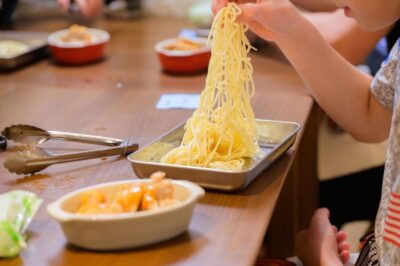 ★ 4.9Ramen Cooking Class at a Ramen Factory with SouvenirFrom $127532 reviews
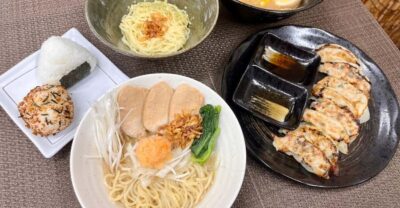 ★ 5.0Ramen, Gyoza, and Onigiri Cooking ClassFrom $90445 reviews
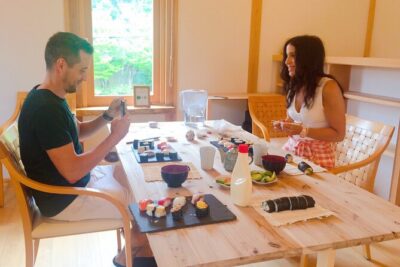 ★ 5.0The Original Small-Group Sushi Making Class in KyotoFrom $69436 reviews
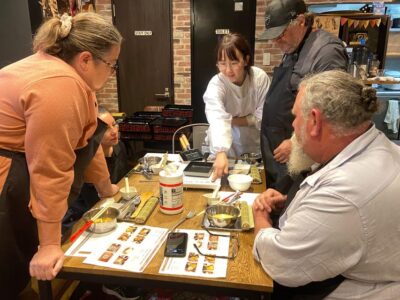 ★ 5.0Japanese Washoku Bento Small Group Cooking ClassFrom $58380 reviews
 ★ 5.0Kyoto Ramen and Gyoza Cooking Class with Professional ChefsFrom $86282 reviews
 ★ 4.9Afternoon Japanese Izakaya Cooking ClassFrom $67241 reviews
Browse the lists this tour appears in