
Reviewed · KYOTO COOKING CLASSES
Kyoto Udon & Tempura Cooking Class with Professional Chefs
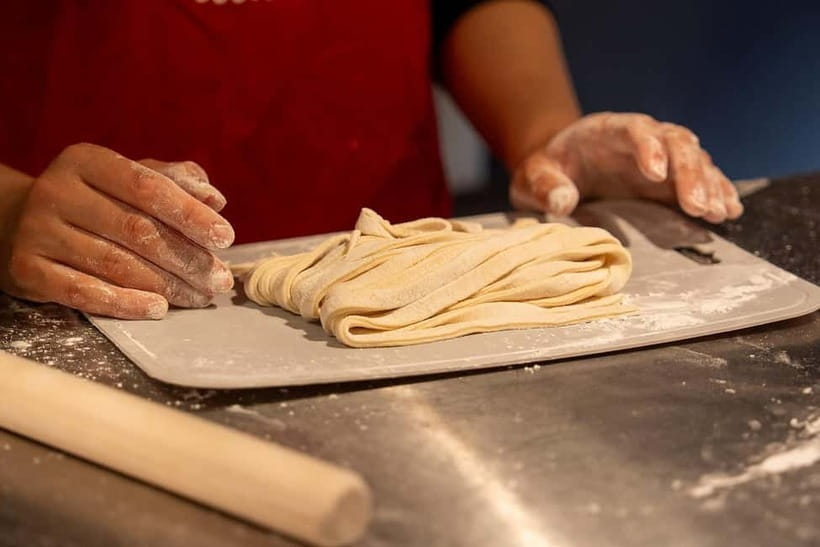
Udon dough under your hands is magic. In Kyoto, this small-group workshop has you knead and roll homemade udon noodles from scratch with an expert and then share your own tempura and inari sushi at the table, plus a mini sake tasting.
Just know the class pace can vary, so you might not do every single step exactly as written, and your time on certain cooking stages may be shorter. If you’re expecting a very full sushi build and full udon broth experience, plan for a hands-on prep focus, not a perfectly timed recipe parade (class pace may vary).
Key Things I’d Bet You’ll Like
- Udon made from flour and water, with real hands-on kneading and rolling
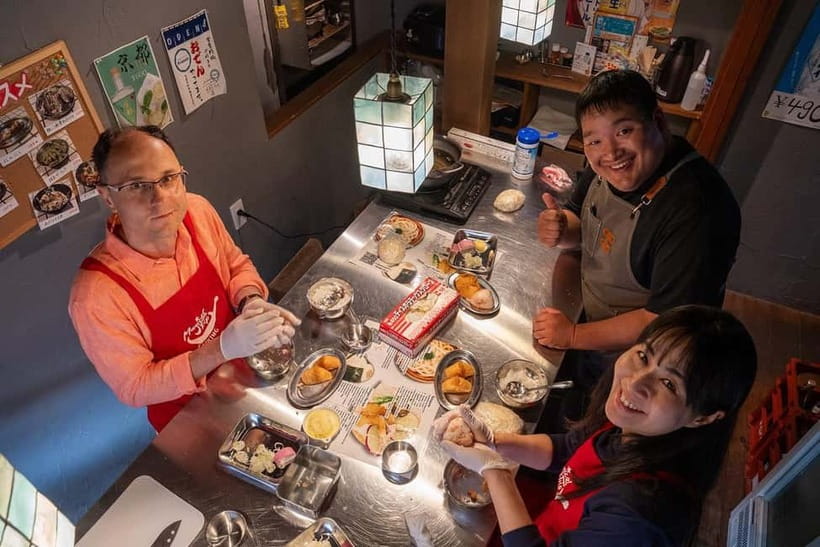
- Small group (up to 8), so the guide can actually help while you’re working
- Inari sushi rice prep and shaping, using freshly steamed rice and simple seasoning
- Tempura frying practice, learning how to get that golden, crispy result
- Mini sake tasting with your meal, so you’re not just cooking, you’re tasting and learning
Kyoto Udon and Tempura: What This Class Really Delivers
Kyoto is great for food, but the best classes are the ones where you do the work. This one is designed for that. You’re not just watching a chef move fast, you’re mixing dough, shaping rice, and frying tempura with guidance.
The core win here is how practical it feels. You’ll leave with a repeatable method for chewy udon and crispy tempura, not just a plate of food you move on from.
One more advantage is the friendly setup. English instruction is built in, and the group is limited to 8 people, which helps when you’re learning by hand motions.
You can also read our reviews of more cooking classes in Kyoto
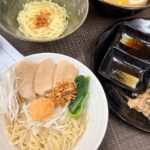
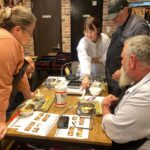
Meeting in Kyoto: Getting There Without Stress
You meet at a 7-Eleven in Kyoto, specifically Kyoto Kawaramachi-Takoyakushi. It’s a short walk from Kyoto-Kawaramachi Station, Keihan Kyoto Line (Exit B3), or from Gion-Shijo Station, Keihan Main Line (Exit 3).
Why I like this for you: it’s easy to find. In Japan, “near a station exit” beats vague directions every time.
Also, since this is only a 2-hour experience on paper, being on time matters more than usual. Plan to arrive a few minutes early so you can start without rushing.
Start With Nothing: From Flour and Water to Udon Noodles
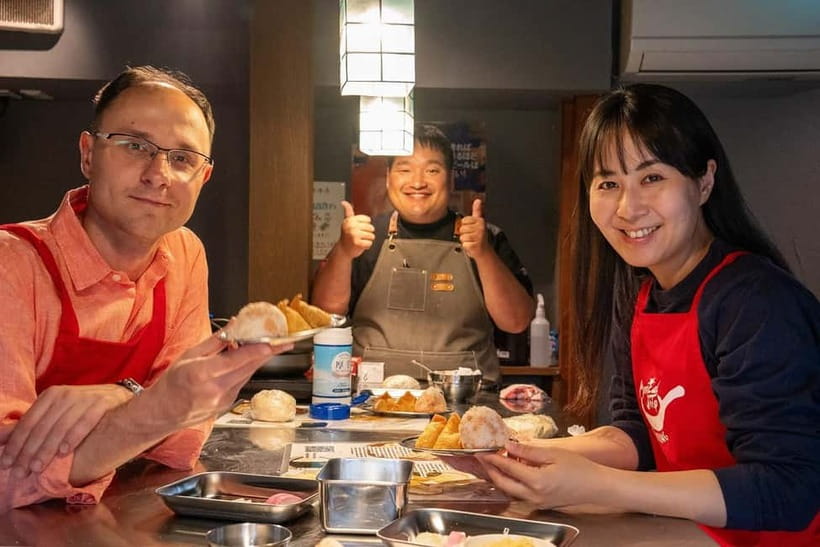
The class begins with the most satisfying part: turning basic ingredients into udon noodles. You start with flour and water, then you mix, knead, and roll the dough by hand with help from an expert udon master and an English guide.
If you like tactile learning, you’ll probably enjoy this section most. Udon dough changes under your hands as gluten develops, and you get to feel that stretch and smoothness happen in real time.
What makes it valuable for home cooking is that udon texture depends on technique. When you’ve actually kneaded and rolled it, you’ll understand why udon is chewy instead of just guessing from a recipe later.
Inari Sushi and Onigiri: Shaping Rice With Seasoned Calm
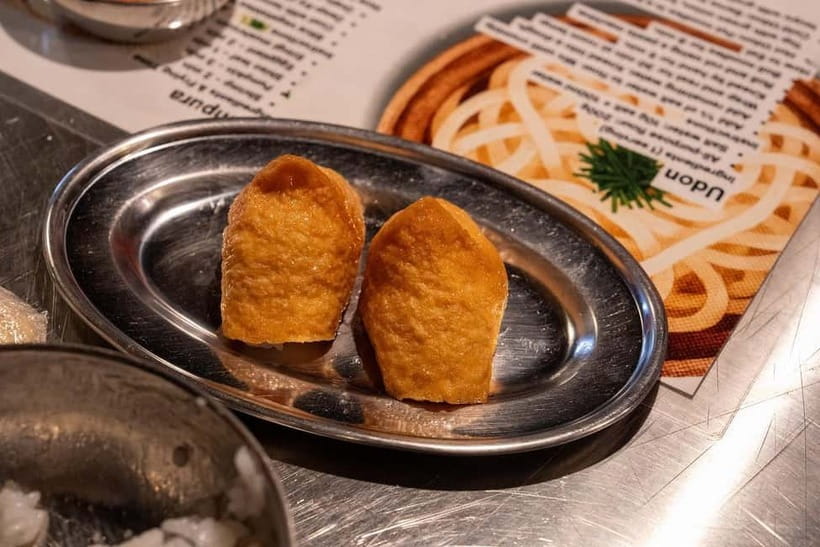
After udon, you shift to rice. You’re taught how to prepare Japanese rice for Inari Sushi using freshly steamed rice, then season it and shape it into onigiri and inari sushi.
This part is a good lesson because it’s more than “make rice.” You learn how seasoning changes the flavor and how shaping affects bite size and hold.
Also, it’s a nice pace change from dough work. Instead of rolling and stretching, you’re working with warmth, moisture, and compact shaping. That helps if you’re new to cooking, since most people can handle rice shaping right away with a little coaching.
Tempura Frying: How to Aim for Golden and Crispy
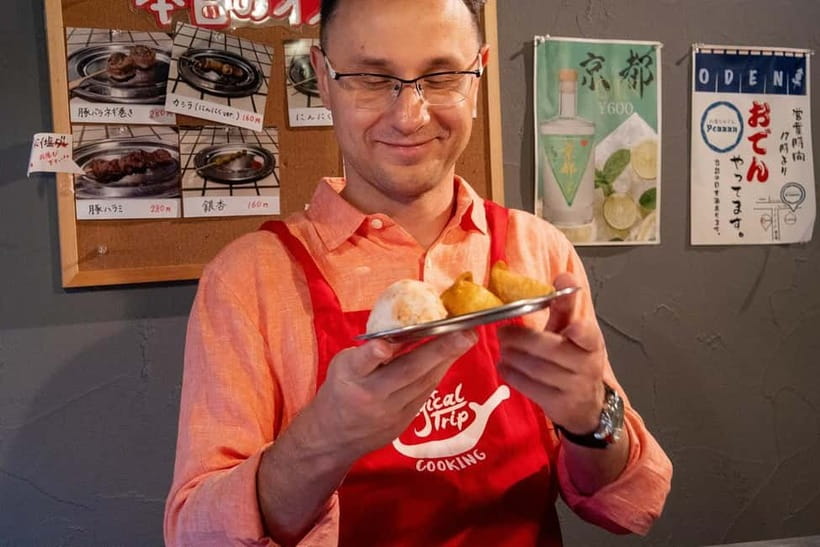
Then comes tempura, the crowd-pleaser. Your guide and the local cooking master demonstrate steps so you can fry your own golden bites.
Here’s the practical takeaway: tempura is very technique-based. You need the right feel for batter and frying so you get crisp edges without heavy oiliness.
One consideration, based on how some classes run in real life: the tempura portion may emphasize dipping and frying rather than every step of batter prep from start to finish. If you’re specifically hoping to make every component, treat this as a hands-on frying lesson first, and confirm what’s included for your specific session time.
More Kyoto temple visits, food tours, tea experiences, and day trips to compare
What You Eat: Udon, Inari Sushi, Tempura, Plus Mini Sake
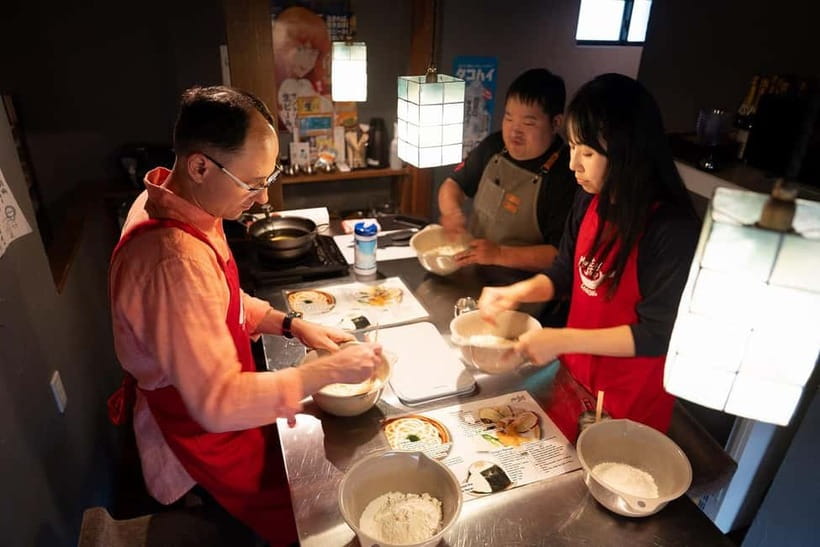
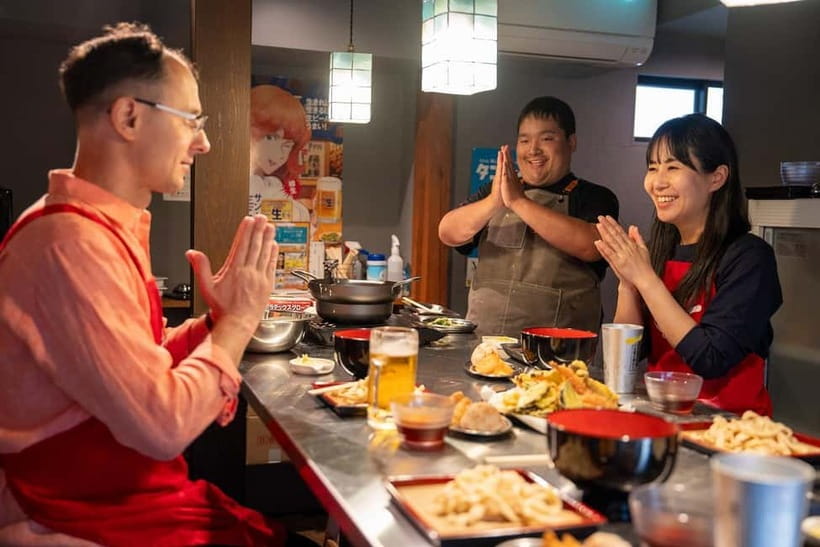
This is not a “cook and leave” class. You’ll eat what you make: udon, inari sushi, and tempura.
Food tastes better when you’re part of the process, and I like that this class leans into that simple idea. You’ll likely pay more attention to texture and seasoning because you remember what your hands did to get there.
You also get a mini sake tasting experience, plus two drinks included. That pairing matters because it helps you notice how sake interacts with fried and seasoned foods, rather than treating drinks like an afterthought.
English Recipe Set and Photos: Taking Skills Home
You don’t just get fed, you get materials. Before you go, you receive an English recipe set designed to help you recreate the dishes at home using ingredients you can find.
That’s a big value point. Cooking classes are fun in the moment, but the real benefit is whether the instructions work for your kitchen reality. An English set tailored to accessible ingredients makes it easier to repeat the results instead of letting the experience fade.
Tour photos are included too. Not because you need more souvenirs, but because they help you remember what your finished versions looked like, so you can compare later when you cook at home.
Duration and Flow: 2 Hours On Paper, Learning in Motion
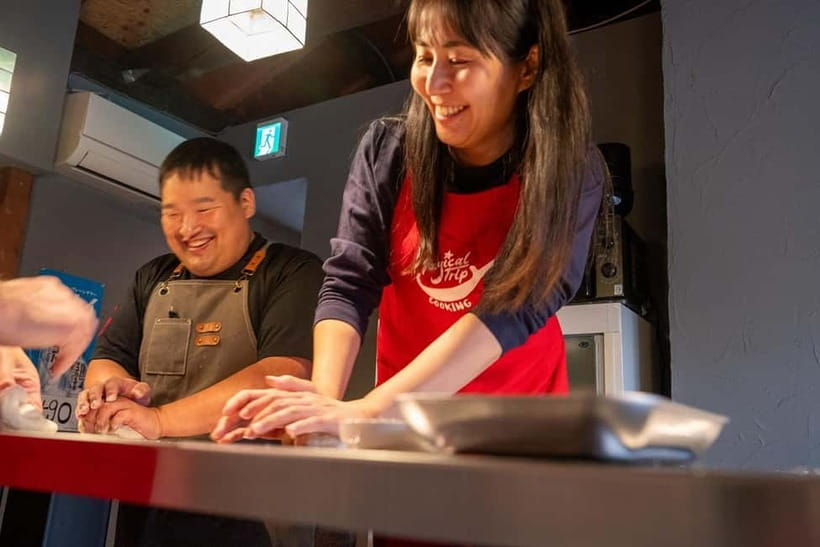
The activity is listed as 2 hours. In practice, the time you spend on each station can shift based on class flow, ingredient prep, and how quickly the group moves.
One thing to keep in mind for your expectations: this experience is heavily hands-on, but certain stages might be more “prep-focused” than “full cooking from start to plated broth.” For example, some sessions may focus more on dough work than on cooking the finished udon or building broth as a final step.
So if your mental picture is a complete, end-to-end Japanese noodle meal, be flexible. The goal is to learn core techniques you can repeat.
Price, Value, and What You’re Actually Paying For
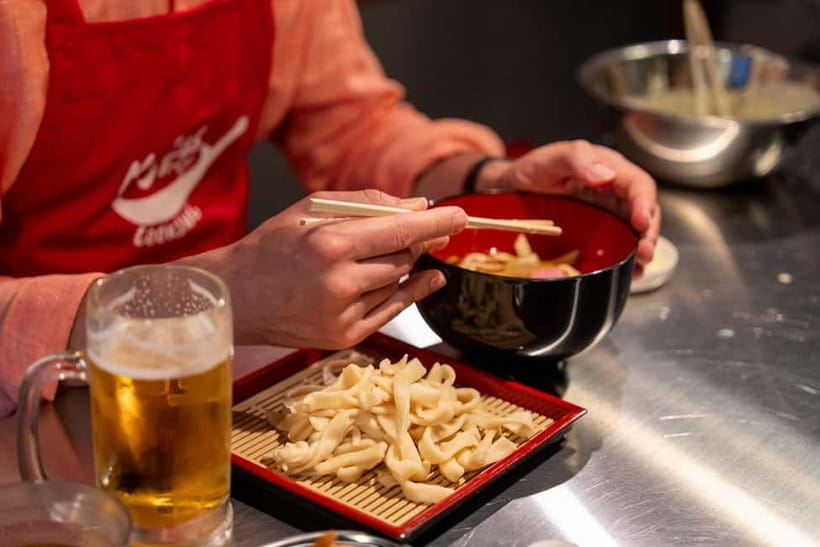
At $83 per person for a 2-hour class, you’re paying for more than ingredients. You’re paying for guided instruction, a small group format, and the fact that you get to make, eat, and take home English recipes.
Here’s why that can be good value for Kyoto:
- Ingredients are provided, so you’re not doing a separate shopping mission
- You get professional chef-led guidance plus an English guide to translate the how and why
- The meal includes what you make, not just a snack
- You receive a take-home recipe set and tour photos
If your travel style is “pay for experiences that teach skills,” this price is easier to swallow. If you’re only looking for a one-time taste with zero hands-on effort, you might question the cost.
Who This Class Is Best For (And Who Might Want Something Else)
This is a strong fit if you want a calm, friendly cooking session in Kyoto where nobody assumes you already know what you’re doing. No prior cooking experience is required, and the class is suitable for all ages.
It’s also a great option if you want variety in one session. Udon noodles, inari sushi shaping, and tempura frying are three different skills that all show up in everyday Japanese food culture.
If you’re the type who needs everything explained with lots of time for every cooking step, you might feel a bit impatient if the session focuses more on prep and process than on finishing every single dish element from raw to final plating.
Practical Tips for a Smoother Experience
Wear something comfortable enough for kneading and shaping. If you’re bringing anything like a camera or small bag, expect that space might be limited while you’re working.
Come ready to get a little busy with your hands. Even if you’re cautious, the guide and master help you keep moving at the right pace, especially in a small group.
Finally, eat with curiosity. You’re tasting your work, so try to notice what changes when you alter technique. That way, the take-home recipes make sense instead of feeling like vague instructions.
Should You Book This Kyoto Udon & Tempura Class?
Yes, if you want a hands-on Kyoto food experience that teaches real technique, not just a tour stop. The small group size and English instruction make it approachable, and the mix of udon making, inari sushi shaping, and tempura frying gives you enough variety to feel like you learned something useful.
I’d book especially if you like the idea of taking home an English recipe set and actually recreating the dishes later. That is where the class can keep paying you back after your trip.
I’d think twice if you want a very strict, fully timed “every step from scratch to final broth and fully built sushi” experience. In real classes, the flow can shift, and some sessions may emphasize dough and prep over every final cooking stage.
If you match the hands-on learning mindset, this is the kind of Kyoto class you can still feel months later when you’re cooking.
FAQ
How long is the Kyoto udon and tempura cooking class?
The class duration is listed as 2 hours. Starting times depend on availability.
Is the class taught in English?
Yes. The instruction is in English.
Do I need cooking experience before joining?
No prior cooking experience is required.
What dishes will I learn to make?
You’ll learn to make udon noodles, Inari Sushi, and tempura.
Does the class include drinks or sake?
Yes. There is a mini sake tasting experience, and two drinks are included.
Where is the meeting point in Kyoto?
You meet at 7-Eleven – Kyoto Kawaramachi-Takoyakushi.
How far is the meeting point from Kyoto-Kawaramachi Station?
It is about a 3-minute walk from Exit B3 of Kyoto-Kawaramachi Station on the Keihan Kyoto Line.
Will ingredients be provided for the class?
Yes. Ingredients are provided for the cooking class, and you also receive an English recipe set to take home.
More Workshops & Classes in Kyoto

More Cooking Classes in Kyoto
More Tour Reviews in Kyoto


Not for you? Here's more nearby things to do in Kyoto we have reviewed






Kyoto Cooking Classes, compared.
 ★ 5.0Ramen Cooking Class at Ramen Factory in KyotoFrom $1311,937 reviews
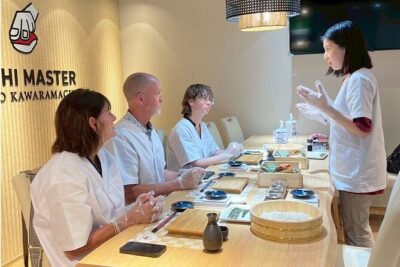 ★ 5.0Sushi Making in Kyoto! Same-day bookings welcome!From $53713 reviews
 ★ 4.9Ramen Cooking Class at a Ramen Factory with SouvenirFrom $127532 reviews
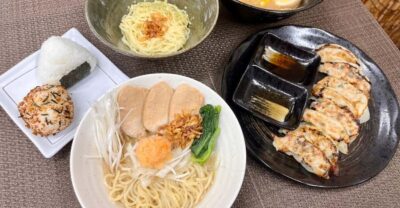 ★ 5.0Ramen, Gyoza, and Onigiri Cooking ClassFrom $90445 reviews
 ★ 5.0The Original Small-Group Sushi Making Class in KyotoFrom $69436 reviews
 ★ 5.0Japanese Washoku Bento Small Group Cooking ClassFrom $58380 reviews
 ★ 5.0Kyoto Ramen and Gyoza Cooking Class with Professional ChefsFrom $86282 reviews
 ★ 4.9Afternoon Japanese Izakaya Cooking ClassFrom $67241 reviews
Browse the lists this tour appears in