
Reviewed · KYOTO COOKING CLASSES
Ramen Gyoza Onigiri Japanese Cooking Class in Kyoto
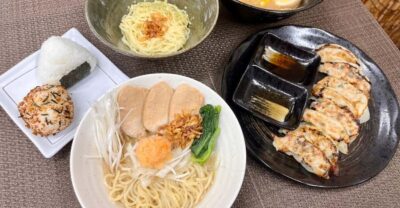
Three Japanese classics in 90 minutes sounds fair. This ramen, gyoza, and onigiri cooking class in Kyoto teaches the parts many home cooks skip, especially ramen broth and the hand skills for gyoza and rice balls.
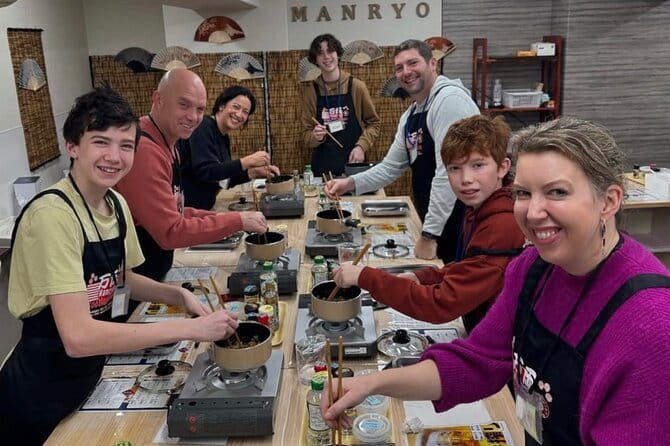
I like that it is built for fast progress. You work in a small group (up to 8), so the instructor can actually correct your technique instead of giving a quick demo and sending you off.
One catch to consider: this is not a flexible diet class. They offer only a Regular and Vegetarian menu (pork swaps to tofu), and they cannot accommodate vegan, gluten-free, kosher, halal, or other special diets.
Key Things I’d Watch Before You Book
- Chef Nori focuses on ramen broth, not noodle-making, so you learn the flavor engine
- Small group size (max 8) means better hands-on attention
- Two ramen broth styles plus gyoza and onigiri in about 1.5 hours is a lot of food for the time
- Vegetarian menu is tofu-only, not a fully vegan or gluten-free setup
- The class ends with a lunch feast made from what you cooked
- Mobile ticket keeps check-in simple
Where This Kyoto Class Fits, and Why It Works
If you are trying to pack Kyoto tightly, this is one of those activities that gives you a lot without dragging on forever. You get hands-on practice with three Japanese staples, all in roughly 1 hour 30 minutes, and you eat what you make at the end.
The big reason it works for visitors is the focus. Ramen is often treated like noodles plus toppings, but broth is where the real personality lives. This class deliberately teaches broth technique, and it also trains your hands for gyoza wrapping and onigiri shaping.
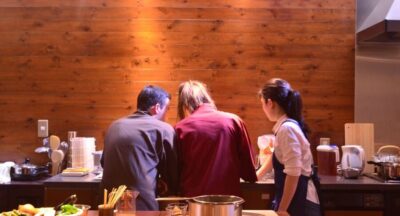
Also, it is a friendly setup. The teaching team is led by Chef Nori, and in the class vibe you can feel that they want you to succeed, not just follow instructions like a robot. Several past participants called out how well the material is paced and how fun the hosts are, while still keeping the cooking clear.
The downside is your diet may limit you. If you need vegan, gluten-free, or religious diet accommodations, you should not count on being able to join this class as written.
You can also read our reviews of more cooking classes in Kyoto
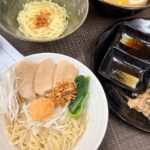
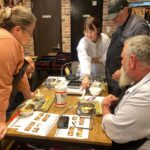
Price and Value: Is $92.47 Worth It?
At $92.47 per person, you are paying for three things: instruction, ingredients, and a meal. This is not just a tasting or a quick street-food stop, where you sample a bite and move on.
For the money, you are getting a full loop: learn techniques, cook multiple dishes, and then eat them. The class includes lunch after cooking, so you can think of part of the cost as built-in dining.
You are also paying for efficiency. In about 1.5 hours, you cover ramen broth, gyoza, and onigiri, rather than picking one dish and spending the whole time on it. That matters if you are on a tight Kyoto schedule and want an activity that feels like more than a snack.
One more value point is the small group size, capped at 8 travelers. When there are fewer people, you get more direct help, especially for wrapping and shaping tasks where small mistakes are obvious right away.
If your goal is a deep, multi-session culinary immersion, you might prefer a longer workshop. But if you want serious skills and a real meal in one go, this is priced like an efficient, practical experience.
The Meeting Point: Manryo Japanese Cooking Class in Kyoto
The class meets at Manryo Japanese Cooking Class, located in Kyoto, Sakyo Ward, at Chōshōji Monzenchō 841, inside the Life Building B1. The activity ends back at the meeting point.
It is near public transportation, which is the best kind of convenience in Kyoto. You do not want to burn precious class time figuring out the last few blocks when your hands are about to be busy with dough and simmering flavors.
Since check-in is point-to-point and the tour ends where it begins, you do not need to plan a complex route afterward. You can usually connect to nearby transit lines and continue your day without detours.
What You Actually Cook: Ramen Broth, Gyoza Wrapping, and Onigiri Skills
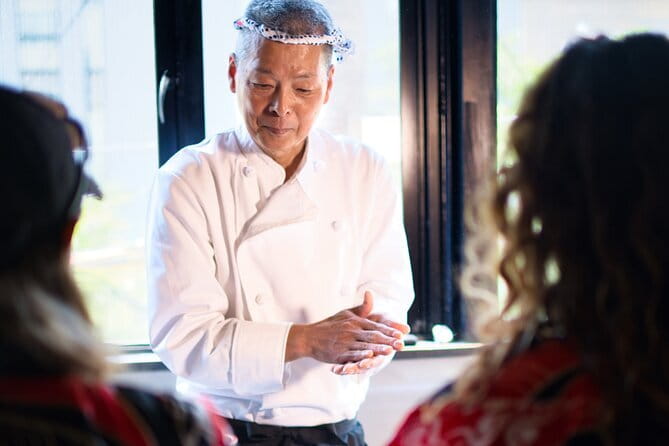
This is not a class where you watch someone else cook noodles. The focus is on ramen broth, and that is a meaningful choice.
You will learn how to prepare a flavorful Japanese-style ramen broth using ingredients and seasonings you can recreate at home. The class explanation highlights the idea that noodles are easy to find, while broth is the harder part to master. That is exactly the kind of lesson you want if you plan to cook after your trip.
On top of broth, you master the hand skills for two other classics:
- Gyoza: you learn how to wrap them properly, not just how to taste them.
- Onigiri: you learn how to shape Japanese rice balls, which sounds simple until someone corrects your grip and pressure.
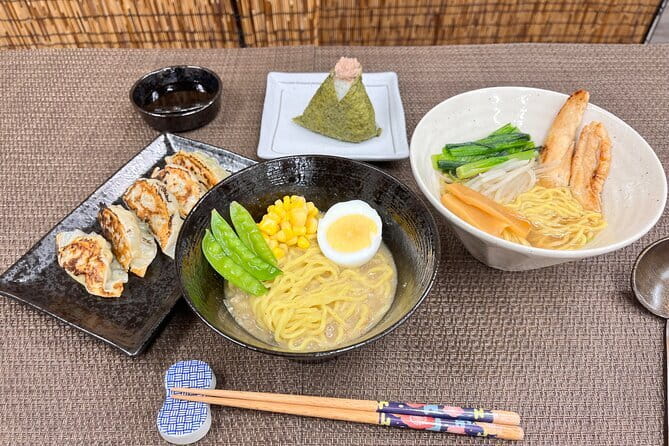
In past sessions, people reported making two types of ramen broth, then moving to pork gyoza, and finishing with onigiri. You should expect a similar flow, with the cooking broken into manageable steps so you are not standing around waiting for the next instruction.
One practical benefit here is confidence. Once you know how to wrap and shape, you can scale up at home for friends. You will not be stuck with one dish you can only make while on vacation.
Menu Options: Regular vs Vegetarian (Tofu Swap Only)
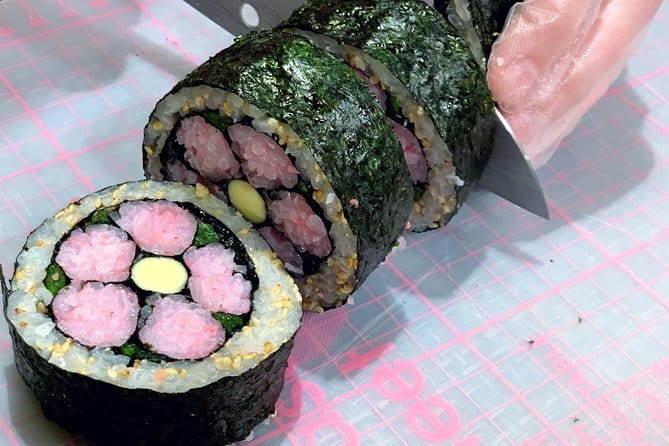
The class offers only two menu options:
- Regular Menu
- Vegetarian Menu where pork is replaced with tofu, while other ingredients remain the same.
That tofu swap is useful if you eat vegetarian, but it is not a free-for-all for every dietary need. The class cannot accommodate vegan diets, pescatarian diets, gluten-free diets, halal, kosher, or other special diets.
So if you are deciding based on dietary preferences, treat this as a vegetarian-friendly option with limited scope, not a medically or religiously tailored menu.
If you are traveling with someone who avoids pork but is otherwise flexible, this is one of the easiest cooking classes to say yes to. Just read the details carefully after booking, because this class explicitly limits what it can change.
More Kyoto temple visits, food tours, tea experiences, and day trips to compare
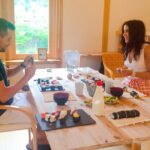
Inside the 90 Minutes: A Realistic Step-By-Step Flow
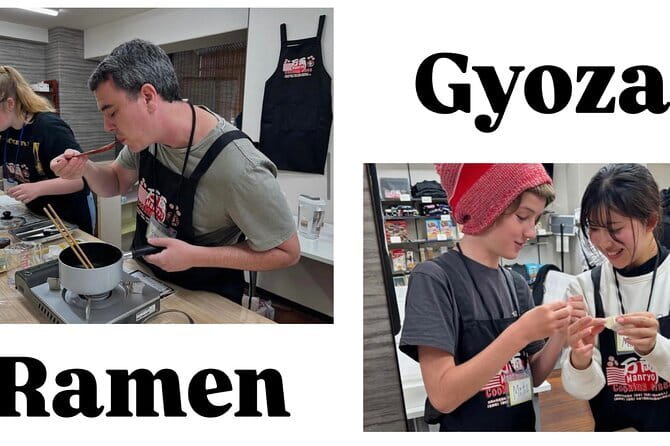
Here is what the class experience is built to feel like: structured, hands-on, and quick enough that you stay hungry for the results rather than bored by waiting.
1) Kickoff and broth technique
You start learning the ramen broth approach with Chef Nori and the team. Participants often mention that Chef Nori shares context about ramen before cooking begins, which helps the instructions make more sense. It is not only about what to add, but why the broth tastes the way it does.
You will work on broth ingredients and seasonings, and you will focus on technique. Since noodles are not made in the class, your attention stays on flavor development rather than dough work.
2) Gyoza wrapping with guidance
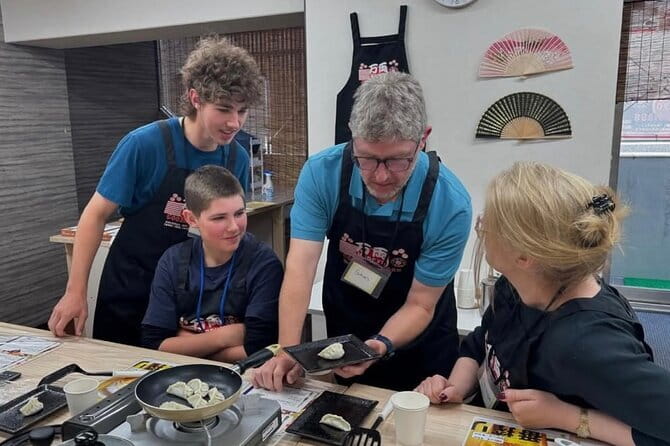
Next comes gyoza. This is the part where small corrections matter, because wrapping is a physical skill. The instruction team keeps things moving, and people have noted that even with jokes, the English teaching is clear.
The big win is that you are not just making gyoza once. You learn the wrapping method, which is what you need to recreate gyoza at home later.
3) Onigiri shaping
After gyoza, you shift to onigiri. Rice balls can feel forgiving until you try to shape them quickly and cleanly. Expect step-by-step help so your onigiri looks like the real thing, not a lumpy science project.
4) The feast: lunch included
Finally, you eat what you cooked. The class includes lunch after cooking, and multiple participants stressed that there is a lot of food. This is a hands-on class with an actual payoff, not a token bite at the end.
If you arrive hungry, you will be happier during the hands-on cooking phase. A few past participants specifically advised to come ready to eat, and I agree. You are learning and tasting, so your appetite matters.
What Makes the Teaching Style Different (Chef Nori’s Team, Up Close)
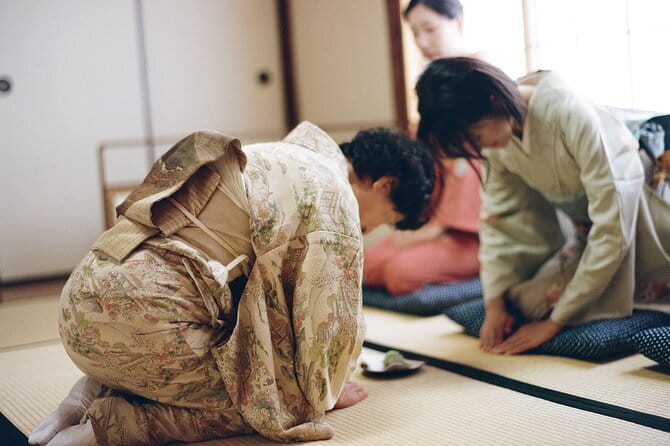
A lot of cooking classes say small-group, then cram you into one corner with a single ladle of attention. Here, the small group size at max 8 matters because the class covers multiple skills.
Chef Nori leads the session, with additional team support in the kitchen. Reviews also mention hosts like Ryho and Minori in the broader team atmosphere, and participants described the hosts as patient and funny while still keeping instructions organized.
That balance is important. When cooking moves fast, you need clarity. When cooking is hands-on, you need patience for the inevitable first attempts that do not look perfect.
If you have never wrapped gyoza or shaped onigiri, this is the kind of class where you should feel guided rather than judged.
Timing and Practical Expectations: How to Plan Your Day
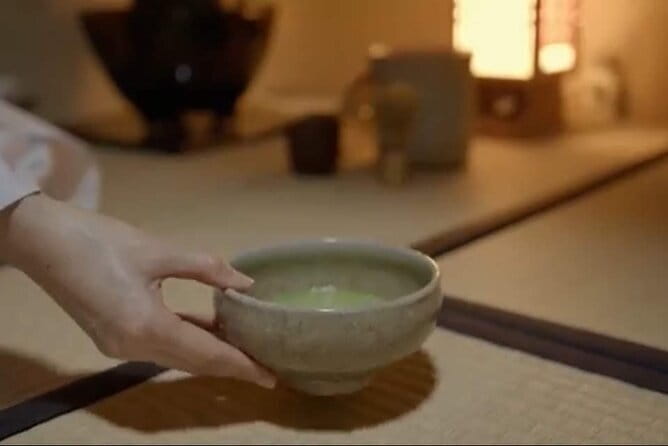
At about 1 hour 30 minutes, this is a strong lunch-time or early afternoon activity. You should plan to eat a real breakfast or light snack before class so you are not exhausted and disappointed during the cooking.
Because the activity ends back at the meeting point, you do not need to budget extra time for transfers or a second location. That makes it easy to stack with other Kyoto sights.
Also note what is not included: private transportation. You will need to get yourself to the meeting point using public transit or walking. The venue is near public transportation, which helps.
Finally, the class uses a mobile ticket. That is one less thing to manage in a city where paper tickets can vanish into pockets and chaos.
Vegetarian Travelers: When This Class Is a Good Fit
If you eat vegetarian, this class can be a solid choice because the vegetarian menu is clearly defined. Pork swaps to tofu, and the rest stays the same.
The key practical point is what you should not expect. This is not guaranteed to be vegan, and it is not labeled gluten-free or otherwise allergy-optimized. If you have a strict dietary requirement beyond vegetarian preference, you need to choose carefully.
If your vegetarian group member wants to cook and eat the class meal without sitting out, this is more likely to work than many Japanese cooking classes that treat dietary changes as an afterthought.
How This Helps You Cook at Home (Without Guesswork)
The best souvenirs are skills you can repeat. This class is built around that idea.
You learn broth technique, gyoza wrapping, and onigiri shaping. Those three pieces translate well to your kitchen because they are the heart of each dish. Noodles are easy to buy, but the broth and the shape work are what make your homemade ramen taste like ramen, and make gyoza and onigiri look right.
Past participants also mentioned getting recipes to recreate the dishes later. Even if you do not follow every measurement perfectly, having a written reference helps you reproduce the taste and methods without starting from scratch.
If you want one practical takeaway, it is this: after the class, you will know what to focus on first. Broth flavor, proper wrapping, and shaping rice with confidence. That is how you stop cooking from feeling like a guessing game.
Who Should Book This Cooking Class in Kyoto?
This experience fits best if you want:
- A hands-on Japanese food lesson with real results
- Multiple dishes in one session, not just one
- A class that ends with a meal you made
- A small-group environment where you get attention while learning
It is also a good fit for food lovers who want variety. Instead of committing to only ramen, you get the full set, broth plus gyoza plus onigiri.
You might skip it if:
- You need vegan, gluten-free, halal, kosher, or other strict dietary accommodations
- You want noodle-making training as part of the lesson
- You are looking for a very long, slow-paced culinary course
Quick FAQ for Booking Decisions
FAQ
What dishes will I learn to make?
You will learn to make ramen broth, gyoza, and onigiri.
Will you make ramen noodles in the class?
No. The class focuses on preparing ramen broth, and you do not make the noodles.
Is there a vegetarian menu?
Yes. There is a Vegetarian Menu that replaces pork with tofu. Other ingredients remain the same.
Can you accommodate vegan diets or gluten-free diets?
No. The class cannot accommodate vegan, pescatarian, gluten-free, halal, kosher, or other special diets.
Is there an age requirement?
Yes. They cannot accommodate under 13 years old.
How large is the class?
The class has a maximum of 8 travelers.
How long does the cooking class take?
It takes about 1 hour 30 minutes.
What is included in the price?
After cooking, you enjoy what you made, and lunch is included.
Where does the class meet in Kyoto?
It meets at Manryo Japanese Cooking Class, Kyoto Sakyo Ward, Chōshōji Monzenchō, 841 Life Building B1.
Can I get a full refund if I cancel?
The policy states free cancellation is available, with a full refund if you cancel up to 24 hours in advance.
Should You Book It?
I’d book it if your priority is practical Japanese cooking you can repeat at home. You learn broth technique, gyoza wrapping, and onigiri shaping, and then you eat a full lunch made from your work. The small group size and clear instruction from Chef Nori’s team make it feel worth your time.
I would not book it if you need vegan, gluten-free, halal, kosher, or other strict dietary accommodations. This class is clearly set up for Regular and Vegetarian (tofu swap) only.
If you’re arriving hungry and you want one Kyoto experience that teaches skills instead of just scenery, this ramen gyoza onigiri cooking class is an easy yes.
More Workshops & Classes in Kyoto

More Cooking Classes in Kyoto
More Tour Reviews in Kyoto


Not for you? Here's more nearby things to do in Kyoto we have reviewed




Kyoto Cooking Classes, compared.
 ★ 5.0Ramen Cooking Class at Ramen Factory in KyotoFrom $1311,937 reviews
 ★ 5.0Sushi Making in Kyoto! Same-day bookings welcome!From $53713 reviews
 ★ 4.9Ramen Cooking Class at a Ramen Factory with SouvenirFrom $127532 reviews
 ★ 5.0Ramen, Gyoza, and Onigiri Cooking ClassFrom $90445 reviews
 ★ 5.0The Original Small-Group Sushi Making Class in KyotoFrom $69436 reviews
 ★ 5.0Japanese Washoku Bento Small Group Cooking ClassFrom $58380 reviews
 ★ 5.0Kyoto Ramen and Gyoza Cooking Class with Professional ChefsFrom $86282 reviews
 ★ 4.9Afternoon Japanese Izakaya Cooking ClassFrom $67241 reviews
Browse the lists this tour appears in