
Reviewed · KYOTO COOKING CLASSES
Sushi – Authentic Japanese Cooking Class – the best souvenir from Kyoto!
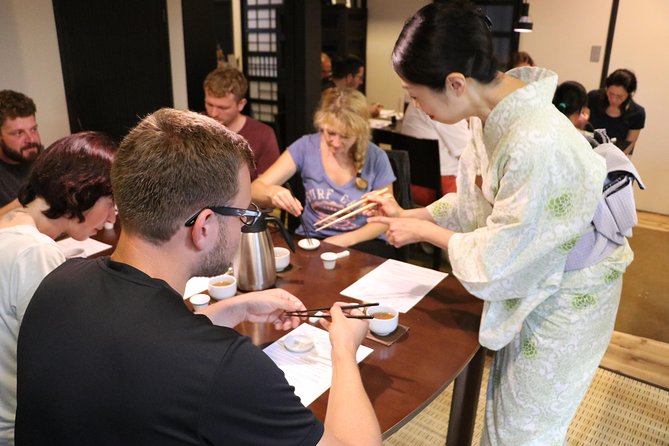
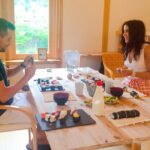
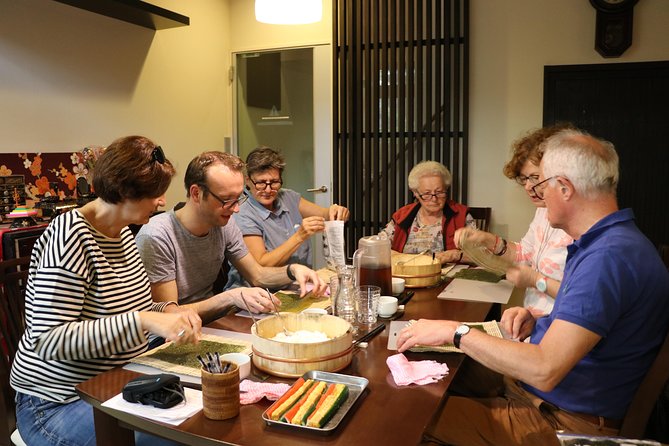
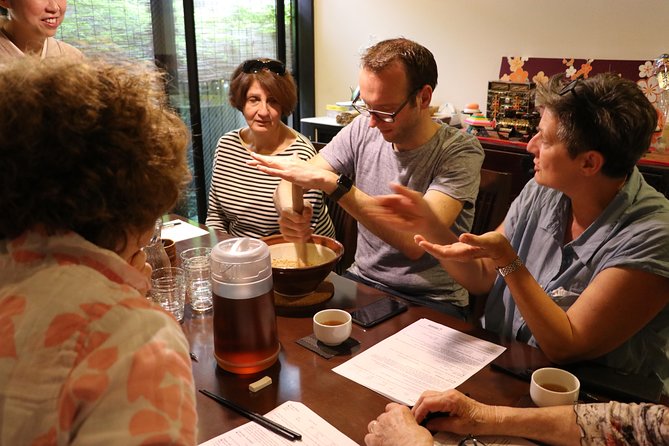
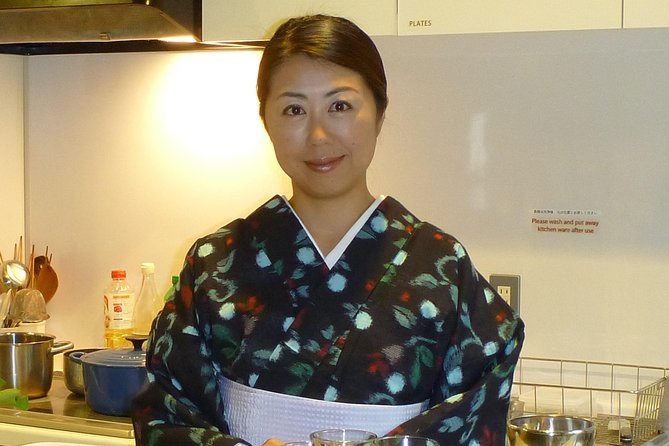
Sushi has a few rules, and this class teaches them. In Kyoto, you’ll make sushi with Kaori in her home-style kitchen, then eat what you made alongside Japanese green tea. I love the small group size and the hands-on pacing that actually helps you learn the steps instead of just watching. One thing to consider is that Kyoto addresses can be tricky for ride-share drivers, so I’d plan to arrive a little early and use the meeting-point details carefully.
You also get the kind of guidance that makes food stick. The class focuses on sushi etiquette and practical technique, not just rolling skills, plus you’ll learn the basics behind umami through soup and dashi. For a drawback, don’t expect this to feel like a big production, it’s relaxed, which is great, but it means you might want to ask questions if you’re shy.
Price-wise, this is a fair deal for what’s included. At $72.67 per person for about two hours, you’re paying for ingredients, instruction in English, and take-home recipes, plus an aperitif and green tea during the meal. If you only want to taste sushi, you might prefer a restaurant, but if you want skills you can repeat later, this checks the boxes.
Quick reasons this sushi class works so well
- Hands-on sushi making in a small group, capped at a maximum of 12 travelers
- English instruction with step-by-step guidance you can follow
- Etiquette training so you know how to eat sushi the Japanese way
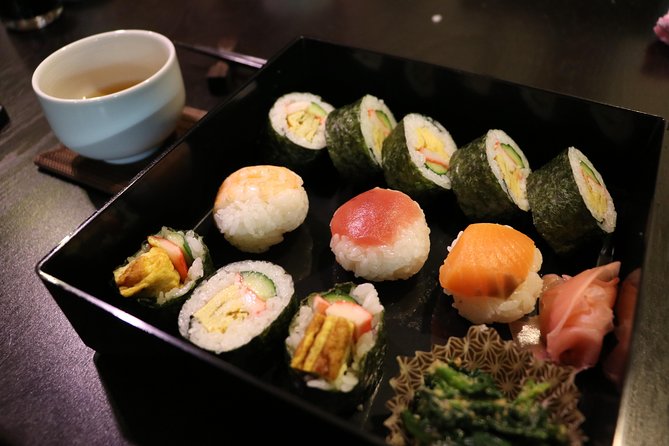
- You make a full mini meal, including sushi, Japanese soup, and pickled ginger
- Take-home recipes (a real advantage when you get back home)
Step into Kaori’s kitchen, not a classroom vibe
This is one of those Kyoto experiences that feels personal on purpose. You meet at Roujiya (22-58 Nishinokyō Ikenouchichō, Nakagyo Ward) for a 2-hour class starting at 11:30 am, and you’ll stay in that home-like cooking space from start to finish.
What makes it work is that it’s capped small. With a maximum of 12 travelers, you’re not lost in a crowd, and you get enough attention to correct small mistakes while you’re learning. The format also helps if you’re traveling with a spouse, friends, or even kids, since everyone can participate without the class feeling rushed.
Kaori leads the session, and the vibe is clear from the way the class is described. You’re invited to feel like you’ve been welcomed in, and the cooking process is taught in English so you can focus on learning instead of decoding instructions.
One more practical plus: it runs as a simple, single-stop activity. Hotel pickup and drop-off aren’t included, so you plan your own way there using public transportation.
You can also read our reviews of more cooking classes in Kyoto
What you actually cook: sushi rice, soup, and pickled ginger
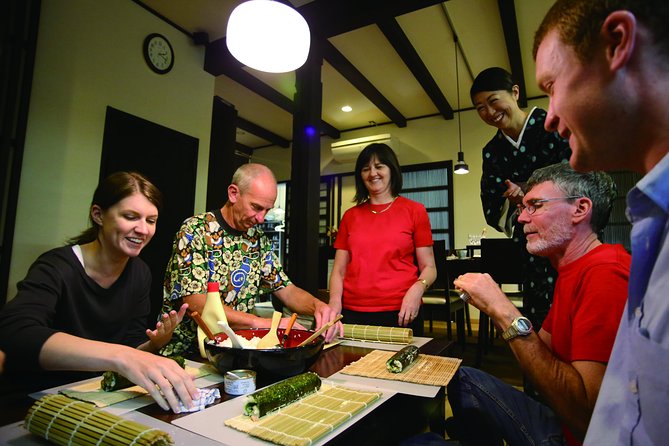
The class isn’t just sushi rolling for show. You’ll learn several parts that build sushi as a complete dish, including sushi rice, Japanese soup, and pickled ginger.
Here’s the core flow you should expect during the 2 hours:
First, you start with a Japanese soup. You’re not just tasting, you’re learning the taste idea behind it, and this sets up the rest of the cooking. A lot of the class energy is about umami, and that concept comes alive when you understand how dashi-based flavor works rather than treating it as a mysterious shortcut.
Next comes sushi rice. Sushi rice is where most people get stuck at home, because the texture and seasoning matter more than people expect. You’ll follow the stages, learn what to watch for, and practice so you walk away knowing how the rice should feel and look.
Then you move into making sushi using what you practiced. The class includes making multiple types of sushi, and the goal is that you can reproduce at least a few varieties after you get home. It’s hands-on, so you’re not waiting your turn for a demo.
Finally, pickled ginger rounds out the meal. It’s one of those sides people rush through when they eat out, but here you learn how it fits into the overall balance of flavors.
The practical benefit of this structure is that you leave with a mental map. You’ll understand not only what you’re making, but also why each component matters, especially the soup and the rice.
Learning the rules of sushi etiquette (and why it helps)
The etiquette lesson is a big reason this feels more valuable than a typical cooking workshop. Instead of just teaching ingredients and technique, the class also explains Japanese table manners for sushi dining.
That matters because sushi is one of those foods where small behaviors can signal respect, and Japan takes that seriously. Even if you’re not aiming for perfect etiquette, you’ll feel more confident ordering and eating once you understand the logic behind the rules.
You’ll also get clarity on how ingredients and presentation connect to dining style. In a class like this, etiquette isn’t tacked on like trivia, it’s taught as part of how to handle the food properly and how to experience it as it’s meant to be eaten.
From the teaching style, you can expect Kaori to guide you step-by-step and encourage you to practice. That’s important because etiquette and technique are linked, like how you handle tools, how you plate or portion, and how you time your bites while eating.
If you’re a foodie, this will feel satisfying. If you’re a beginner, it will prevent the common mistakes that make homemade sushi feel harder than it should.
Tea and aperitif, then you eat what you made
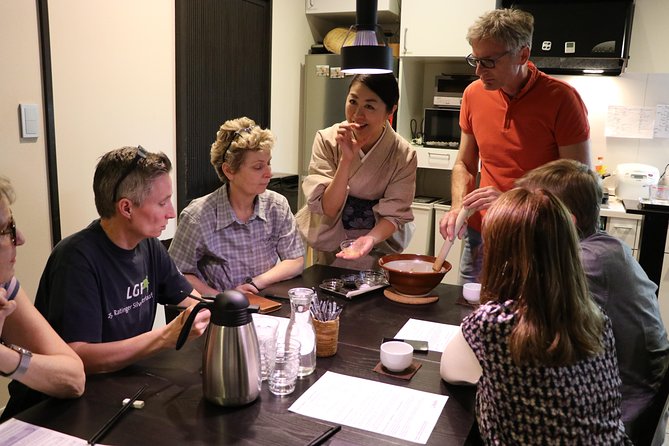
One of the best parts of cooking classes is the meal, and this one is built in. The class includes a meal, Japanese green tea, and an aperitif.
The green tea pairing is a nice touch because it matches the flavor profile. After you’ve worked through rice, soup, and ginger, the tea helps reset your palate so you can actually taste your final sushi instead of just surviving the cooking.
You’ll also get to eat the sushi you created. That sounds basic, but it’s not. Many classes send you home with “something you made earlier,” and here the meal is part of the experience, so you can tell immediately what worked and what you might tweak next time.
A small heads-up based on how the class is described by past participants: additional drinks like sake or beer may be offered after the sushi is finished, but that’s typically an extra cost. If that’s something you’re interested in, you can always ask your instructor during the class.
The class length, group size, and pacing you’ll appreciate
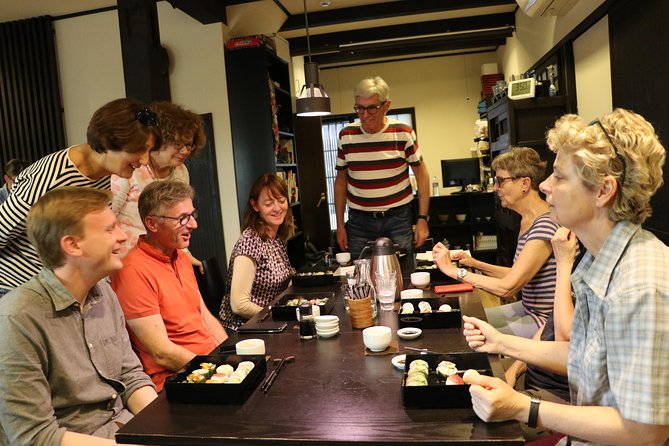
This is a 2-hour class, and that timing is ideal for two reasons.
First, it’s long enough to learn real steps like sushi rice seasoning and building sushi, not just tasting or watching. Second, it’s short enough that you don’t burn half your day on a single activity, which is important when you’re doing Kyoto sightseeing.
The class is small, with a maximum of 12 travelers. That keeps it friendly and lets Kaori respond as you work. If you’re the kind of learner who needs to ask follow-up questions, this is a better fit than a larger group format where instructors can only cover the basics.
The materials included also help pacing. All ingredients are provided, plus recipes to take home. That means you can focus on technique during the class, and then later you can reproduce the flavors without guessing measurements.
If you’re prone to motion sickness, long standing, or fatigue, this also tends to be manageable because it’s a fixed-duration activity in one place rather than switching between locations.
More Kyoto temple visits, food tours, tea experiences, and day trips to compare

Getting to Roujiya in Kyoto without stress
This class is near public transportation, and you’ll receive a mobile ticket. Hotel pickup and drop-off are not included, so you should treat it like a “go on your own” experience.
The meeting point address is:
Roujiya, 22-58 Nishinokyō Ikenouchichō, Nakagyo Ward, Kyoto, 604-8375, Japan
Kyoto streets can be confusing for drivers because addresses don’t always map neatly for GPS and ride-share apps. My practical advice: plan to arrive with a buffer, double-check the exact location, and use the meeting-point information you’re given rather than relying on your driver to “figure it out.”
If you’re used to arriving at destinations by subway and walking, you’ll probably find this easy. If you rely heavily on taxi pickup right at the door, aim for extra time.
Price and value: $72.67 buys skills, not just lunch
At $72.67 per person, you might wonder what you’re paying for. Here’s the value logic.
You get instruction in English, all ingredients, a meal, Japanese green tea, and an aperitif. You also take home recipes, which is the part that usually makes cooking classes worth repeating. A restaurant meal ends when you finish eating. A good class keeps paying you back when you cook again at home.
You’re also paying for the teaching style and the small group format. A capped group of 12 is a real advantage because you can correct problems in real time. That matters for sushi rice texture, seasoning, and assembly.
If you’re the type of traveler who collects experiences that travel well, this is one of the best souvenirs you can buy. After Kyoto, you can recreate the flavors and share them with friends, and you’ll understand what you’re doing instead of following a vague recipe.
If you’re traveling on a strict budget and you only want food you can eat elsewhere, the price might feel steep. But if you want a skill you can repeat, it’s a strong value.
Who should book this class, and who might skip it
This class is a great fit for:
- Sushi lovers who want to make sushi rice correctly and build sushi with confidence
- People who care about Japanese food culture, especially etiquette and how dishes are meant to be eaten
- Couples and small friend groups who want a relaxed, hands-on activity
- Families, since the format is small and instructions are paced for participation (just be sure to mention any dietary needs at booking)
You might consider skipping if:
- You’re not interested in cooking or eating a full component meal
- You already feel confident making sushi and want something more advanced
- You need hotel pickup, since that isn’t included
Final call: should you book Japanese Cooking Class Roujiya?
If you want a Kyoto memory that lasts past the photos, I think you should book it. A small-group sushi class with Kaori gives you real technique, etiquette you can use right away, and recipes you’ll actually refer to later.
Go for it if sushi is part of your travel identity, or if you simply enjoy learning how food works. Just plan your arrival carefully, because the meeting point is in a normal Kyoto neighborhood and Kyoto addresses can be tricky for drivers who are rushing.
FAQ
How long is the sushi cooking class?
The class runs about 2 hours.
What time does the class start?
The start time listed is 11:30 am.
What’s included in the price?
The price includes a meal, all ingredients for cooking, an English-speaking cooking instructor, recipes, an aperitif, and Japanese green tea.
Is hotel pickup and drop-off included?
No, hotel pickup and drop-off are not included.
How many people are in the class?
It’s a small group class with a maximum of 12 travelers. The overall booking cap is listed as 13 people per booking.
Can I make dietary requests?
You can advise specific dietary requirements at the time of booking.
More Workshops & Classes in Kyoto

More Cooking Classes in Kyoto
More Tour Reviews in Kyoto


Not for you? Here's more nearby things to do in Kyoto we have reviewed





Kyoto Cooking Classes, compared.
 ★ 5.0Ramen Cooking Class at Ramen Factory in KyotoFrom $1311,937 reviews
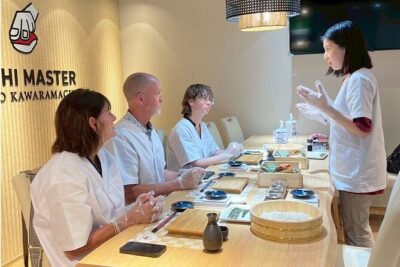 ★ 5.0Sushi Making in Kyoto! Same-day bookings welcome!From $53713 reviews
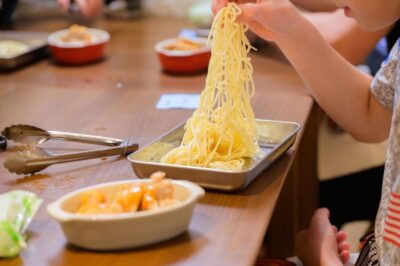 ★ 4.9Ramen Cooking Class at a Ramen Factory with SouvenirFrom $127532 reviews
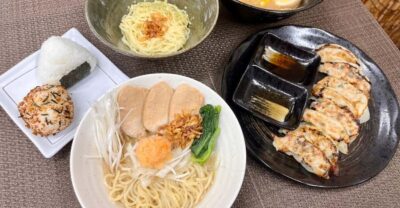 ★ 5.0Ramen, Gyoza, and Onigiri Cooking ClassFrom $90445 reviews
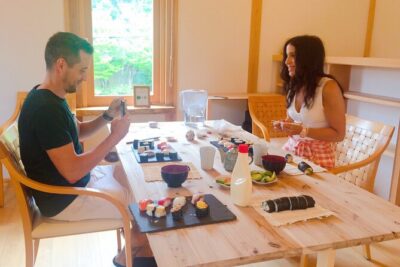 ★ 5.0The Original Small-Group Sushi Making Class in KyotoFrom $69436 reviews
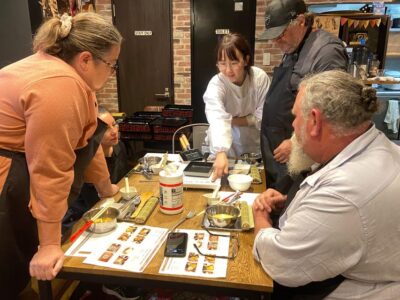 ★ 5.0Japanese Washoku Bento Small Group Cooking ClassFrom $58380 reviews
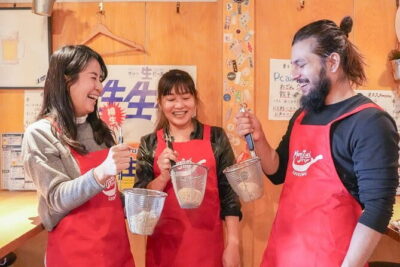 ★ 5.0Kyoto Ramen and Gyoza Cooking Class with Professional ChefsFrom $86282 reviews
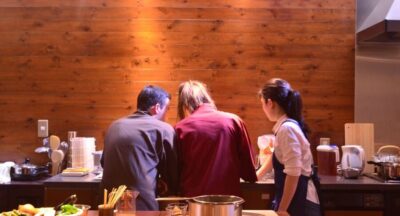 ★ 4.9Afternoon Japanese Izakaya Cooking ClassFrom $67241 reviews
Browse the lists this tour appears in