
Reviewed · KYOTO COOKING CLASSES
Kyoto: Enjoy Sushi & Market Tour! Best for Family & Couple!
Kyoto sushi tastes different when you make it yourself. This 2-hour experience pairs a hands-on cooking class with a Nishiki Market stop, so you see the ingredients and then turn them into nigiri, temari, and temaki. I especially like how close it is to sightseeing hot spots, with the meeting point about 10 minutes from Kyoto Station.
I like the structure: start with vinegar rice technique, then build your sushi in a small group, not a chaotic crowd. Another win is the way the meal ties together what you practiced, including miso soup plus dessert and coffee. It also feels family-friendly, with enough guided support for couples who just want a fun skill.
One thing to consider is price. At $77, it can feel steep if you’re mainly looking for casual watching instead of real hands-on practice, and class energy can depend on the instructor and group dynamic.
Key highlights to know before you go
- Nishiki Market fish cutting: see vendors prep the fish you will use in the class
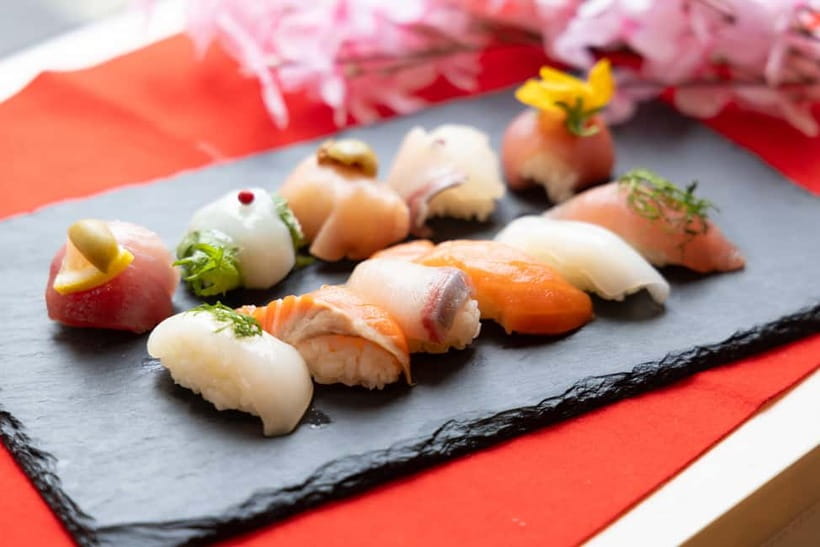
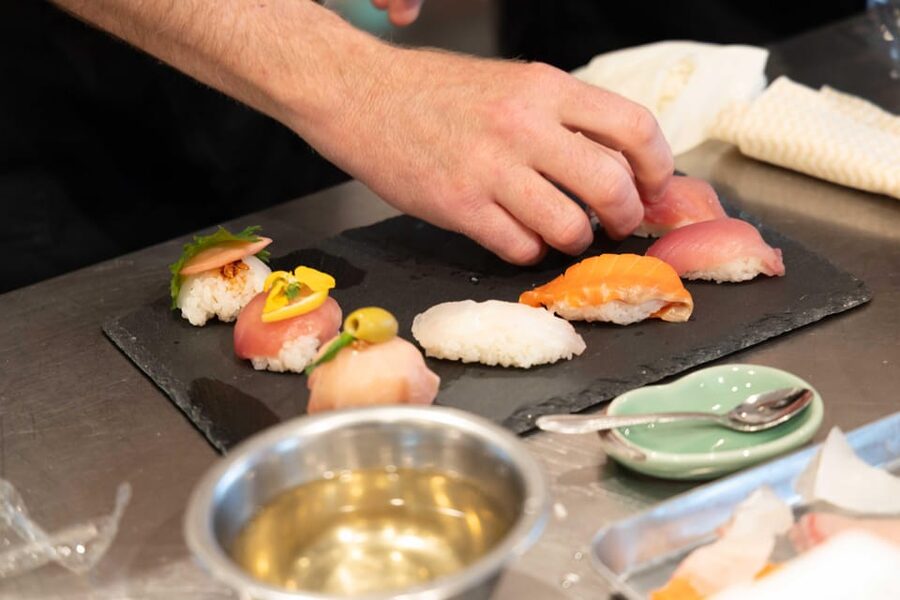
- Three sushi styles: nigiri, temari, and temaki, so you leave with options
- Miso soup with dashi tasting: learn the flavor foundation, not just the final bowl
- A shared sit-down meal: sushi, miso soup, dessert, and coffee to close the loop
- Seasonal sightseeing tips from a Kyoto tourism expert for smarter day planning
- Small group cap of 10: more attention while you practice
Entering Kyoto at Salon Roll, close to everything
You’ll meet in front of a building with a hair salon called Salon Roll, on the first floor. It’s a practical location, about 10 minutes from Kyoto Station and roughly 5 minutes from Shijo Station, which matters because Kyoto sightseeing days move fast. Starting here keeps you from wasting time crossing the city.
If you’re planning around Gion or Kiyomizu-dera, this makes sense as a mid-day or early-evening stop. I like tours that connect your cooking moment with your walking day, because it helps the whole trip feel less like separate boxes.
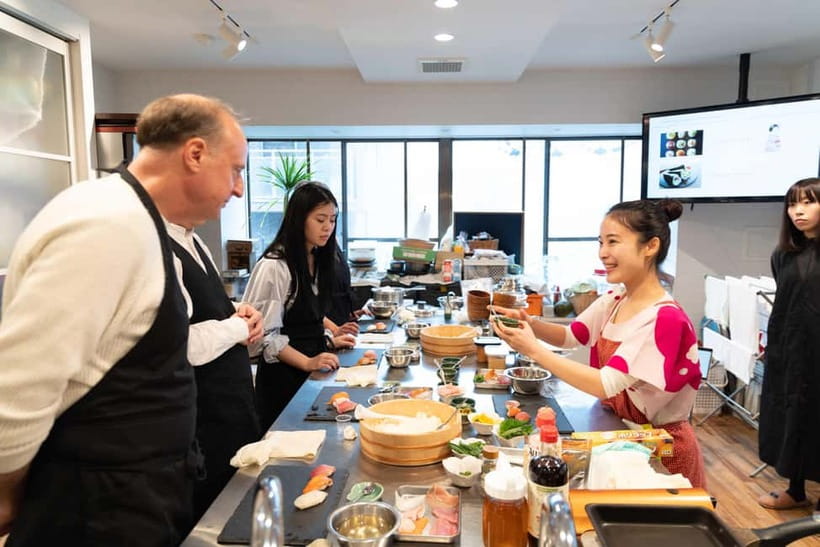
This is also a small group workshop, limited to 10 participants. That size is key for a cooking class, where you need space to cut, shape, and ask questions without feeling rushed. The class runs for 2 hours and is offered in English and Japanese, with an instructor present for you to follow along.
You can also read our reviews of more shopping tours in Kyoto
Nishiki Market fish cutting, where your sushi starts
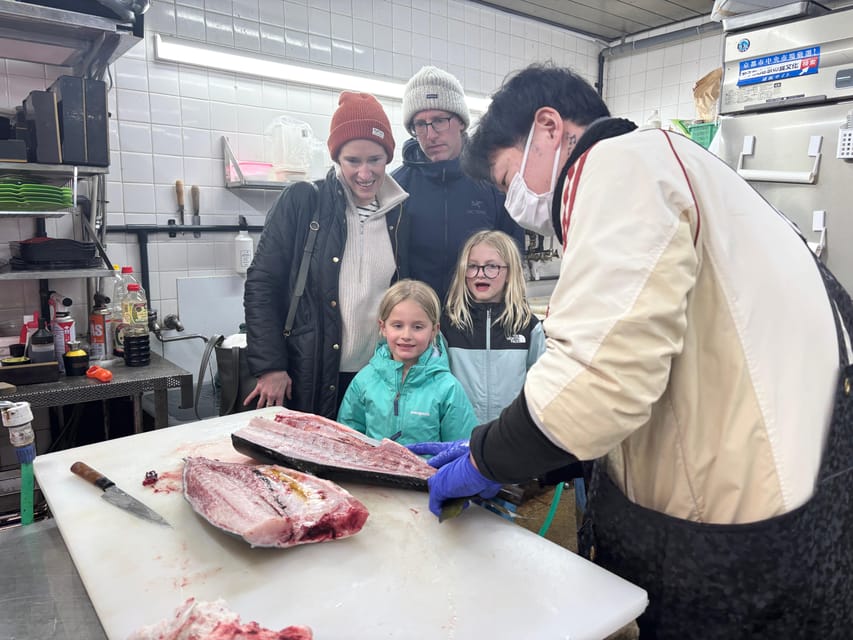
After meeting, you head to Nishiki Market together. The big moment here is watching skilled vendors expertly prepare the fish through cutting and filleting. It’s not abstract, you’re seeing technique in motion, and that helps you understand why sushi rice and fish both matter.
This stop is valuable even if you’ve eaten sushi in Japan before. You’re picking up context: freshness isn’t a marketing word here, it’s visible in how fish is handled, how pieces are sized, and how quickly things move. And because you then make sushi afterward, your market viewing has a purpose, not just sightseeing.
One more practical benefit, Nishiki is easy to fit into a Kyoto day. You’ll already be in the central area, so this doesn’t balloon into a long commute. In a short 2-hour format, that efficiency is part of the value.
Vinegar rice and sushi shaping you can repeat at home
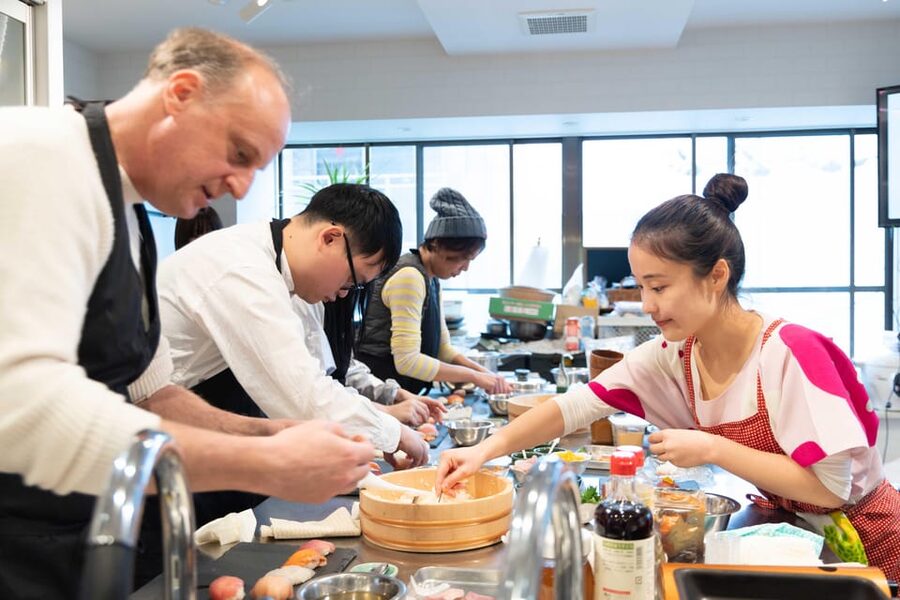
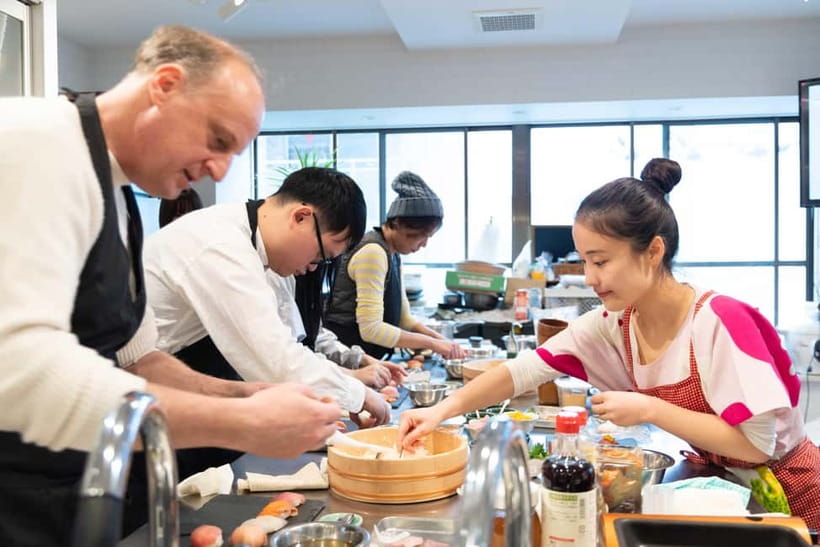
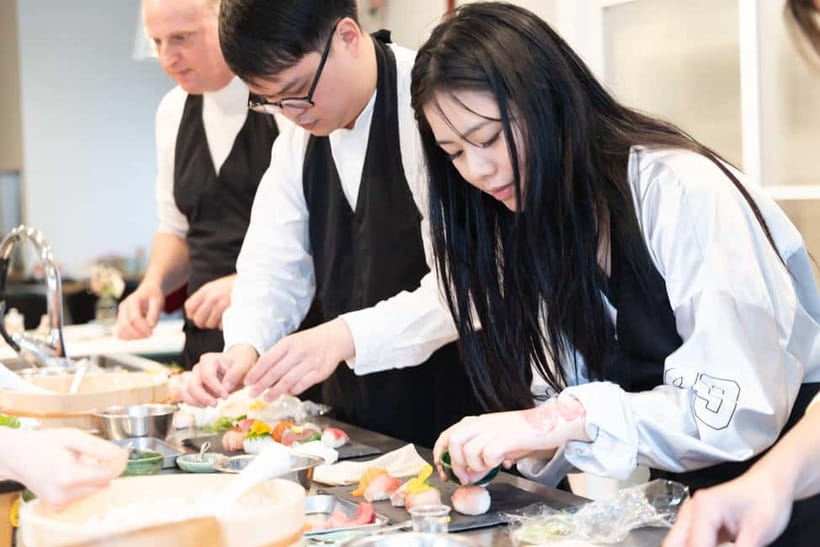
The core of this experience is making sushi yourself with guided instruction. You’ll learn how to make vinegar rice, which is the foundation for great sushi. Most people focus on the fish, but this is where the class earns its keep, because rice texture, seasoning, and handling affect everything that follows.
Then you’ll practice making three different types:
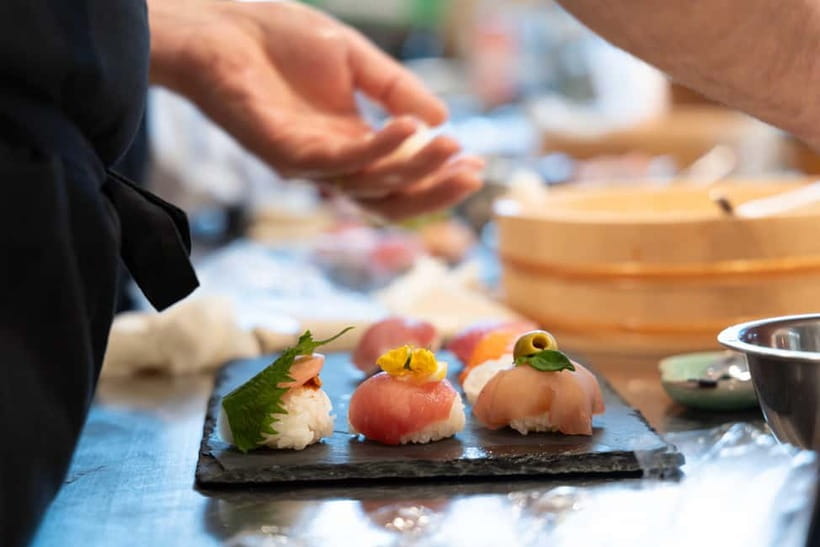
- Nigiri (shaped rice topped with fish)
- Temari (bite-sized, shaped sushi)
- Temaki (hand-formed cone sushi)
That variety is smart for home cooks. If you only learn one style, you end up with one go-to presentation. By learning three, you can match your mood and your ingredients later.
I also like that the class pushes creativity without leaving you on your own. One of the best-reviewed aspects is how guides teach the right techniques while staying flexible enough to help you find your own flavor choices. In past bookings, the instruction style came through as supportive, professional, and very hands-on, which is exactly what you want when you’re building new muscle memory.
For families, this is a great payoff because kids and adults can participate at the same time, especially in shaping steps like temari and temaki. For couples, it’s a shared project, not a passive meal where you just watch other people work.
Dashi tasting and miso soup, the flavor engine
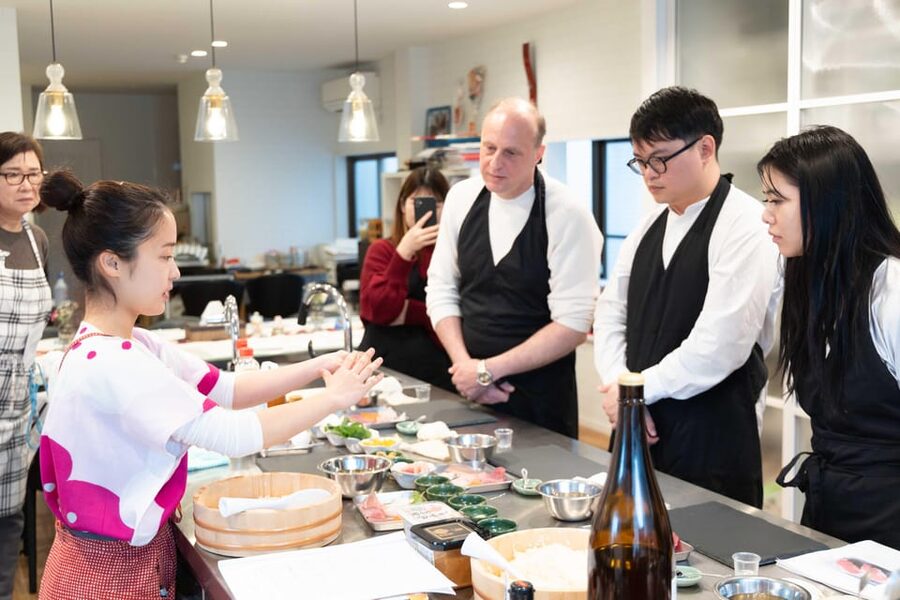
Between the sushi-making steps, you’ll learn how to make dashi, plus tasting and comparison, and then make miso soup. This part matters because miso soup in Japan is not just salty comfort. It’s a carefully balanced flavor system built on dashi and seasoning.
The tasting and comparison element is the practical takeaway you can use again later. Even if you don’t cook miso soup at home often, you’ll better understand what makes it taste right, whether it’s the dashi base, the richness, or the way miso changes a broth’s character.
After that, you eat what you made, which is one of the simplest ways to learn. You get immediate feedback with the finished bowl, and it makes the class feel complete rather than like a workshop that ends with a lecture.
The shared meal: sushi, miso soup, dessert, and coffee
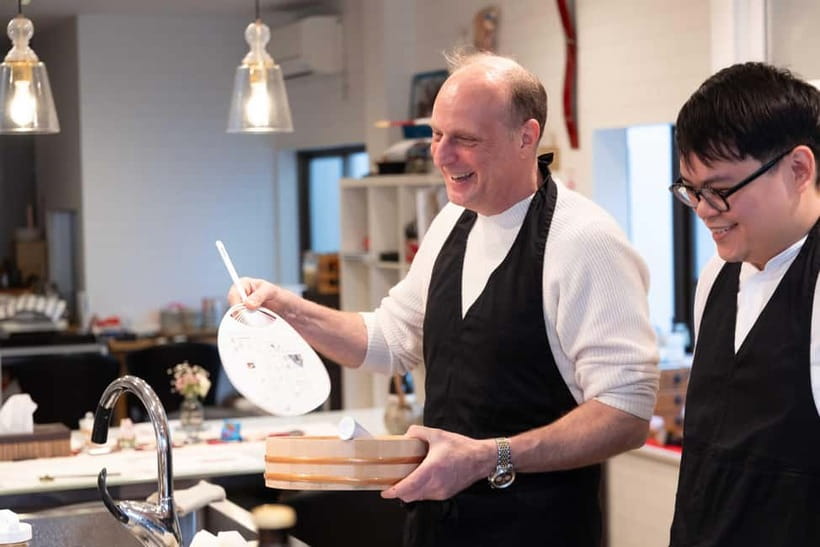
Once your sushi is ready, you enjoy the meal together: sushi, miso soup, and dessert. Coffee is included as well, which is a nice finishing touch when you’re doing Kyoto sightseeing in warmer or cooler weather.
Dessert has been a standout in reviews. One family booking specifically called out homemade matcha dessert, along with options like green tea. That’s the kind of detail that turns a cooking class into a real food experience, not just instruction.
Extra beverages are possible for an additional charge, including sake and beer. It’s optional, so you can keep it light, but it’s there if you want to make the meal feel more like a celebration.
More Kyoto temple visits, food tours, tea experiences, and day trips to compare

Seasonal sightseeing tips that help your next day
This tour doesn’t end at the kitchen. You also get tips on seasonal sightseeing from a Kyoto tourism expert. In practice, that can help you choose which temples or neighborhoods to prioritize based on time of year, crowd patterns, and what fits your energy level.
I like this add-on because it turns the class into a planning tool. You leave not only with sushi skills, but with a smarter route for the hours after you’re done.
And because the meeting point is near central transit and close to major areas like Gion and Kiyomizu-dera, the advice feels grounded in what you can actually do next.
Price check: does $77 feel like value?
At $77 per person for a 2-hour class, this isn’t a budget activity. But in Japan, cooking workshops that include ingredients, market connection, and instruction can be priced accordingly.
Here’s what you’re getting for the money:
- Hands-on sushi instruction for multiple styles (nigiri, temari, temaki)
- Vinegar rice and sushi preparation practice
- Dashi tasting plus making miso soup
- A sit-down meal with sushi, miso soup, dessert, and coffee
- Seasonal sightseeing guidance from a Kyoto tourism expert
- A small group setting (limited to 10)
When I compare that to paying for lunch alone, you’re adding skill-building plus guided technique plus a structured market component. The fish market cut-watch also gives the class a start-to-finish story, which is harder to replicate on your own without time and know-how.
That said, one booking gave a lower score, saying the instructor was less engaged and that the fish quality did not justify the price to them. So my practical advice is this: go in expecting hands-on cooking, not a loose food stroll. If you want to make sushi and ask questions, it’s likely worth it. If you mainly want to watch, you might feel it.
Who this tour suits best (and who might skip it)
This experience is a strong fit if you want:
- A family-friendly activity that still feels genuinely Japanese
- A couple’s date with a shared outcome (your sushi meal)
- A quick, central Kyoto plan that doesn’t swallow half the day
- Real home-cooking skills, especially vinegar rice and how to structure sushi
It’s also a good choice if you’re the type who likes learning technique. Watching fish cutting plus making dashi and miso soup gives you multiple layers of food education, not just one.
Who might skip it? If you’re already confident making sushi at home and you want more free time to roam markets and neighborhoods on your own, you might prefer a more flexible food walk. Also, if group interaction is your top priority and you’re sensitive to less energetic instructors, you should know class experience can vary.
Logistics that matter more than you think
This tour is set for small groups, up to 10 participants, and you’ll have an instructor who speaks both English and Japanese. That matters because cooking classes require feedback, especially when you’re shaping sushi.
Another practical detail: smoking indoors is not allowed. That’s standard enough, but it helps you plan comfort, especially if you’re traveling with kids or sensitive family members.
Wheelchair accessibility is listed, which is a meaningful factor if mobility is part of your decision. In Kyoto, older streets and buildings can be tricky, so it’s good to see accessibility explicitly included.
Finally, the class is only 2 hours, so come with a light stomach and the willingness to participate. This isn’t a slow, multi-course dinner. It’s a tight, active food session.
Should you book this Kyoto sushi and market tour?
I’d book this if you want a hands-on Kyoto memory you can recreate. The mix of Nishiki Market fish cutting, vinegar rice technique, dashi tasting, and then a shared meal with dessert and coffee is a strong package for a short window.
I would pass only if you’re shopping for a relaxed, spectator-style food experience, or if the idea of learning sushi shaping does not sound fun for you. At $77, it rewards active participation.
If you fall into the sweet spot, this is one of those rare tours where your learning and your meal finish at the same table. You leave with sushi you helped make, plus the confidence to try again back home.
FAQ
Where is the meeting point?
You meet in front of a building with a hair salon called Salon Roll on the first floor.
How long is the experience?
It lasts 2 hours.
How much does it cost?
The price is $77 per person.
What will I learn to make?
You will learn how to make vinegar rice, prepare sushi in three styles (nigiri, temari, temaki), and make miso soup after learning about dashi.
Do we visit Nishiki Market?
Yes. You go to Nishiki Market together to see fish cutting.
What is included in the meal?
After making sushi and miso soup, you enjoy the meal, plus dessert and coffee.
Are sake or beer included?
Sake and beer are available for an extra charge.
What languages are used during the class?
The class is offered in English and Japanese.
How big is the group?
It is a small group, limited to 10 participants.
Is there a cancellation option?
Yes, free cancellation is available up to 24 hours in advance for a full refund.
More Shopping Tours in Kyoto
More Tours in Kyoto
More Tour Reviews in Kyoto
Not for you? Here's more nearby things to do in Kyoto we have reviewed

Kyoto Cooking Classes, compared.
 ★ 5.0Ramen Cooking Class at Ramen Factory in KyotoFrom $1311,937 reviews
 ★ 5.0Sushi Making in Kyoto! Same-day bookings welcome!From $53713 reviews
 ★ 4.9Ramen Cooking Class at a Ramen Factory with SouvenirFrom $127532 reviews
 ★ 5.0Ramen, Gyoza, and Onigiri Cooking ClassFrom $90445 reviews
 ★ 5.0The Original Small-Group Sushi Making Class in KyotoFrom $69436 reviews
 ★ 5.0Japanese Washoku Bento Small Group Cooking ClassFrom $58380 reviews
 ★ 5.0Kyoto Ramen and Gyoza Cooking Class with Professional ChefsFrom $86282 reviews
 ★ 4.9Afternoon Japanese Izakaya Cooking ClassFrom $67241 reviews
Browse the lists this tour appears in