
Reviewed · KYOTO COOKING CLASSES
Kyoto Home Cooking Class &Supermarket tour near Fushimiinari
A cooking class should feel like a visit, not a show. In Kyoto, you learn core Japanese flavors in a real home setting, then finish with a hands-on supermarket tour near Fushimi Inari. Garden-view dining and small group instruction make it feel personal from the first lesson.
I love that you start with dashi, the foundation behind so many everyday Japanese dishes. I also love the supermarket portion, because it teaches you what to buy and how to read Japanese ingredient labels for next time.
One possible drawback: you are cooking and eating for about 4 hours, and the class is not suitable for wheelchair users. You will also need to bring socks, and the menu can shift with the season.
Quick hits before you go
- Small group (max 6) with instruction in English
- Learn the basics of dashi and Japanese flavor-building, not just recipes
- Cook about five dishes with guidance, then eat together in a traditional room
- End with a local supermarket tour tied directly to what you made
- Vegetarian and vegan guests can be welcomed, using vegetarian dashi
- You get recipes to take home so you can recreate the meal later
Kyoto in a real home, not a studio
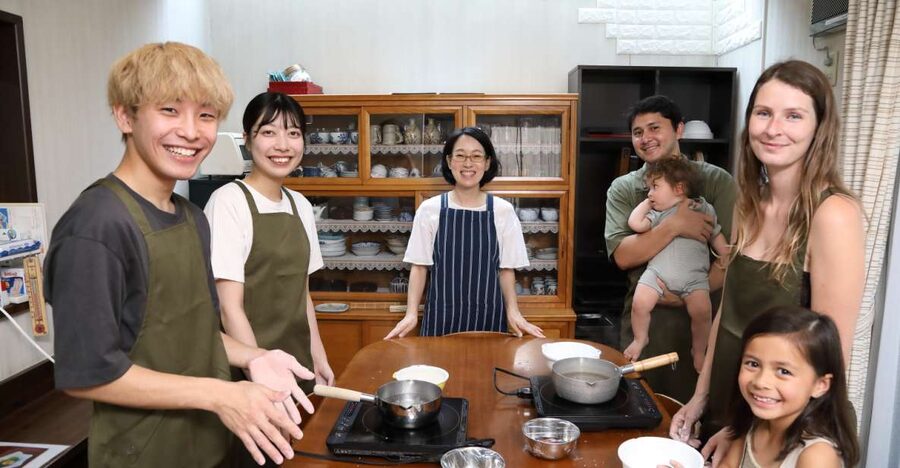
This experience works because it is not staged like a “cooking attraction.” You step into an authentic Japanese room with garden views, where the pace feels calm and domestic. It makes the cooking lesson land differently. You are not just watching techniques. You are practicing them in a setting that feels normal, like you were invited for lunch.
The group size helps too. With a maximum of 6 participants, questions do not pile up. When I want clarity, I get it fast. And the teaching style is direct and detailed, so you can follow steps without second-guessing.
There is also a cultural layer that is practical, not performative. The class is run by licensed guide interpreters, so explanations in English stay clear. You learn what something is, why it matters, and what to look for in ingredients, which is the stuff that actually improves your home cooking.
You can also read our reviews of more cooking classes in Kyoto
Dashi first, so everything else makes sense
Almost every Japanese meal you have ever loved comes back to one idea: good stock. Here, the class starts with dashi, Japanese soup stock, because it shows up across Japanese cuisine. Once you understand dashi, you can taste why dishes come out balanced, not flat, even when the recipe looks simple.
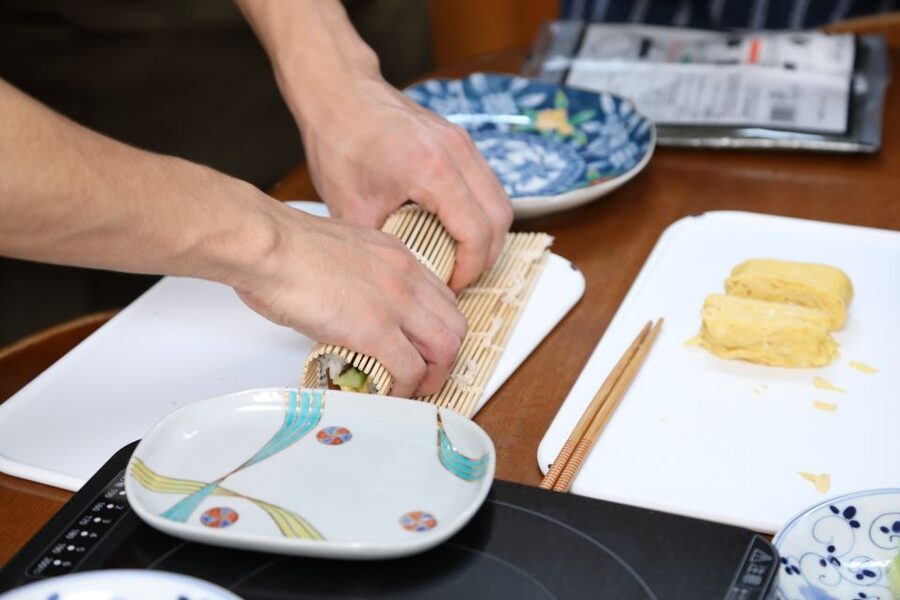
You are not left to guess. The instructor demonstrates key steps before you take over your station. Then you prepare about 5 dishes yourself, with support as you go. This is a big reason the class feels useful later. You do real tasks, not only chopping and stirring for show.
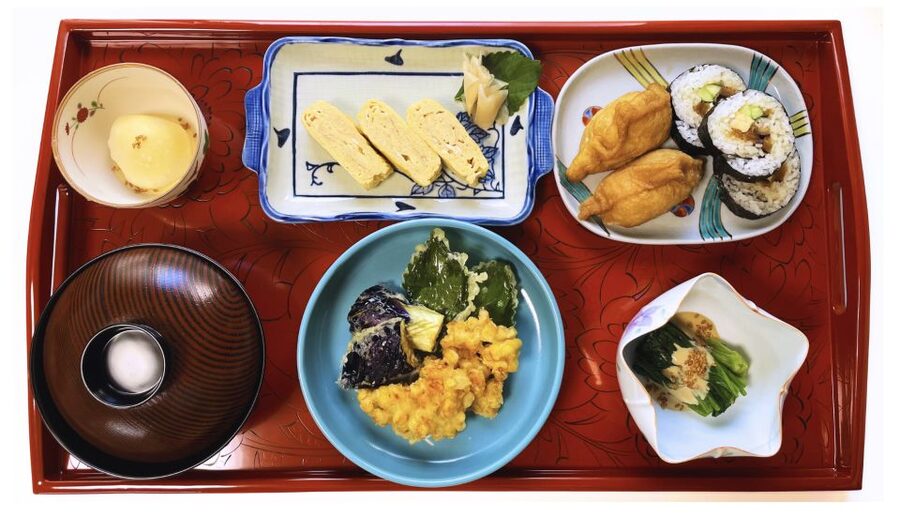
What might you cook? Menus can vary by season, but the pattern stays consistent: you learn core skills and then apply them across multiple dishes. Based on the types of meals people have made in this class, you might see items such as miso soup, tempura, sushi or sushi-style rolls, a rolled egg, a Japanese omelet, a salad, and a sweet like mochi. Even if your exact menu differs, the training approach is the same.
If you are vegetarian or vegan, this matters. The class uses vegetarian dashi, which means you can participate without having to reverse-engineer substitutions on your own.
Cooking for two, or cooking solo, with real guidance
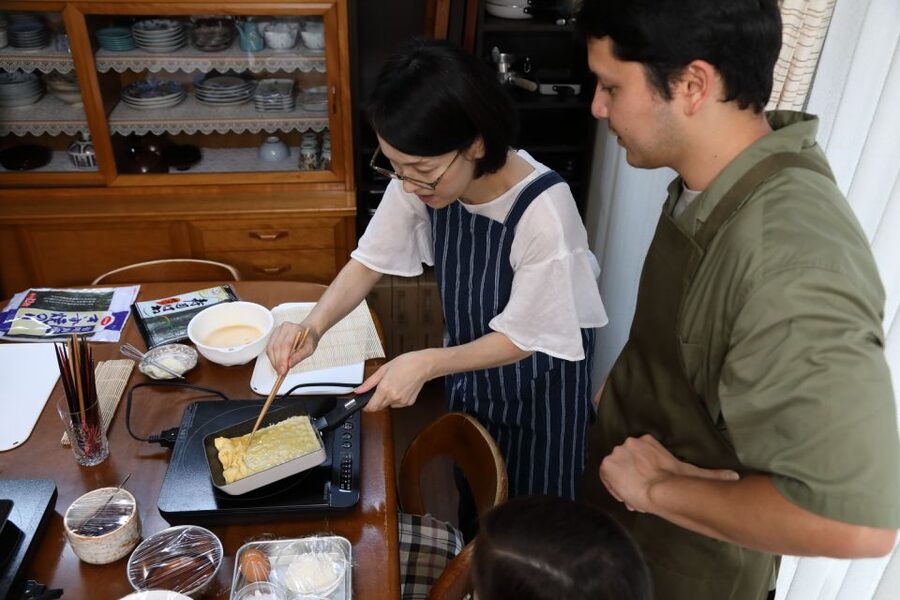
This is a “hands-on” class, and it respects your pace. You cook with your partner or on your own depending on group flow, then you sit down together when it is time to eat. The instructor watches what you do, then corrects the small things that make a dish work.
One detail I appreciate: you are not just following a single dish. You are building competence across multiple dishes in one sitting. That forces you to think about timing, seasoning, texture, and how flavors work together. It is how you learn Japanese home cooking in a way that actually sticks.
The teaching also seems built for clarity. People highlight that directions are organized and accommodating, which is exactly what you want if you are nervous about Japanese cooking terminology or measurement. English instruction is available, and it is delivered in a way that keeps the class understandable for both English and non-English speakers.
Lunch in a traditional Japanese room, with garden views
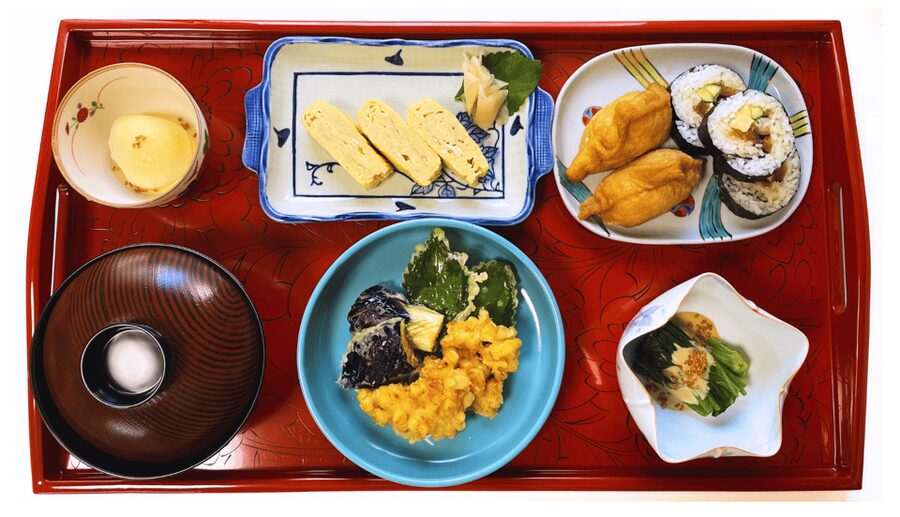
After you cook, you eat what you made in a very traditional Japanese room. And yes, the garden view is part of the point. Lunch here is not rushed and it is not just a reward. It is the moment you connect process to flavor.
This is where the class earns trust. When you sit down and taste your own dishes, you can notice the differences you were taught: how dashi rounds out soup, how tempura texture changes when batter timing is right, or how a rolled egg sets when you manage heat and stirring. You are not only learning steps. You are learning results.
Also, the atmosphere is quietly social. People describe feeling like they were invited over for lunch by local friends. That is a good sign if you travel solo. You still end up included, and you still get help if something is confusing.
The supermarket tour ties the whole lesson together
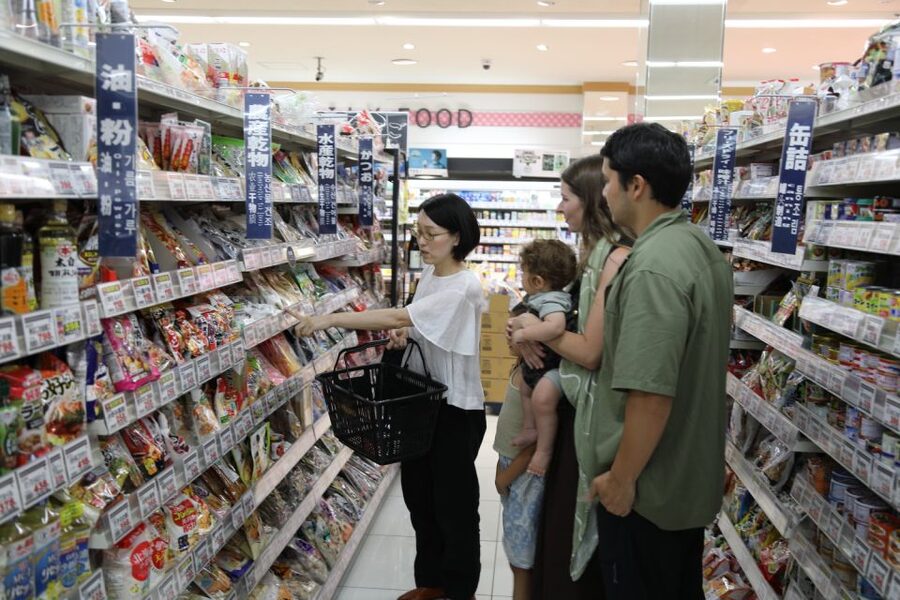
The smartest part of this experience is the final stop: a local supermarket tour where you look for the ingredients you used in class. This is not generic “see the store” sightseeing. It is ingredient literacy.
You walk the aisles together, and the instructor explains products, not only the exact items from your menu. That helps you build a mental map for what Japanese households buy often, and what you can reasonably replace later. It also makes it easier to shop with confidence at home.
If you want to buy ingredients to cook again for family, you can. The class gives you recipes, and the supermarket gives you a practical shopping shortcut. That is how you turn a nice day in Kyoto into meals you can recreate.
If you are the type who wants to know what something is called in Japanese so you can track it later, you will like this portion. People specifically mention learning what to look for during shopping, which is the difference between following a recipe once and actually cooking it again.
More Kyoto temple visits, food tours, tea experiences, and day trips to compare

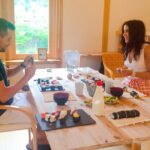
Price and time: why $127 feels reasonable
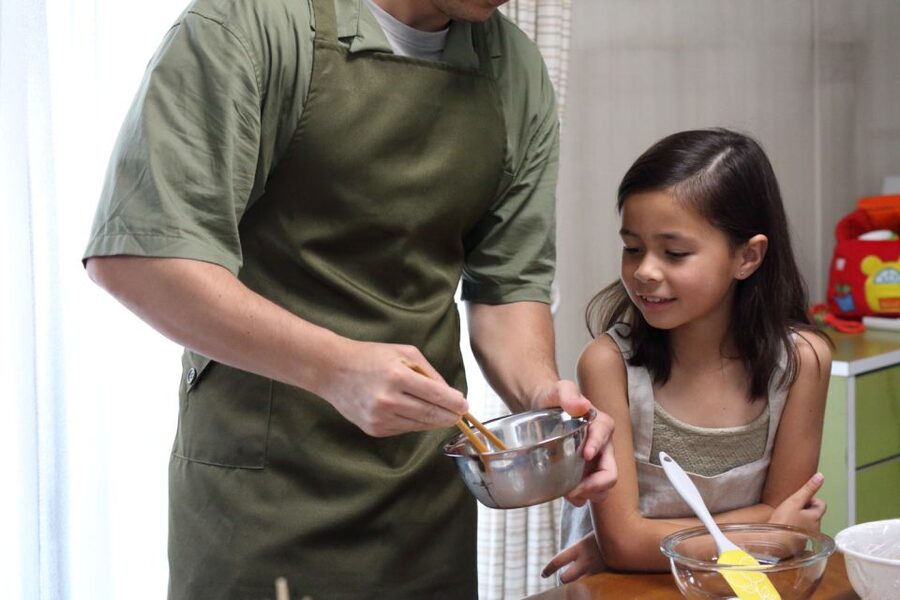
At $127 per person for about 4 hours, you are paying for more than instruction. You are paying for ingredients and the full structure: cooking, group meal, and the ingredient-focused supermarket tour. That matters, because many classes stop at the cooking part and leave you to figure out shopping later.
This class also stays small, up to 6 participants. Small groups cost more to run, but they pay off in better feedback and more hands-on time. If you value learning techniques you can repeat, the value is in the combination of:
- core flavor training (dashi)
- multiple dishes cooked by you
- a take-home recipe set
- supermarket education tied to your exact session
You should also plan that this is an active 4 hours. If your Kyoto schedule is packed, you may want to place it earlier in the day or keep it clear around peak sightseeing times. It is not a short “grab lunch and go” moment. You will cook, eat, then shop.
Not included details you should budget for: gratuity, and hotel pickup or drop-off service. The upside is you are getting a compact lesson, meal, and store visit in one go, without paying extra for transport that does not directly improve the cooking.
Who should book this Kyoto class
This suits you if you want authentic Japanese home cooking practice, not a polished show. You enjoy learning the “why” behind flavor, and you like leaving with a plan you can execute later.
It is especially good for:
- couples who want a shared cooking skill and a fun date-day activity
- solo travelers who want a friendly small group and a real host
- food lovers who care about ingredients and labeling, not only recipes
- vegetarian or vegan travelers who want a dashi option that fits your diet
A couple of practical notes. The class is not suitable for wheelchair users, and children aged 12 and below need a guardian. Also, children under 6 are not suitable. If that affects your group, you will need a different activity.
If you are a beginner, this can still work. The instruction is in English, and the format is structured: demonstration first, then you cook. If you are an experienced cook, you may still enjoy it because the dashi foundation plus ingredient shopping angles are the kind of “small” things that raise your cooking level over time.
Practical tips that make the class smoother
Here are the practical things that will help from the start.
Bring socks. You will need them for the class. It sounds minor, until you are in Kyoto realizing you forgot the one simple item that keeps the day comfortable.
Plan to eat what you cook. You are cooking about 5 dishes, then enjoying the meal together in the traditional room. If you have strong food restrictions beyond vegetarian or vegan needs, the best move is to confirm in advance, since menus may differ by season.
Expect a seasonal menu. You might see familiar items like sushi-style dishes, tempura, miso soup, omelet, and a sweet such as mochi, but the exact lineup can change. That is normal. The value is in the method and the ingredient education, which stay consistent.
If you think you might want to buy ingredients, keep room in your day and your bag. You will likely want to take some of what you learned home. Buying is optional, but it is encouraged if you want to recreate the dishes.
And if you are near Fushimi Inari, plan how you will get there. Hotel pickup and drop-off are not included, so you will handle your own transportation.
Should you book Kyoto Home Cooking Class and Supermarket Tour?
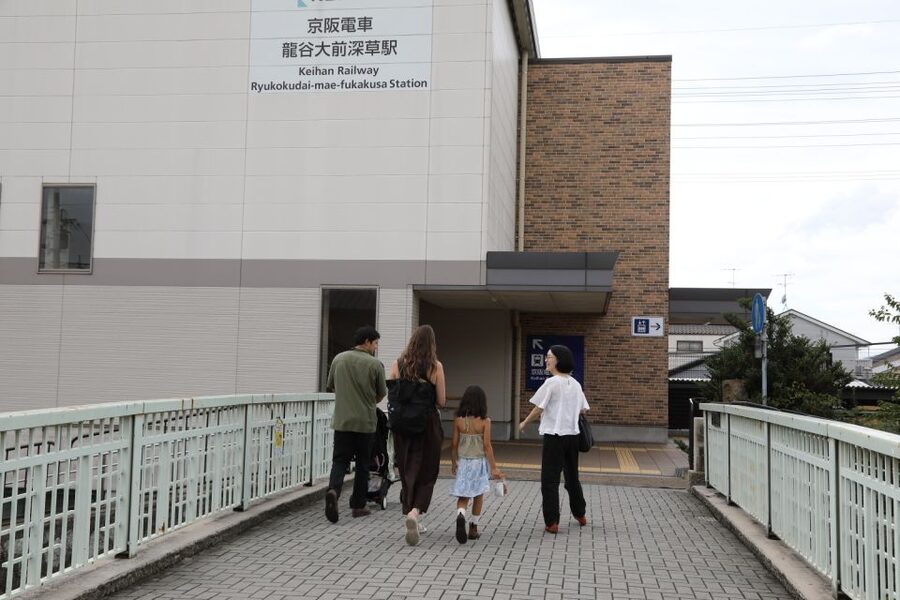
Book it if you want a day that is practical, hands-on, and rooted in real Japanese home habits. The combination of dashi training, cooking multiple dishes yourself, eating in a traditional garden-view room, and then learning how to shop for the exact ingredients is a strong value proposition for $127.
Skip it if accessibility is a concern, since it is not suitable for wheelchair users. Also skip it if you are looking for a very short activity, because this is a full half-day cooking and meal experience plus a supermarket walk.
If you are even slightly serious about improving your Japanese cooking at home, this class gives you the two things that usually separate success from disappointment: technique and shopping context. You will leave with recipes, but more importantly, you will know what to buy and why it matters.
FAQ
How long is the Kyoto home cooking class and supermarket tour?
The class runs for 4 hours.
What is included in the price?
Lunch is included, and all seasonings and ingredients used during the class are included.
Is the class vegetarian or vegan friendly?
Yes. The class uses vegetarian dashi, so vegetarian and vegan guests can be welcomed if informed in advance.
How big is the group?
The group is limited to a maximum of 6 participants.
What should I bring?
You should bring socks.
Is there a cancellation option if plans change?
Yes. You can cancel up to 24 hours in advance for a full refund.
More Cooking Classes in Kyoto

More Tours in Kyoto



More Tour Reviews in Kyoto
Not for you? Here's more nearby things to do in Kyoto we have reviewed







Kyoto Cooking Classes, compared.
 ★ 5.0Ramen Cooking Class at Ramen Factory in KyotoFrom $1311,937 reviews
 ★ 5.0Sushi Making in Kyoto! Same-day bookings welcome!From $53713 reviews
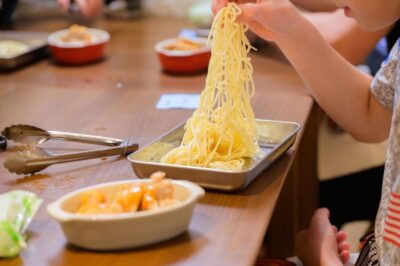 ★ 4.9Ramen Cooking Class at a Ramen Factory with SouvenirFrom $127532 reviews
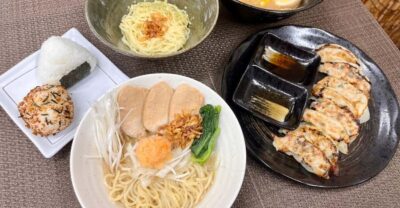 ★ 5.0Ramen, Gyoza, and Onigiri Cooking ClassFrom $90445 reviews
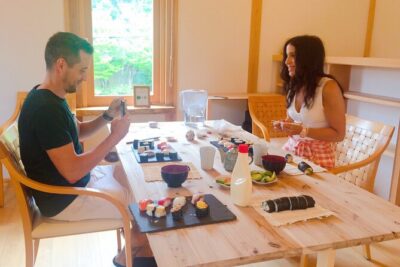 ★ 5.0The Original Small-Group Sushi Making Class in KyotoFrom $69436 reviews
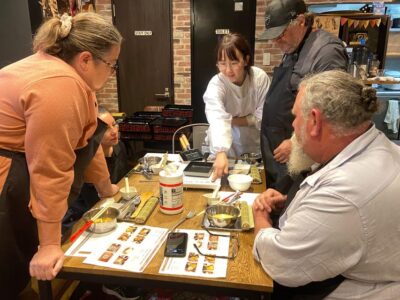 ★ 5.0Japanese Washoku Bento Small Group Cooking ClassFrom $58380 reviews
 ★ 5.0Kyoto Ramen and Gyoza Cooking Class with Professional ChefsFrom $86282 reviews
 ★ 4.9Afternoon Japanese Izakaya Cooking ClassFrom $67241 reviews
Browse the lists this tour appears in