
Reviewed · UJI & MATCHA DAY TRIPS
Kyoto & Uji: Full Day Sightseeing Tour from Osaka or Kyoto
Kyoto can overwhelm fast, even for seasoned travelers. This 9-hour Kyoto and Uji day tour gives you a practical route through the city highlights, then finishes in Uji, where tea shops and temple grounds feel calmer than central Kyoto.
I like two things a lot. First, you get eight famous scenic stops packed into one day without needing to plan trains or connections. Second, the guide experience matters, with clear meeting points and practical help like maps shared via WhatsApp, plus multilingual support from guides such as John (English, Mandarin, and Japanese) and others like Cave and Jone who helped keep the flow smooth.
One drawback to plan for: temple admissions are extra. Tickets for Kinkaku-ji, Kiyomizu-dera, and Byodo-in Temple total 1,600 yen, and the day is long enough that you will want good shoes and a snack plan since lunch is not included.
Key Things That Make This Tour Worth Your Time
- A full Kyoto-to-Uji route in one go, built around major landmarks that would take longer to stitch together yourself
- Temple ticket cost is the main extra fee, with 1,600 yen for Kinkaku-ji, Kiyomizu-dera, and Byodo-in
- Real wandering time at each stop, so you can photograph, pause, and shop without feeling like you are speed-running every site
- Uji gets you out of the Kyoto rush, bringing river views, rabbit-themed shrine details, and tea street browsing
- Smallish group size (max 45) and an air-conditioned vehicle, which helps on hotter or rainy days
A 9-Hour Kyoto and Uji Mix That Feels Efficient
At 9 hours, this tour is designed for one thing: getting you to the right places in the right order. You start in Kyoto for the big-name icons, then work your way toward Uji for a different kind of experience, more tea-focused and less frantic.
The value is strongest if you do not want to juggle tickets, transit, and directions all day. The tour includes an air-conditioned vehicle and a guide, plus a mobile ticket. It also caps at 45 people, so you are not dealing with the huge bus-group chaos that can turn sightseeing into a chore.
The pace is structured, with set time windows at each stop. That means you can plan what to do with that time: take in views, walk the lanes, and still have moments to explore on your own inside the allotted time. It is the kind of day that works best when you treat it like a guided highlights tour, not a slow culture crawl.
More Kyoto temple visits, food tours, tea experiences, and day trips to compare


Kinkaku-ji Golden Pavilion: Fast Access to a UNESCO Star
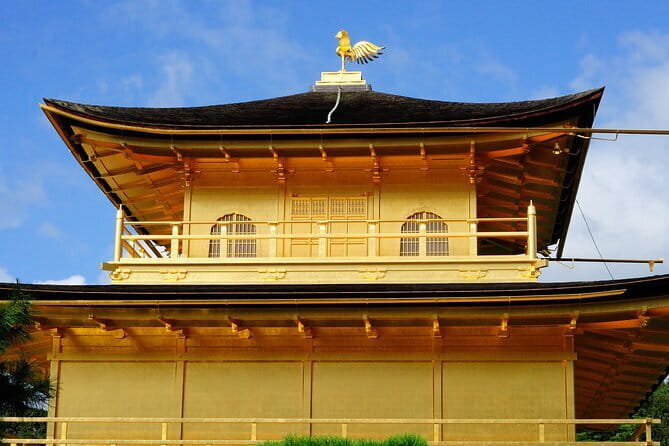
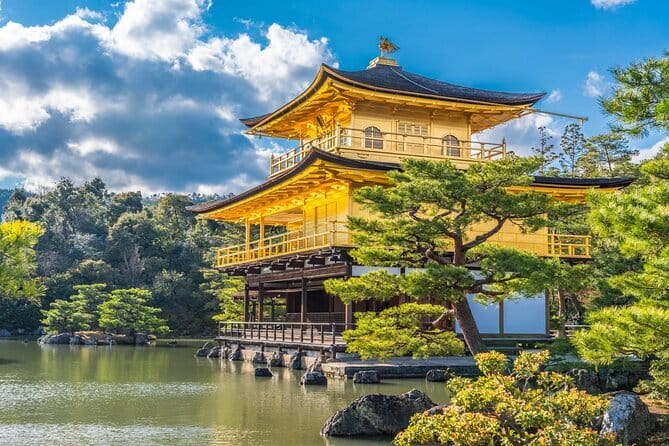
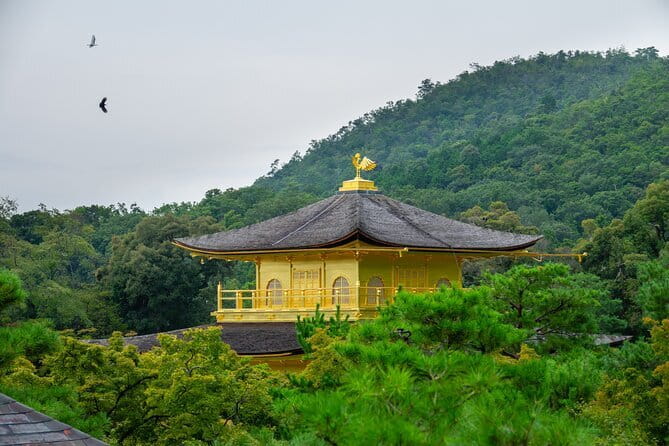
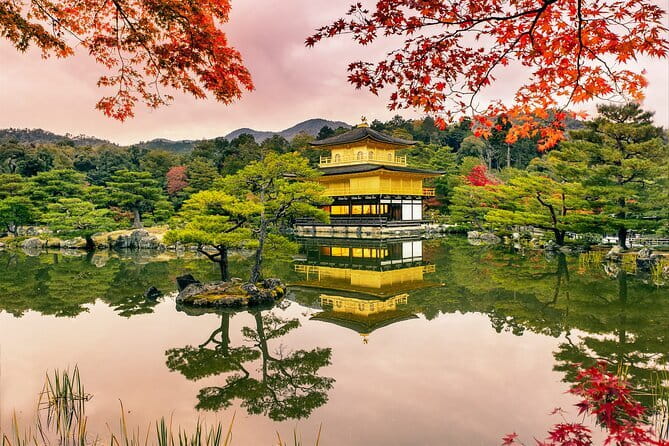
Kinkaku-ji, the Golden Pavilion, is a Zen Buddhist temple and a UNESCO World Heritage site. The headline feature is the shimmering gold exterior paired with calm gardens, a visual that feels almost unreal when you first see it in person.
You get about 40 minutes here, which is enough time to do the basics well: look at the pavilion and take in the garden setting from the viewpoints you can reach during your visit. Since this stop requires an admission ticket that is not included, I suggest budgeting that cost up front and keeping your phone ready for the mobile ticket experience for the rest of the tour.
A practical note: the Golden Pavilion is famous, so expect crowds. Your best move is to prioritize where you stand first. Get your main pavilion photos early in your visit window, then use the remainder of the time to stroll and enjoy the garden atmosphere without feeling rushed.
Kiyomizu-dera and the Higashiyama Lanes: Temple Drama Plus Street Flavor
Next up is Kiyomizu-dera, one of Japan’s most celebrated temples and part of the Historic Monuments of Ancient Kyoto UNESCO World Heritage site. It was founded in 780 at the site of the Otowa Waterfall, so the location has a built-in sense of place, not just architecture.
You have about 1 hour at Kiyomizu-dera. That is workable because the complex is not only about the main view. You also spend time moving through the grounds and getting a feel for how visitors experience the site, step by step.
Right after, you transition to the slopes of Sannenzaka and Ninenzaka, with about 1 hour for those historic streets. These are the photo-friendly lanes lined with older Japanese-style buildings. They are free to visit, and that matters because you can spend more time here without adding ticket costs.
One reason I like this pairing is that it balances big-ticket temple visuals with the smaller, human-scale street atmosphere. A big temple pulls you in, then the lanes let you slow down for details like storefronts and traditional building textures. Wear shoes you trust, because slope and stone surfaces add up over the course of the day.
Yasaka Koshin-Do Monkeys: The Stop That Adds Surprise
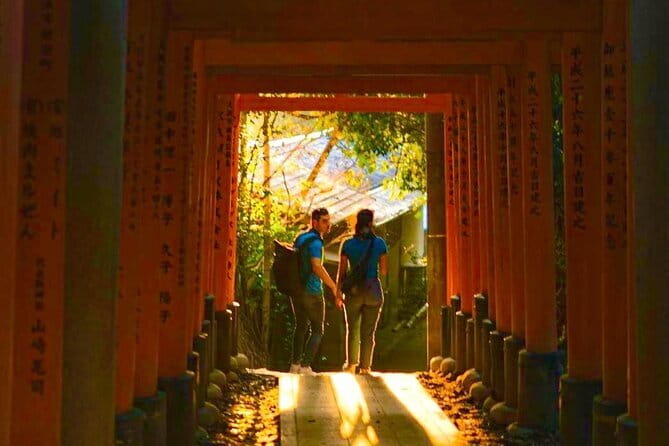
Yasaka Koshindo, also known as Daikokusan Kongoji Temple Koshindo Koshindo, gets you a fun detour on the way toward Ichinenzaka. This is the temple stop with the colorful, eye-catching monkey displays people talk about because they are not subtle or standard.
You get about 30 minutes, and admission is free. That makes it a great breather between heavier temple stops. Use it to refresh your attention, then mentally reset before you head toward Uji.
If you are someone who likes quirky cultural details, this is a high return-on-time stop. You get enough time to understand what you are looking at and grab a few photos without it turning into another long line-and-wait situation.
Uji River and Uji Shrine: Tea Country Calm With Rabbit Lore
Then you shift from Kyoto’s famous crowds to Uji, starting with the Uji River. This river is described as the only one that originates from Lake Biwa, Japan’s largest lake. It also has long served as a waterway connecting Shiga and Osaka, so even a short stop here has a geography and history angle.
You have about 20 minutes along the river area. It is not a long excursion, but it works as a reset. After temple steps and sloped streets, the river view gives your eyes a break and helps the day feel like more than just sightseeing checkboxes.
Next is Uji Shrine, also about 20 minutes, with free admission. This shrine has a themed design centered on rabbits. You will see the image of a white rabbit with red eyes on lanterns and ema, which are votive plaques people write on.
I like this stop because it is memorable without requiring you to hunt for information. The rabbit theme is visually obvious. If you want one small, quirky cultural moment that sticks, this is it.
Byodo-in Phoenix Hall: The Main Ticketed Moment in Uji
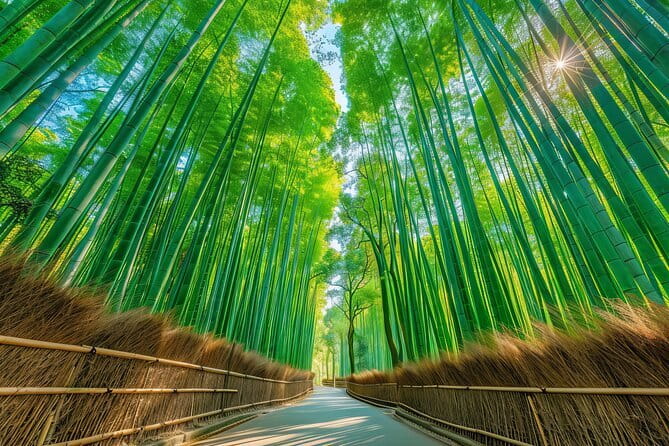
Byodo-in Temple is one of Japan’s best-preserved national treasures and a UNESCO World Heritage site. The big attraction here is the Phoenix Hall, famous for its wing-like corridors. This is the sort of architecture that rewards quiet attention, even if you only have a limited visit time.
You get about 30 minutes at Byodo-in, and admission tickets are not included. Since the temple ticket is part of the 1,600 yen total for the day’s ticketed temples, I recommend treating this as the moment you allocate your focus. Do the required viewing, take your photos, and then use the rest of the window to absorb the hall setting and courtyard areas you can reach during your visit.
This is also a good spot for the one thing many people miss on tight schedules: stopping long enough to feel the scale. Even in a short timeframe, you can stand back, look, and let the building shapes become clearer.
Byodo-in Omotesando Tea Street: Souvenirs and Snacks Done Right
The last stop is Byodo-in Omotesando, a charming street tied to Uji’s green tea production reputation. It is around 30 minutes, free to visit, and it is where you can shift from temples to tea-related shopping.
This is a practical ending to a temple-heavy day. Omotesando gives you a place to browse tea shops, small gift items, and other tea-related products without a ticket gate. Since lunch is not included, this last stretch is also when you can handle your food needs in the easiest way: pick something small and local, rather than trying to solve lunch problems earlier in the day.
If you are a tea person, this is where the Uji theme pays off. If you are not, it is still a pleasant place to buy a specific souvenir that feels connected to the place instead of generic shopping.
How the Tour Works on the Ground: Comfort, Time, and Small Details
The included air-conditioned vehicle is not a throwaway feature in Japan. It matters because you will likely spend a lot of the day on the move. The ride helps you conserve energy so you can enjoy each stop instead of arriving already tired.
The guide role is the other big piece. Good guides do two jobs: they keep the group oriented and they help you spend your time wisely once you arrive. In particular, I like that some guides have handled multilingual support, such as John speaking English, Mandarin, and Japanese, and others sharing maps and meeting details via WhatsApp. That kind of communication is what lets you wander a bit without feeling lost.
Time windows are also your friend if you use them correctly. You get roughly:
- 40 minutes at Kinkaku-ji
- 1 hour at Kiyomizu-dera
- 1 hour for Sannenzaka and Ninenzaka
- 30 minutes at Yasaka Koshindo
- 20 minutes at Uji River
- 20 minutes at Uji Shrine
- 30 minutes at Byodo-in
- 30 minutes at Byodo-in Omotesando
This structure is why the tour works well for short stays. It is not trying to replace independent travel. It is trying to compress the best-known sights into a manageable day with guide support.
Weather is the one wild card. If it rains heavily at some point, you still have indoor and sheltered moments across temples, but your walking comfort will matter. Bring a small umbrella or rain layer if you travel in rainy seasons, and keep your schedule mindset flexible.
Price and Value: What You Pay, What You Still Need, and When It’s Smart
The price is $57.90 per person for a 9-hour full day. That is a solid deal for a guided, multi-stop day that covers both Kyoto and Uji. Your money goes toward the vehicle and guide, plus the organization needed to keep everyone moving between major sites.
The main extra cost is admissions. Tickets for Kinkaku-ji, Kiyomizu-dera, and Byodo-in Temple total 1,600 yen. Lunch is also not included.
So is it worth it? In my opinion, it is worth it if:
- you want a plan for a limited day in Kyoto
- you do not want to coordinate transit between distant stops
- you prefer a guide to explain what you are seeing, not just drop you off
It can be less attractive if:
- you are comfortable building your own Kyoto and Uji route
- you plan to linger longer at fewer places
- you want a fully self-paced day with no time-boxed stops
Who This Tour Suits Best (and Who Should Rethink)
This tour is a strong match for first-timers who want the headline Kyoto and Uji landmarks in one day. It also works well for people who like guided structure but still want time to wander on their own inside each stop window.
If you are traveling with stroller or large luggage, you will want to flag that when you book. The tour notes that you should indicate it in advance, which suggests the operator needs to plan logistics around group needs.
I would consider skipping or supplementing with independent time if you:
- want a slower, neighborhood-by-neighborhood Kyoto day
- dislike fixed stop times
- are extremely price sensitive once you add ticket costs
For most people, though, this is a very practical way to get the key sights without spending your whole vacation figuring out transport and ticket lines.
Should You Book This Kyoto and Uji Full Day Tour?
I think you should book it if you are doing Kyoto and Uji with limited time and you want a reliable, guided route that hits the biggest names. The biggest strengths are the clear guide support, the smooth logistics of using an air-conditioned vehicle, and the fact that the day includes both Kyoto icons and Uji’s tea-country feel.
You should pause and plan a little extra if you do not want to pay temple admissions on top of the tour price. Also, accept that 9 hours is a real day, so choose comfortable shoes and a light snack strategy since lunch is not included.
If that sounds like your style, this tour is one of the easiest ways to see a lot of Kyoto and then land in Uji for a calmer, tea-driven ending.
More Full-Day in Kyoto
More Tours in Kyoto

More Tour Reviews in Kyoto
Not for you? Here's more nearby things to do in Kyoto we have reviewed


Uji & Matcha Day Trips, compared.
 ★ 5.0World Heritage Kyoto & Nara Uji Authentic Matcha ExperienceFrom $1291,573 reviews
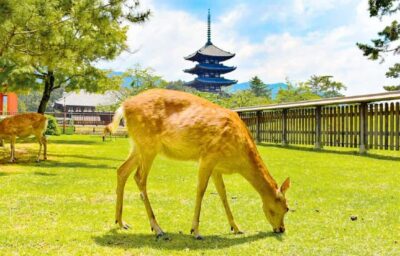 ★ 4.4Osaka: Nara and Uji Day Trip with Deer Park and Hot SpringFrom $57302 reviews
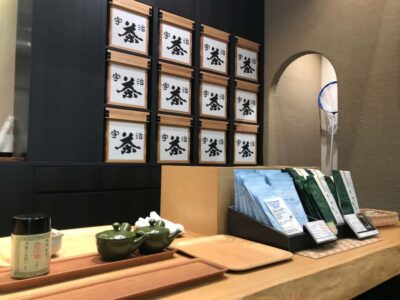 ★ 4.8Uji: Green Tea Tour with Byodoin and Koshoji Temple VisitsFrom $11172 reviews
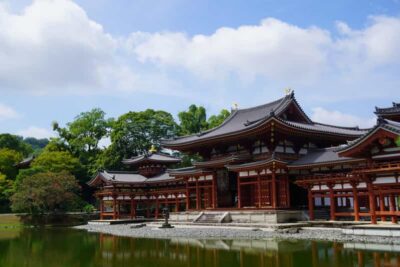 ★ 4.6Uji: UNESCO Heritage & Tea Ceremony Walking TourFrom $6654 reviews
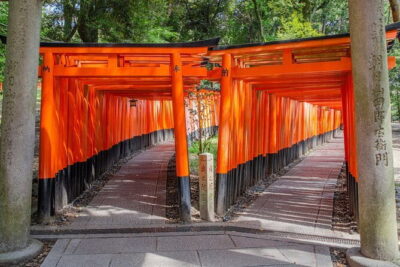 ★ 4.5Kyoto & Nara & Uji: Full Day Sightseeing Tour from Osaka or KyotoFrom $6739 reviews
 ★ 5.0Matcha Grinding Experience and Walking Tour in Uji KyotoFrom $13026 reviews
 ★ 5.0Slow Cycling Tour at Uji’s Matcha Green Tea Fields and HeritageFrom $13025 reviews
 ★ 4.7Osaka: Kyoto & Nara & Uji Historical and Scenic One-Day TourFrom $5621 reviews
Browse the lists this tour appears in