
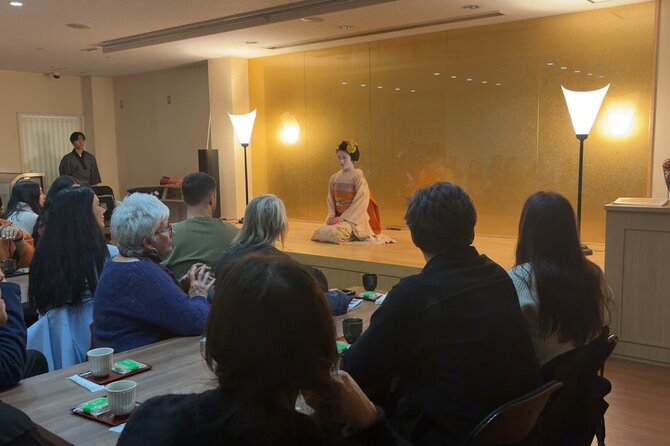
Reviewed · GION & GEISHA DISTRICT TOURS
One Hour Geisha Show in Gion Kyoto
That one-hour slot in Gion can feel short, but it gives you a very structured way to learn geisha culture. You’ll get an up-close look at a real maiko (apprentice geisha), plus tea and a light snack, and you also get a Q&A and a Japanese game that most walk-by experiences never include. The main thing to think about is that this is a staged performance, so if you’re only hunting for a surprise street sighting, your expectations may need tweaking.
I like that this show is designed to explain what you’re seeing while you’re still there, not afterward. And the small, comfortable feel, with time to ask questions, is exactly what makes it worth planning instead of trying to figure out Gion on your own.
Key Things to Know Before You Go
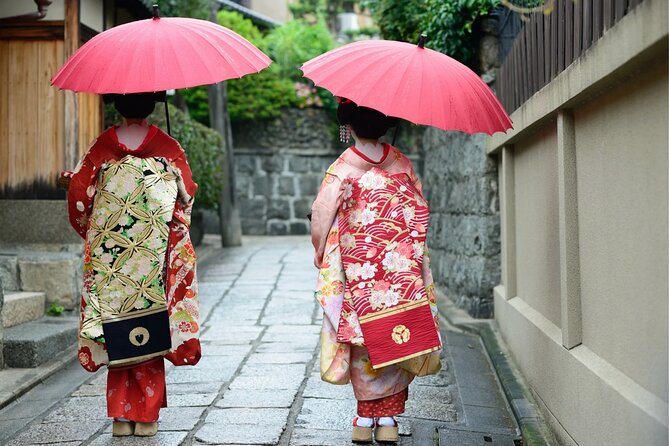
- Maiko dances up close in Gion: this is one of the most reliable ways to see a real apprentice geisha without guessing.
- Tea and a light snack included: you’re not stuck paying for a refill mid-performance.
- Q&A that fills in the blanks: you get context that’s hard to pick up just by watching.
- A Japanese game experience: it’s not only visual culture, you’ll participate.
- Photo time at the end: you get a clean moment to take pictures after the program.
One Hour in Gion: What You’re Really Buying
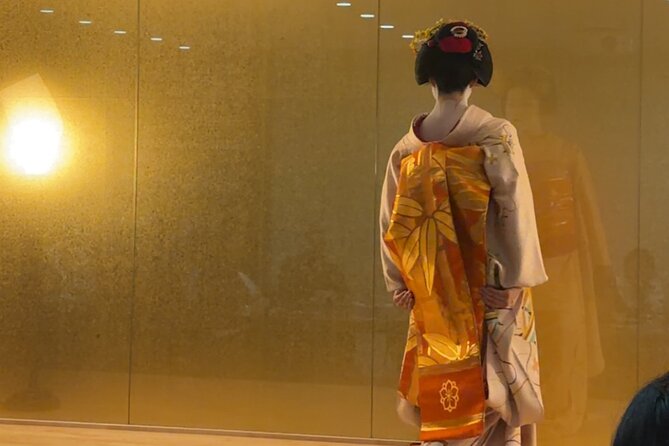
This is a one-hour geisha culture show focused on clarity. Instead of wandering and hoping you catch the real thing, you show up in Gion and watch a performance designed to teach you how the world of geisha and maiko works.
The star is the maiko. Kyoto has only about 40 maiko left, so seeing one is special even if you’ve read about geisha culture before. The show also builds in the smaller pieces that matter: a chance to meet the performer up close, a couple of traditional dances, and a guided flow that turns what could be a “cool show” into something you actually understand.
If you’re the type who wants historical context and etiquette without a lecture vibe, the format makes sense. And because there’s a Q&A, you can ask the exact things that trip people up, like what certain traditions mean and how the roles work.
One caution: because the experience is staged, you should treat it like a cultural presentation. It’s not the same as seeing geisha or maiko moving through the streets during evening appointments. If your goal is purely candid street drama, you might prefer a walking plan for Gion. If your goal is to learn and watch a polished dance program with participation built in, this does that well.
More Kyoto temple visits, food tours, tea experiences, and day trips to compare


Meeting at Daikokuchō in Higashiyama: Timing and Arrival
The show starts at 4:00 pm and it ends back at the meeting point. That matters because Gion changes after late afternoon. You’ll likely roll into a part of the district where people are still out, but the mood starts turning toward evening.
Your meeting point is at 302-2 Daikokuchō, Higashiyama Ward, Kyoto 605-0832. Give yourself a little buffer so you’re not hustling in the minutes before the program. Gion streets can be easy to misread when you’re tired from sightseeing.
Also, plan for the fact that this is a group experience. You’ll enjoy it more if you don’t treat it like a private show for two. The upside is that you get the energy of other people learning at the same time, and the Q&A often benefits from hearing what different visitors ask.
The Up-Close Maiko Moment: Why It’s Worth Skipping the Guessing Game
The core of the experience is simple: you watch a real maiko perform up close. There’s something different about seeing this tradition in a controlled, close setting. You can pay attention to details that you’d miss from far away, like how the dancer holds movements, the rhythm, and how the performance transitions from dance to explanation.
The program is designed around direct access. You start by watching the maiko in a setting where you can actually see the performance without constantly fighting for sightlines. That’s part of why the show feels so reliable compared with spending hours in Gion waiting for the perfect moment.
In one of the strongest reviews tied to this experience, the performer was Kosome San, and the show included two dances plus Q&A and a game. That’s the kind of flow you can expect, even if the exact performer name and timing can vary by session.
Why this format works for you:
- You don’t waste your evening trying to spot someone who might not be out.
- You’re shown the tradition in a way that’s understandable while it’s happening.
- You get “what am I looking at” answers, not just pretty movement.
Dances That Teach, Not Just Perform
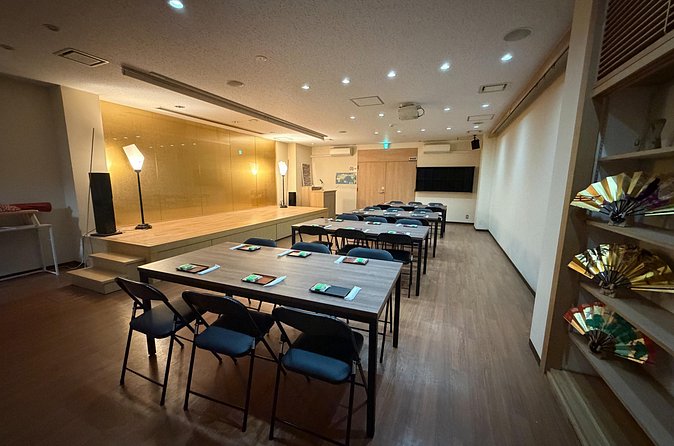
Traditional dance is the headline, but the value is in the way the show is structured. You’re not only watching choreography. You’re watching choreography inside a conversation that gives it meaning.
Most shows leave you with two questions: What style was that? And what do these customs represent? Here, the program is built so that after the dances, you’re not left guessing.
You can also expect a smooth progression. The performer does dances, then the program turns toward interaction. That matters because the “wow” part is the easiest part to enjoy, and the learning part is what tends to get left behind when you travel.
If you’re worried this will be too quick to absorb, remember it’s about one hour. That’s actually an advantage. You’re getting a full cultural snapshot without turning your entire evening into one long event.
Tea and a Light Snack: Small Detail, Big Comfort
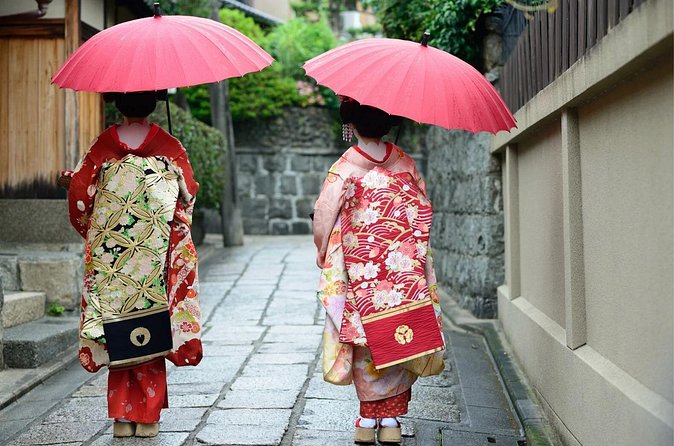
One reason people rate this show highly is how comfortable the experience feels. Tea and a light snack are included, so you’re not sitting there thinking about where you’ll eat next.
That’s practical. In Kyoto, especially around Gion, it’s easy to burn your appetite on wandering and end up overpaying for whatever you can find. Having a tea break and a snack built into the hour makes the show feel like it belongs in your itinerary instead of stealing time from meals.
You should still remember: the snack is light. You’ll likely want a proper dinner plan later. But as a buffer, it works.
More Kyoto temple visits, food tours, tea experiences, and day trips to compare



The Q&A Session: The Part Tourists Often Miss
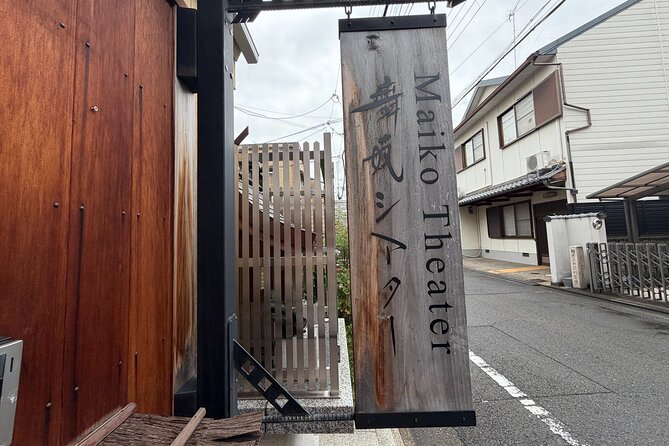
This is where I think the show earns its reputation. The Q&A isn’t treated like a formality. It’s a real chance to ask questions and get answers that connect performance to culture.
People often miss this part because many geisha-themed experiences stop at photos and spectacle. Here, the emphasis is on understanding. That’s also why the experience feels intimate. You’re not pushed through like a line item. There’s time to ask lots of questions, and you can get clarity while things are fresh in your mind.
In the feedback tied to this show, the host communication stood out, and the overall vibe was easy and friendly. That’s important because when you feel rushed, you hesitate to ask. When you feel heard, you ask more.
If you’ve ever looked at kimono, hairstyles, or the roles within geisha culture and thought, I want to know the why, this is the moment.
The Japanese Game: Participate, Don’t Just Watch
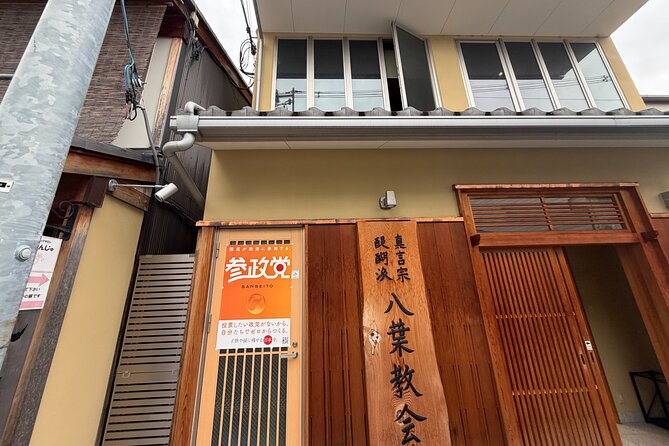
After the dances and Q&A, you also get to learn how to play a Japanese game as part of the experience.
This is a surprisingly good learning trick. Watching performances is great, but participation changes your focus from passive watching to active understanding. It also makes the hour feel less like a lecture and more like a shared moment.
You don’t need special skills. The point is that you’ll try, laugh, and move along with the group. If you travel with friends who worry about being bored in cultural shows, this piece helps keep the energy up.
Photo Time at the End: How to Make It Count
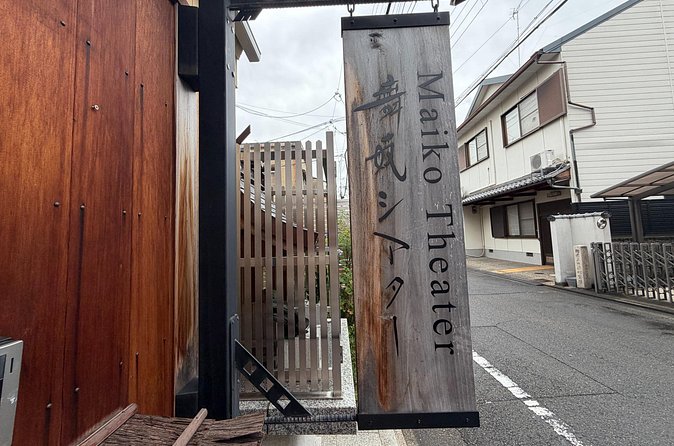
At the end, there’s an opportunity to take photos. This is the time to plan how you’ll use your phone or camera without being distracting earlier.
Practical advice:
- Keep your gear ready after the show, so you’re not scrambling at the last second.
- Be respectful of the performer’s space and the group flow.
- If the room is tight, position yourself early and wait for the appropriate moment.
Photo time is often the highlight people remember, but in a good show, it doesn’t replace the learning. In this one, the photos come after you’ve already spent the hour understanding the performance and the roles.
Price and Value of a One-Hour Program at $79.26
At $79.26 per person for about an hour, the price isn’t “impulse cheap.” But it’s also not priced like a luxury private performance. What you’re paying for is access to a structured, culturally guided experience in Gion that includes multiple components, not just a dance.
Here’s what you’re getting for the money:
- A real maiko performance up close
- Tea and a light snack included
- A Q&A that gives you context during the experience
- A Japanese game so you participate
- Photo time at the end
The value gets even better if you’re traveling in a group, because there are group discounts and the provider offers a mobile ticket. If you’re already budgeting for dinner and drinks, the inclusion of tea and snack makes the show feel more like a bundled evening plan.
Also, it’s worth thinking about your alternative. If you spend hours hunting for geisha or maiko on the streets, you might get lucky or you might not. This experience removes the “wait and hope” part and replaces it with a predictable cultural lesson.
Who This Experience Fits Best in Your Kyoto Plan
This show is ideal if you want:
- A reliable way to see and learn about Kyoto’s geisha culture
- More than just photos, meaning you want explanation
- A short program that fits neatly into an evening
It’s a great pick for first-time Kyoto visitors who want Gion context without spending an entire day researching etiquette. It also works well if you have friends who are curious but unsure what to expect, because the structure is straightforward.
You might consider a different approach if:
- Your main goal is candid street encounters, with no staged component.
- You dislike interactive Q&A formats or prefer strictly quiet sightseeing.
- You’re only interested in something longer, like a full evening program.
Practical Tips for Your 4:00 pm Show in Gion
A few things will help you get more from the hour.
First, arrive with room in your head. Read the day as “Kyoto first, show second,” so you don’t feel rushed. The show itself runs for about one hour, so you want to be mentally ready to watch closely and ask questions.
Second, decide what you want to know before you go. You don’t need a script, but having 2 or 3 questions helps you get the most from the Q&A segment.
Third, dress comfortably. You’ll likely be sitting or standing in one place for the duration. Also, keep in mind the evening timing, so bring something light if the temperature drops.
Finally, enjoy the “small setting” feel. The program is built so you’re not lost in a crowd. If you lean into that and talk with the host during the Q&A, the experience becomes more memorable than just watching from the back.
Should You Book This One-Hour Geisha Show in Gion?
I’d book it if you want a dependable, guided introduction to Kyoto geisha culture that includes the parts most people miss. The combination of up-close maiko viewing, tea and snack included, a real Q&A, and a Japanese game makes it more than a photo stop.
It’s also a strong choice for value, because for $79.26 you’re paying for multiple pieces of the experience, not just a short dance performance. If you go into it knowing it’s staged, you’ll appreciate it as a well-run cultural lesson.
On the other hand, if you’re chasing only candid street moments in Gion, you may feel like this is too structured for your style. In that case, pair a walking plan with a show you can comfortably enjoy for its educational format.
If you’re choosing one Gion experience and you want it to teach you while entertaining you, this one is a smart call.
FAQ
What is the duration of the One Hour Geisha Show in Gion?
It lasts about 1 hour.
Where does the experience take place?
It takes place in Kyoto, at Gion. The meeting point address is 302-2 Daikokuchō, Higashiyama Ward, Kyoto 605-0832, Japan.
What time does the show start?
The start time listed is 4:00 pm.
Who performs in the show?
You will watch a maiko, an apprentice geisha, in the performance.
What’s included in the price?
Included items are the Geisha/Maiko show plus light snack and tea.
Is anything not included?
Additional food and drinks are not included.
Is there a Q&A during the experience?
Yes. The experience includes a Q&A session.
Is there a Japanese game included?
Yes. You’ll learn how to play a Japanese game as part of the program.
Is there time to take photos?
Yes. There’s an opportunity to take photos at the end of the experience.
What is the cancellation policy?
You can cancel for a full refund up to 24 hours before the experience’s start time. After that, you will not receive a refund.
More 1-Hour Experiences in Kyoto
More Shows & Entertainment in Kyoto

More Tour Reviews in Kyoto



Not for you? Here's more nearby things to do in Kyoto we have reviewed








Gion & Geisha District Tours, compared.
 ★ 4.7Kyoto Geisha Walking Tour: Gion District & Hidden GemsFrom $253,273 reviews
 ★ 4.9Gion Magical Night Walking Tour with Geisha TriviaFrom $242,393 reviews
 ★ 4.7Gion Geisha District Walking Tour – Stories of GeishaFrom $202,187 reviews
 ★ 4.9Best of Kyoto: Gion, Geisha, Pagodas & CobblestonesFrom $242,058 reviews
 ★ 4.5Night Walk in Gion: Kyoto’s Geisha DistrictFrom $212,003 reviews
 ★ 5.0Kyoto Night Foodie Tour in Gion (9+ dishes + 6 Sake tastings)From $1631,762 reviews
 ★ 5.0Kyoto Gion Geisha District Walking Tour – The Stories of GeishaFrom $251,441 reviews
 ★ 5.0Kyoto Gion: 2-Hour Geisha Culture & History Walking TourFrom $231,186 reviews
Browse the lists this tour appears in