
Reviewed · KYOTO COOKING CLASSES
Private Art Sushi Roll Class in Kyoto
Sushi art takes 60 minutes, not years. This private Kyoto class has you shaping a peach flower pattern sushi roll while your English-speaking instructor explains the why behind each step. I love the focus on edible plant pigments (kazarimaki style) instead of just rolling sushi, and I also like that you leave with a booklet and certification you can actually show off. The main drawback to plan for: you need to wear socks for the tatami room, and if you’re more than 15 minutes late, you won’t be able to join.
What makes this one feel different is the setting and the pace. You’re in a home-based experience where you get help with tools, setup, and cleanup, and you’re guided to finish a recognizable design you can repeat later at home. One more consideration: it’s a 1-hour class, so you’ll want to come ready to work with your hands from the start.
Key Things to Know Before You Go
- Kazarimaki design technique: You learn how edible pigments create a pattern inside a sushi roll.
- Peach flower project in 60 minutes: You’ll make a specific roll design, not a generic “sushi basics” session.
- Booklet plus certification: You get printed take-home materials to help you recreate your roll.
- Socks requirement for tatami: Plan socks in advance, because you cannot enter without them.
- English-speaking instruction: The class is operated by an English speaker, with clear explanations throughout.
- Includes drinks and ingredients: Bottled water plus tea or coffee, and all sushi ingredients are provided.
Entering SAKURA Nijo Home for a Private Sushi Art Session
The class meets at SAKURA Experience Japanese Culture Nijo Home, in Izumichō, Nakagyo Ward (さくら日本文化体験 二条城教室). It’s a short ride from public transportation, which helps if you’re hopping around Kyoto and want an evening activity that doesn’t eat your whole day.
Timing matters here. The start time is 4:30 pm, and the rule is firm: if you arrive more than 15 minutes late, you won’t be able to join the class. That’s not meant to be strict for fun. It’s because the class is private, the tatami room needs to be set up, and the instruction is paced to finish the design inside the hour.
Once you arrive, you’re not joining a big group shuffle. This is a private class, so you stay with your group the whole time. That’s a big deal for families, couples, and anyone who learns better when questions are easy to ask without waiting for the next person.
You can also read our reviews of more private tours in Kyoto



How the Peach Flower Kazarimaki Roll Works in One Hour
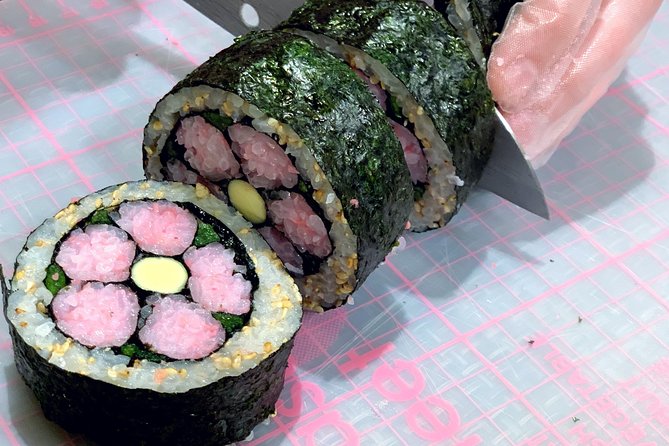
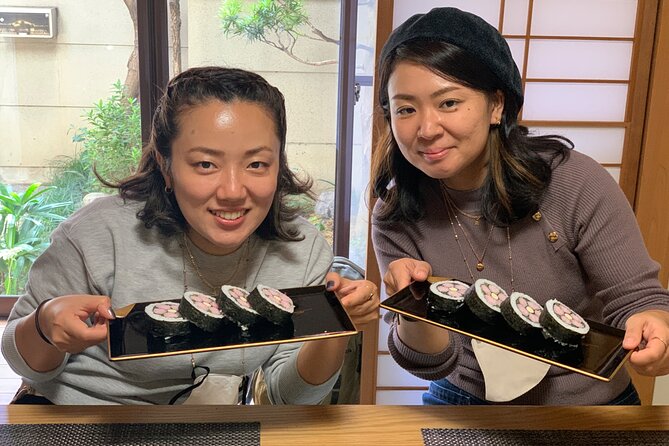
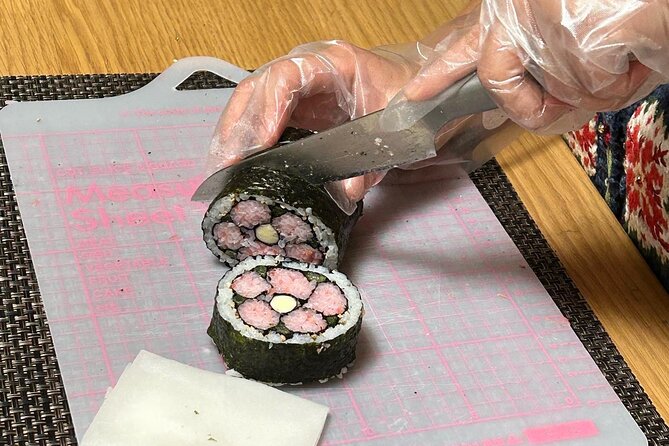
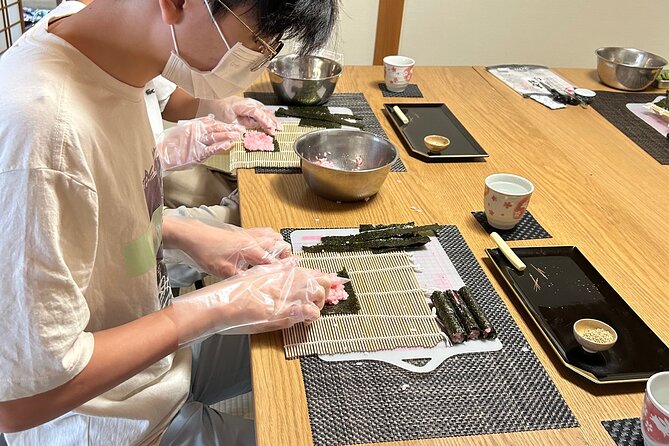
This isn’t the kind of sushi lesson where you leave with “sort of” rolled results. The goal is an actual edible-art roll: a peach flower pattern sushi roll made in about 60 minutes.
Kazarimaki is the key idea. It’s the art of creating designs within a sushi roll using edible pigments extracted from plants. In plain terms, you’re shaping a pattern that shows through in the final roll, not just coloring the outside. The pigments are natural food colorings, which is part of what makes the look so sharp and the method so repeatable.
You’ll use traditional sushi ingredients along with the edible materials needed for the design. There’s also a note for dietary needs: vegan and vegetarian options are available. That matters because you can enjoy the art side without the class quietly steering you toward only one ingredient set.
For most people, the surprise is that the design steps feel more learnable than they sound. Even if kazarimaki seems intimidating, the class is built to get you to a finished result, not just practice technique forever.
What You’ll Make, Taste, and Recreate Later
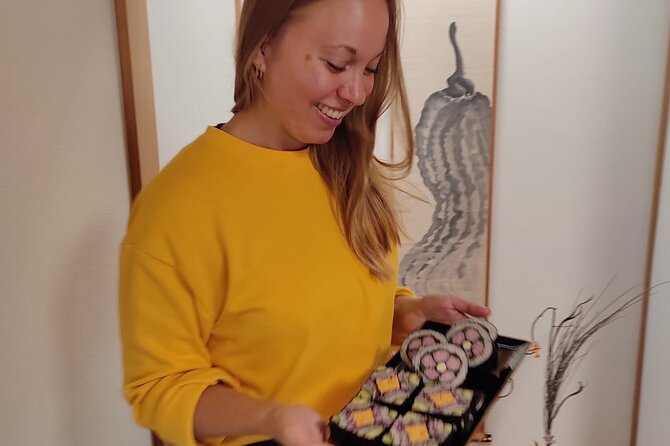
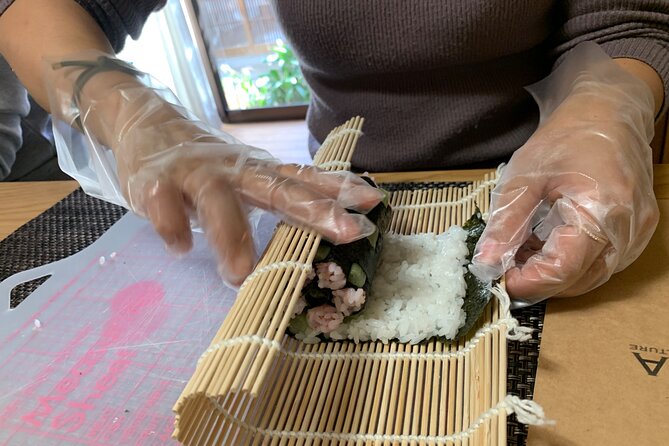
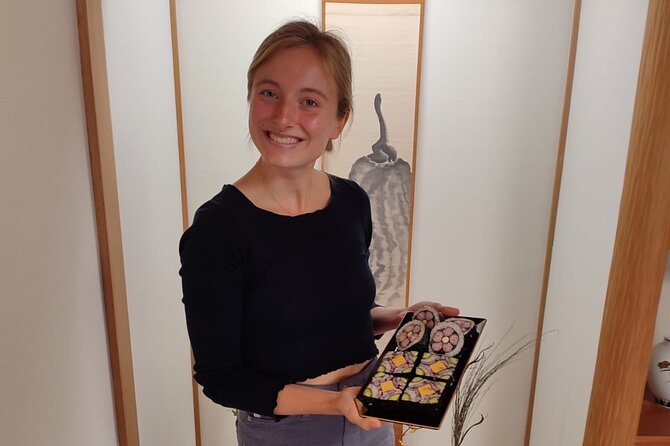
Your final product is the peach flower roll, built from a sequence of steps your instructor walks you through. You’ll create the pattern using edible color materials and then shape the roll into something you can slice and present.
The class also includes all sushi ingredients and bottled water plus tea or coffee. That’s a practical bonus in Kyoto, where you might otherwise spend time finding a drink before or after a workshop. Here, your focus stays on the craft.
At the end, you receive a booklet and certification. The booklet is especially useful if you want to recreate your roll at home. Sushi making can be oddly specific, and having written steps helps when your hands are doing something that your mind will swear it forgot ten minutes later.
Aya, Manabu, and the English-Friendly Pace You Can Follow
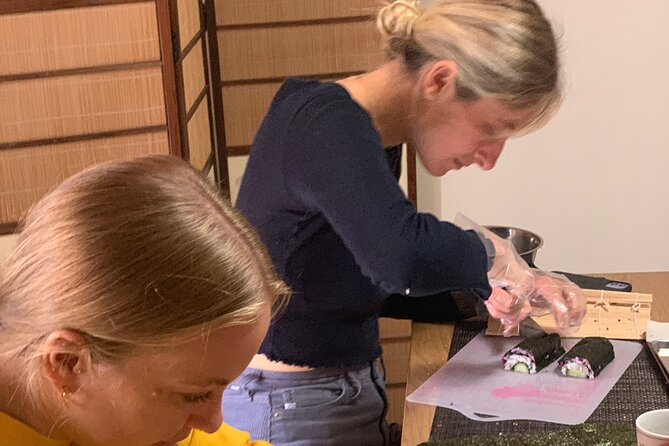
The tone of this class is built around clarity and support. The instructor experience is English speaking, and you get step-by-step guidance as you shape the design. In one of the supportive moments noted in feedback, the instructor and her husband helped with tools during the process and handled cleanup afterward. That kind of behind-the-scenes support keeps the class fun instead of stressful.
You may work with Aya, who’s listed as part of SAKURA Experience Japanese Culture, and there are also mentions of an instructor named Ava. Either way, the important part for you is that explanations are clear and patience is part of the method. The class is described as doable for beginners, but it also helps if you already know a bit about handling rice and rolling sushi, since kazarimaki adds design steps on top of basic technique.
And yes, there’s a little household humor baked in. One review mentioned a fun, memorable character reference. That’s a gentle reminder that you’re not in a stiff classroom. You’re in a home-style workshop where people want you to succeed and enjoy the process.
Socks, Tatami Rules, and the Kimono Touch
This is where you’ll want to plan ahead.
You must bring socks, because there’s a tatami room involved and the rule is that you cannot enter without socks. This is one of those Japan customs details that’s easy to miss if you don’t read everything, so I’m putting it right up front for you. Bring socks you’re comfortable wearing, because once you’re in, that’s your footwear for the session.
There’s also traditional outfit time. The class provides a kimono for women, and other traditional garments for men and children. That means you get the full cultural framing, not just a cooking counter-and-apron vibe. You’ll look the part in photos, and it also helps set the mindset for a craft-focused experience.
If you’re traveling with little ones, there’s flexibility noted: baby and toddler can sit or sleep on the tatami mat. That’s a practical point for families who worry about bringing kids to hands-on classes.
Age rules are clear, too. If someone is under 18, they need to come with a parent or guardian who is over 21. Plan that early so you’re not scrambling when it’s time to check in.
More Kyoto temple visits, food tours, tea experiences, and day trips to compare
Price and Value: Is $93.32 Worth It?
At $93.32 per person, this is not a bargain-basement sushi workshop. But the value case is fairly strong if you price it like a craft experience instead of like a take-a-class-and-leave activity.
Here’s what your price includes:
- A private class format, not a big shared session
- Your instructor’s commentary and guided instruction
- Edible pigments and the supplies needed for kazarimaki design
- All sushi ingredients
- Bottled water plus tea or coffee
- A booklet and certification
- Traditional garments while you’re there
When you add it up, you’re paying for a lot more than rolling rice. You’re buying time with an instructor, materials for a specific design, and a take-home reference plus an official souvenir item.
It also lists group discounts, which is worth paying attention to if you’re traveling with friends or booking as a family. The “private” element usually makes sense when there are multiple people, because your cost per person can soften when discounts apply.
And one more practical point: there’s free cancellation up to 24 hours in advance for a full refund. That gives you wiggle room if your Kyoto schedule is fluid.
Logistics That Actually Matter in Kyoto
This class is timed for late afternoon, with a 4:30 pm start. That’s a smart slot if you want to pair it with a morning of temples and a low-stress evening meal plan after. Just don’t stack anything that depends on you returning to the meeting point right at start time.
It’s also near public transportation, so you’re not likely to need a taxi if you’re already moving around the city.
A couple small operational notes you should take seriously:
- Confirmation is received at booking.
- A mobile ticket is used.
- If you’re late beyond the 15-minute limit, you cannot join.
These aren’t annoying rules. They’re what keep the one-hour plan on track for a design that needs careful timing.
Who This Sushi Art Class Fits Best
This experience makes the most sense if you want a Kyoto activity that is hands-on, visual, and repeatable.
You’ll likely love it if:
- You enjoy learning a skill you can do again at home
- You’re interested in Japanese food presentation, not just eating
- You want a unique souvenir beyond a postcard
- You like structured instruction, but still want it to feel friendly
It may be less ideal if:
- You want a long, slow cooking session with lots of downtime
- You dislike hands-on crafts and prefer observation-only activities
- You’re likely to be late because your day is unpredictable
For families, it’s a strong option because it’s private and everyone can work at the same time, including kids who can sit on the tatami.
Should You Book This Private Art Sushi Roll Class?
If you’re looking for a Kyoto class that gives you a real outcome, this one is a solid pick. The combination of kazarimaki design, a specific peach flower roll project, and a take-home booklet plus certification is what turns it from a fun snack workshop into something you can remember and recreate.
Book it if you:
- can follow the socks requirement,
- can arrive on time for the start,
- and want a private, English-speaking experience with included ingredients and drinks.
Skip it if timing is messy for you or if you only want basic sushi without the added art component. This class is designed to help you finish an edible design in a short window. That’s the whole point.
If that sounds like your kind of challenge, then yes, it’s worth putting on your Kyoto plan.
FAQ
Where is the class meeting point in Kyoto?
The meeting point is さくら日本文化体験 二条城教室 (SAKURA Experience Japanese Culture Nijo Home), Izumichō, Nakagyo Ward, Kyoto 604-0015, Japan.
How long is the private sushi roll class?
The class duration is about 1 hour.
Is this a private class or a group class?
It’s a private class. Only your group participates.
What time does the class start?
The start time listed is 4:30 pm.
What should I bring for the experience?
You should bring socks. The tatami room has a socks requirement.
What is kazarimaki?
Kazarimaki is the art of making designs within a sushi roll using edible pigments extracted from plants.
What sushi roll design will I make?
You’ll create a peach flower pattern sushi roll.
Are vegan or vegetarian options available?
Yes, there are vegan and vegetarian options.
What is included in the price besides instruction?
The class includes bottled water, tea or coffee, and all sushi ingredients.
Do I receive anything at the end of the class?
Yes, you receive a booklet and certification at the end.
More Workshops & Classes in Kyoto

More Private Tours in Kyoto



More Tour Reviews in Kyoto


Not for you? Here's more nearby things to do in Kyoto we have reviewed









Kyoto Cooking Classes, compared.
 ★ 5.0Ramen Cooking Class at Ramen Factory in KyotoFrom $1311,937 reviews
 ★ 5.0Sushi Making in Kyoto! Same-day bookings welcome!From $53713 reviews
 ★ 4.9Ramen Cooking Class at a Ramen Factory with SouvenirFrom $127532 reviews
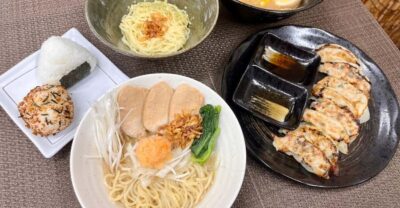 ★ 5.0Ramen, Gyoza, and Onigiri Cooking ClassFrom $90445 reviews
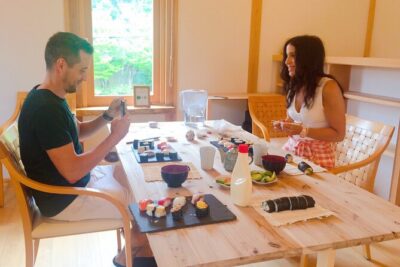 ★ 5.0The Original Small-Group Sushi Making Class in KyotoFrom $69436 reviews
 ★ 5.0Japanese Washoku Bento Small Group Cooking ClassFrom $58380 reviews
 ★ 5.0Kyoto Ramen and Gyoza Cooking Class with Professional ChefsFrom $86282 reviews
 ★ 4.9Afternoon Japanese Izakaya Cooking ClassFrom $67241 reviews
Browse the lists this tour appears in